Sous vide and slow cooking share many benefits: both are largely hands-off, require minimal cleanup, and take much longer than direct methods like roasting or grilling. But they are not the same. Here’s a clear comparison to help you decide which method suits your needs.
What is sous vide cooking?
Sous vide is a cooking technique where food is sealed in a food-safe bag or jar, the air is removed, and the package is submerged in a water bath held at a precise temperature for an extended time. The key characteristic of sous vide is consistent, controlled heat, usually maintained longer than with conventional methods.
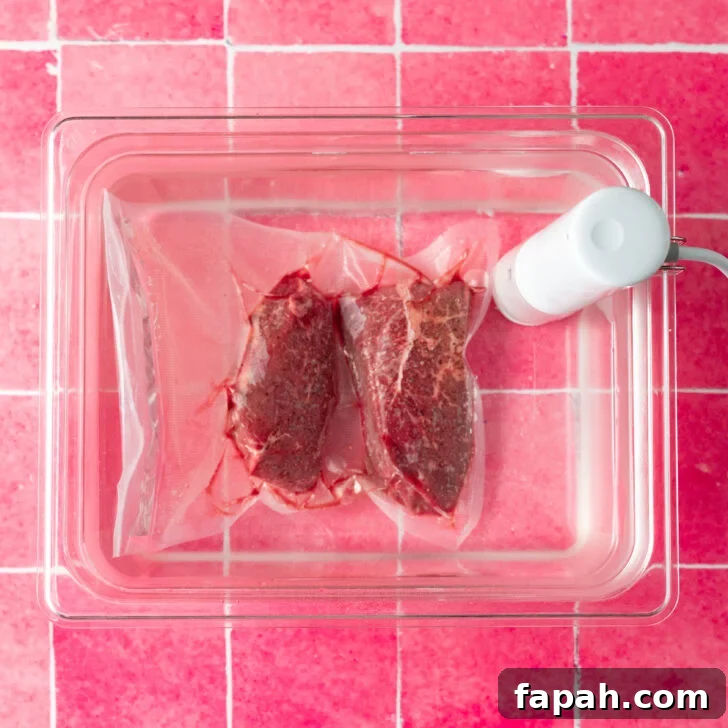
To sous vide, fill a container—anything from a stockpot to a purpose-built tub—with water and attach an immersion circulator. Set the circulator to the exact temperature you want, and it will heat and circulate the water so the bath remains at that steady temperature. An immersion circulator both heats and moves water, making the bath uniform and reliable.
An immersion circulator is what makes a sous vide bath like a hot tub instead of a little pool. It heats and circulates the water.
Sous vide temperatures typically range from about 110°F to 190°F. Most circulators do not cool effectively below roughly 60°F and usually don’t heat past about 200°F. This method is ideal for protein-focused preparations that benefit from precise doneness control—steaks, egg bites, and medium-rare roasts like prime rib are common examples.
If you want to go deeper into sous vide basics and techniques, look for reputable beginner’s guides or courses designed around the method.

Sous Vide School
An interactive beginner’s guide to sous vide can teach fundamentals, recipes, and practical tips so you can make consistent dinners, desserts, and more while saving time and reducing waste.
What is slow cooking?
Slow cooking uses a slow cooker—often called a Crock-Pot—to cook food over several hours at low, steady heat. You simply place ingredients in the cooker’s bowl and select a setting, typically “Low” or “High.” Low is usually around 200°F and is used for 6–8 hours, while High is closer to 300°F and used for 3–4 hours. This gentle, prolonged heat is perfect for breaking down connective tissue and producing tender, fall-apart dishes.
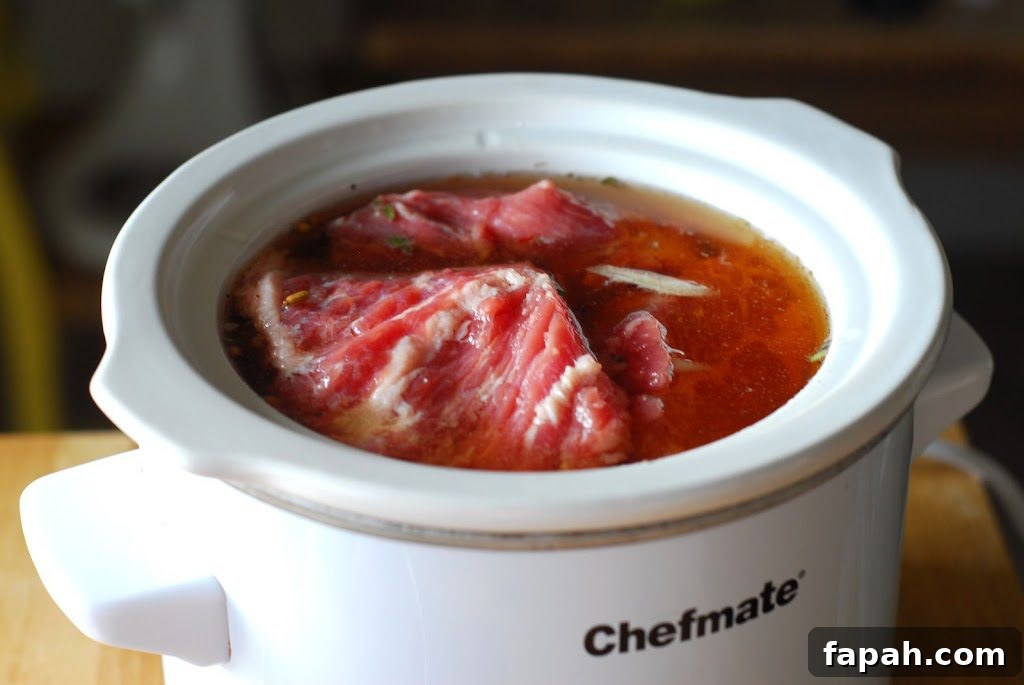
Slow cookers excel with soups, stews, shredded meats, and large roasts made for a tender, shreddable texture.
What’s the difference between the two?
Both techniques share benefits—they cook low and slow, require little active attention, and are excellent for meal prep. But there are important distinctions:
- Precision: Sous vide offers exact temperature control, producing repeatable doneness. Slow cookers use broader settings, yielding one general result for a cut.
- Prep and cleanup: Sous vide needs a bit more setup—seasoning and sealing food in bags—yet cleanup is often easier since you discard the bag. Slow cookers are simpler to load but cleaning the removable bowl can take more effort.
- Suitability: Sous vide is ideal for delicate or expensive items that require careful temperature control—seafood, premium steaks, precise-rare roasts, and custard-style desserts. Slow cooking is better suited for tougher cuts intended to break down into tender, shreddable meat and for long-simmered soups and stews.
Equipment needed for each method
Slow cooking requires minimal equipment: a slow cooker is the primary tool and often all you need. Optional accessories like disposable liners can simplify cleanup but aren’t necessary.
Sous vide requires an immersion circulator and a heat-resistant container for the water bath, which can be a stockpot, cooler, or a purpose-built tub. Additional helpful tools include a hot skillet or cast iron pan for searing, clips or magnets to keep bags submerged, and vacuum sealing equipment or quality resealable bags for reliable packaging.
So, which one should I use?
Choose the slow cooker for:
- Soups and stews
- Roasts meant to fall apart
- Meats you plan to shred
Choose sous vide for:
- Steak and other precision-cooked cuts
- Seafood that benefits from exact temperatures
- Roasts served medium-rare (prime rib, tenderloin)
- Eggs and delicate proteins
- Pork chops and similar cuts that risk drying out
Chicken can work well with either method: sous vide helps avoid drying and ensures consistent doneness, while a slow cooker can be convenient for shredded chicken or casual meals when texture is less critical. Ultimately, use the method that best matches the texture and doneness you want for a given dish.