Making Fruit Exciting for Kids: Spiced Fruit Puddings and Flavor Play
I’m a self-confessed vegetable addict, but when it comes to fruit, both I and my daughter Roo can be a bit indifferent—unless the fruit is made exciting. At eight years old, Roo hasn’t yet discovered a love of fruit as a default, and she certainly isn’t a vegetable evangelist either. That’s why I’ve been experimenting with ways to make fruit appealing, especially as a healthier dessert option for children.
Since our family started following the I Quit Sugar approach, we’ve dramatically reduced our sugar intake. That change has meant fewer traditional puddings and much more emphasis on natural, unprocessed foods. The children weren’t ready to give up pudding entirely, so I set out to create fruit-based puddings that feel fun and indulgent without added sugar.
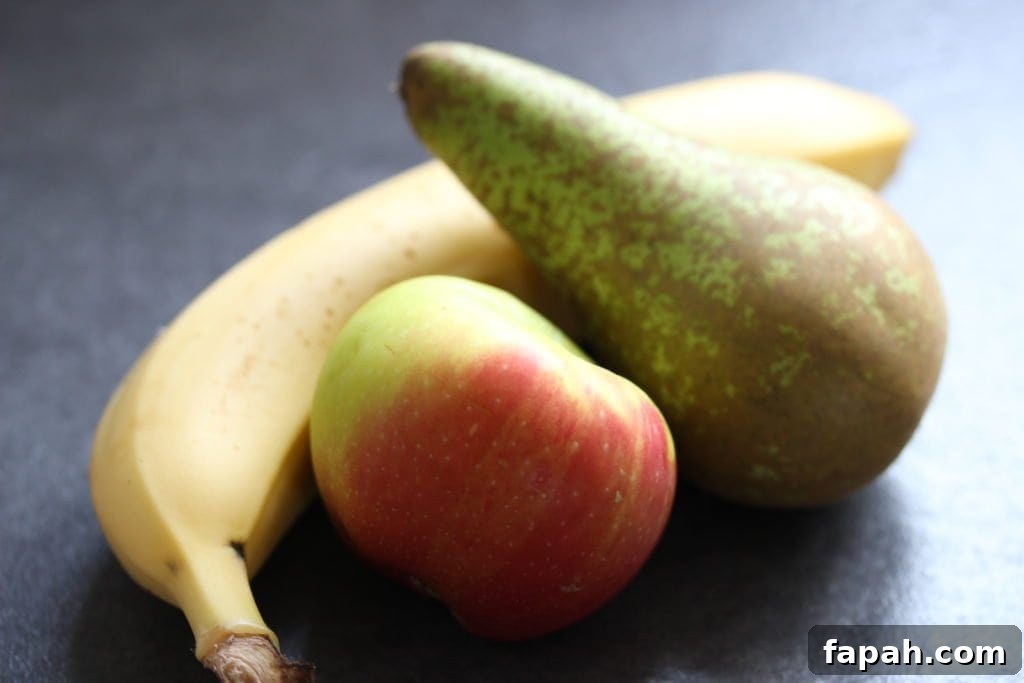
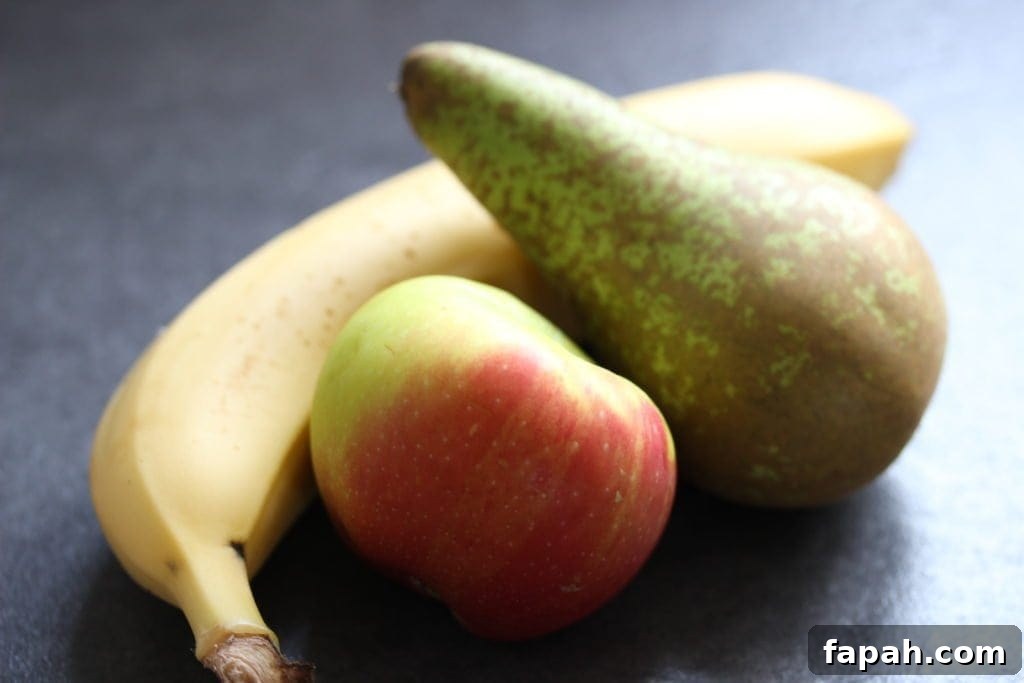
My first simple approach was to offer cut apple and pear sprinkled with cinnamon. To my surprise, even Roo’s fruit-hating friend loved that and ate a lot. Encouraged by the success, I escalated the experiment the next day by introducing choice and a little creative play.
I assembled a small “flavor station” with a variety of spices and toppings: cinnamon, nutmeg, cardamom, star anise, desiccated coconut, cacao nibs, and a pestle and mortar for crushing whole spices. I also kept a favorite reference book on flavor pairings nearby to inspire combinations. I laid out an assortment of fruit—apple, pear, banana, strawberries—and let the kids explore.
The results were instant and exciting. The interactive element of choosing and crushing spices turned eating fruit into a sensory activity. Roo and her sibling discovered that pear and star anise are a surprisingly elegant match, banana with cardamom has a warm, comforting quality, apple with nutmeg feels classic and cozy, and strawberries lightly coated in cacao nibs provide a crunchy, chocolate-like contrast without any sugar added.
Not only did the children eat more fruit, they began to notice subtle flavor relationships and experiment with textures. This kind of play is more than a mealtime trick—it builds culinary intuition. Learning which flavors complement one another is a practical skill that will serve them well when they cook for themselves as teenagers and adults.
Practical tips for trying this at home:
- Set up a small station with a few spice jars, cacao nibs, desiccated coconut, and a simple tool for crushing spices. Let children handle and smell the spices before using them.
- Offer several fruit options cut into bite-sized pieces so kids can mix and match without feeling overwhelmed.
- Encourage creativity: suggest pairings but allow them to try their own combinations. Celebrate both successes and odd pairings—the process is valuable.
- Avoid toppings or mixes that contain added sugar. Natural textures and flavors—like the crunch of cacao nibs or the aromatic lift of cardamom—can feel indulgent without sweeteners.
- Keep portion sizes sensible. It can be easy for enthusiastic kids to overindulge in fruit, especially if it’s suddenly more appealing.
Beyond the immediate goal of making fruit a preferred dessert choice, this approach supports broader food education. Children learn to describe flavors, compare sensations, and express preferences. They also gain confidence with kitchen tools and an understanding that healthy choices can be delicious and fun.
I challenge you to try a flavor station at home. Pull spices and toppings from your cupboard that don’t contain sugar, cut up a few fruits, and let your children play and taste. Share the discoveries—what surprising pairings did you find? What became a new favorite?
If you try this with your kids, I’d love to hear about the combinations they invented and how it changed their attitude toward fruit as a pudding.