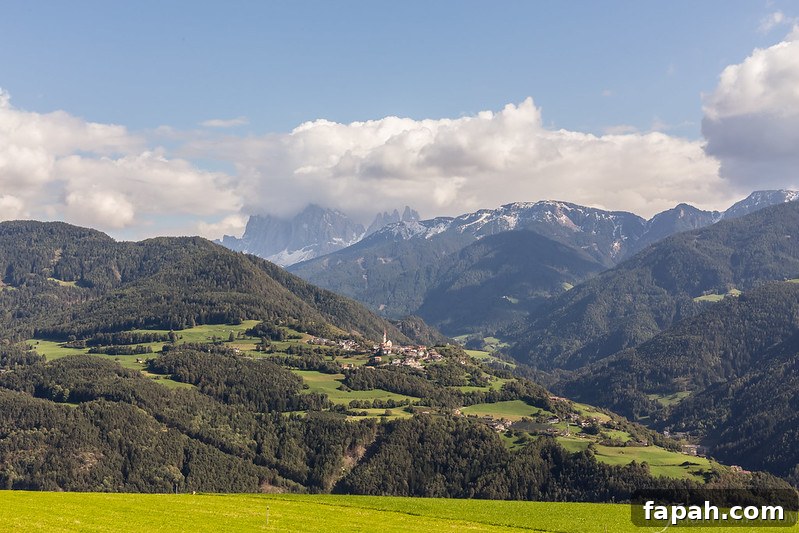
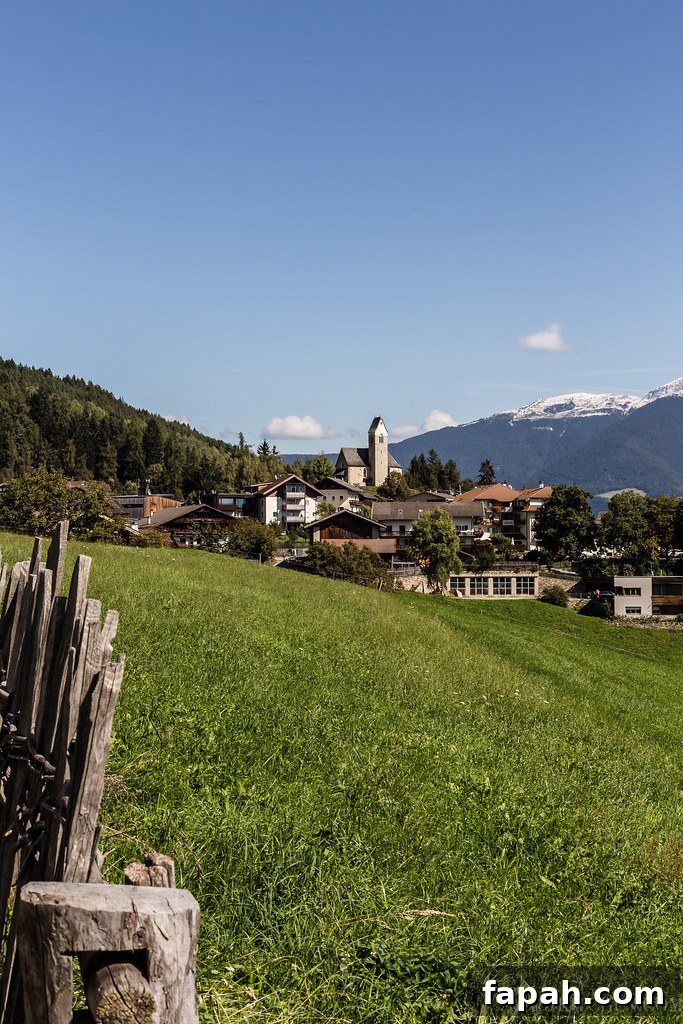
Last month Tommaso and I visited Alto Adige’s Isarco Valley to discover an age-old autumn tradition closely tied to new wine, chestnuts and community life: the Törggelen.
Although today many tourists—especially from Germany—come specifically for Törggelen, the celebration remains rooted in local farming culture. It did not originate as a tourist gimmick but as a custom handed down through generations. The people of South Tyrol cherish it so deeply they often call Törggelen their “fifth season.”
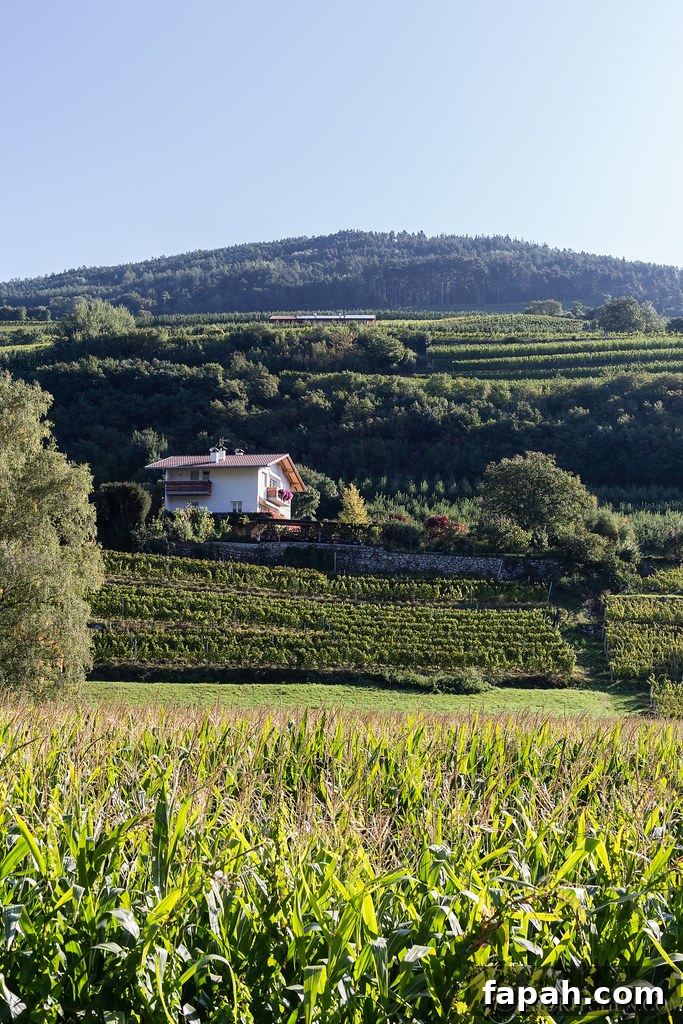
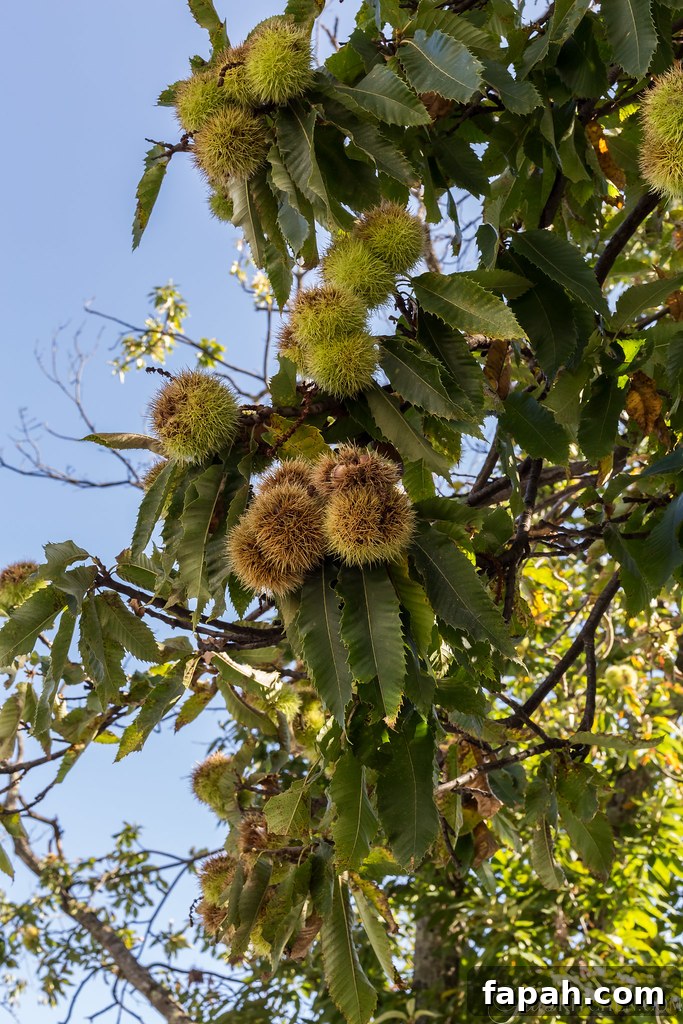
There is a growing effort to preserve an authentic Törggelen that supports local farmers and ensures the continued presence of new wine and roasted chestnuts. Organizers stress that a true Törggelen can only take place where grapevines and chestnut trees grow—exactly the landscape of the Isarco Valley.
Historically, Törggelen began around November 11, Saint Martin’s Day, when communities celebrated the new wine. The season traditionally ran until the start of Advent, a time of reflection leading into Christmas.
Nowadays the season starts earlier: by late September the first bonfires are lit for roasting chestnuts, traditionally enjoyed with new wine. The festivities generally conclude by Saint Catherine’s Day on November 26, just before Advent begins.
The Törggelen is a true thanksgiving feast in Alto Adige and often takes place in rustic local taverns called Buschenschanken. This medieval custom began when local rulers allowed farmers to sell their wine directly to passersby and guests. A branch hung outside the premises still signals an open Buschenschank today.
During Törggelen people gather in the Buschenschank, sip new wine beside a brazier of roasting chestnuts, and sit down to a hearty meal that celebrates local produce. Typical dishes include crescent-shaped pasta filled with ricotta and spinach, various dumplings, sauerkraut with smoked meat, barley soup, goulash at times, sausages, cured meats, fresh local bread and sweet krapfen filled with jam or poppy seeds. Everything is paired with wine from the farm. Chestnuts begin and end the meal, often followed by local brandies and liqueurs.
A bit of history
One proposed origin of the word Törggelen traces back to the Latin torcolum, the wine press. In that tradition, farmers invited everyone who had helped with the harvest and other farm tasks. The festivities began in the wine cellar beside the press, where new wine was tasted, and then moved to the living quarters to enjoy the farm’s produce: vegetables, cheeses and meats.
Another possible origin links the term to the German torkeln, meaning “to stagger.” The image is of harvesters returning home slightly unsteady after visiting neighbors’ cellars and sampling each other’s wine.
Today an authentic Törggelen always features new wine and chestnuts, which is why the tradition belongs only to regions where grapevines and chestnut trees grow. The Isarco Valley remains one of the places where Törggelen plays a vital cultural role.
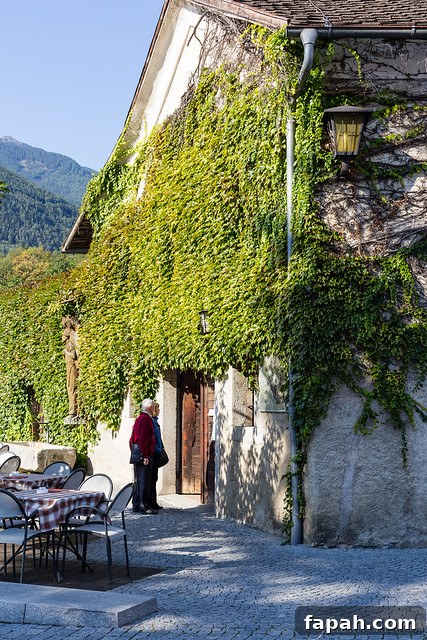
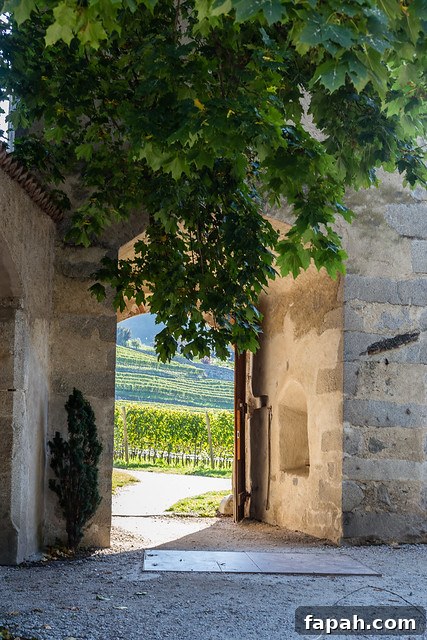
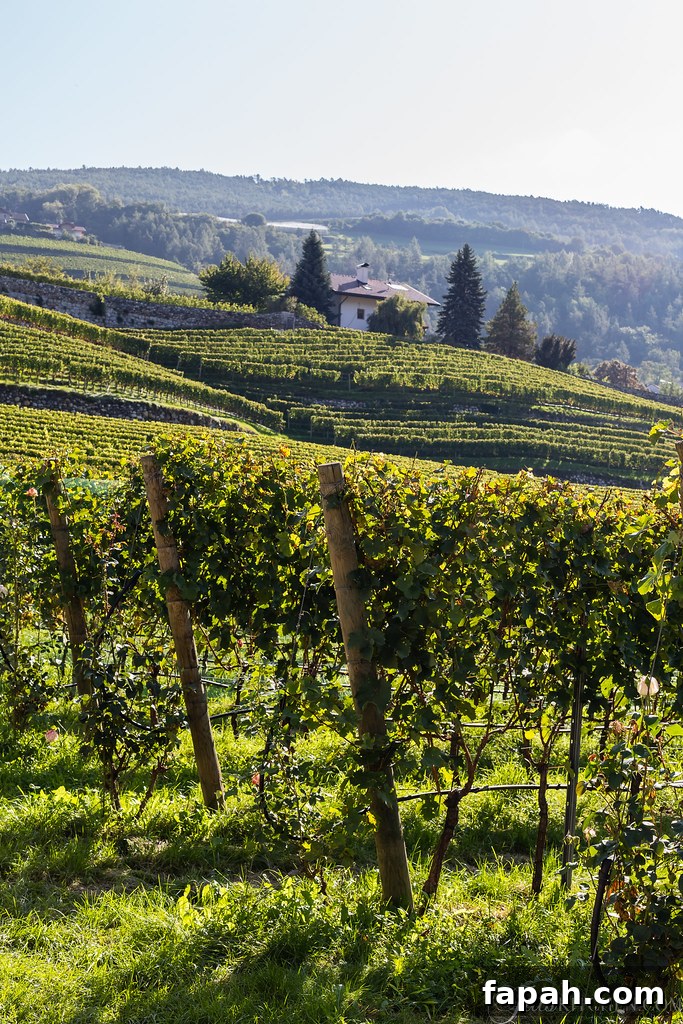
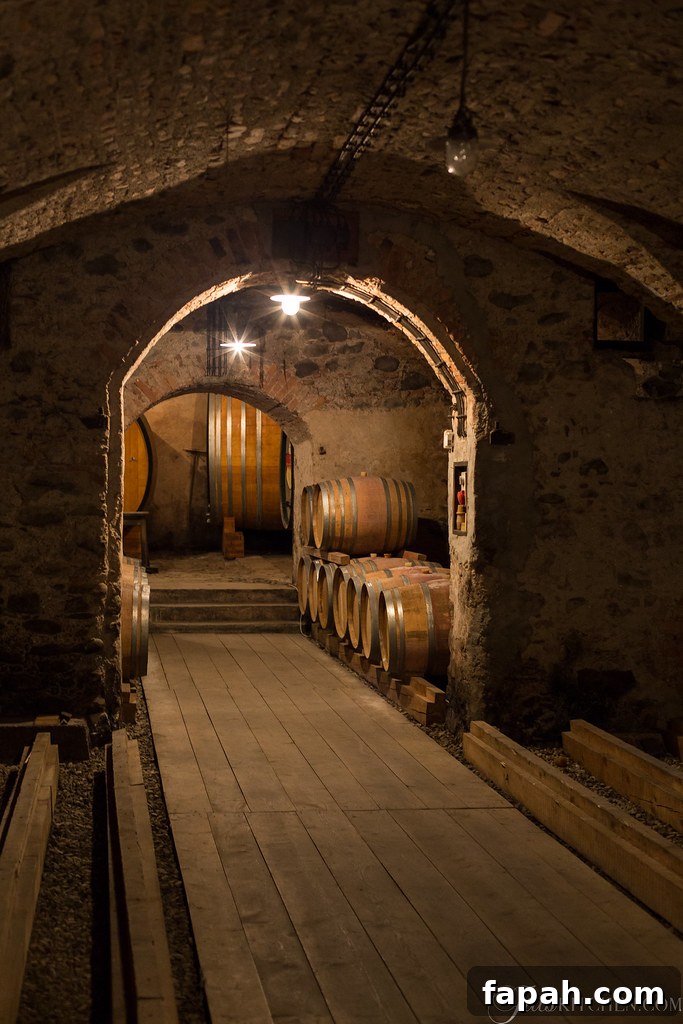
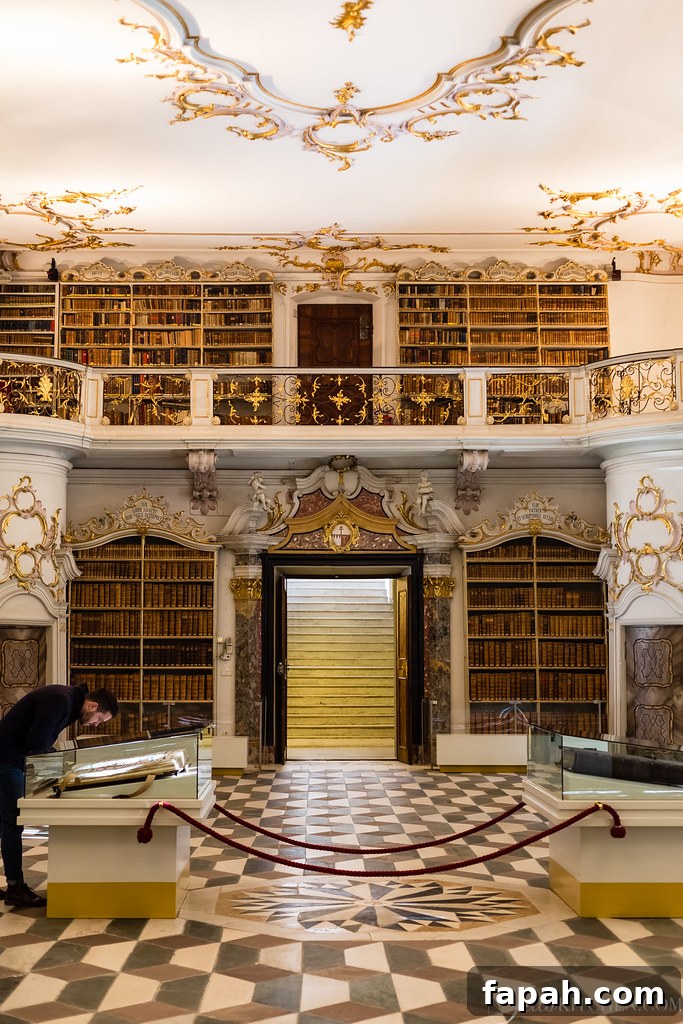
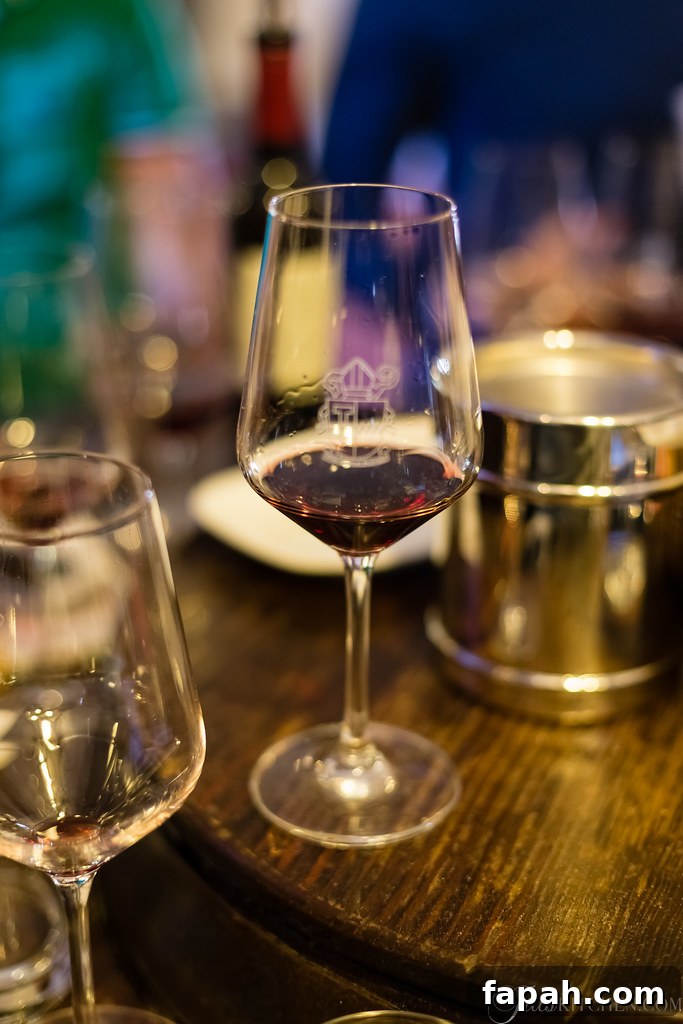
The Abbey of Neustift
Our first stop in South Tyrol was the Abbey of Neustift, founded in the 12th century by Blessed Hartmann, later Bishop of Bressanone. The abbey remains an active convent and boarding school, housing a striking library and managing woods, meadows, hunting reserves, orchards and vineyards. Its wine cellar is the northernmost in Italy. There we tasted notable wines—Kerner, Pinot Grigio and Gewürztraminer—and finished with a Moscato Rosa whose rose perfume was unforgettable even to someone who rarely drinks alcohol.
From the abbey the chestnut trail, the Keschtnweg, begins: a 60 km route that winds through Isarco Valley’s chestnut groves toward Bolzano.
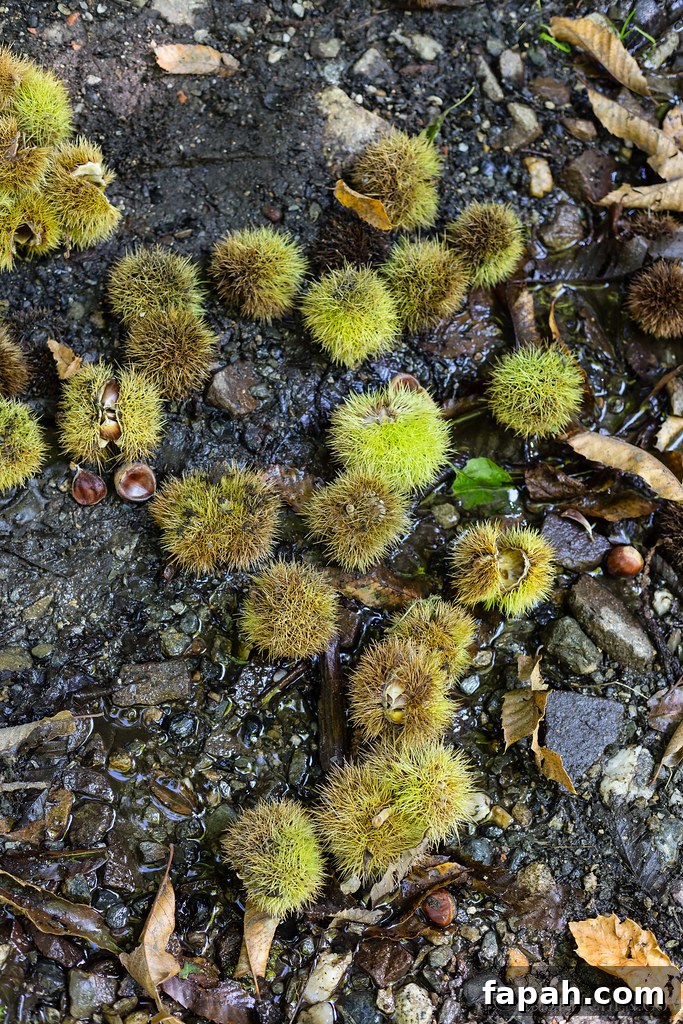
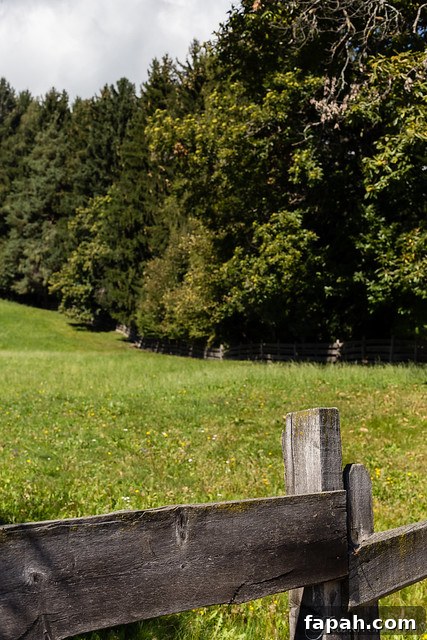
Lunch at Glangerhof
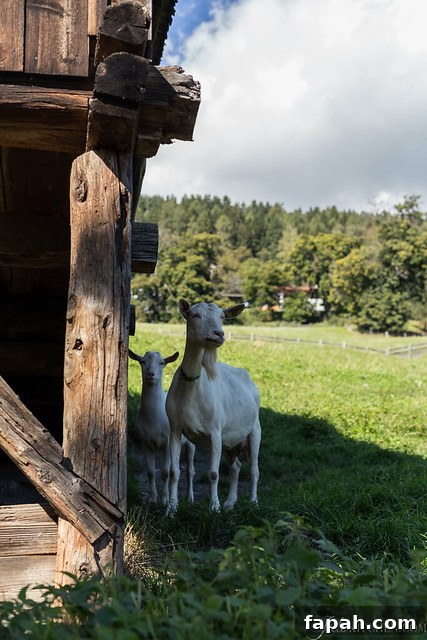
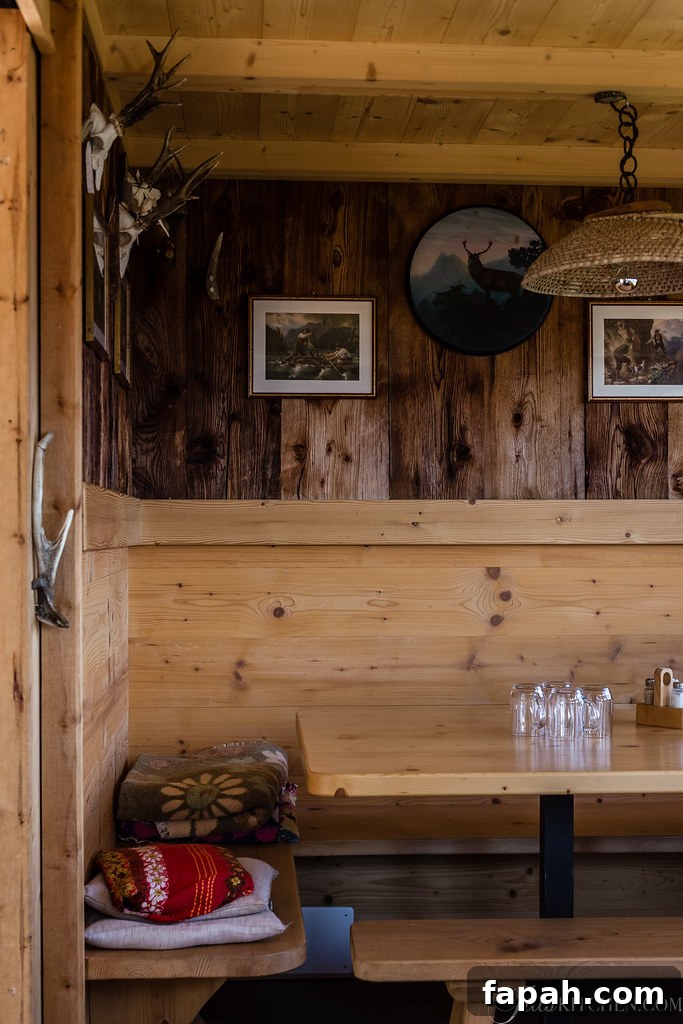
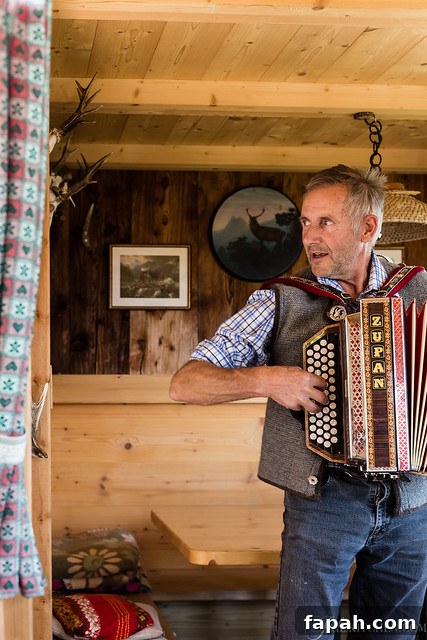
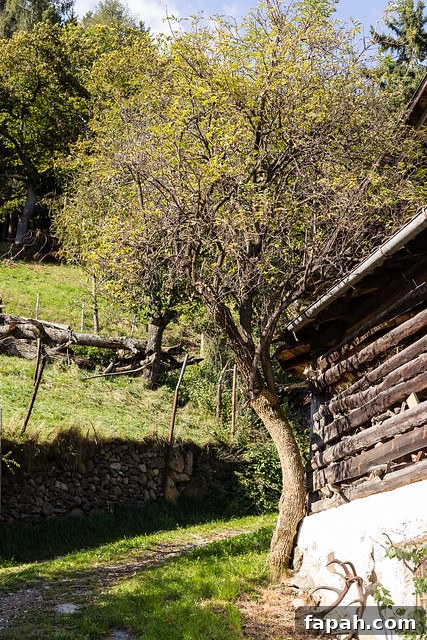
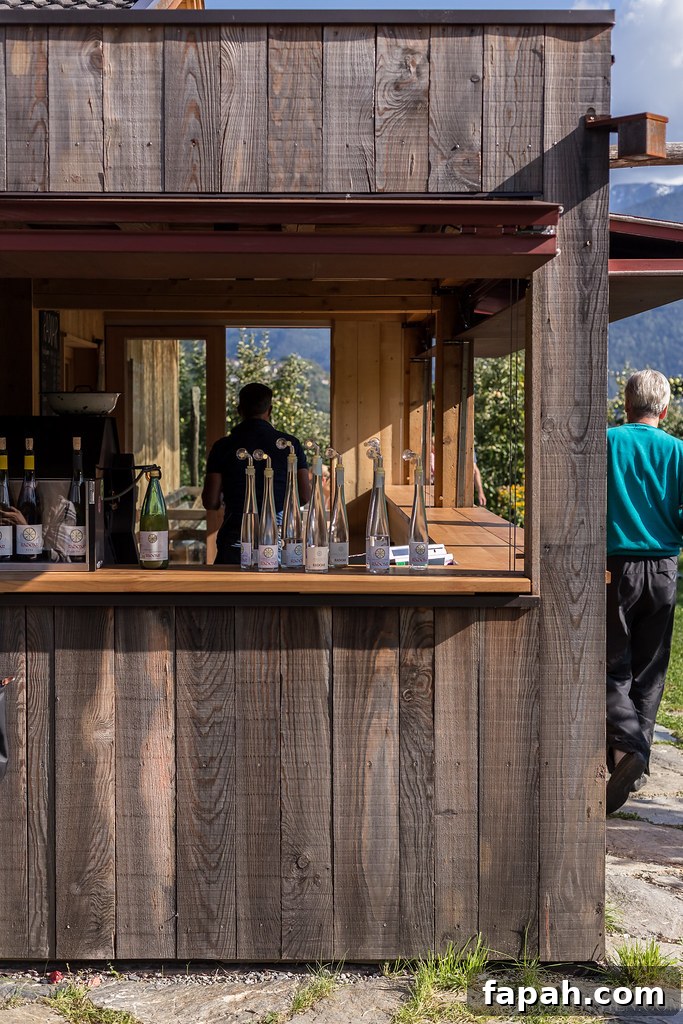
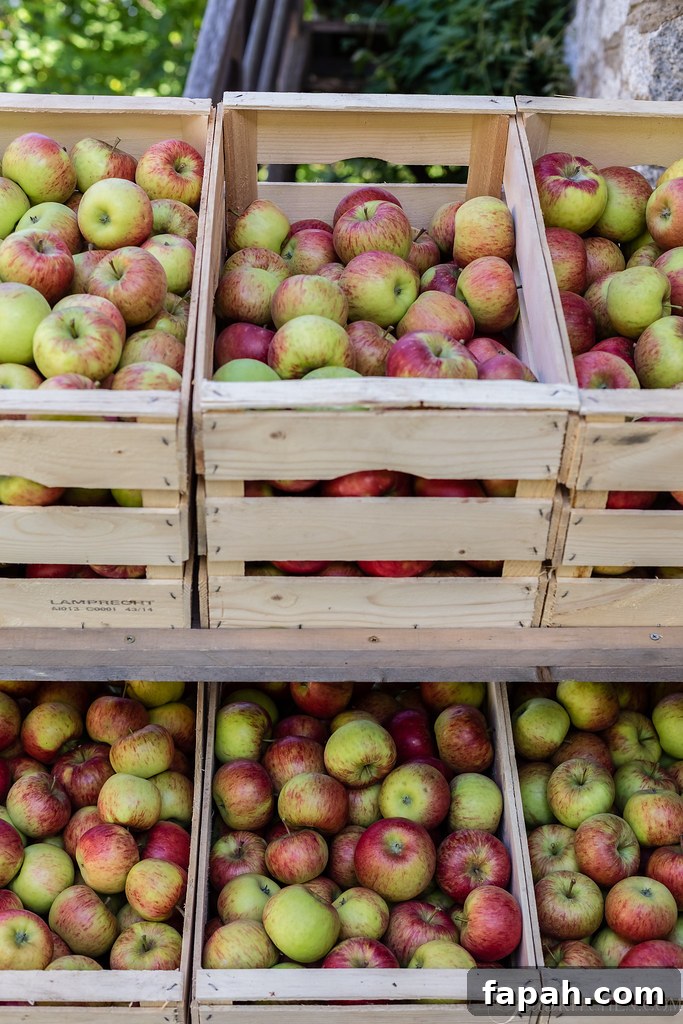
A gentle uphill walk through chestnut trees brought us to Glangerhof, a farm set in green pastures—an ideal spot to recharge for the autumn Törggelen. We enjoyed valley views and a tasting board of cheeses, speck, venison bresaola, barley soup, potatoes, krapfen pastries and farm-produced wine, even though we only had a light snack.
A break at Radoar
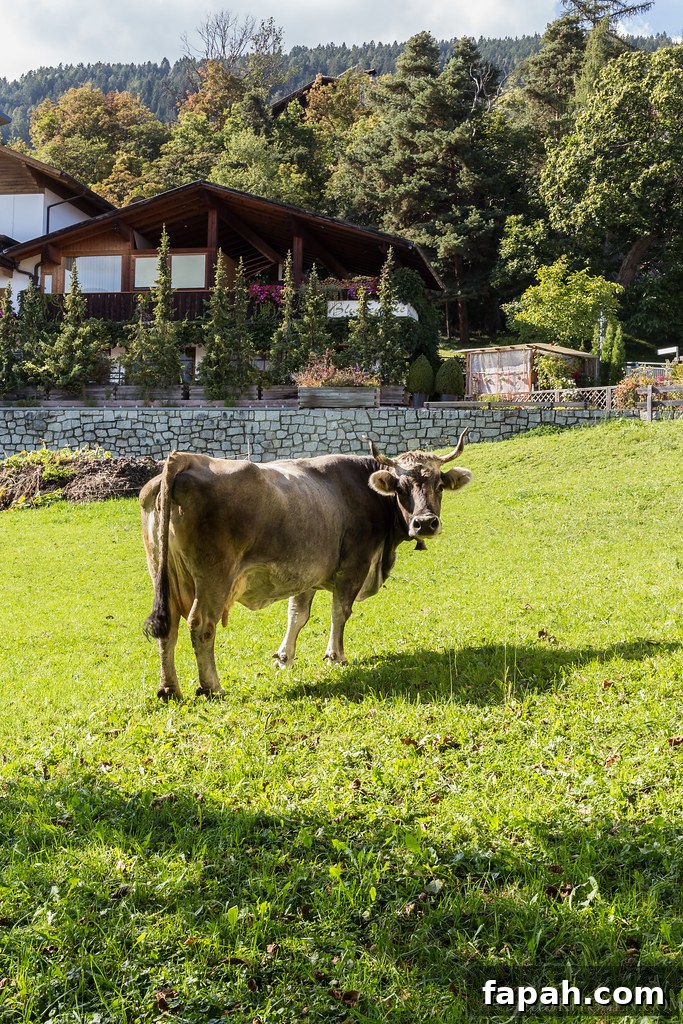
Radoar is the second stop on the Keschtnweg. The 700-year-old farm combines vineyards, orchards, chestnut groves and a few cows, and has produced organic products since 1997. The name comes from a Ladin word meaning “rounded,” symbolized by an eight-spoked wheel representing sustainability and the farm’s varied production. We tasted a chestnut brandy there—a fresh, sharply aromatic spirit that lingered with chestnut character.
Lighting of the “Keschtnfeuer” at Griesserhof
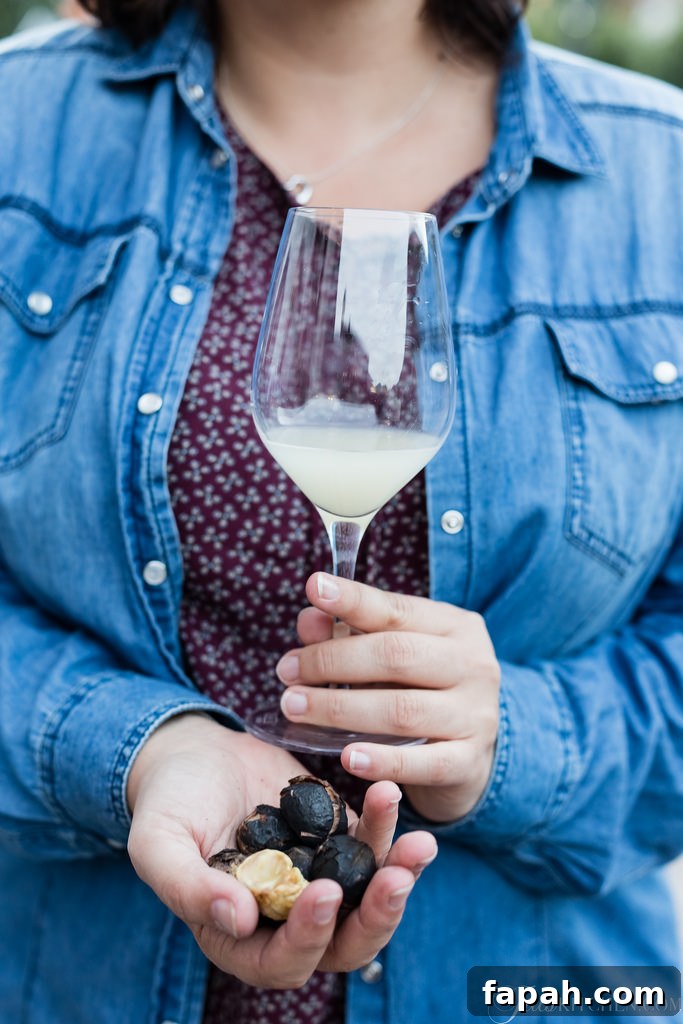
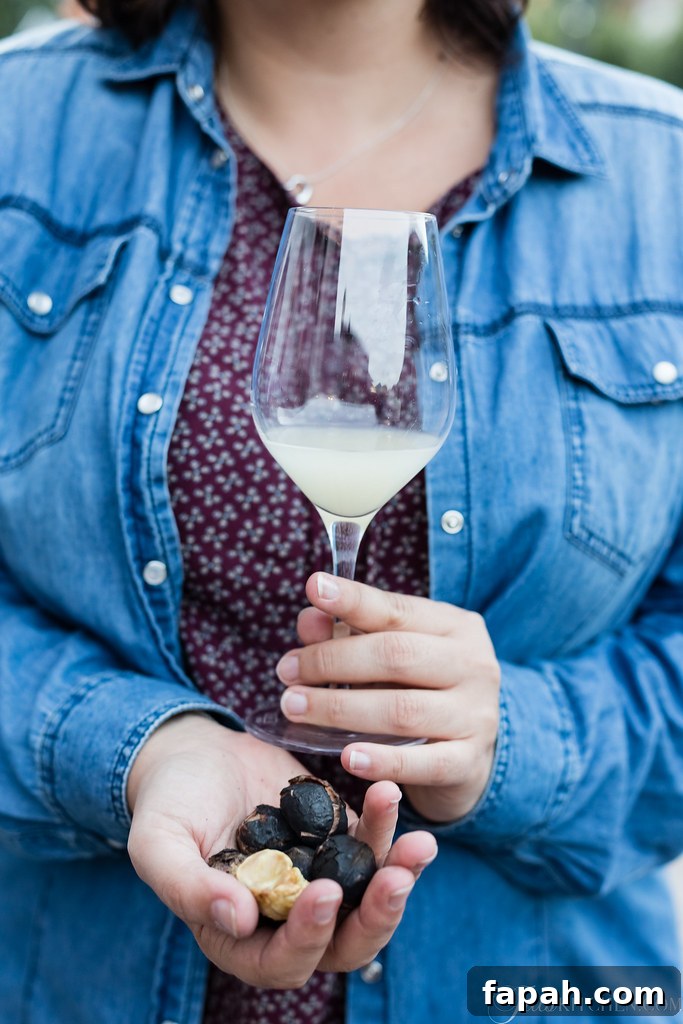
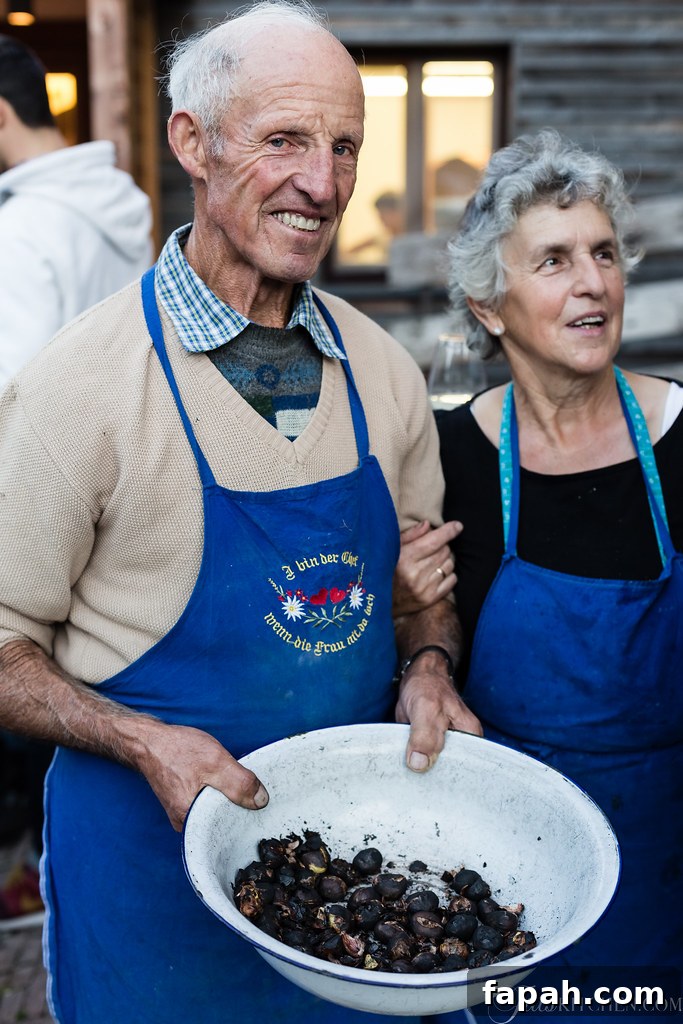
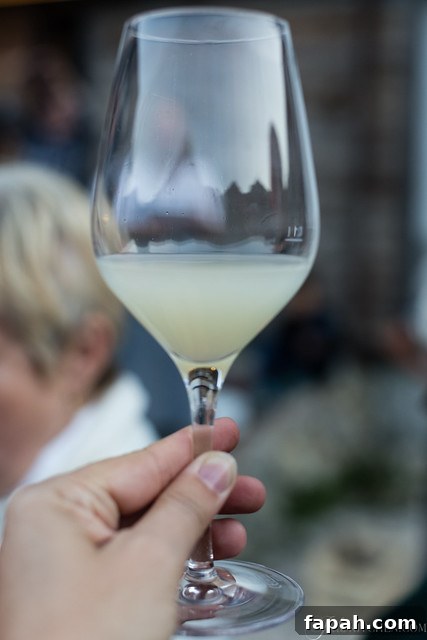
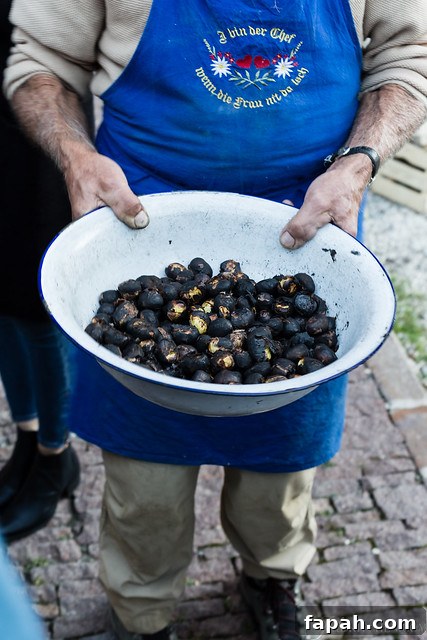
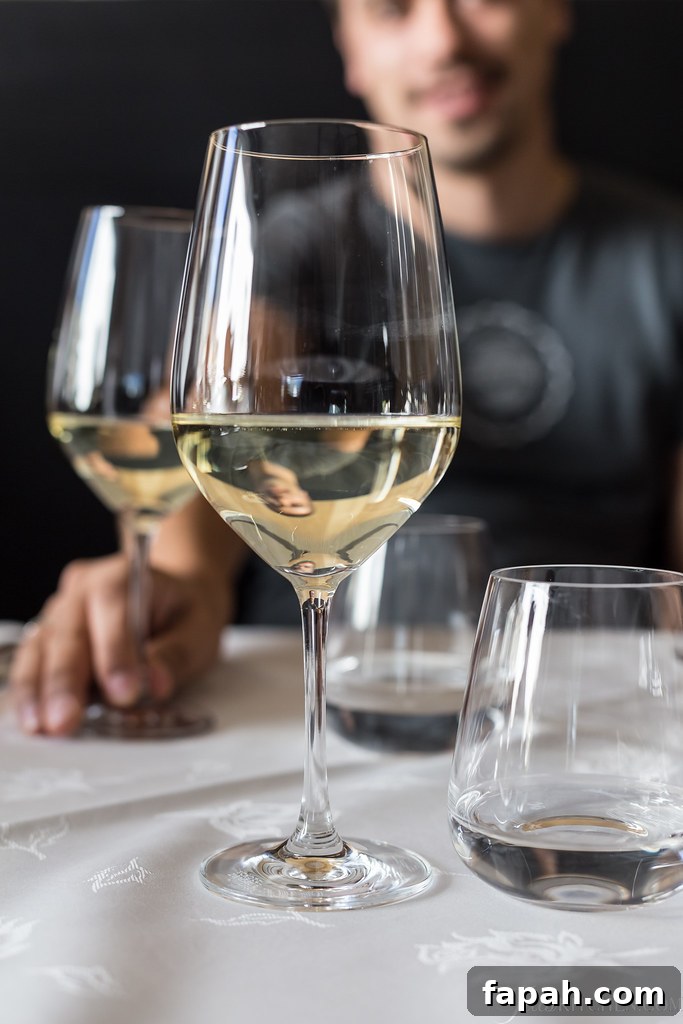
After walking, sampling wines, brandies and plates of speck, we reached Griesserhof where the chestnut bonfire—the Keschtnfeuer—was lit. Chestnuts roasted over the flames and were served with a glass of new wine. The first taste of white new wine surprised me; its pale color at first looked like apple juice. The combination of fresh new wine and warm chestnuts was a joyful, timeless aperitivo—faces bright and smiles all around the bonfire.
Vinum Hotel Pacherhof
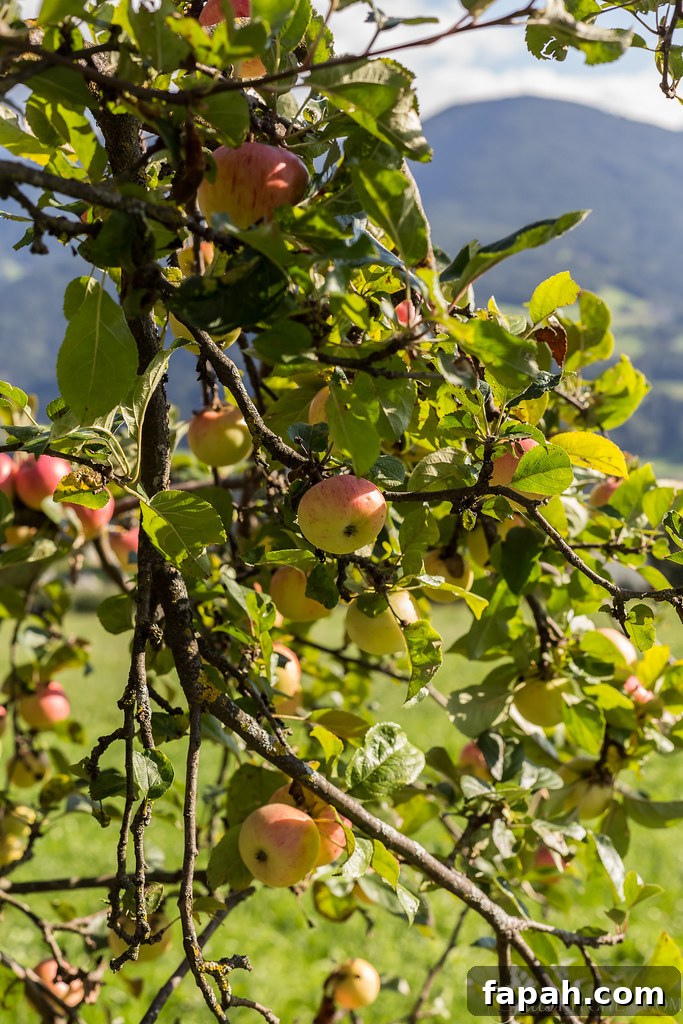
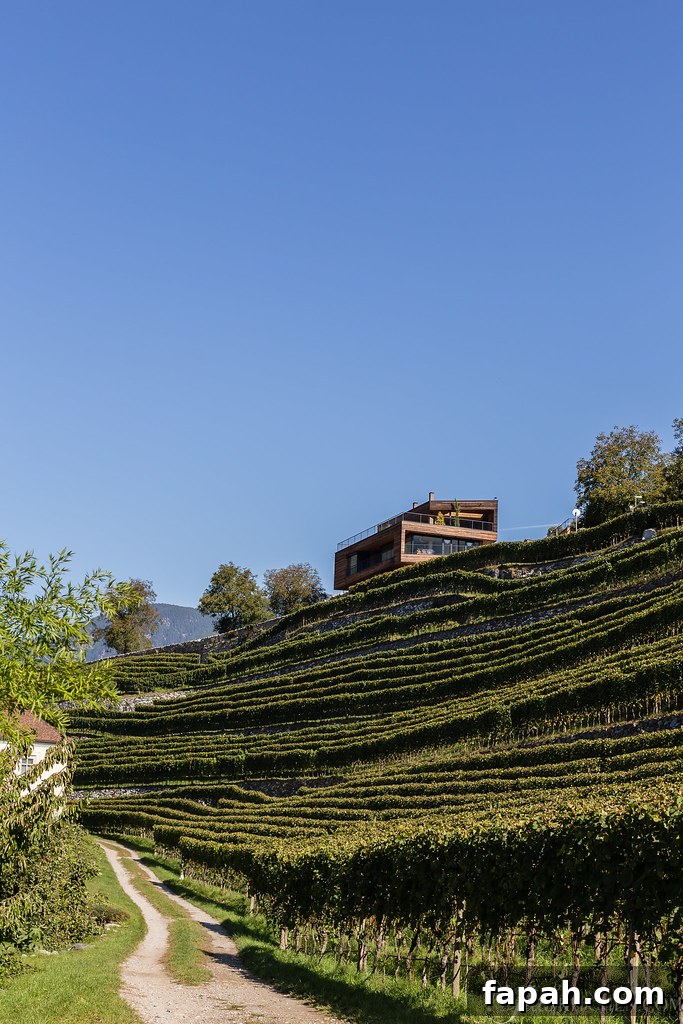
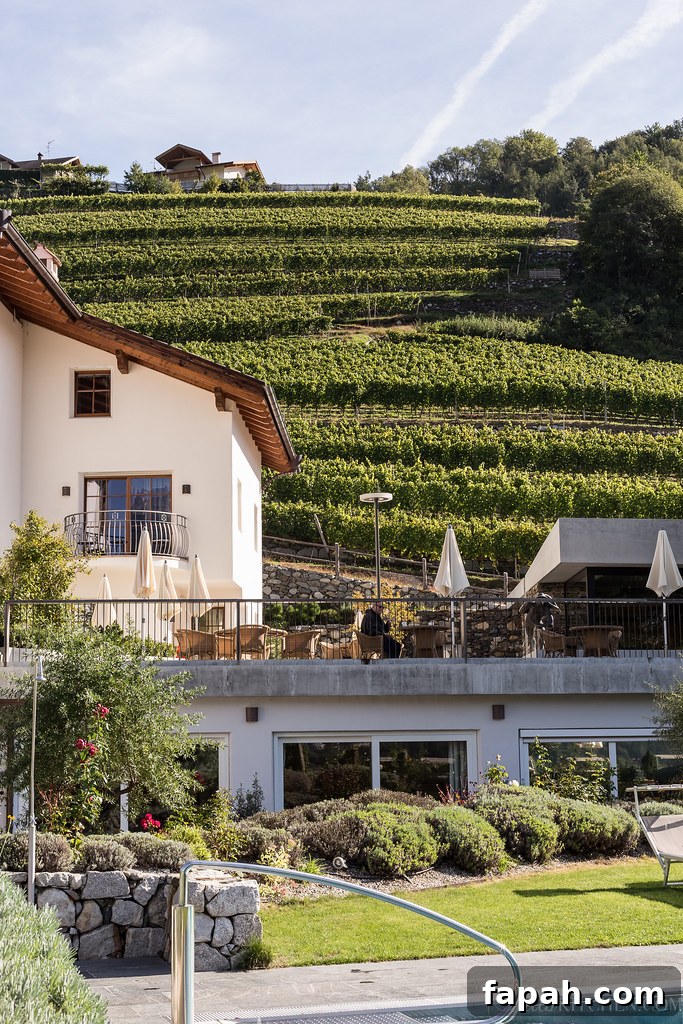
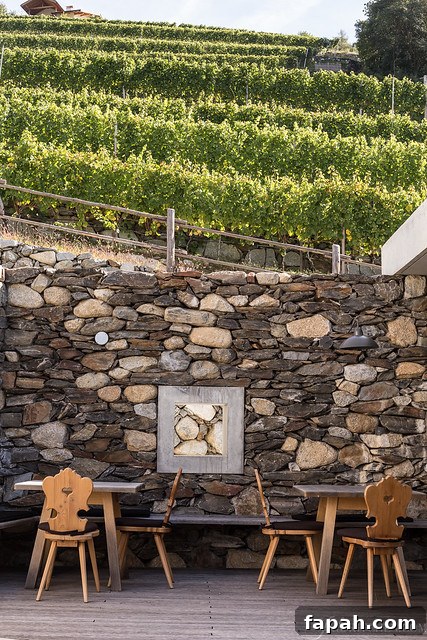
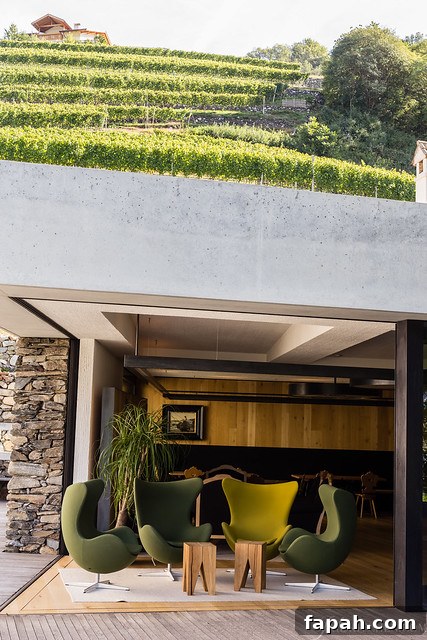
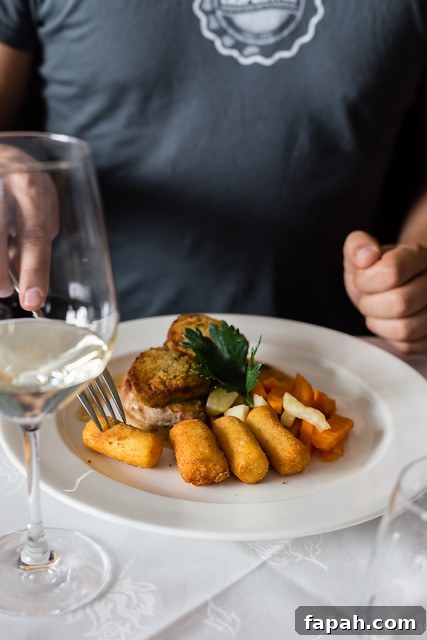
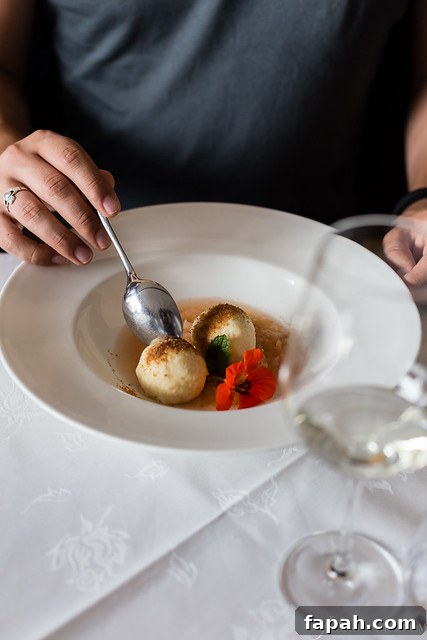
At Vinum Hotel Pacherhof antiquity and modernity coexist. An eleventh-century farmhouse stands beside a contemporary glass-and-concrete building, where new architecture highlights and respects the old. This dialogue between past and present is visible throughout the hotel—from cozy sitting rooms to a renovated wine cellar. A wine tasting was followed by a traditional lunch, capped with ricotta dumplings and apple sauce that alone made the visit worthwhile.
Final notes
This was my first visit to Alto Adige and it certainly won’t be the last. Törggelen season runs through November, offering a rich, authentic experience of new wine, roasted chestnuts and warm hospitality rooted in centuries of farming tradition.