Discover 12 old fashioned flowers from Anne of Green Gables. These heirloom blooms have endured for generations and make lovely, low-maintenance additions to perennial gardens in cooler climates.
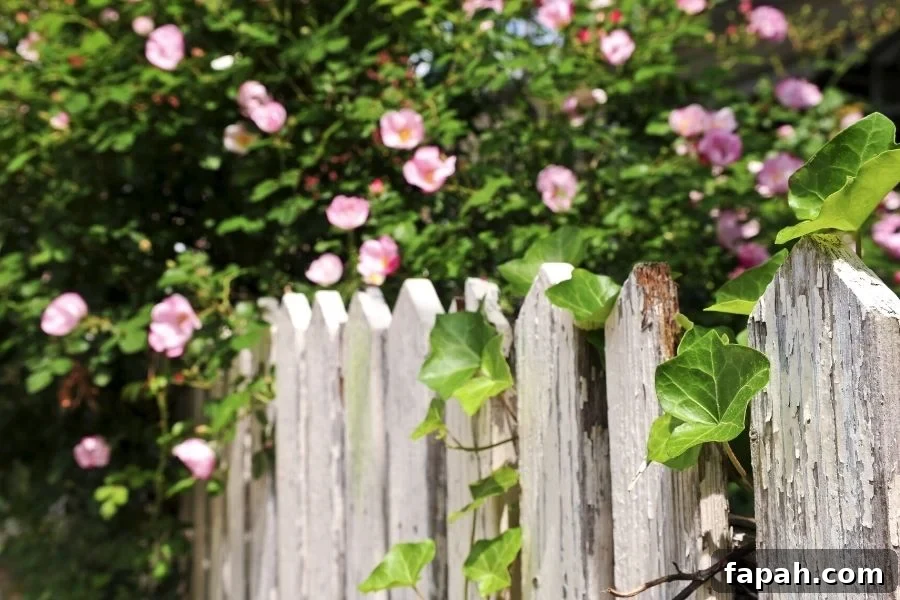
When I was a girl, I didn’t much care for Anne of Green Gables. Anne seemed too emotional, too sentimental, and far too romantic. As an adult, however, I reread the series and discovered the warmth in L.M. Montgomery’s storytelling: the clear-souled heroine, the quiet domestic details in Marilla’s kitchen, and especially the vivid descriptions of gardens and wild spaces. Those passages inspired me to bring some of Anne’s flowers into my own country garden.
Many of the plants mentioned in the books are traditional perennials or self-seeding annuals—heirlooms that suit cottage-style plantings and cooler climates. Below are 12 old fashioned flowers that appear in Anne of Green Gables and that you can grow in your own garden. For each one I include a few quick growing tips to help you choose the right spot and propagation method.
Domestic Flowers Mentioned in Anne of Green Gables
Some of these plants are best started from seed, others from divisions, bulbs, rhizomes, or cuttings. Many were commonly shared between neighbors as slips and suckers—an old-fashioned way to keep favorite varieties alive from year to year.
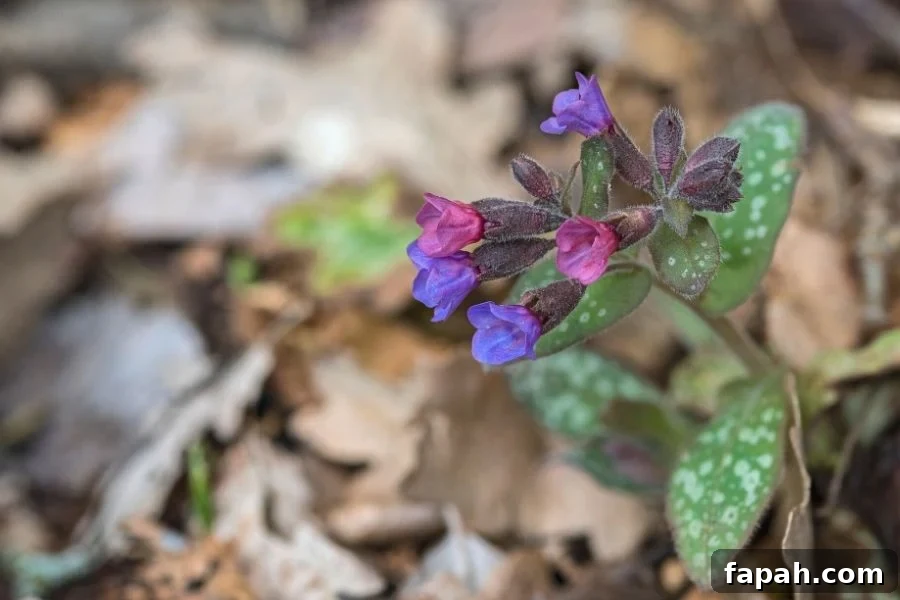
1. Adam-and-Eve
- Also known as Lungwort
- Purple and blue blossoms
- Grows best in partial shade
- Start from seed or divisions
Adam-and-Eve is a shade-loving groundcover mentioned in the Barry garden, the setting of Anne and Diana’s first meeting. It offers delicate purple and blue flowers and patterned foliage that brighten cool, shaded beds.
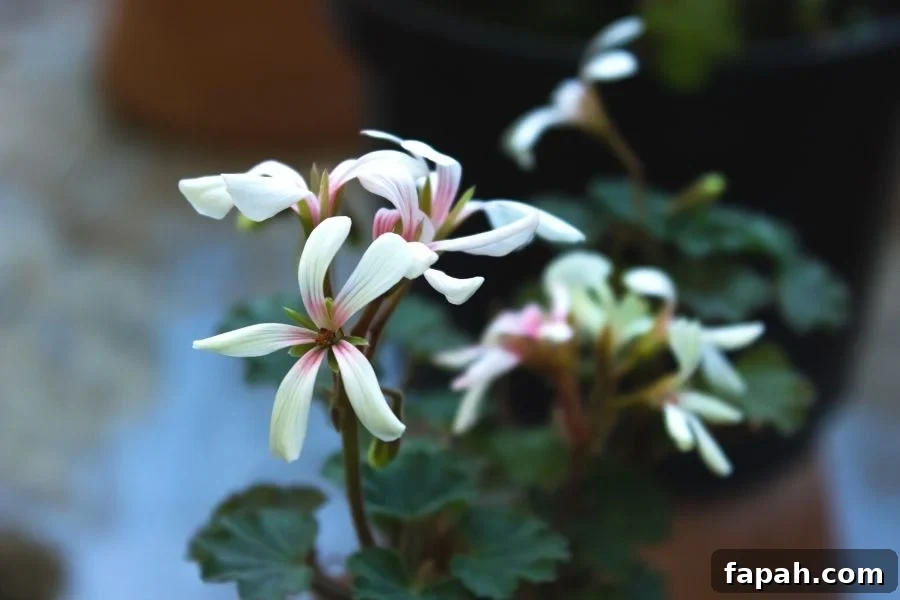
2. Apple Scented Geranium
- Not a true geranium
- Small white blossoms and aromatic foliage
- Prefers dry to moderate soil
- Ideal for window boxes or containers; not hardy in northern winters
Marilla kept an apple-scented geranium on the kitchen windowsill—an example of her practical but tender side. Because these scented geraniums aren’t winter-hardy in cold climates, gardeners traditionally take cuttings in late summer or fall to overwinter indoors and replant in spring.
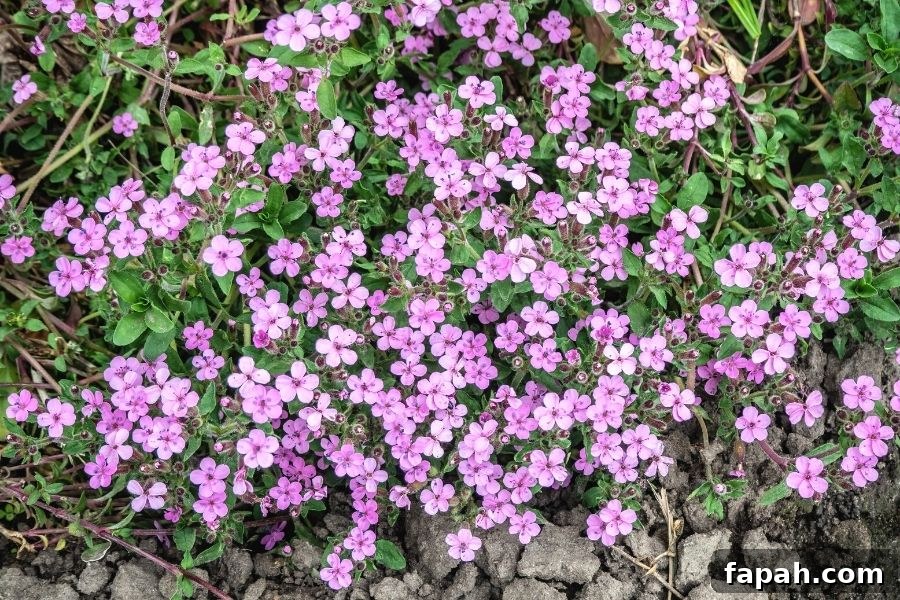
3. Bouncing Bet
- Also called Wild Sweet William or Soapwort
- Soft lavender flowers
- Prefers partial shade
- Grows from seed or creeping root divisions
Bouncing Bet (Soapwort) appears in the Barry garden. It’s a useful, spreading plant with mild saponins historically used for washing. In a cottage garden it makes an attractive, easy groundcover.
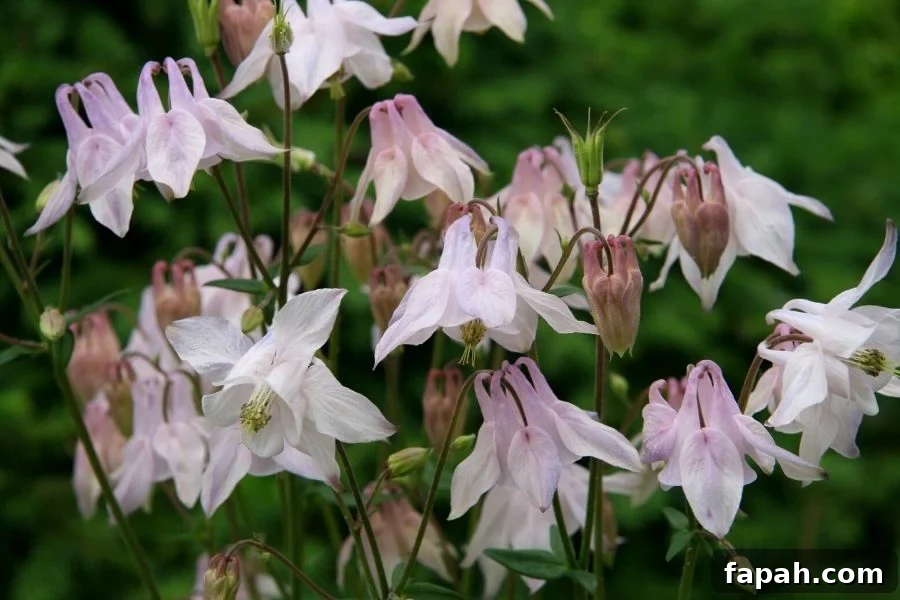
4. Columbine
- Available in many colors
- Prefers partial shade in hot climates
- Vigorous self-seeder
- Start from seed or crown divisions
Columbines are repeatedly mentioned in the series, often in blue, white, or pink. Their nodding, bell-like flowers naturalize easily and return reliably in cooler regions.
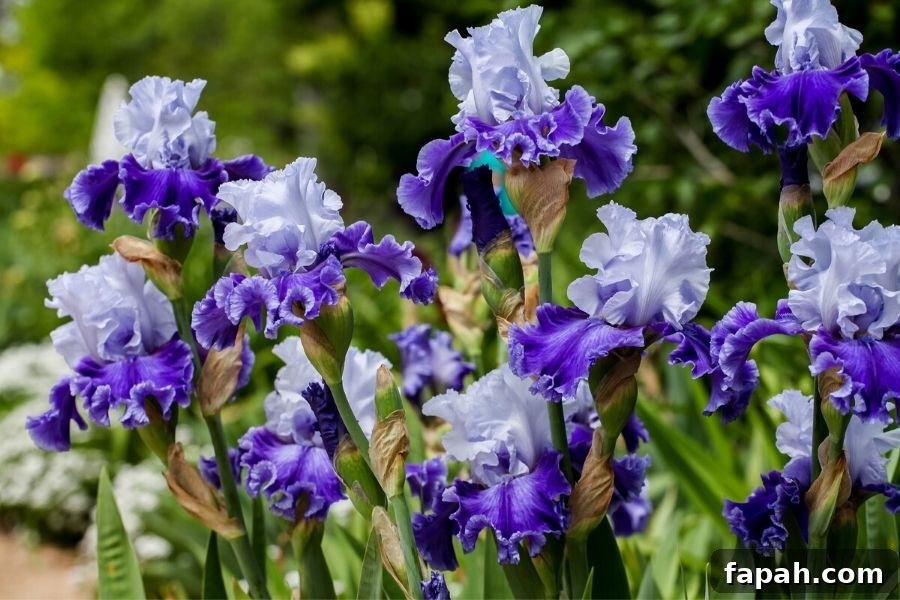
5. Iris
- Blossoms in many colors
- Likes full sun and good drainage
- Grow from seed or rhizomes
A blue iris is mentioned as a substitute for lilies in one memorable scene. Hardy irises were likely common in Avonlea and remain a classic, low-maintenance perennial.
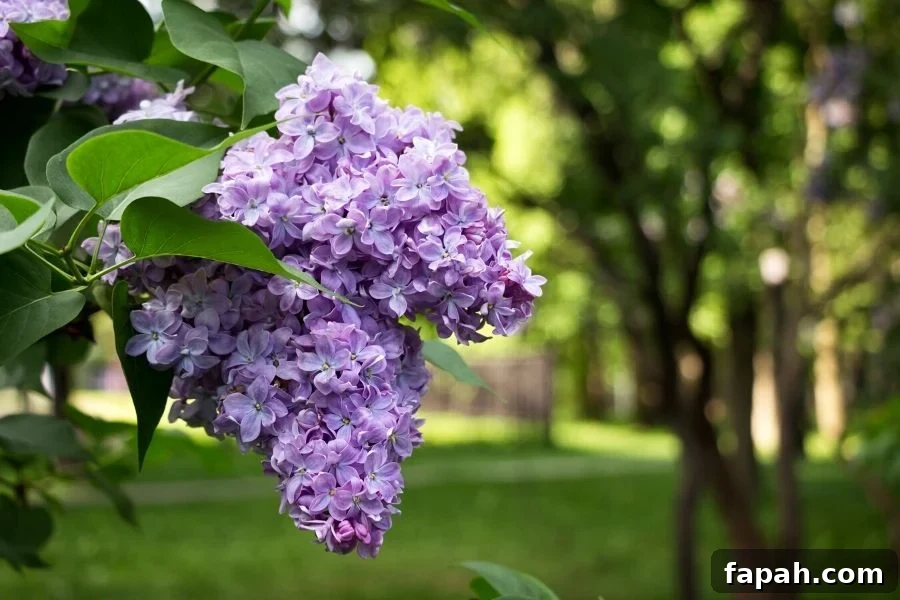
6. Lilac
- Traditionally purple or white
- Full sun preferred
- Grow from cuttings, suckers, or spring shoots
On Anne’s first morning at Green Gables she breathes in the “dizzying sweet fragrance” of purple lilacs. While lilacs can be grown from seed, taking shoots or suckers is a quicker way to establish a mature shrub.
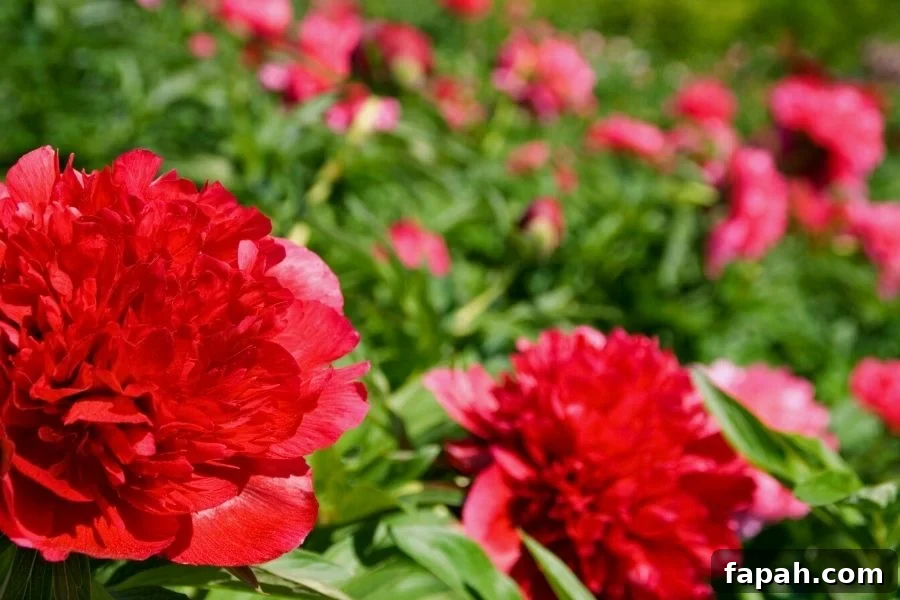
7. Peonies
- Shades of red, pink, and white
- Partial shade to full sun
- Prefer consistent moisture
- Grow from divisions or rooted crowns
Peonies are mentioned several times in the books and were a common feature of traditional cottage gardens. They are long-lived, showy perennials worth dividing every few years to maintain vigor.
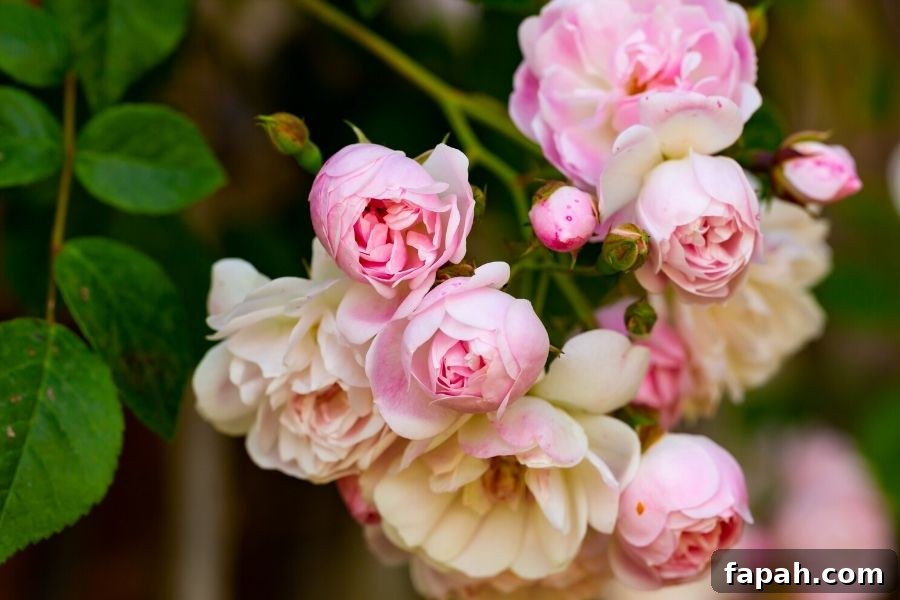
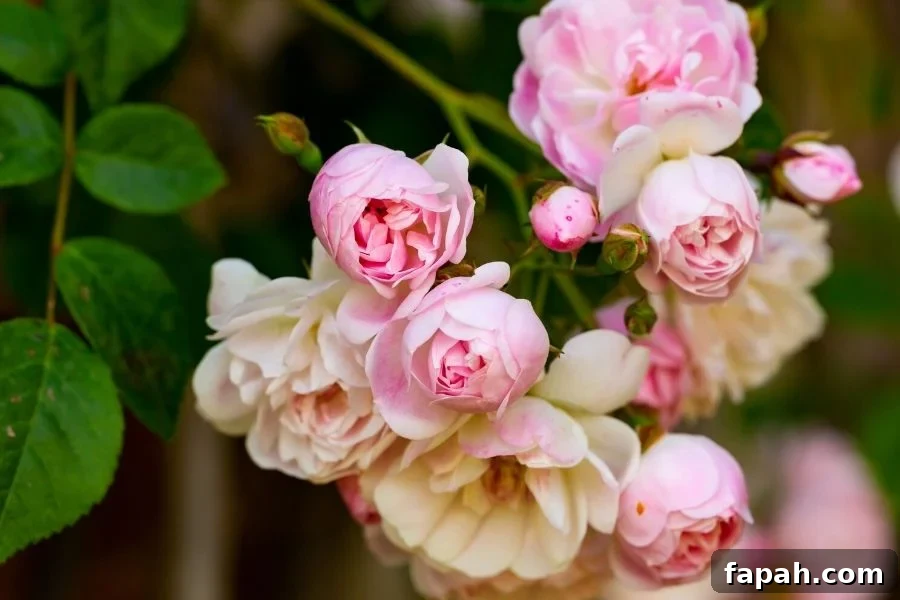
8. Roses
- Classic shades: red, pink, white
- Full sun
- Traditionally grown from cuttings or seeds
Roses appear often in the narrative—garden roses, wild roses, and table decorations. Many old-fashioned varieties root readily from cuttings taken in summer.
9. Narcissus
- Also called daffodil or white June lily
- Partial shade to full sun
- Grow from bulbs or divisions
White narcissus recur as an emblematic spring flower in Anne’s life. Daffodils are hardy, deer-resistant, and easy to naturalize in lawns and borders.
How long has it been since you read Anne of Green Gables?
The series offers more than a fanciful heroine—it’s a vivid picture of rural life, gardens, and household routines from the late 1800s to the early 1900s.
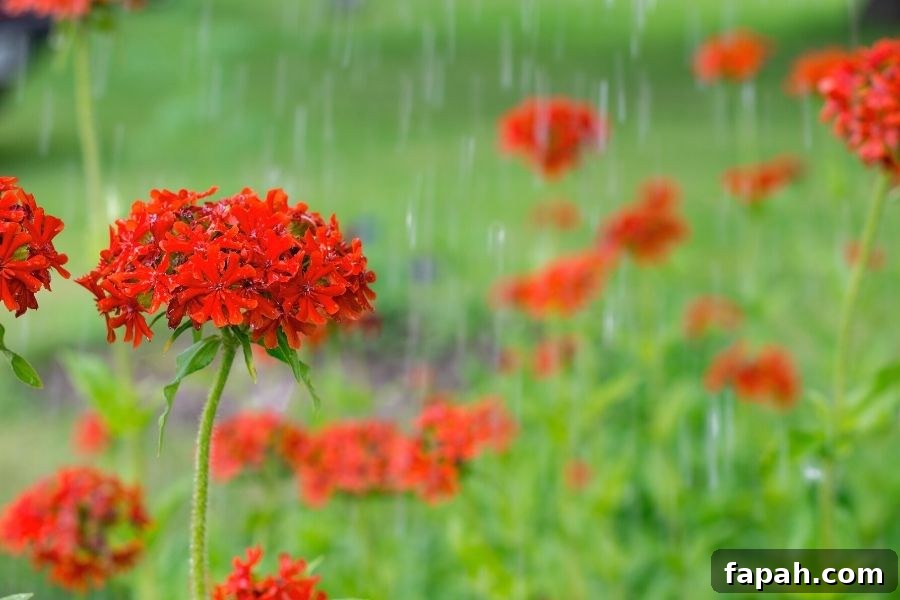
10. Scarlet Lightning
- Also called Nonesuch or Maltese Cross
- Scarlet, red, or orange flowers
- Partial shade; likes moist soil
- Grow from seed or divisions
Scarlet lightning is noted as part of the Barry garden plantings. Its bright clusters add strong color to shaded borders.
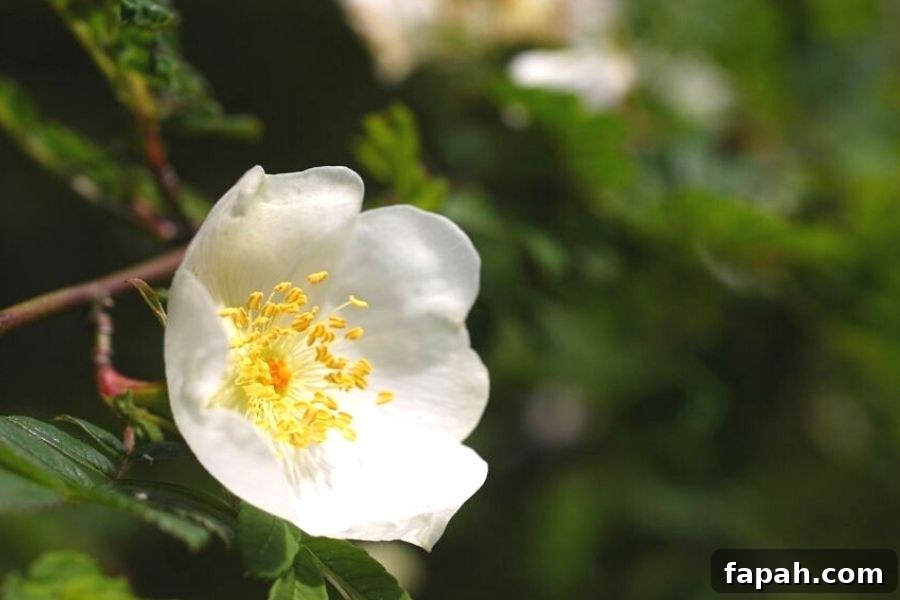
11. Scotch Rose
- Cream-white blooms
- Partial shade to full sun
- Semi-dry soil
- Hardy and thorny; grow from cuttings or suckers
The Scotch Rose carries emotional importance in Anne’s story and is closely associated with Matthew. It’s a hardy, traditional shrub that suits a memorial or boundary planting.
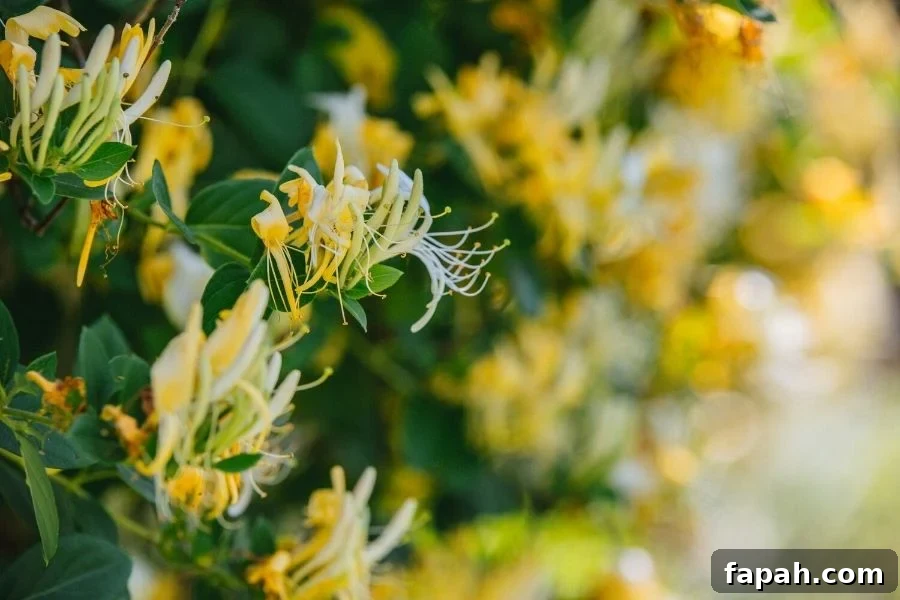
12. Yellow Honeysuckle
- Blossoms in pink, red, white, and yellow
- Partial shade to full sun
- Prefers semi-dry soil
- Propagate from cuttings, root division, or suckers
Yellow honeysuckle appears in poignant scenes after Matthew’s death when Anne adorns her hair with its clusters. It’s a fragrant, versatile vine or shrub for cottage plantings.
Old Fashioned Flowers from Anne of Green Gables
These twelve plants are a starting point—Montgomery’s novels mention many additional wildflowers, shrubs, and trees that enrich the island landscape. If you enjoy historic cottage gardens and heirloom perennials, these varieties will help you recreate the gentle, fragrant charm of Avonlea in your own yard.
If you’d like more suggestions for traditional flowers from the series or practical propagation tips for any of the plants listed here, leave a comment—I’d be happy to share more varieties and growing advice.