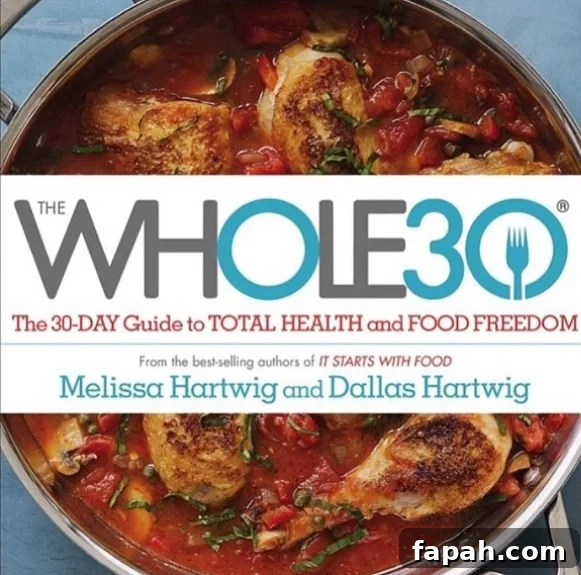
Many people have heard of Whole30 by now—maybe through a friend or family member who tried it and loved the results. Others may not have heard of it at all. If you fall into either group and want to know what Whole30 is, here’s a clear, practical explanation of this 30-day reset and why so many people find it transformative.
What is Whole30?
In short, Whole30 is a thirty-day dietary reset. It gives your body a break from processed foods and common additives found in the standard American diet. The goal is to remove potentially problematic foods for 30 days and then reintroduce them deliberately to learn how they affect your body, mood, digestion and energy.
The program was developed by experienced practitioners who based it on research and practical experience. During a Whole30, participants eliminate grains, dairy, soy, legumes, alcohol and added sugars. The elimination phase lasts 30 days, followed by a careful reintroduction period to observe which foods cause negative reactions.
Throughout the month, you’re encouraged to pay attention to how you feel—physically, mentally and emotionally—and to be mindful about your eating habits. The process is designed to help you understand how your daily food choices influence sleep, energy levels, digestive comfort, skin health and even inflammation or joint pain.
Think back to your typical eating patterns before Whole30: Did you experience energy crashes, intense sugar cravings, poor sleep, digestive upset or frequent snacking out of boredom or stress? Did you rely on fast food, vending machines or convenience snacks more than you’d like to admit? Whole30 aims to identify and correct those patterns by removing common triggers and encouraging whole-food cooking and meal planning.
So what is excluded and what is allowed?
No: added sugar, alcohol, grains (including quinoa), legumes, dairy, MSG, carrageenan, sulfites and processed “paleo-style” desserts.
Yes: whole foods such as meat, eggs, a wide variety of vegetables and fruits, white, red and sweet potatoes, nuts, seeds, healthy fats and seafood.
The program’s framework is supported by numerous personal testimonials and clinical reasoning. People report a range of benefits after completing a Whole30: some see reductions in autoimmune symptoms or chronic pain, others regain steady energy, lessen cravings or experience clearer skin and improved digestion. Many participants also discover a renewed interest in cooking and understanding ingredient labels.
One common outcome is increased awareness of how packaged foods are formulated—how sugar, preservatives and stabilizers appear in everyday items. As you cook more meals from whole ingredients, you often notice how differently you feel when you avoid those additives. That awareness can shape long-term choices and lead to a healthier relationship with food.
Many newcomers wonder whether Whole30 is a weight-loss plan. It can lead to weight loss for some, but that is not the program’s primary purpose. Whole30 is not marketed as a diet for losing pounds and participants are advised not to weigh themselves during the 30 days. The focus is on improving overall health, tuning into your body’s signals and learning which foods support your best functioning.
At its core, Whole30—created by Melissa and Dallas Hartwig—is about expanding self-awareness around food. You may discover, for example, that certain grains make you sluggish, dairy causes bloating or acne, or sweets leave you irritable and hungry shortly after eating. Experiencing these effects firsthand provides practical data you can use to make better choices after the program ends.
The lessons from a Whole30 are often lasting. Because the program does not rely on counting calories or tracking every bite, many people find its approach more sustainable than other structured diets. Instead of focusing on restrictions forever, Whole30 encourages informed decisions based on how foods actually make you feel.
That said, Whole30 does require additional effort. Meal planning, grocery shopping and cooking from scratch take time and organization, and that can be a barrier for busy people. It’s worth asking when was the last time you invested real effort into improving your long-term health. Thirty days of focused attention can be manageable, and many resources exist to help with meal ideas and practical tips for fitting Whole30 into a busy schedule.
Get the Books
The Whole30 creators have made the core information widely available so you can start without buying anything. If you prefer a structured guide with recipes, science-backed explanations and step-by-step advice, several books provide comprehensive support:
Whole30 – a thorough how-to guide that explains the program’s steps, stages and practical tips. It includes recipes and answers to common questions to help you navigate the full thirty days.
The Whole30 Cookbook – a collection of fresh, creative recipes and meal ideas for anyone doing their first Whole30 or those looking for variety on subsequent rounds. The cookbook features recipes contributed by people who have incorporated Whole30 into their lifestyles.
It Starts With Food – an exploration of the reasons behind Whole30 that explains the science of different food groups and how they affect the body. This book is useful if you want a deeper understanding of why the program works and how foods impact health at a physiological level.
Food Freedom Forever – a guide for transitioning out of the elimination phase and building a sustainable, balanced relationship with food. It offers strategies for maintaining results without returning to harmful habits or cycles of restrictive dieting.
Overall, completing a Whole30 often leaves people thinking and feeling differently about food and health. The intent of the program is to shift focus from a number on the scale to meaningful improvements in wellbeing, reduce reliance on processed foods and learn to select foods that support your body’s best function. With preparation and intention, these thirty days can reveal important insights and help you create lasting, healthier habits.
Have you tried a Whole30? Share your experience and what you learned about your body and eating habits.
This post mentions books and resources the author finds useful. Any purchase decisions are yours, and the information here is meant to help you consider whether a structured 30-day reset aligns with your health goals.