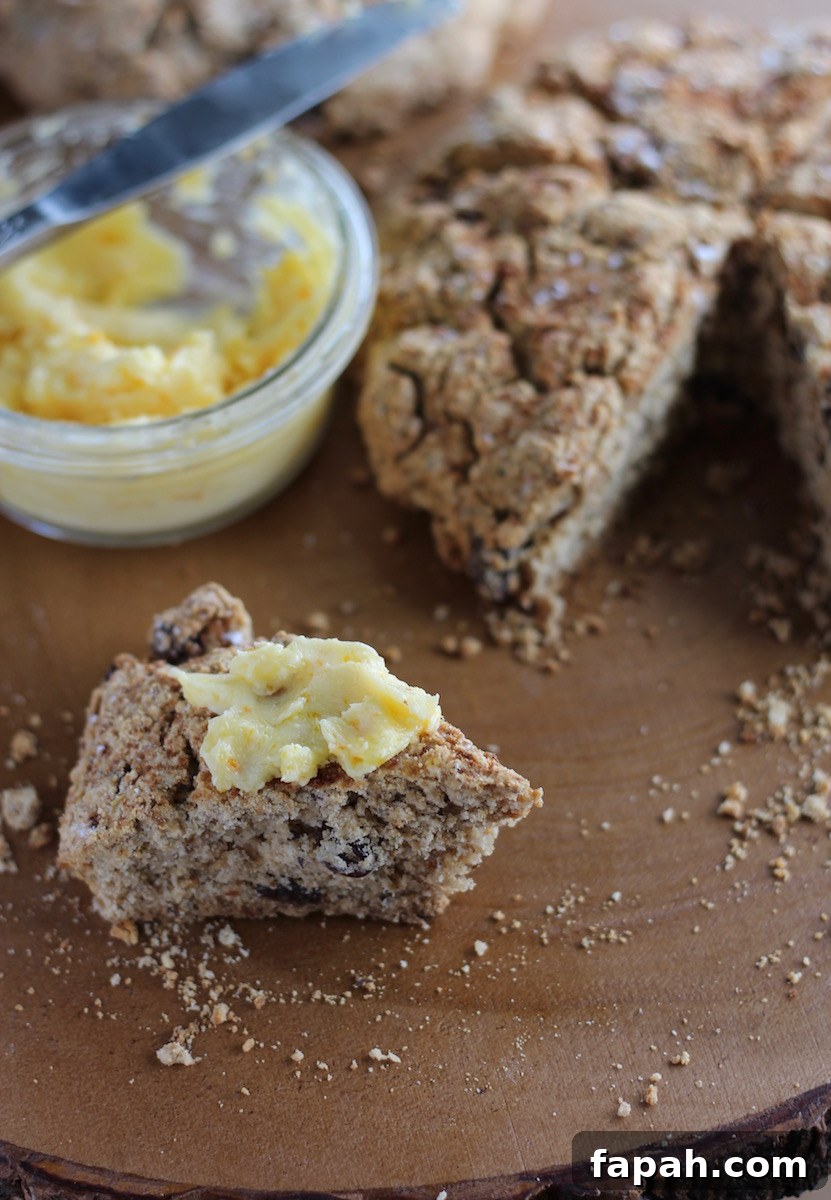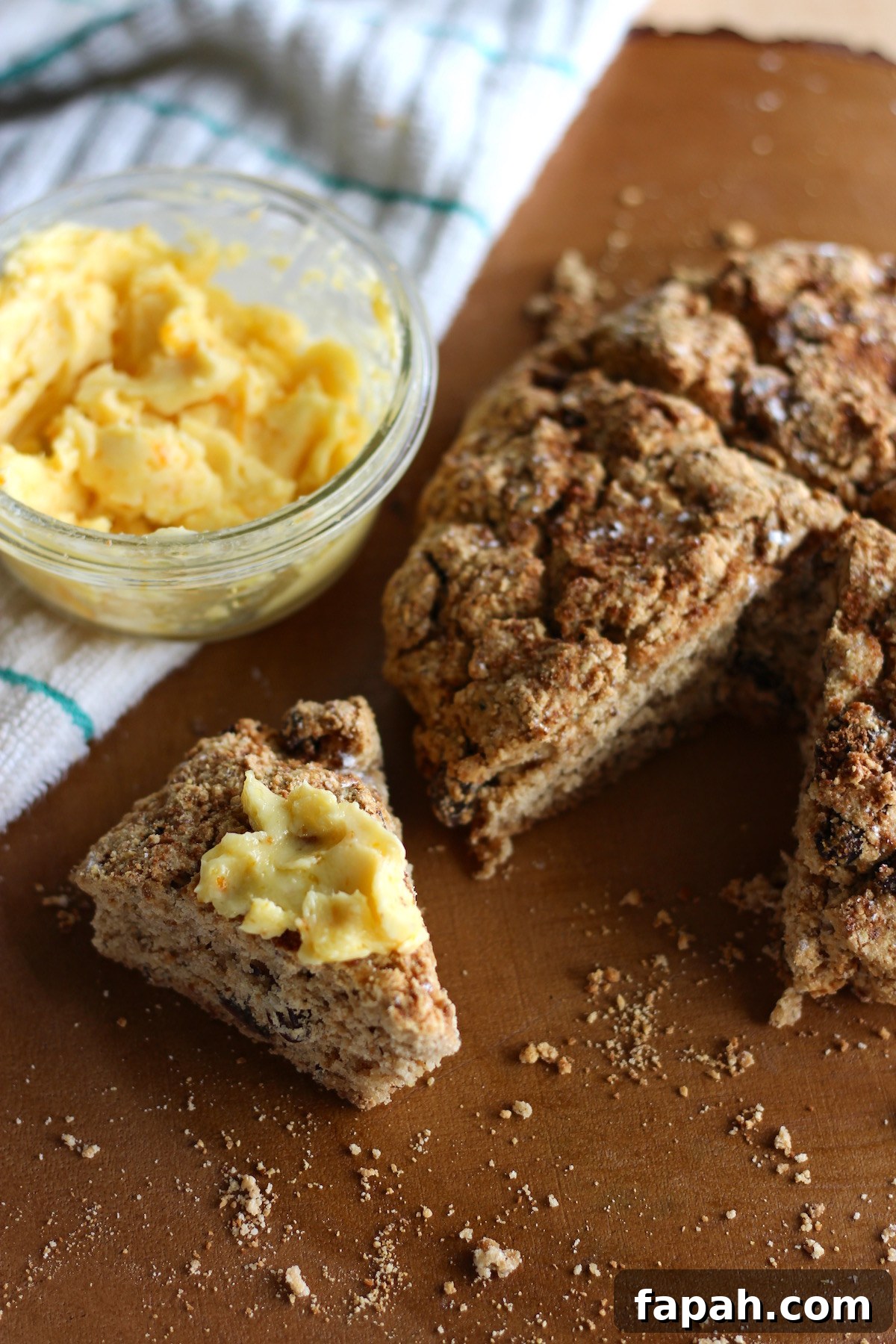
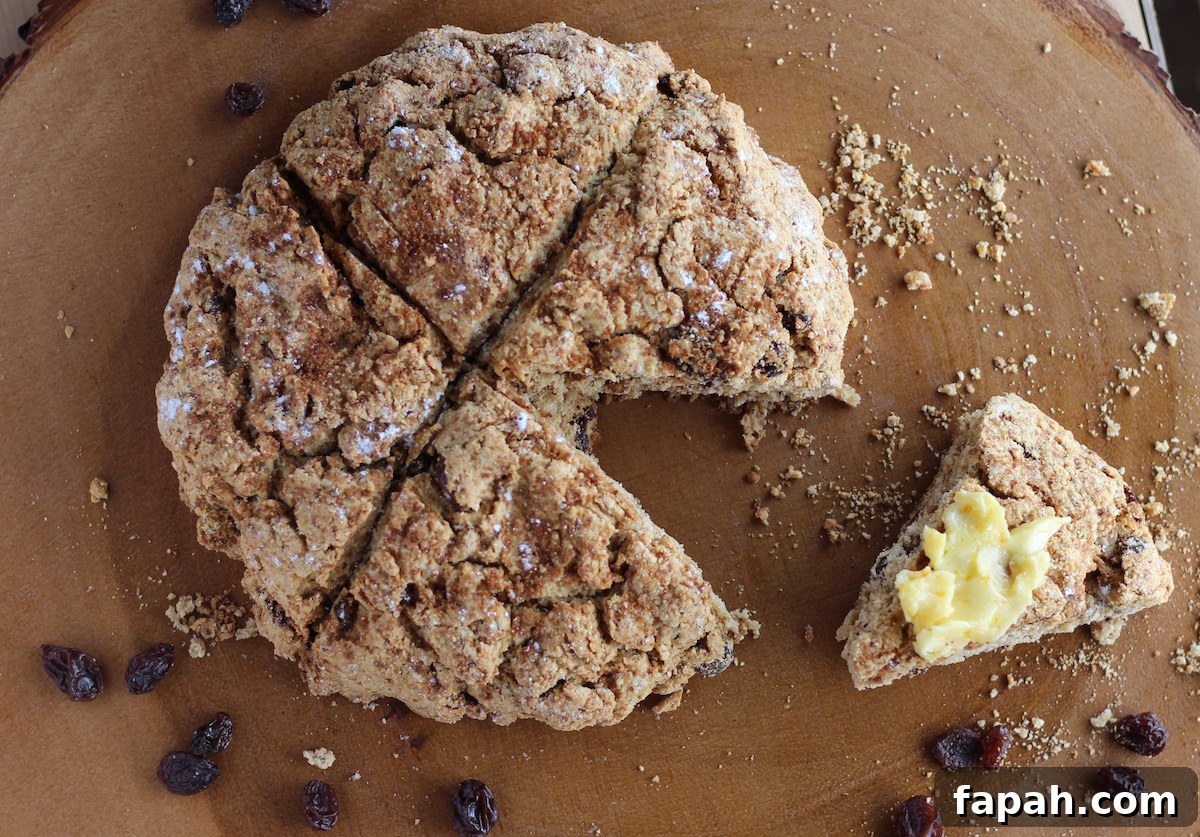
 This Irish soda bread is seriously delicious.
I tested this recipe several times until it felt just right.
I wanted a Paleo version that was also nut-free, so friends who avoid tree nuts could enjoy it. Almond flour is common in Paleo baking, but I experimented with coconut and tapioca flours to create a loaf that feels special for St. Patrick’s Day.
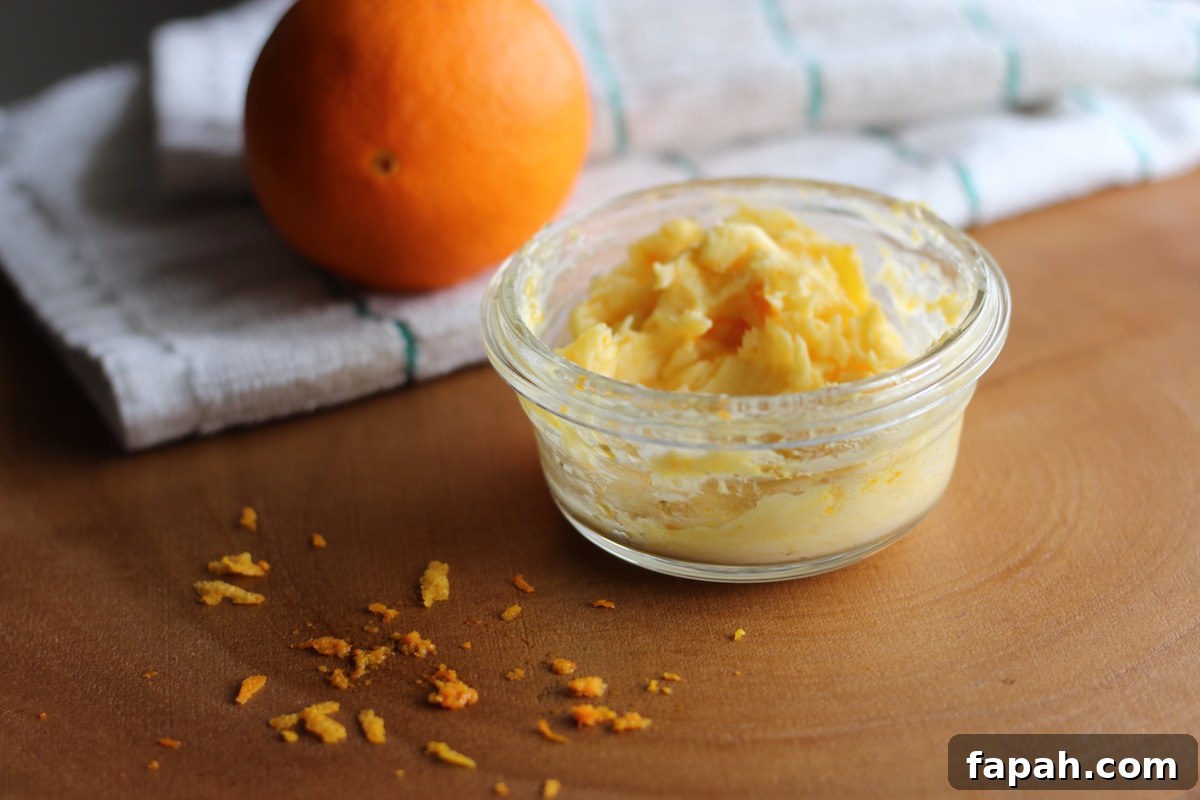
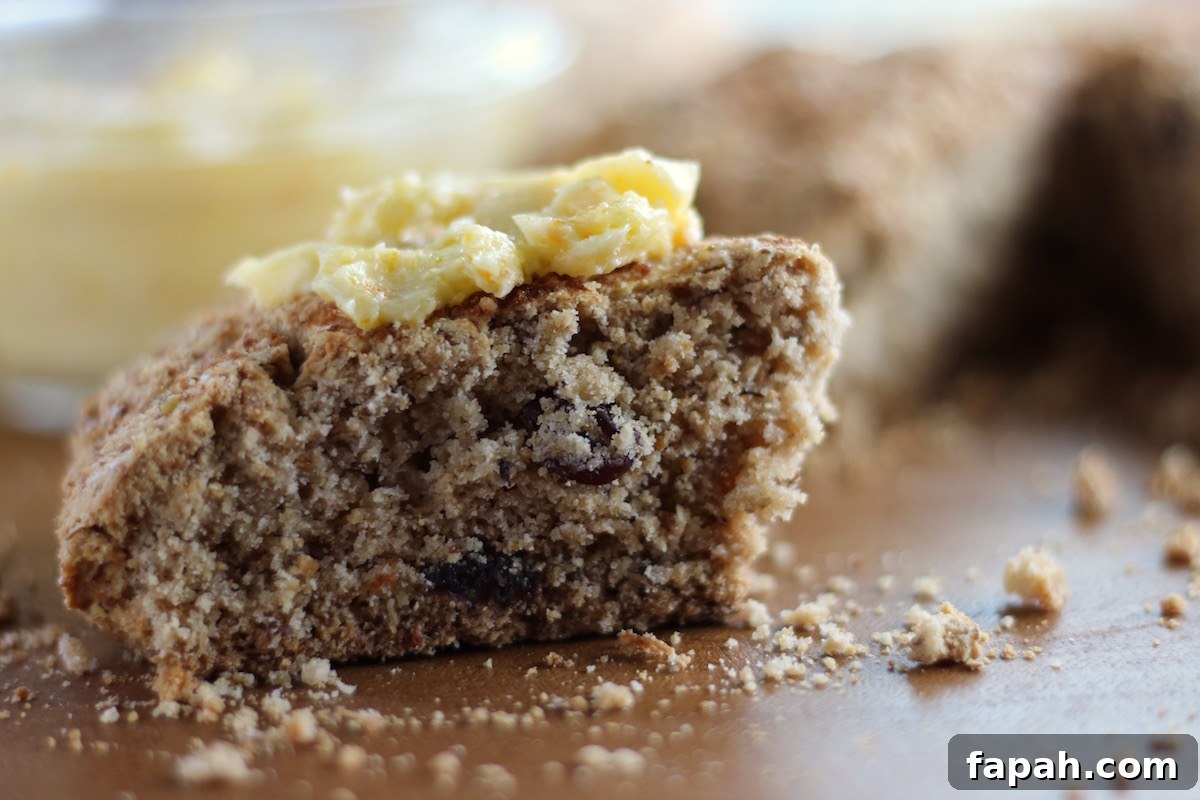
I don’t usually put butter on bread, but Irish soda bread is an exception. I made a simple Orange Honey Butter and the flavor pairing was outstanding.
Why persist with so many trials?
There’s nostalgia tied to Irish soda bread that takes me back to baking with my mom. We aren’t Irish, but we’re bread lovers. For us, St. Patrick’s Day was a good excuse to make a sweet, raisin-studded soda loaf, brush it with butter while it baked, and slather more on when we sliced it. We ate it alongside soup, with coffee as dessert, and the leftovers became breakfast the next day.
Irish soda bread also reminds me of college days and favorite meals out—especially a restaurant that served a memorable loaf with butter. Years later, after a celiac diagnosis and a move to grain-free living, I thought I’d given up soda bread. Discovering Paleo flours gave me hope that I could recreate that comfort.
 That day arrived.
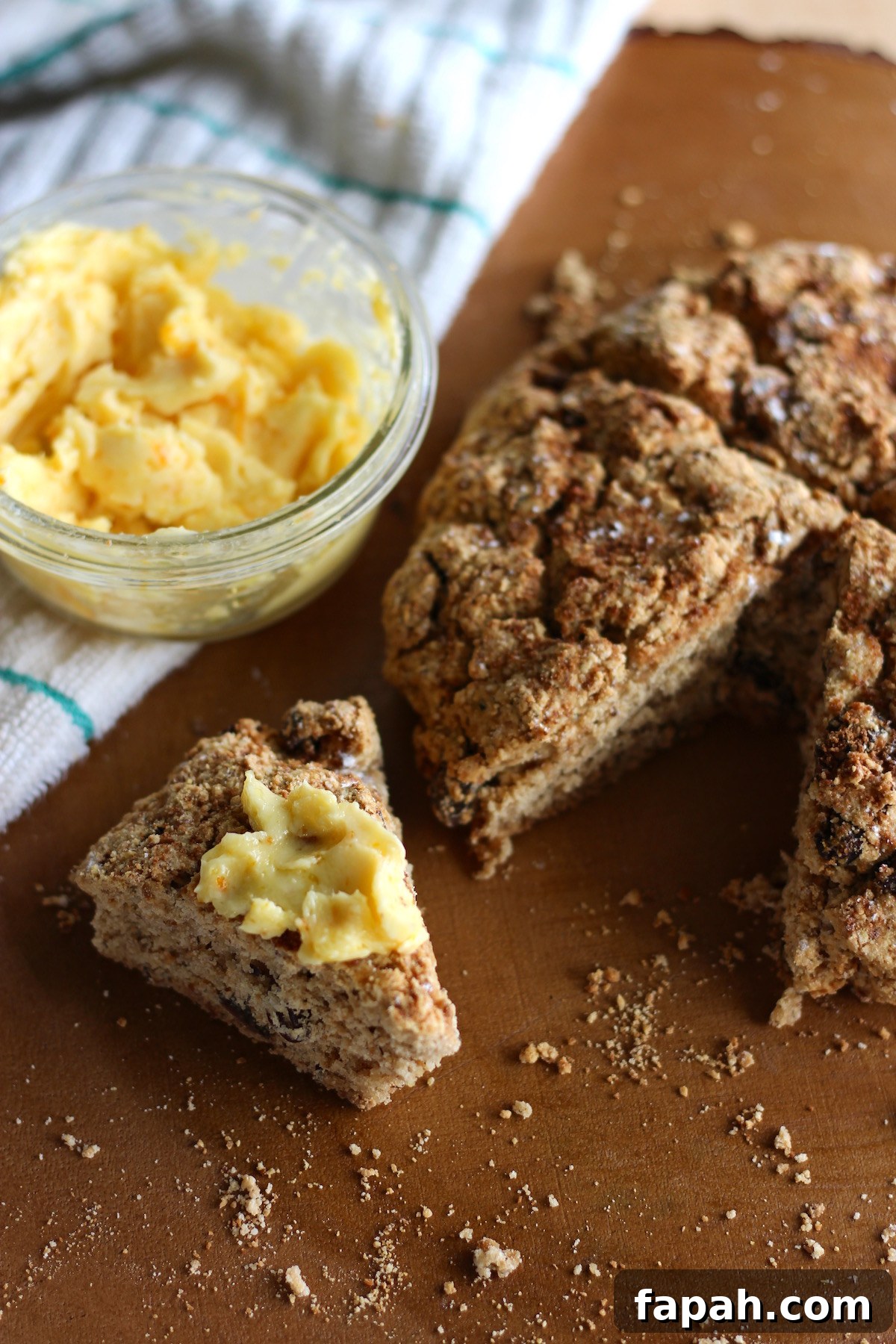
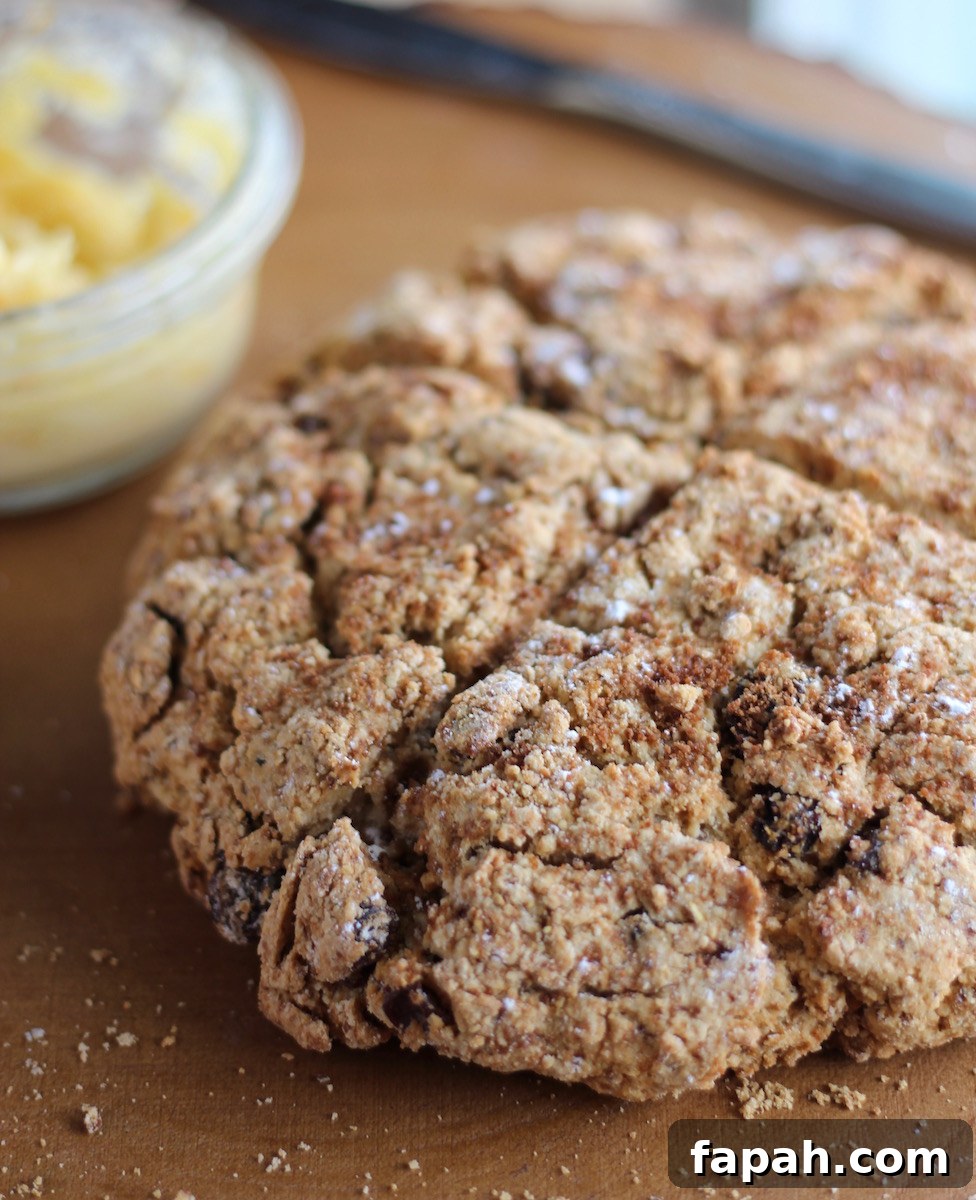
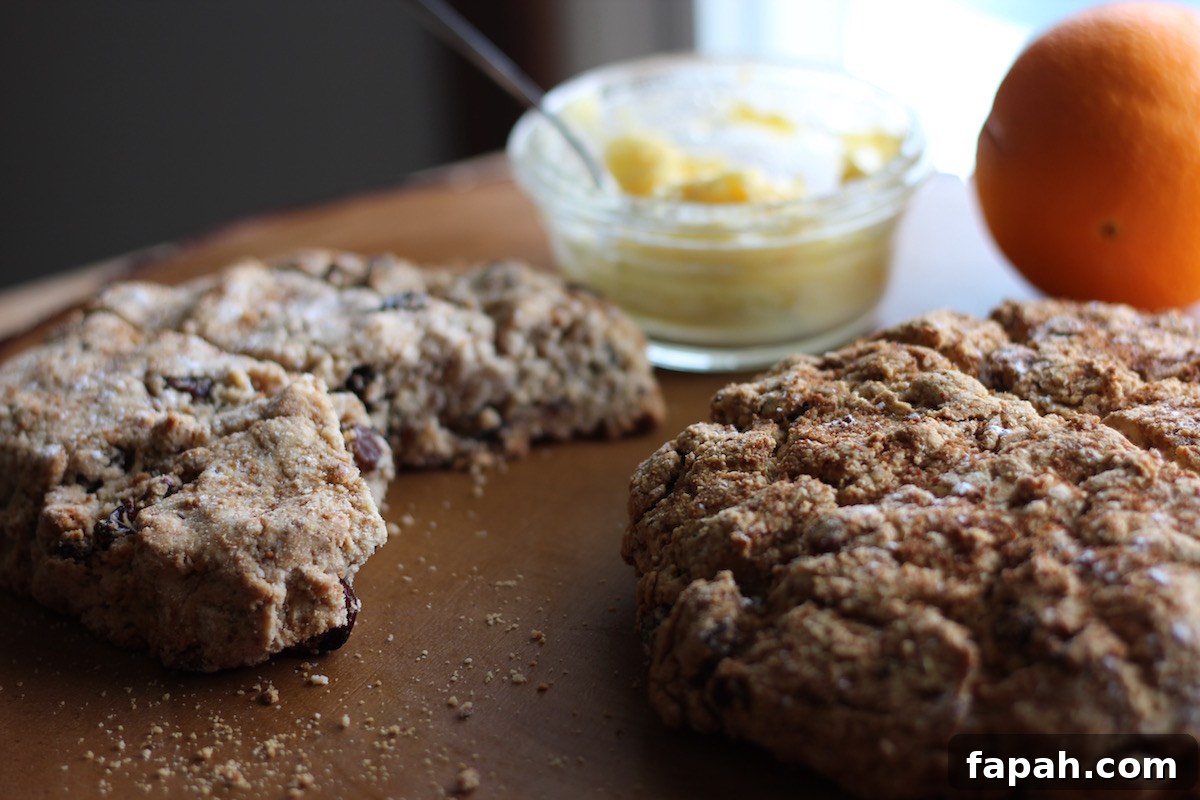
Traditional Irish soda bread is four ingredients—flour, buttermilk, baking soda, and salt. This recipe is an Americanized, Paleo adaptation using coconut and tapioca flours, an egg, flax (optional for AIP), coconut sugar, raisins, and butter. If you avoid dairy, coconut oil can be used in place of butter; the texture will be a bit lighter and less crisp but still tasty. Both versions are shown in the photos.
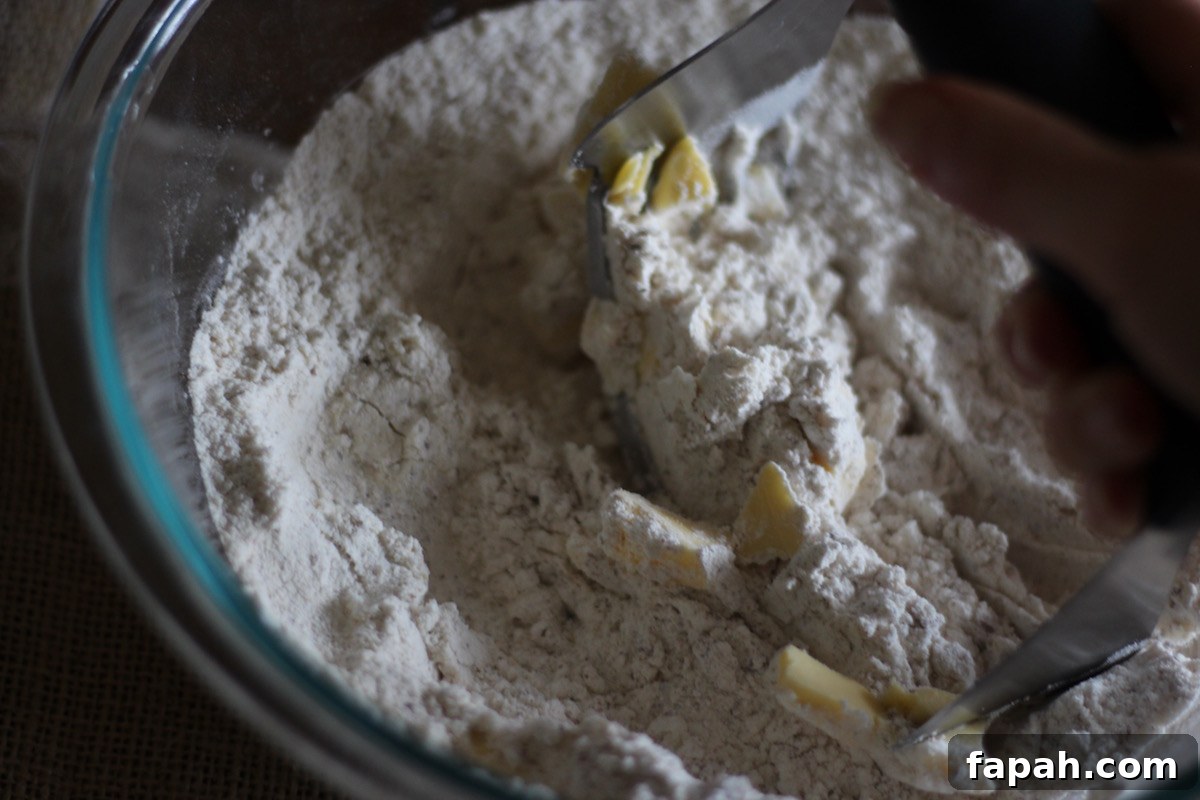
The method is simple: preheat a cast iron skillet, prepare a coconut-cream “buttermilk,” and make a biscuit-like dough. Scoop the thick cream from a can of full-fat coconut milk and mix it with apple cider vinegar to form your dairy-free buttermilk. Cut cold butter or solid coconut oil into the dry ingredients until the mixture resembles coarse crumbs, then stir in raisins.
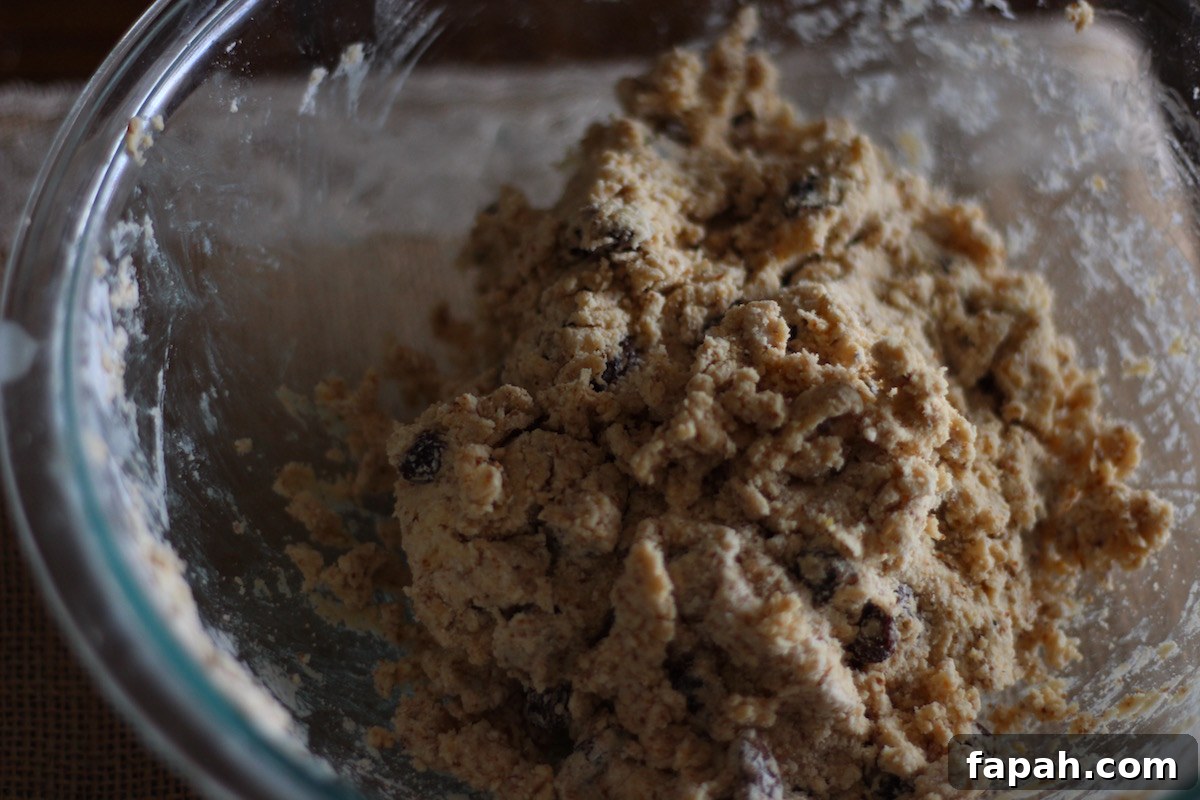
After incorporating the fat and raisins, add the coconut cream mixture and a beaten egg. Start with about 1/2 cup of the coconut cream mixture and add a spoonful more if needed; you want a crumbly dough that can hold together. The acid in the coconut “buttermilk” reacts with the baking soda to help the loaf rise, augmented by the egg and cream of tartar.
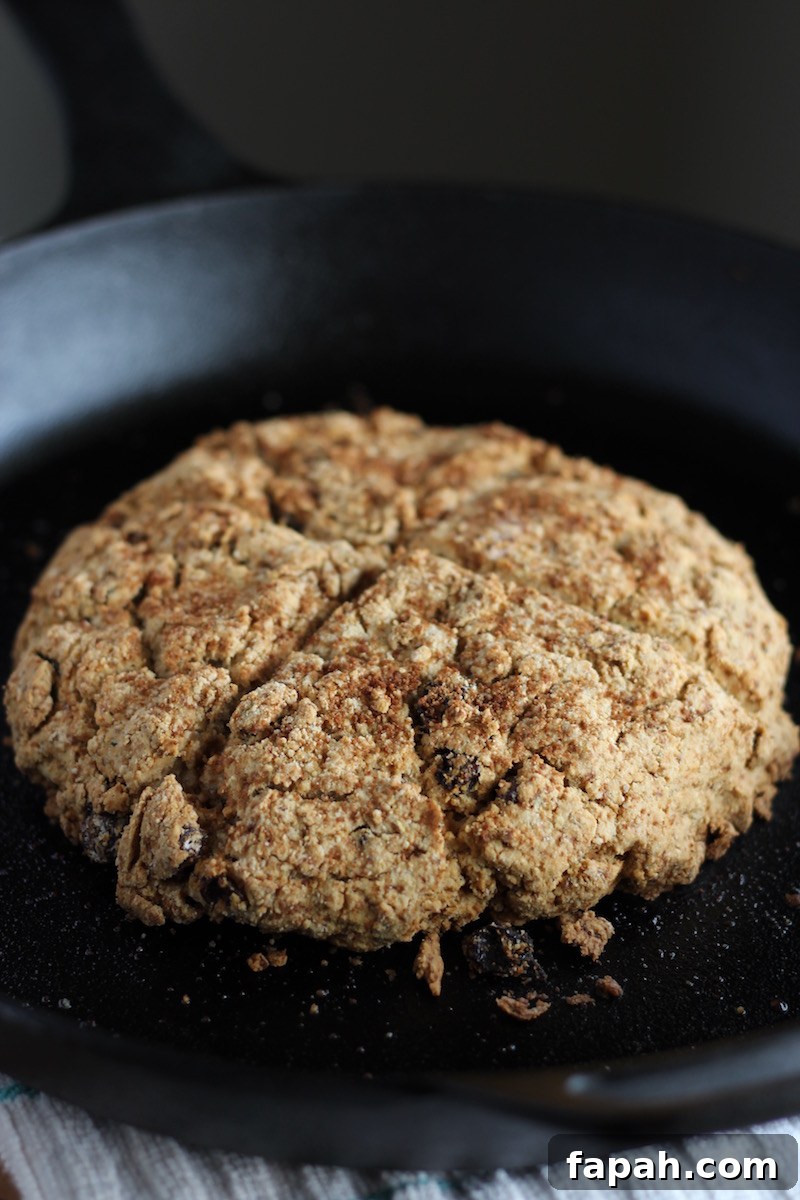
Shape the dough into a round loaf, place it in the greased preheated skillet, and cut the signature “X” across the top. Sprinkle with a little sugar and bake until the loaf is firm and a toothpick comes out clean.
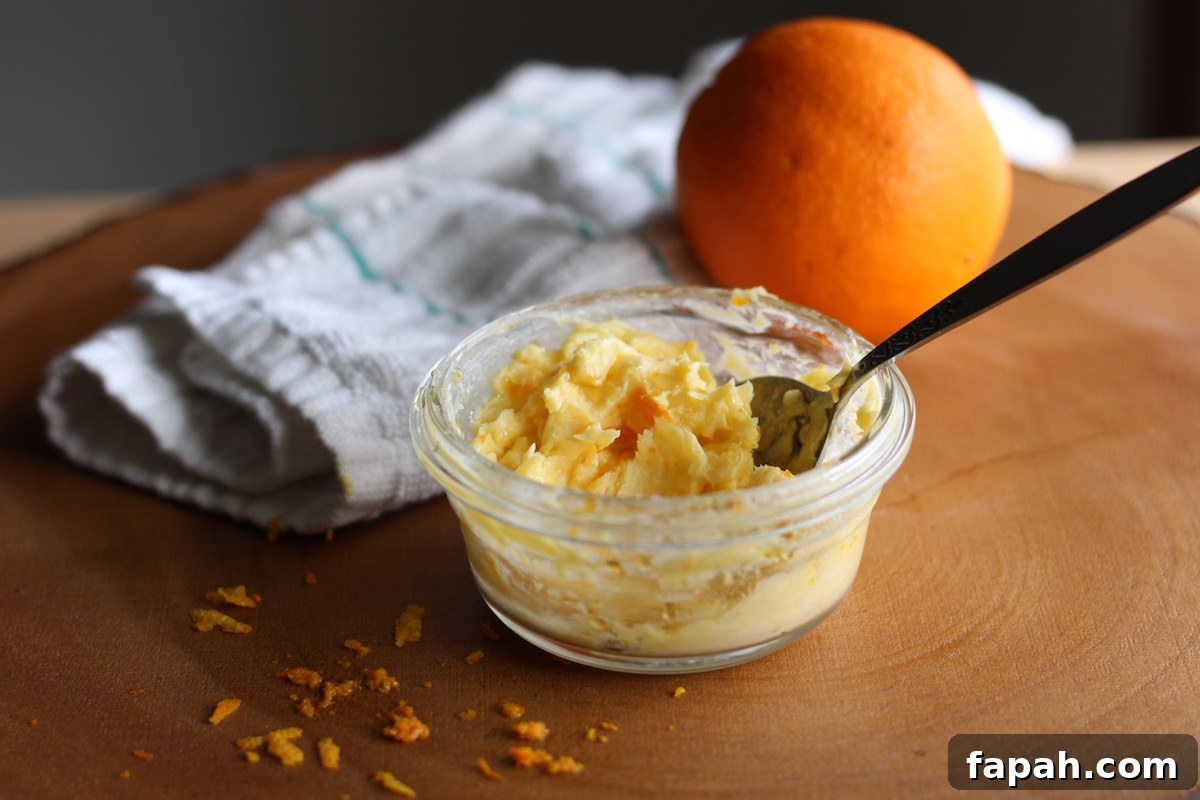
The bread is delicious on its own, but Orange Honey Butter elevates it. Whip softened butter until light and fluffy, then fold in orange zest and honey for a bright, sweet compound butter that complements the loaf perfectly.
While you enjoy St. Patrick’s Day favorites, don’t forget to slice a thick piece of this Paleo Irish Soda Bread and spread it with Orange Honey Butter. Have a happy St. Patrick’s Day and may the luck of the Irish be with you!
- BREAD:
- 1 cup tapioca starch
- 1/2 cup coconut flour
- 1/4 cup coconut sugar, plus extra for sprinkling
- 1 tablespoon + 1 teaspoon flax seed meal (omit for AIP)
- 1 teaspoon baking soda
- 1/2 teaspoon cream of tartar
- 4 tablespoons grass-fed butter or coconut oil (use coconut oil for AIP)
- 1/2 cup raisins
- 1 can full-fat canned coconut milk (cream only)
- 1/2 tablespoon apple cider vinegar
- 1 egg (substitute 1 gelatin egg for AIP—see notes)
- ORANGE HONEY BUTTER: (omit for AIP)
- 4 tablespoons grass-fed butter, softened
- 1 tablespoon honey
- 1/2 teaspoon orange zest
- Preheat oven to 400°F. Place an ungreased cast iron skillet or baking sheet in the oven to preheat.
- Open a can of full-fat coconut milk and scoop out the cream, leaving the liquid behind. Place the cream in a small bowl and stir in the apple cider vinegar. Let sit 5 minutes.
- Remove the preheated pan and grease with butter or coconut oil. Set aside while you mix the dough.
- In a medium bowl, whisk the flours, coconut sugar, flax (if using), baking soda, and cream of tartar. Cut in cold butter or coconut oil with a pastry cutter until the mixture resembles coarse pebbles. Stir in the raisins.
- Whisk the egg in a small bowl. Add 1/2 cup of the coconut cream-vinegar mixture to the egg and whisk to combine. For AIP, add the coconut mixture to the dry ingredients first, then incorporate the prepared gelatin egg as directed in notes.
- Pour the wet ingredients into the dry and mix gently until incorporated. The dough should be crumbly but hold together; use hands if needed. If too dry, add a little more of the coconut cream mixture.
- Form the dough into a round, slightly flattened loaf and place on the greased skillet or baking sheet.
- Cut a deep “X” across the top, about halfway through the dough.
- Sprinkle the top with coconut sugar.
- Bake 30–35 minutes, until a toothpick inserted in the center comes out clean and the loaf feels firm.
- Cool 10–15 minutes before slicing.
- Serve plain or with Orange Honey Butter. Store wrapped; best when fresh but keeps a few days.
- Whip softened butter until light and fluffy.
- Stir in orange zest and honey until evenly combined.
- Serve on slices of warm soda bread or other baked goods.