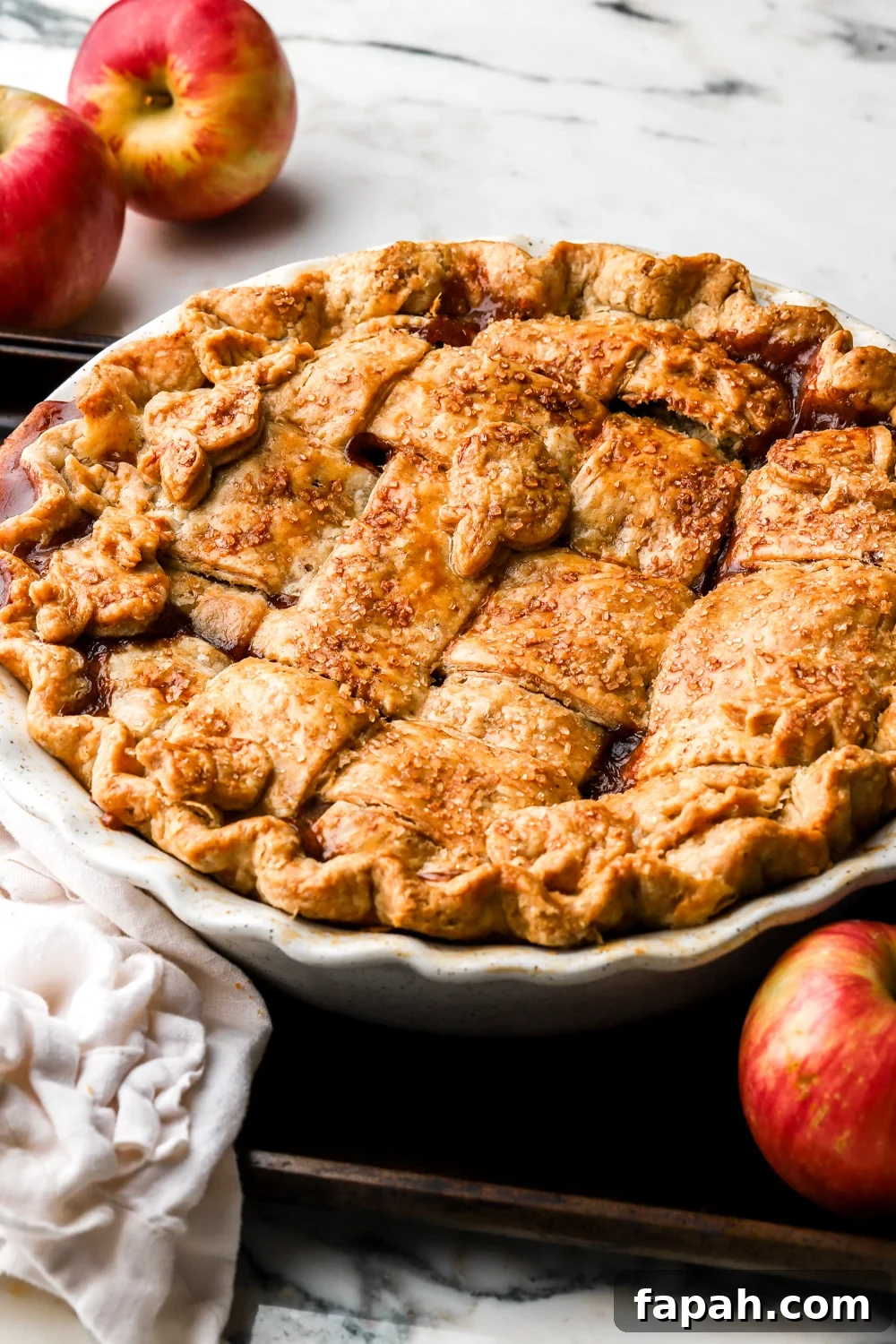
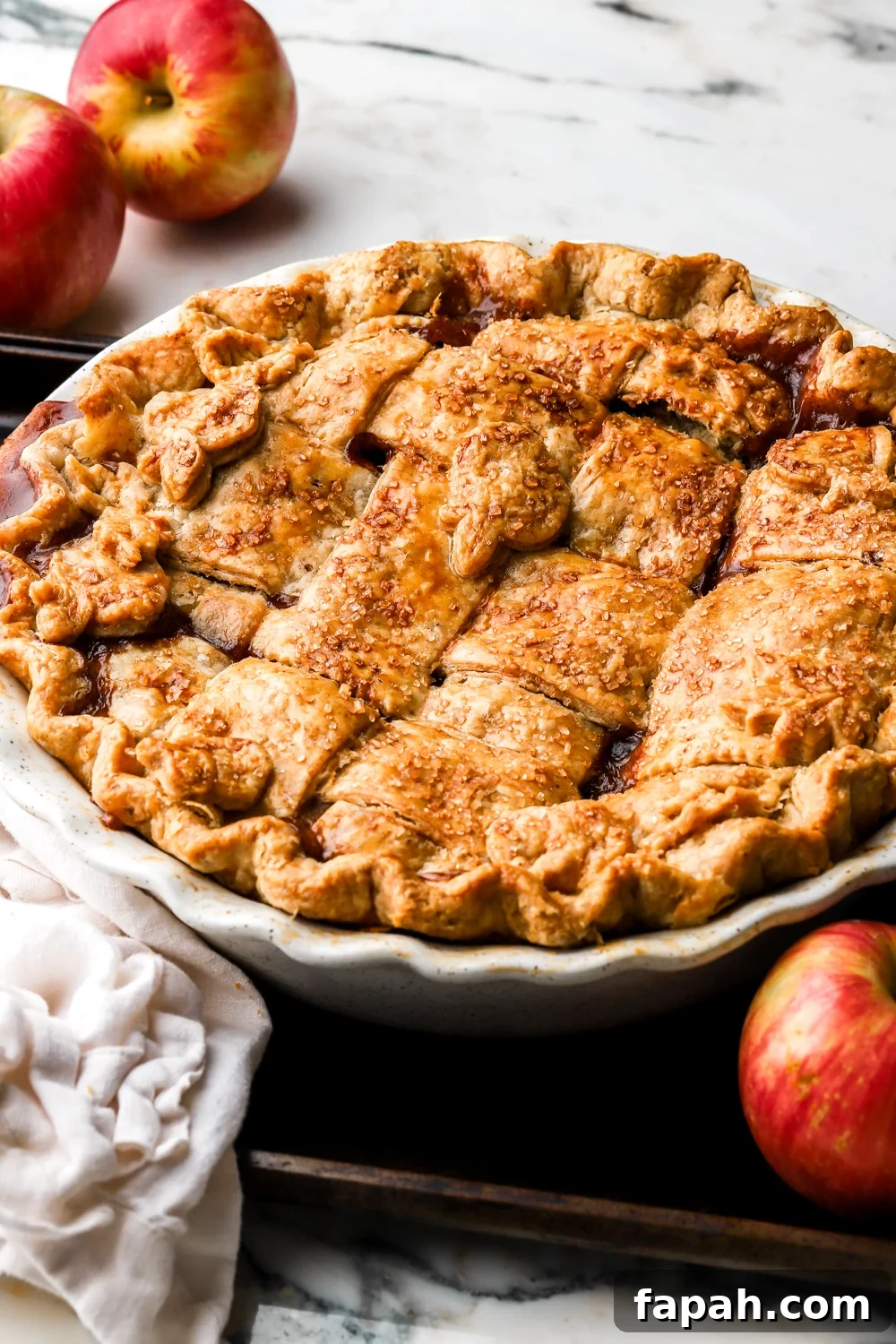
There’s nothing like a classic apple pie: spiced, tender apples glazed with a reduced apple caramel, baked in a buttery, flaky crust and finished with vanilla ice cream.
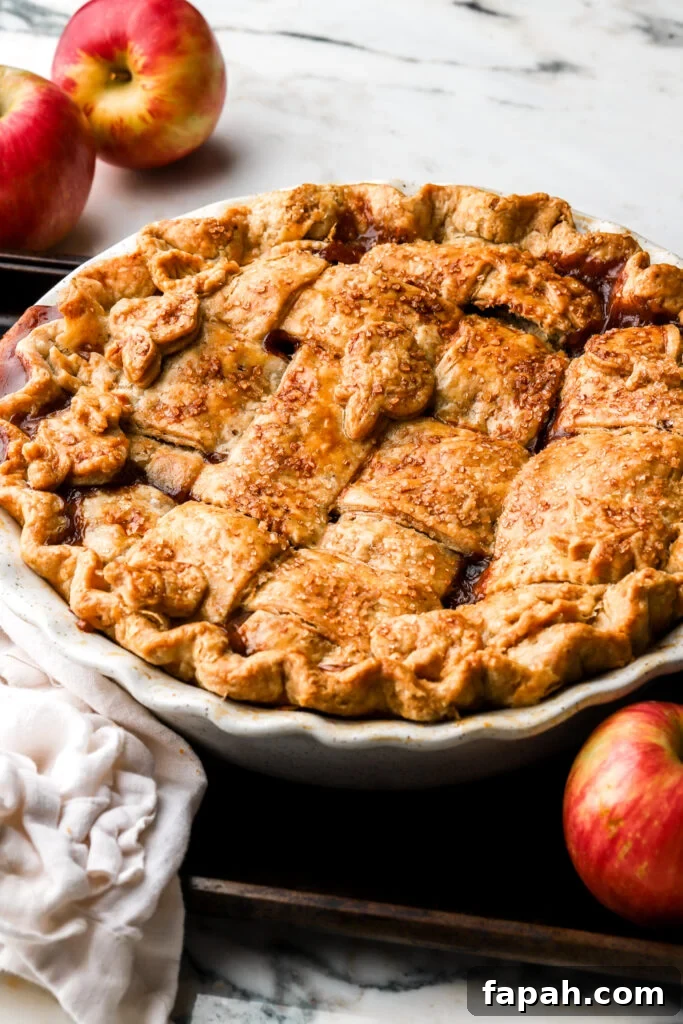
There are countless apple pie recipes, since it’s such a beloved classic. I’ve shared variations before — Momma’s Apple Pie, an apple pie made with puff pastry, and a dutch apple pie — but today I’m sharing my perfected traditional apple pie. I tested many versions to get the texture and filling just right. This method is a bit more involved than my dutch or puff pastry versions, but it yields a taller pie with a crisp bottom crust. If you prefer a simpler approach, those other versions can be made in a full pie crust too.
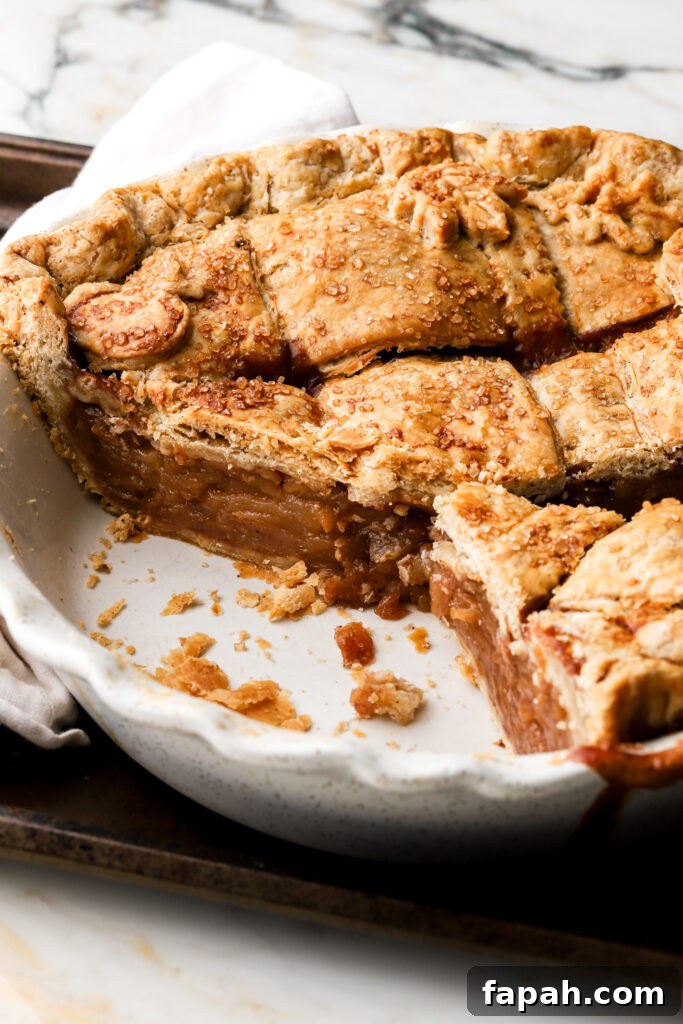
This recipe focuses on preventing soggy crust by briefly heating the apples, reducing their juices to a syrup, and then finishing the pie with a flaky, all-butter crust. It’s a great make-ahead dessert and keeps well as leftovers.
Why You’ll Love this Apple Pie Recipe
- No soggy crust: the apples are heated briefly to release juices, then those juices are reduced to a syrup so the filling is flavorful but not runny.
- Excellent make-ahead dessert — it needs time to cool and set before serving.
- Great leftover — flavors develop and slices hold up well after refrigeration.
- Adjustable sweetness: make it more or less sweet to suit your preference.
Ingredients
- Apples: I used 5 lbs for a hefty, full pie — apples shrink when cooked. I prefer mostly Granny Smith with some Honeycrisp for balance: bright acidity with some sweetness and good texture.
- Cornstarch: Thickens the juices so the filling becomes saucy, not watery.
- Sugar: I like light brown sugar or a mix of granulated and brown sugar. This pie leans slightly tart to pair with vanilla ice cream; increase sugar or use all Honeycrisp if you prefer a sweeter pie.
- Lemon: Toss apples with lemon juice to prevent browning and to brighten the flavor.
- Salt: A pinch of fine sea salt enhances flavor; reduce the amount if using table salt.
- Spices: Ground cinnamon and a touch of nutmeg are all you need for classic apple pie flavor.
- Butter: I use all-butter pie crusts. Salted or unsalted is fine (add a pinch of salt if using unsalted). Browning some butter for the crust is optional and adds depth — if you brown butter, measure the final weight after browning.
- Flour: All-purpose works well. If possible, weigh flour for accuracy — a digital scale helps avoid over-measuring.
- Ice-cold water: Keep water very cold for the crust.
- Alcohol (optional): Replacing 1–2 tbsp of water with a spirit (whiskey recommended) can yield a flakier crust because alcohol limits gluten development. It won’t affect flavor at this small amount.
Step-by-Step Instructions
The Pie Crust
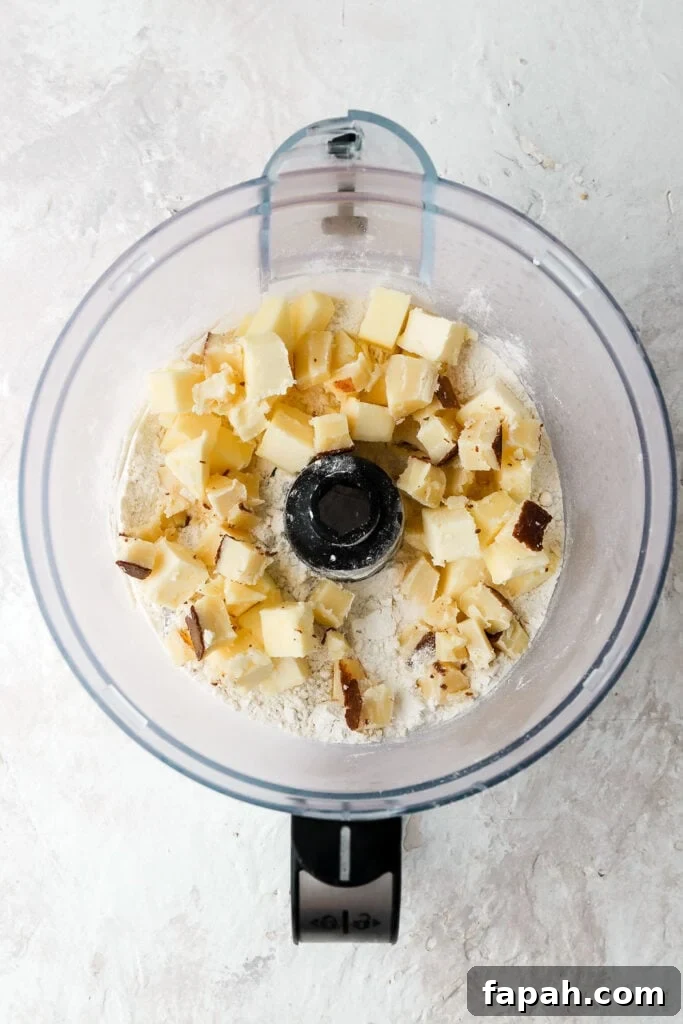
Step 1: Cube cold butter and return it to the fridge. Measure flour and chill it. Measure water (and optional alcohol) and chill in the freezer for 10–15 minutes.
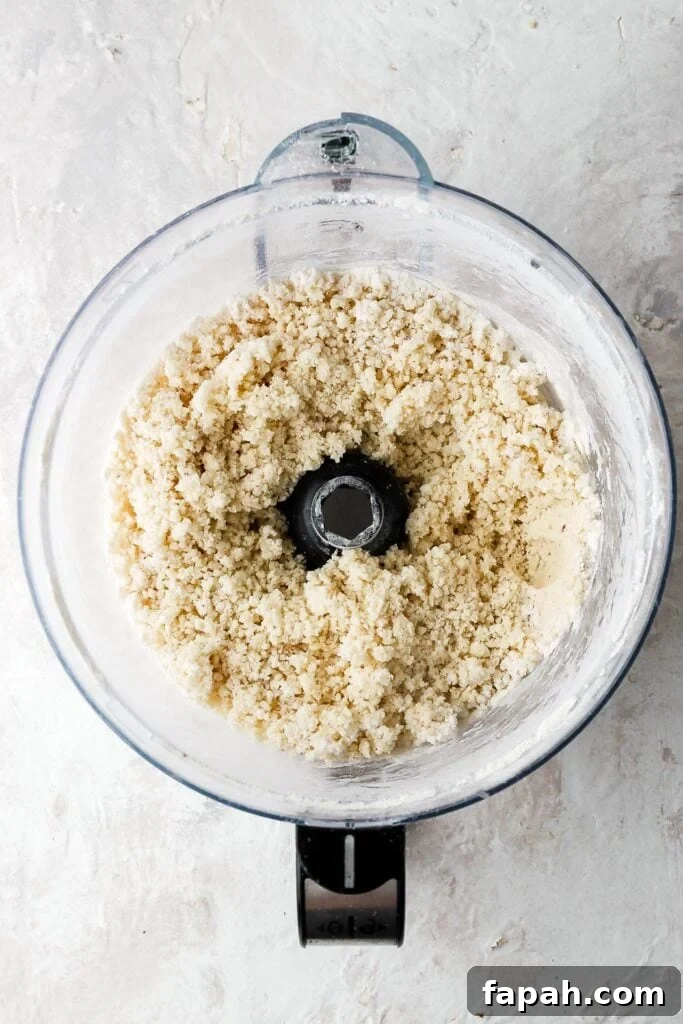
Step 2: Place flour in a food processor, add cubed butter, and pulse until the mixture resembles small crumbs.
Step 3: With the processor running, drizzle in the cold water and alcohol mixture gradually until the dough just starts to come together. The dough should be crumbly but hold when pressed.
Step 4: Turn the mixture onto the counter and gently press and fold until it forms a cohesive dough with visible butter pieces. Don’t overwork; if there are dry spots, add a drop of water as needed.
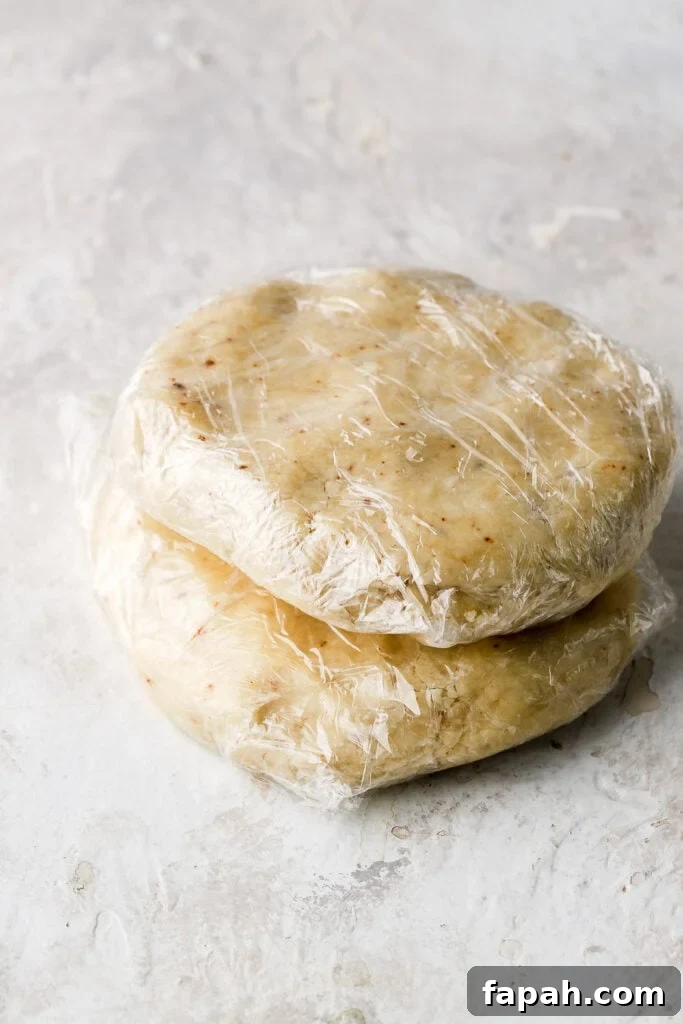
Step 5: Divide the dough into two discs, wrap in plastic, and refrigerate for 1–2 hours.
Apple Filling
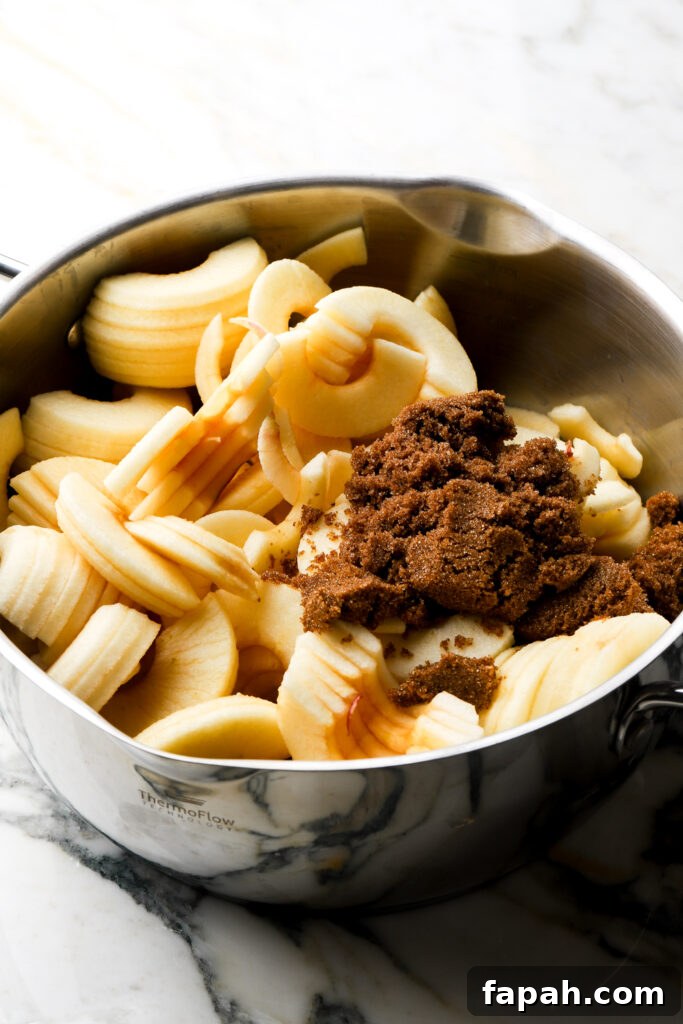
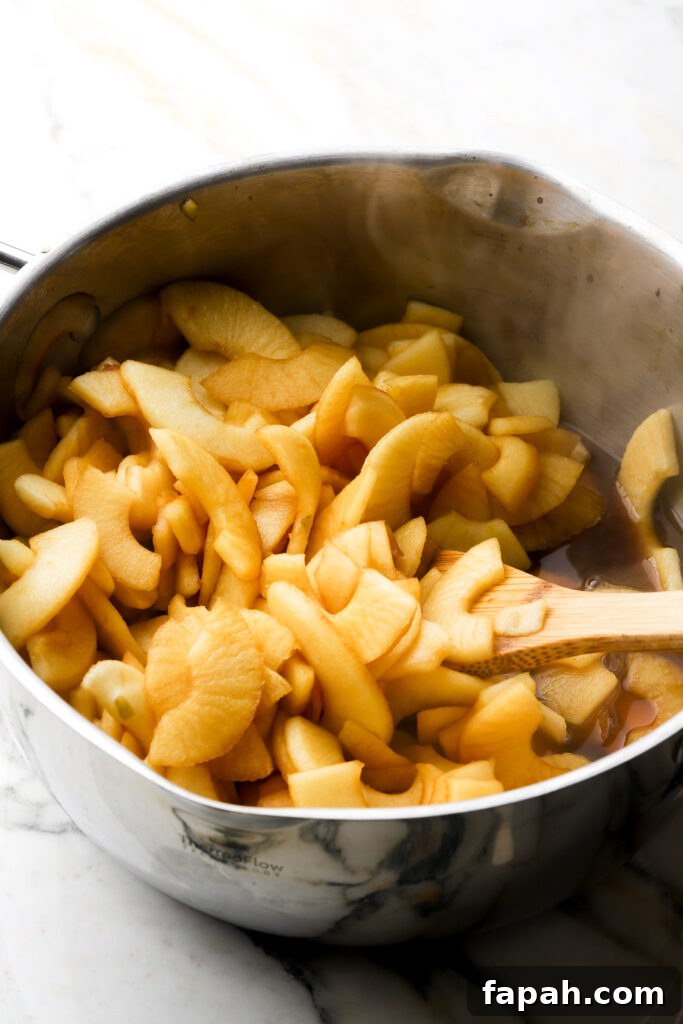
Step 1: Peel, core and slice apples. Toss with lemon juice and sugar in a large pot, warm over medium heat for about 5 minutes until sugar dissolves and apples release some juice. Do not cook until soft — keep apples firm so they hold shape after baking.
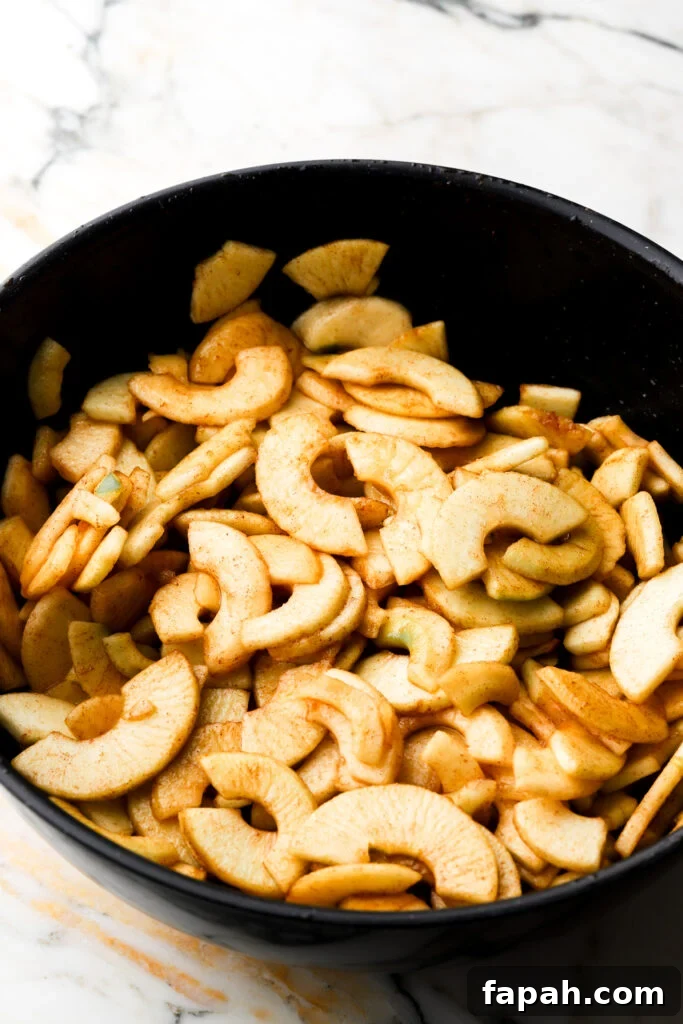
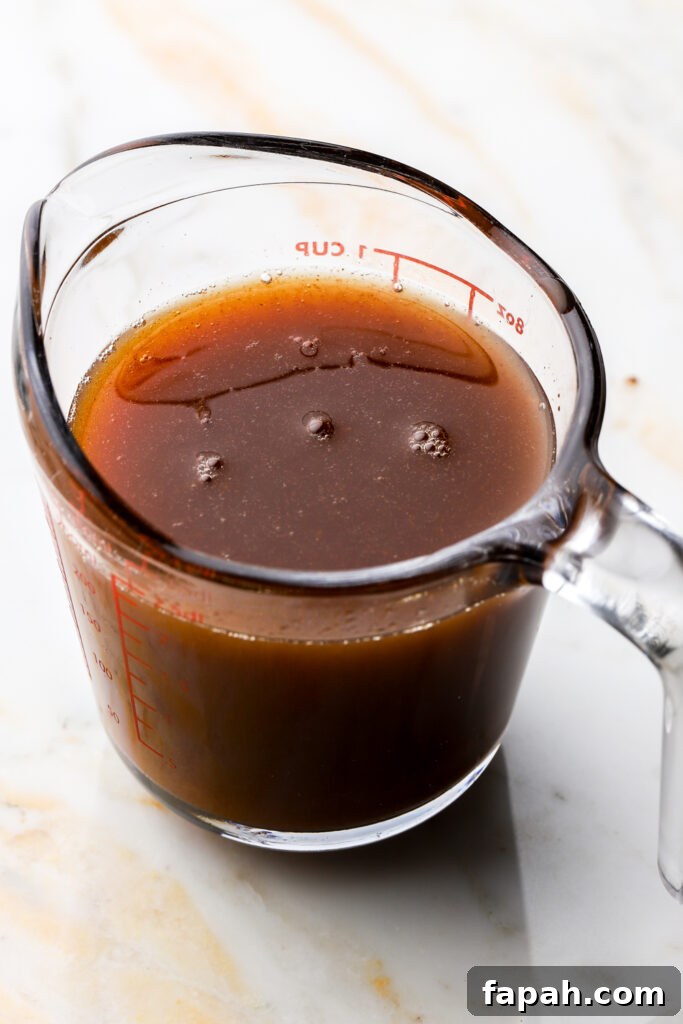
Step 2: Rest the apples. Add cinnamon, nutmeg and salt and let the apples sit for 30–60 minutes. Strain the apples into a clean bowl; reserve roughly 1 cup of the spiced apple juice.
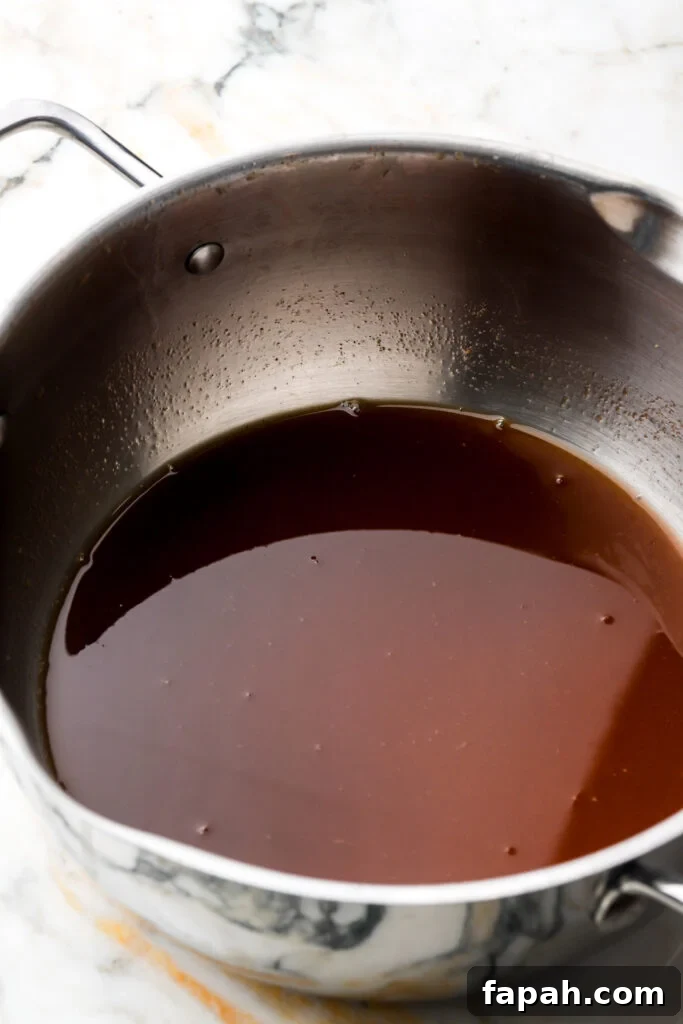
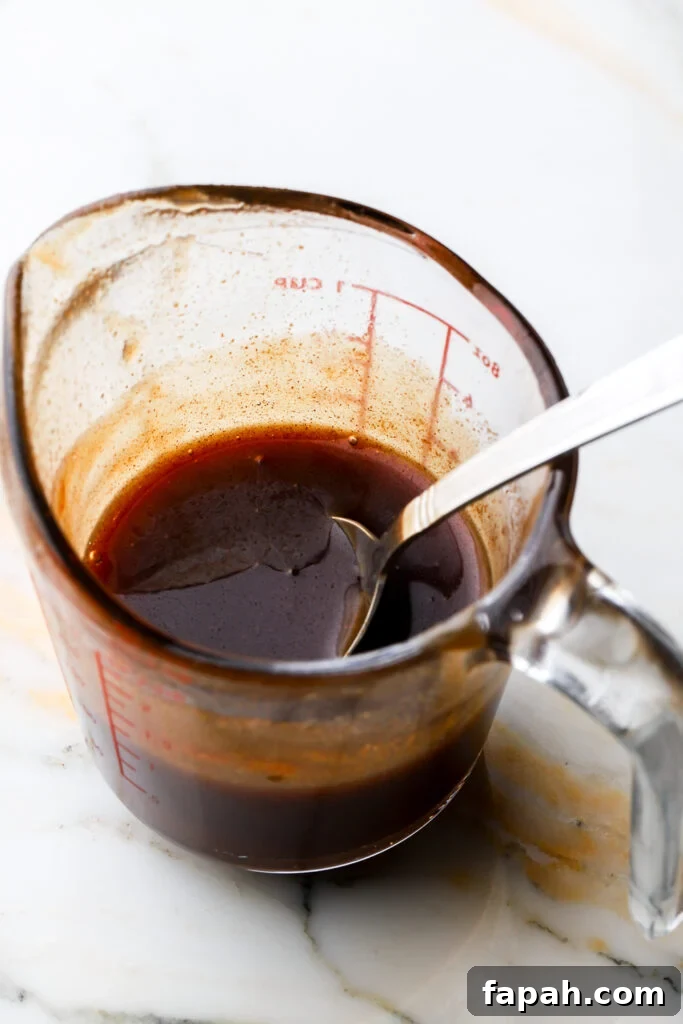
Step 3: Reduce the juice. Return the juice to the pot with butter and simmer over medium-low heat for 15–30 minutes until reduced by about 50% into a thick syrup (roughly ½ cup). Chill briefly.
Step 4: Toss apples with cornstarch. Strain any additional juice and discard it, then toss apples with cornstarch (and extra sugar if you want a sweeter filling) until evenly coated.
Assemble
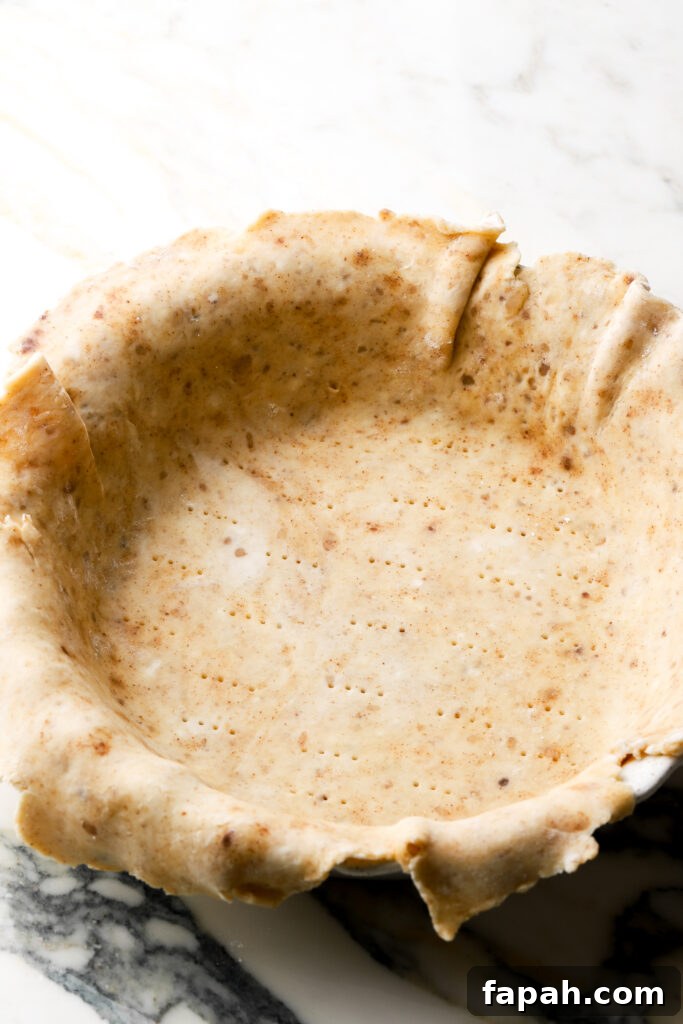
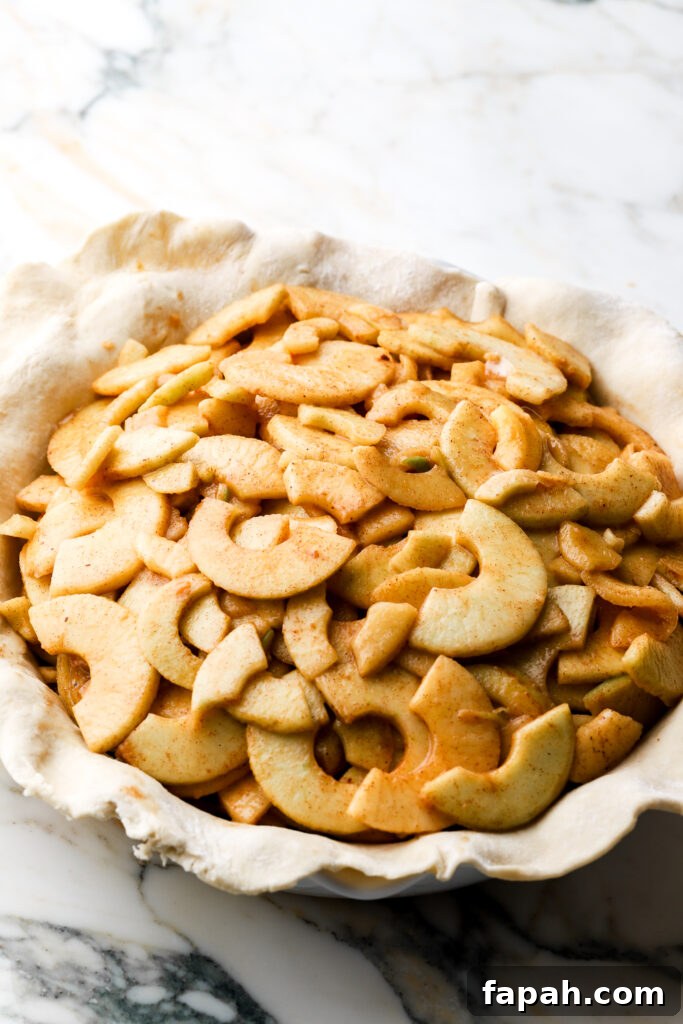
Step 1: Roll out the bottom crust to fit a deep-dish pie pan. Dock the bottom crust with a fork. Arrange the cornstarch-coated apple slices in a tight, gap-free layer.
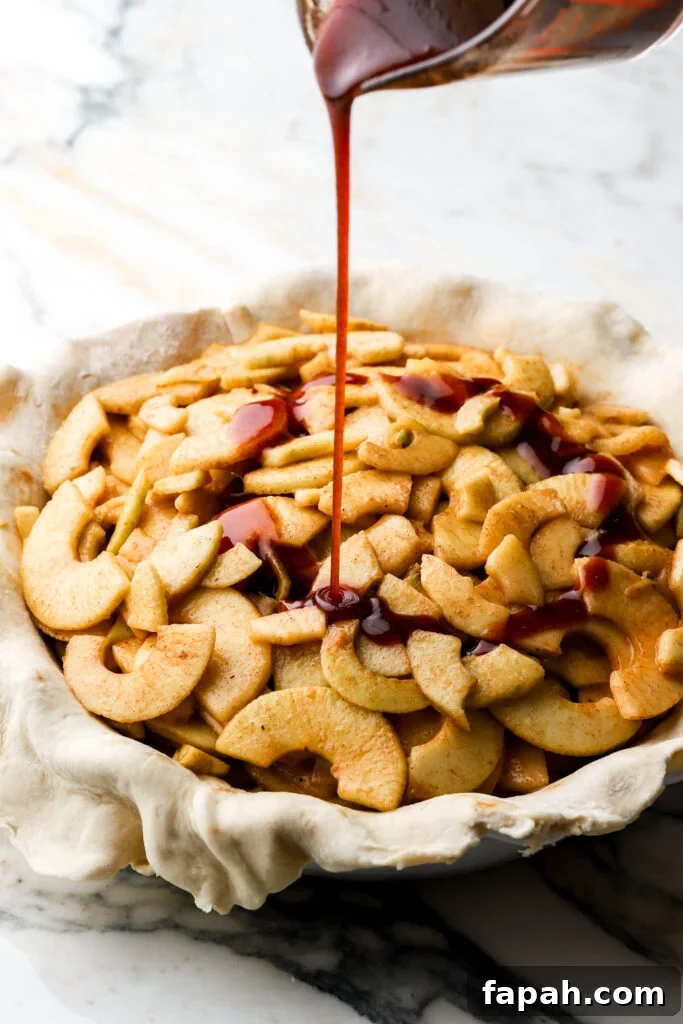
Step 2: Pour the reduced apple syrup evenly over the apples.
Step 3: Roll out the top crust. Use a whole top or a lattice. Trim and crimp the edges to seal. Chill the assembled pie for at least 30 minutes (or freeze 15 minutes) to firm the crust. Preheat oven to 425°F (218°C).
Step 4: Bake uncovered on the bottom rack in a conventional oven for 15 minutes at 425°F. Reduce heat to 350°F (177°C) and continue baking 50–60 minutes until juices bubble through the slits and the crust is golden. Tent edges with foil if they brown too quickly.
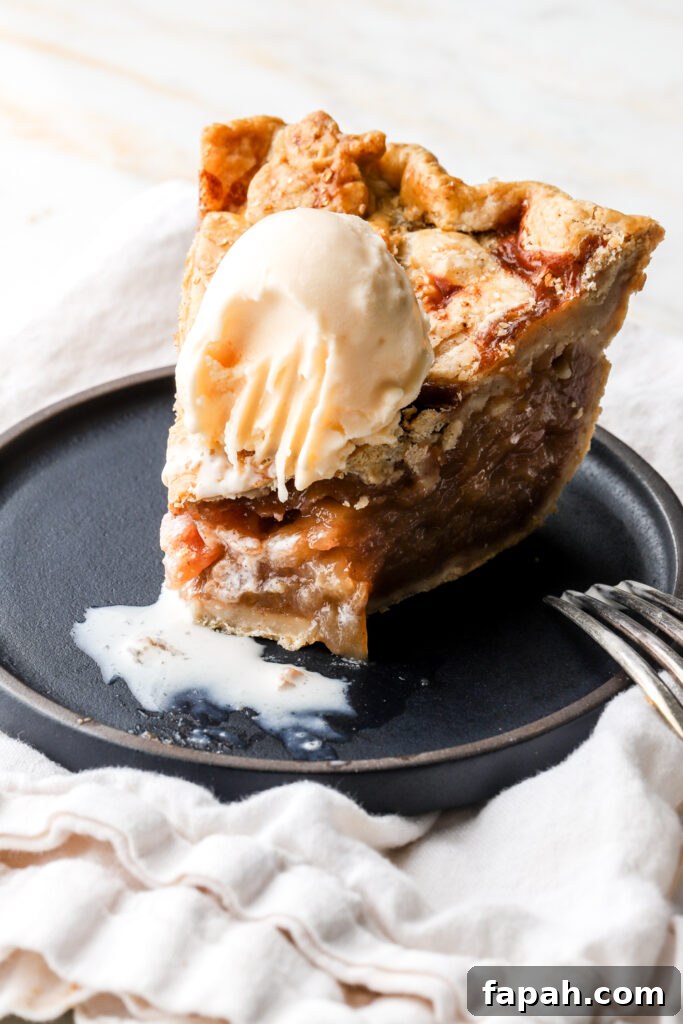
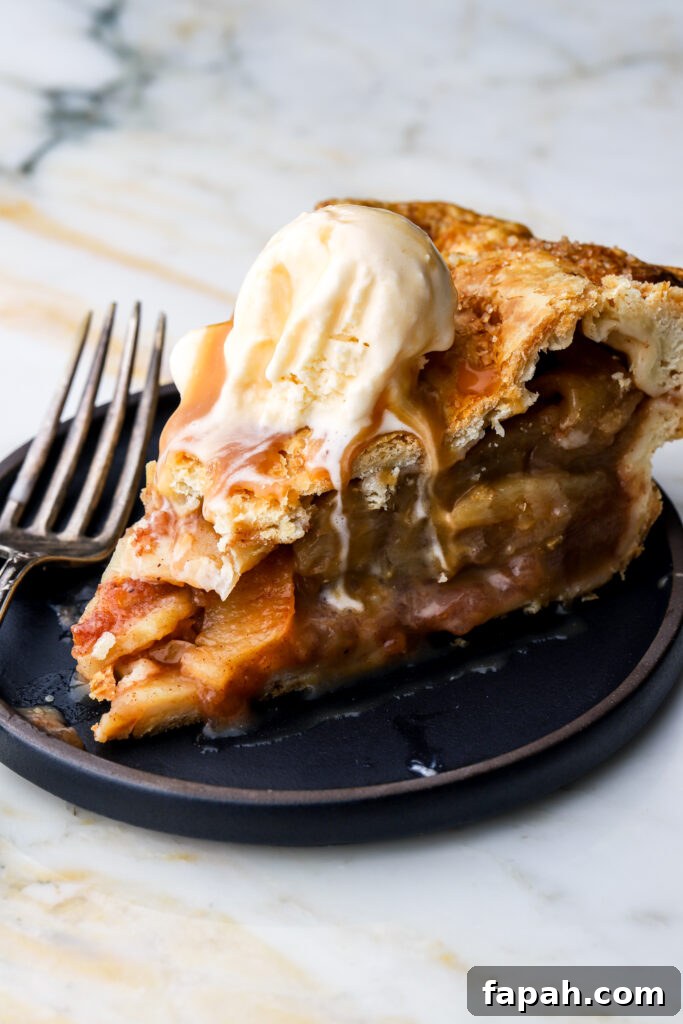
Step 5: Cool the pie for several hours before serving with vanilla ice cream and salted caramel if desired. For clean slices, refrigerate before cutting.
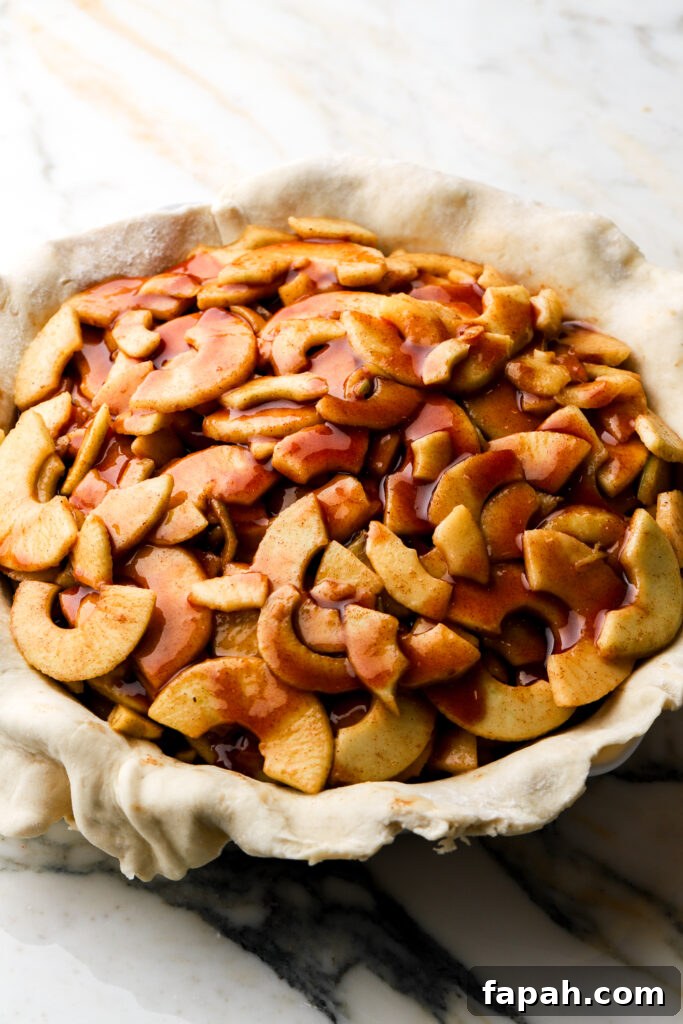
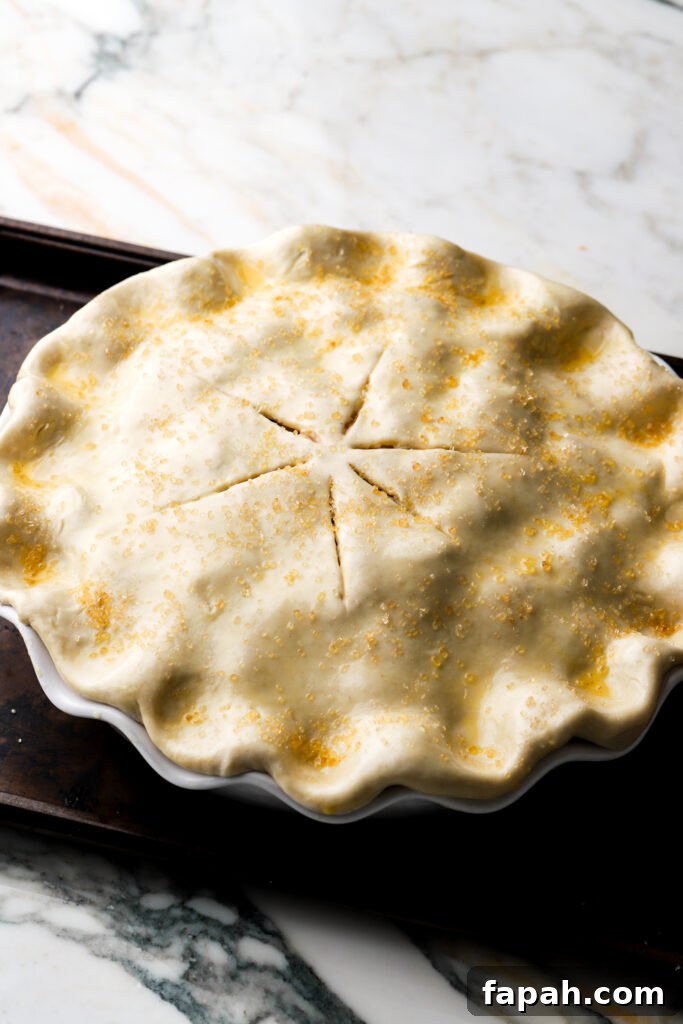
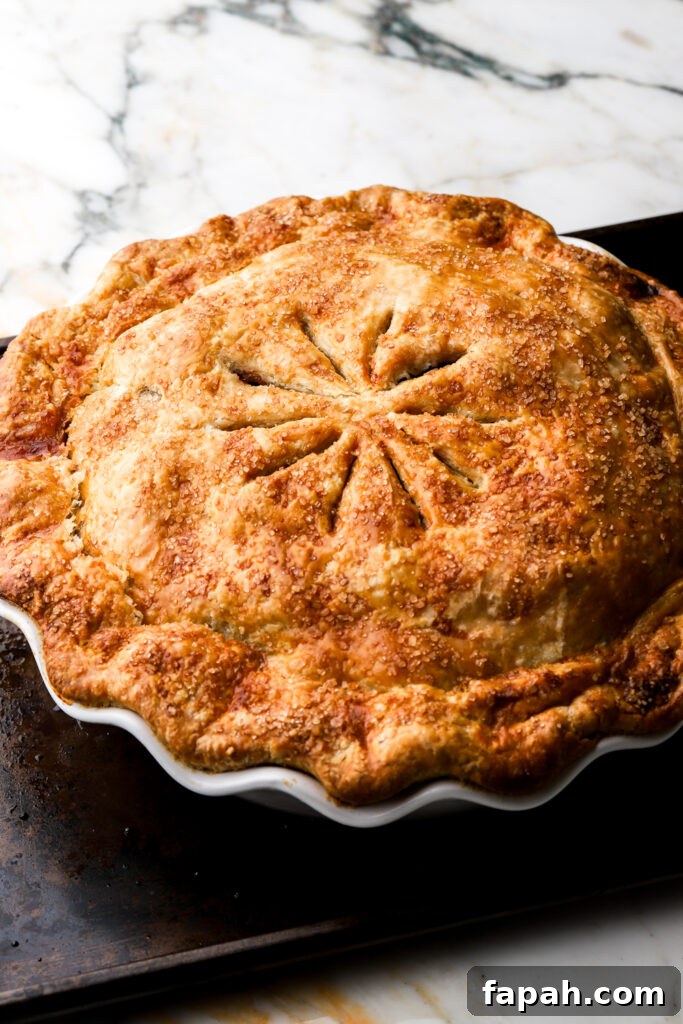
Tips for getting the pie crust just right
- Keep ingredients cold: Cold butter and chilled flour help create a flaky crust. I even chill the food processor bowl while I cube butter.
- Chill dough before rolling: Refrigerate dough until firm but still malleable. Roll one disc at a time so the other stays cold. If dough becomes sticky while working, chill briefly.
- Firm crust before baking: Chill the assembled pie so the butter stays solid in the oven; this helps the crust hold its shape and prevents shrinking or leaking butter.
How to roll out pie dough
When chilled 1–2 hours the dough should be firm but still pliable. If it’s too stiff, let it sit a few minutes at room temperature. Lightly flour the work surface and dough. Roll from the center outward, turning the dough 90 degrees occasionally, until about 1/8″ thick and large enough to cover your pie dish. You can transfer the dough by rolling it around the pin or folding it gently and unfolding over the dish.
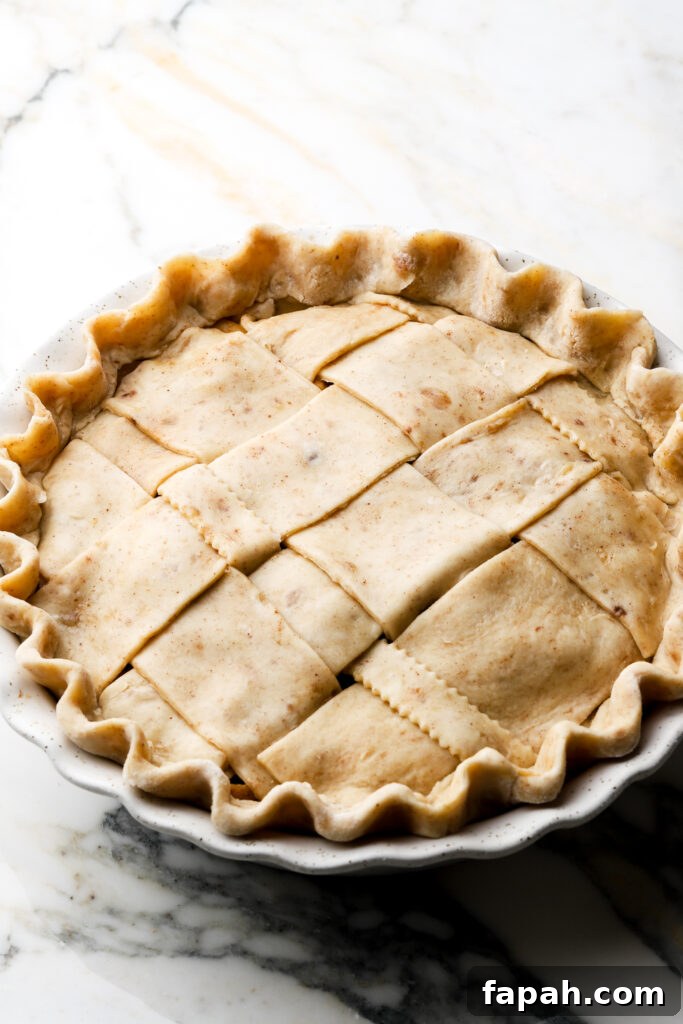
How to make a lattice pie crust
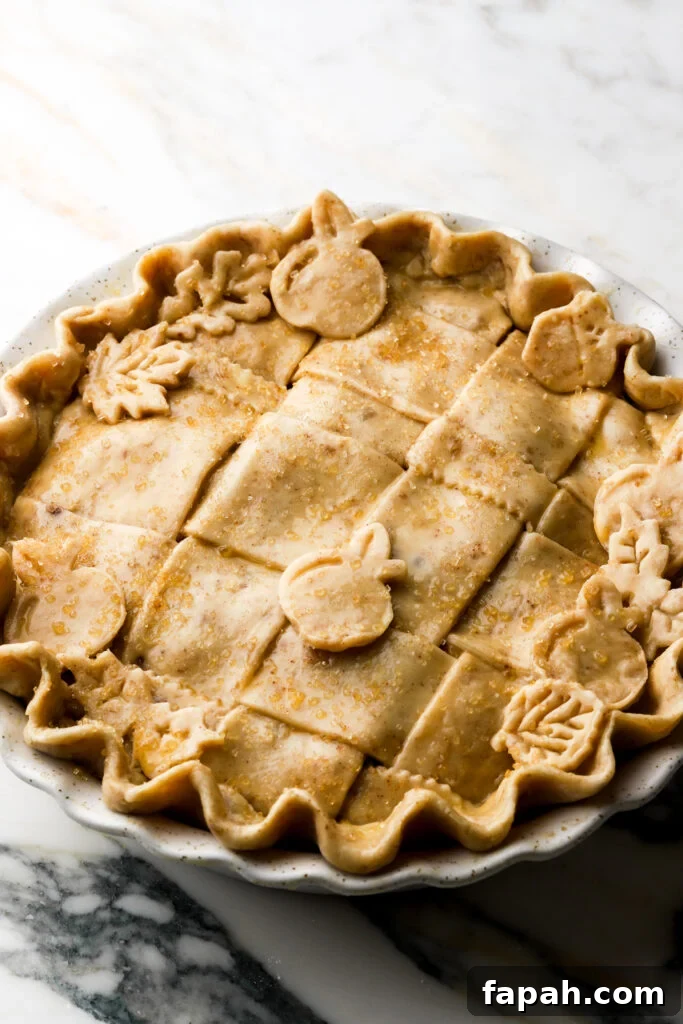
Cut the top crust into strips of your desired width, then weave them over the filling to form a lattice. Thicker strips with no gaps look decorative but reduce venting space and may tear where the filling bubbles; leaving space between strips helps the pie vent evenly. You can re-roll scraps to make decorations, but re-rolling can slightly toughen those pieces.
Pro Tips for making apple pie
- Don’t skip the apple resting time — it helps draw out and remove excess juice so the bottom crust stays crisp.
- Make the pie hours or a day ahead. It’s easier to slice and serve once fully cooled and slightly chilled.
- An apple corer that peels, cores and slices at once speeds prep considerably.
What type of pan is best for pies
Metal pans conduct heat efficiently and give the best bottom crust bake. For deep-dish pies, ceramic pans work fine if you don’t have a deep metal dish. Bake in a conventional (non-convection) oven on the bottom rack for direct heat to the bottom crust, and place the pie on a metal baking sheet to catch drips. Some bakers use a baking stone beneath the pie for extra bottom heat.
When making a wet pie, you can sprinkle a bit of flour or cornstarch on the bottom crust to absorb juices, but reducing the apple juices on the stove (as in this recipe) eliminates most excess moisture and produces a crisp bottom even in ceramic pans.
For this recipe use a deep pie dish; I used a ceramic deep dish and it worked well.
Frequently Asked Questions
Most apples work in pies except very soft varieties like Golden Delicious, which can become mushy. A mix of Granny Smith and Honeycrisp gives a good balance of tartness, sweetness and texture. Gala can work but may be softer.
I recommend peeling — the texture is smoother and it’s easy with a slicing/corer tool.
Yes — store-bought crust will work, though homemade typically tastes fresher and flakier.
Yes — substitute dairy-free butter or a suitable shortening for the crust and filling butter.
I haven’t tested it, but a 1:1 gluten-free flour blend should work for the crust.
Common causes: not letting apples rest to release juice, not reducing the apple juice enough, or inaccurate cornstarch measurement. Reducing the juice and weighing ingredients helps prevent runny filling.
Classic vanilla is ideal. For something different, a cinnamon or caramel ice cream complements well.
It likely needs more hydration — add 1–2 tbsp water at a time until it forms a dough.
Cracks happen if the dough isn’t hydrated enough or is too cold. Let it rest a few minutes at room temperature before rolling.
This can happen if the dough wasn’t chilled or the butter pieces are too large. Aim for pea-sized butter bits in the dough.
If the pie wasn’t fully chilled before baking, it can shrink. Cold dough preserves structure during baking.
Overworking the dough develops gluten. Handle minimally, chill, and avoid excessive re-rolling.
Reducing the apple juice concentrates flavor while removing excess moisture, which helps prevent a soggy crust. It’s optional but recommended for a crisp bottom crust.
How to serve and store apple pie
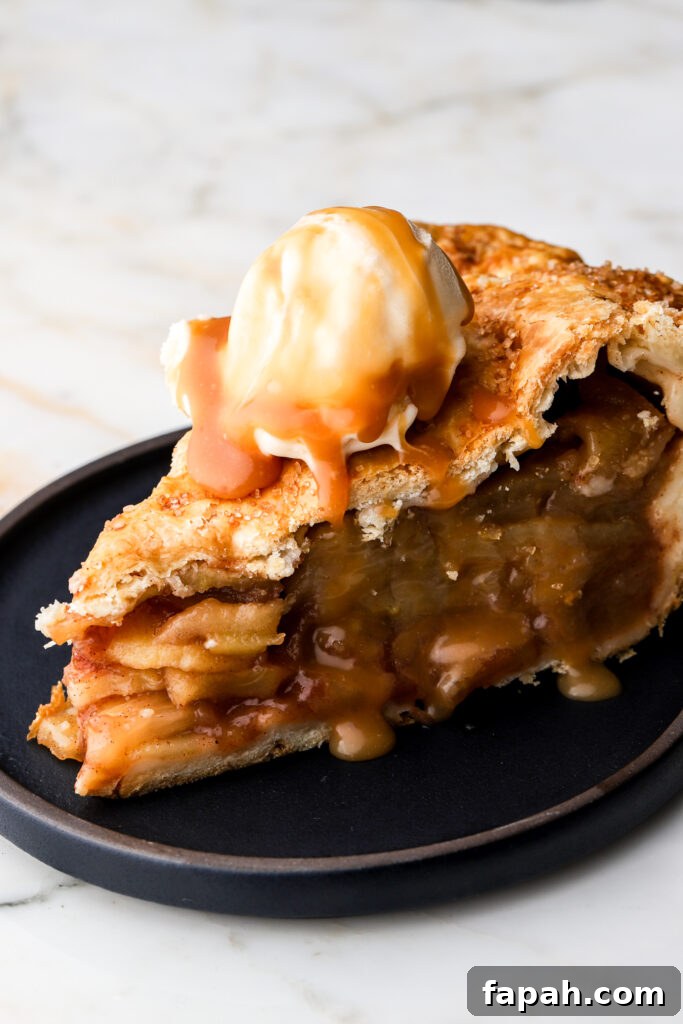
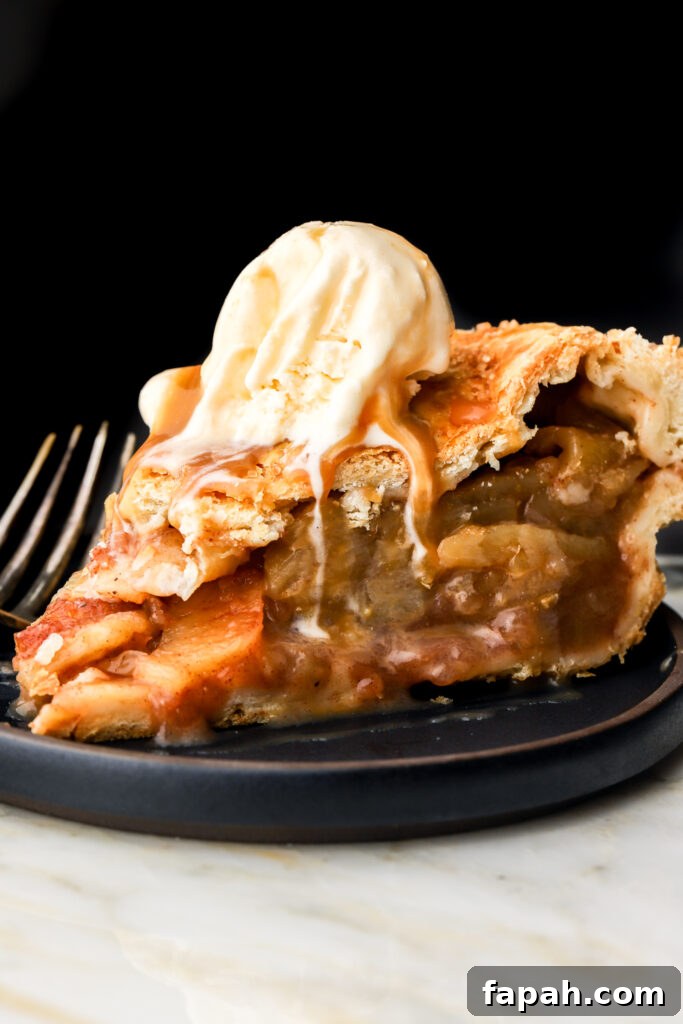
Serve slices with a scoop of vanilla ice cream. Store leftovers covered in the refrigerator and reheat in the oven at 325°F for 10–15 minutes or use a microwave for individual slices. Freezing is possible but the crust may soften when thawed.
Thanks for reading — if you try this apple pie recipe I’d love to hear how it turned out. Happy baking!
Love, B
Pies & Tarts