Danish Christmas Dinner
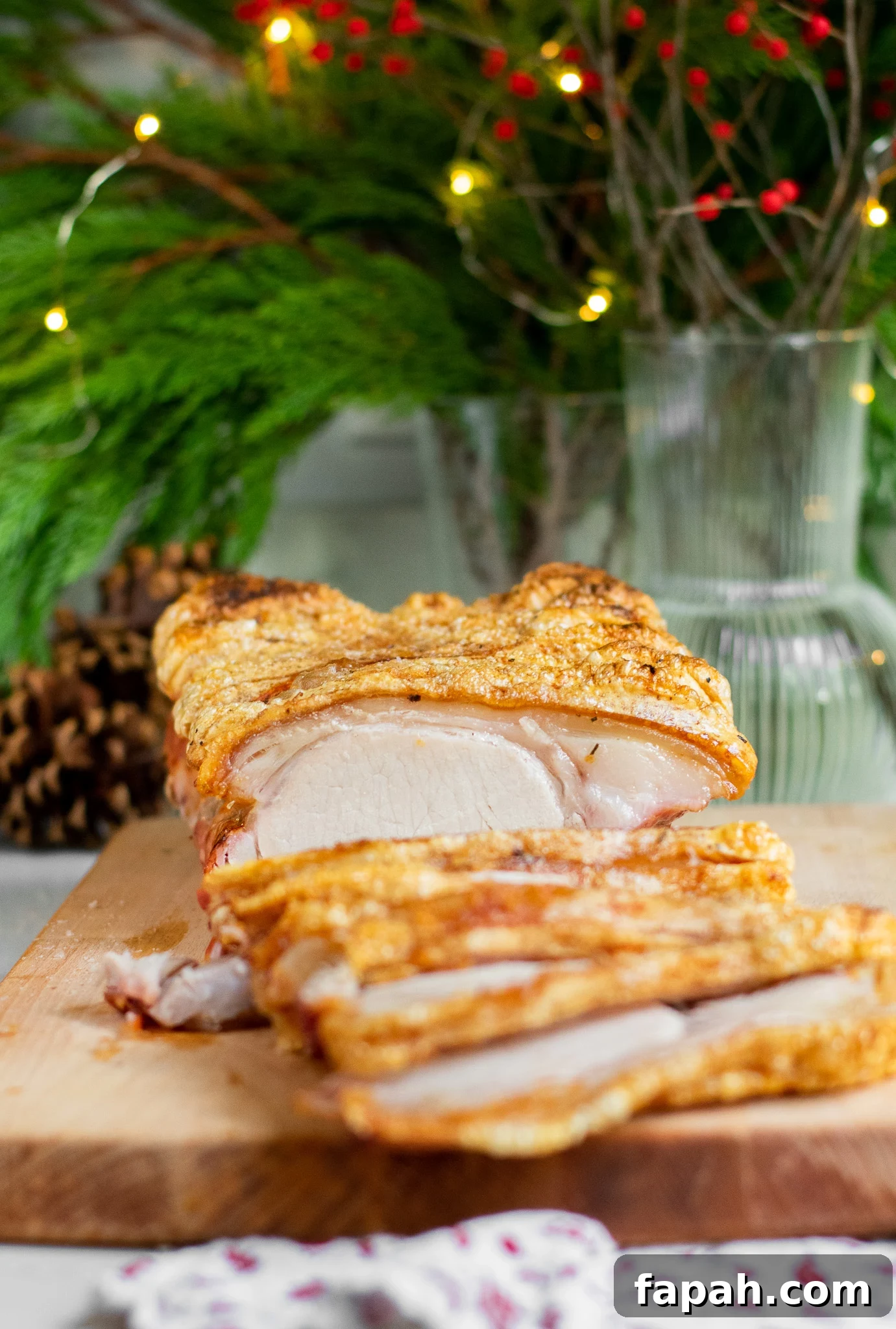
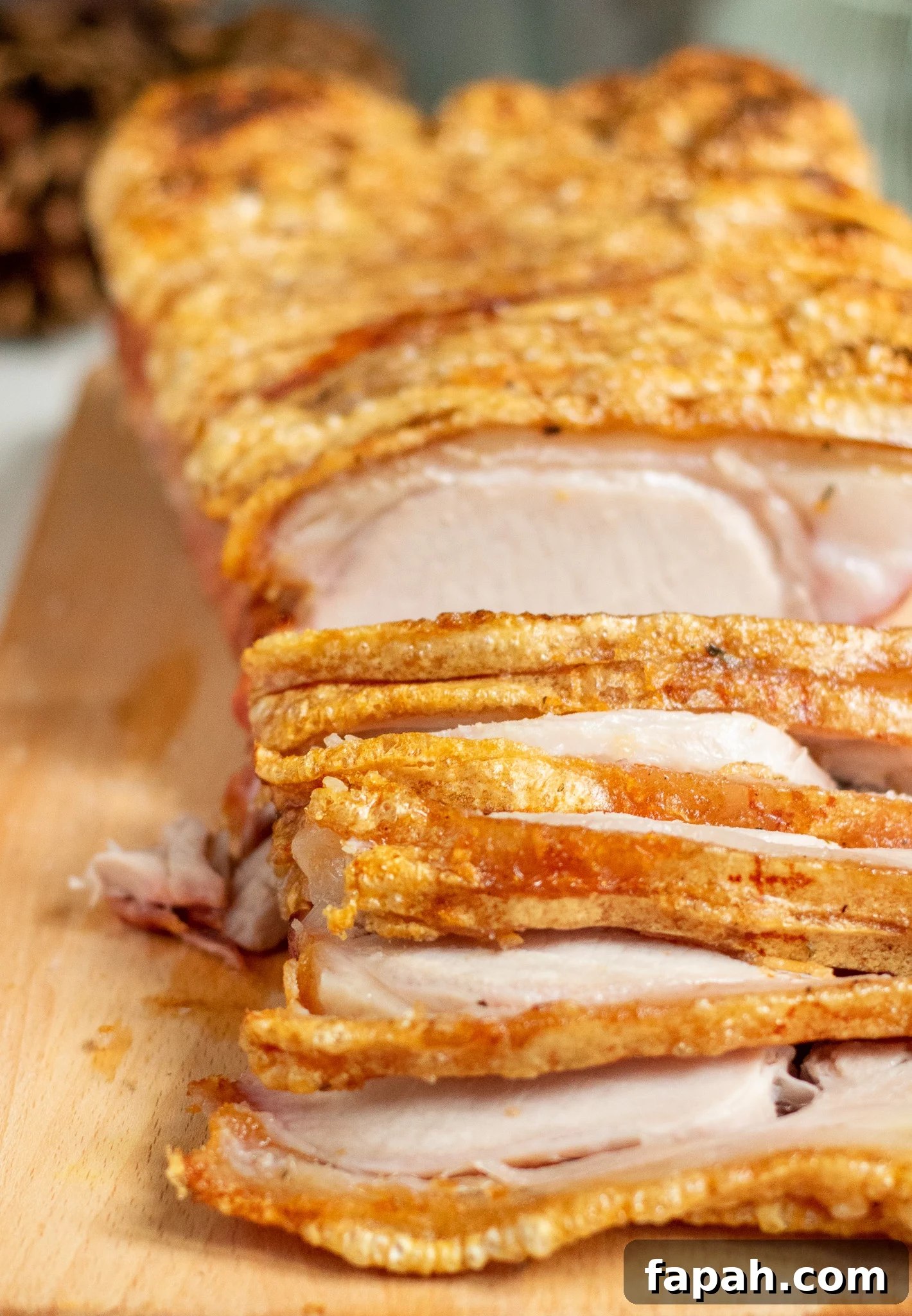
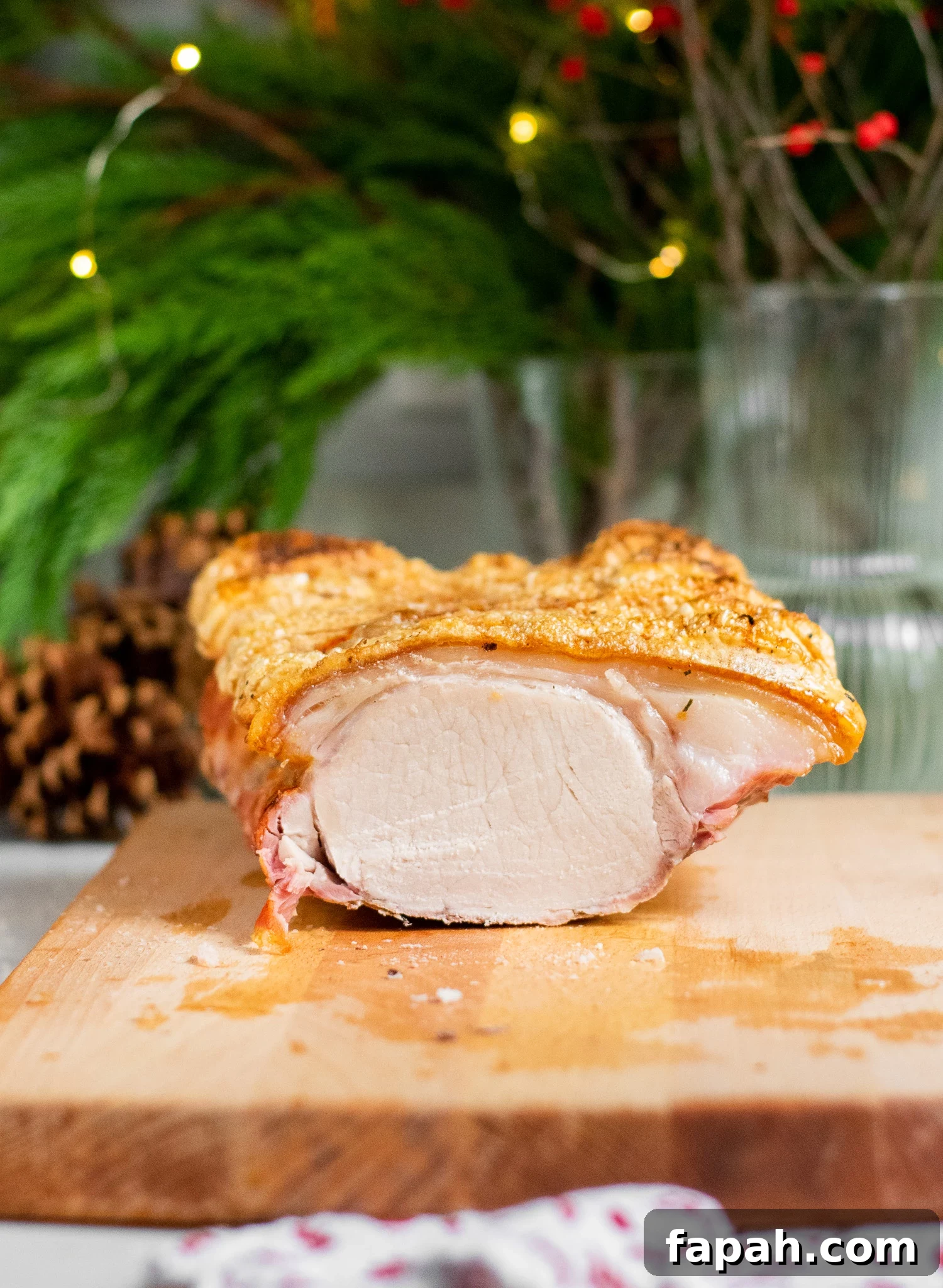
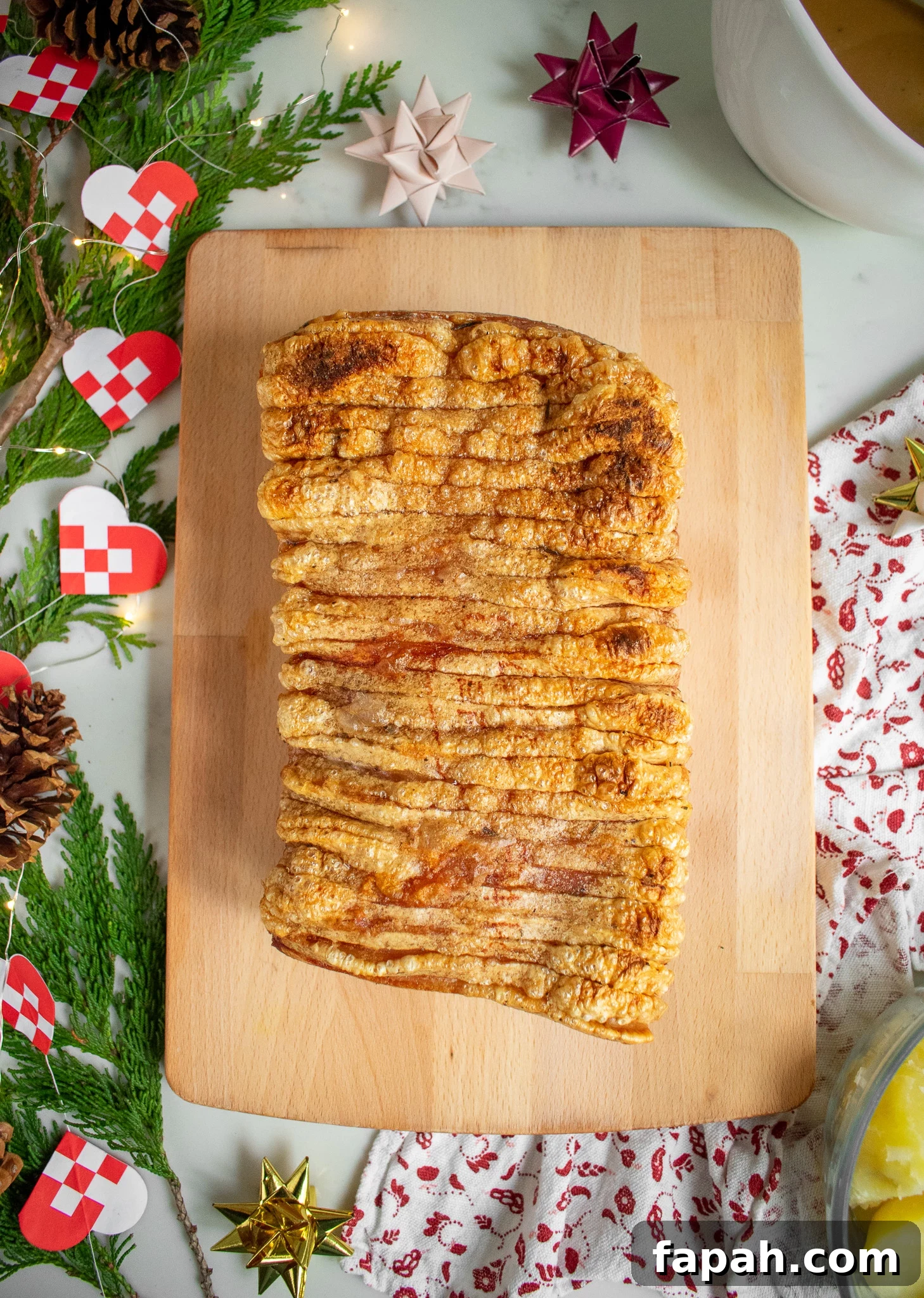
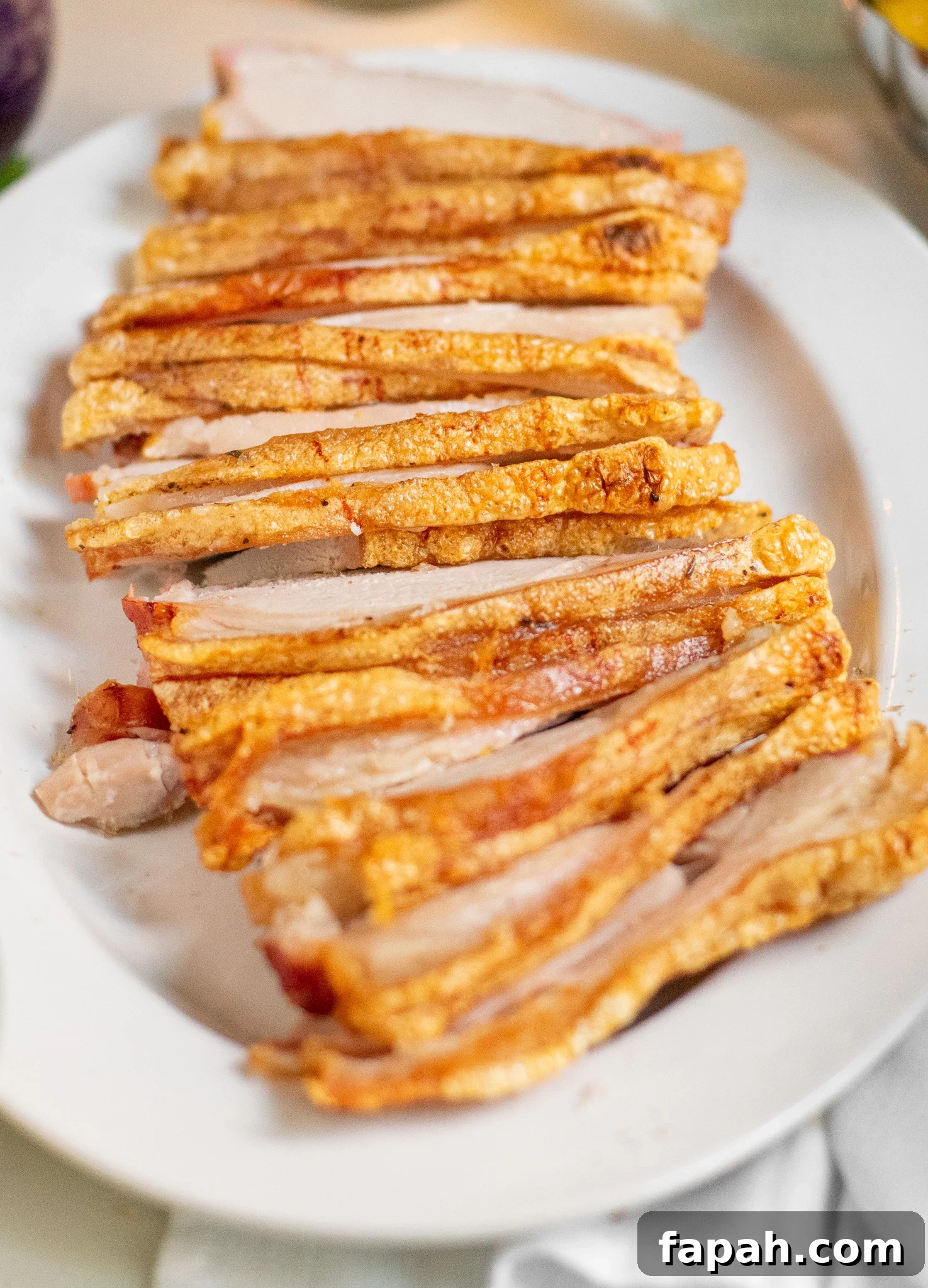
For our family, Danish Christmas dinner is the highlight of the year. We’ve eaten this meal every Christmas for as long as we can remember, and it never gets old. Part of the charm is that it appears only once a year, but mostly it’s because the food is truly exceptional. If you want a show-stopping main course for Christmas or any large gathering, flæskesteg — a classic Danish roast pork — is a fantastic choice. It yields juicy, flavorful slices of pork topped with the irresistible crunch of pork crackling.
Psst…we published an Ebook!
Bring a touch of Danish hygge to your Christmas with our practical PDF guide to planning and hosting a traditional Danish julefrokost (Christmas lunch).
Get the guide
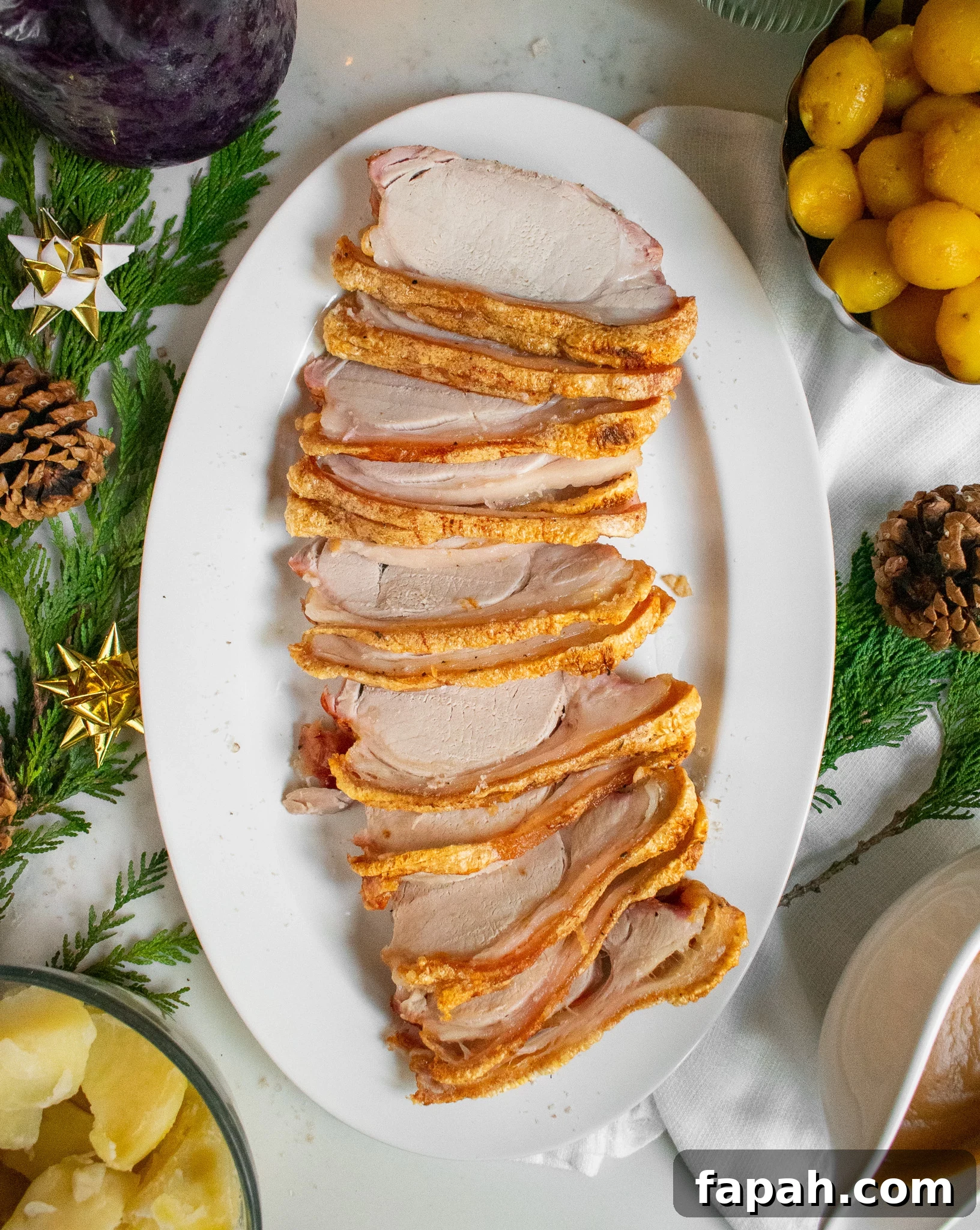
Side Dishes
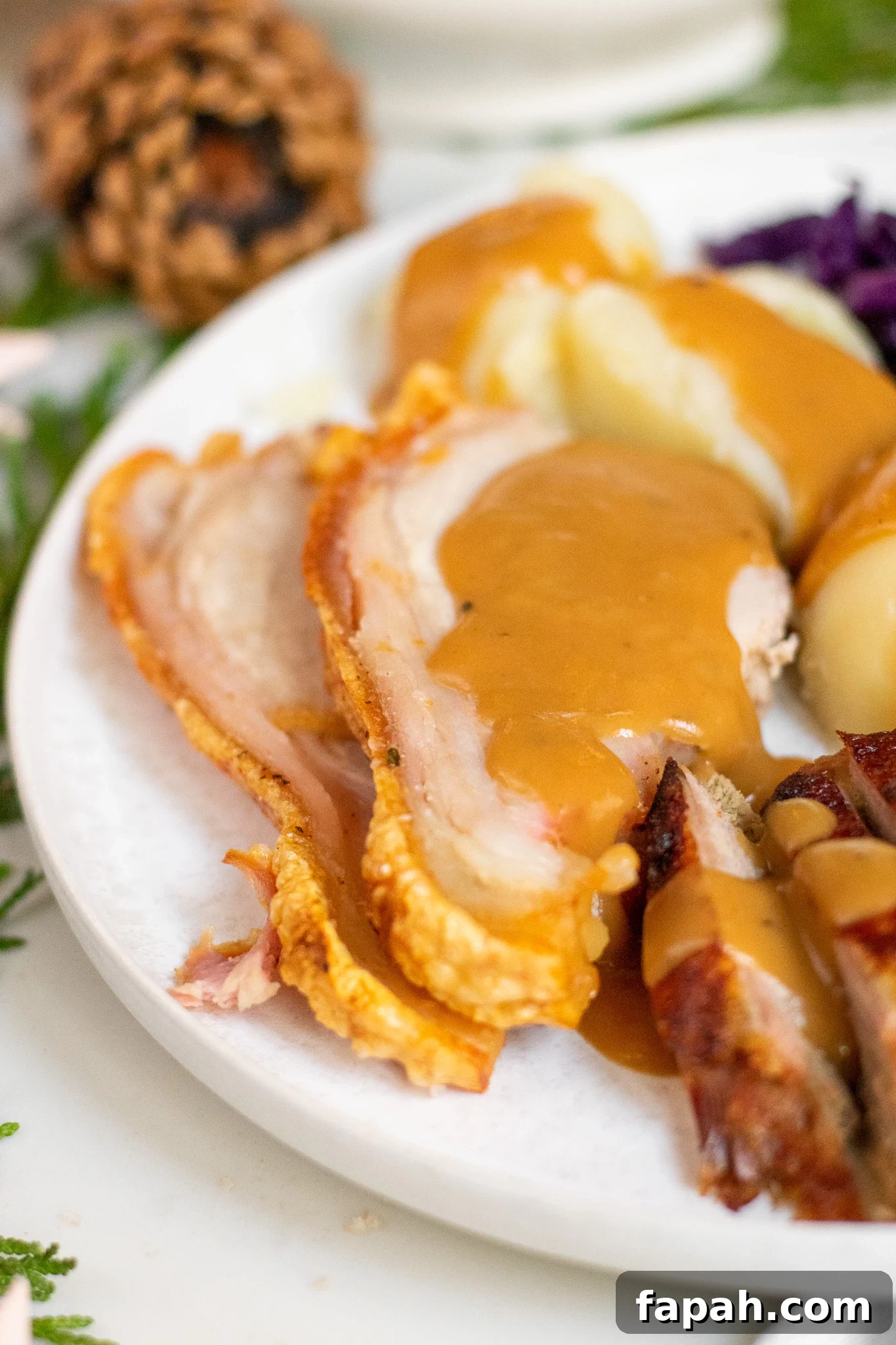
Danish Christmas dinner is typically served with plenty of potatoes. Boiled potatoes drenched in gravy are standard, and brunede kartofler — small potatoes glazed in caramel — are a beloved sweet-savory side. We also often serve roasted duck with apples and prunes, braised red cabbage (rødkål) for a bright, tangy balance, and an assortment of pickles and condiments. For texture, a few potato chips on the side add a welcome crunch. Dessert is usually rice pudding with warm cherry sauce and one whole almond hidden inside; the person who finds the almond receives the playful “almond gift.” These traditions make the meal festive and memorable.
Cooking a Flæskesteg
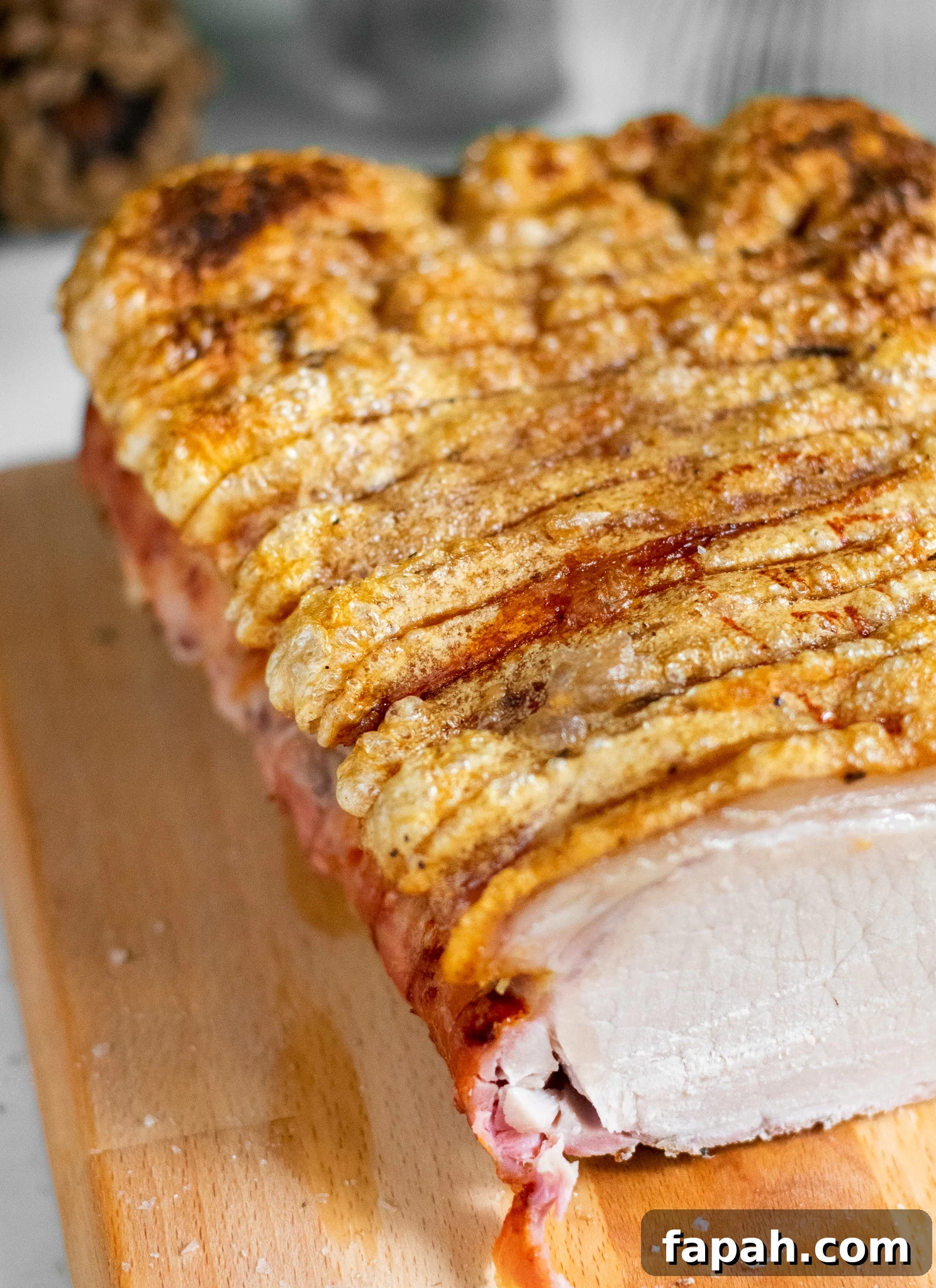
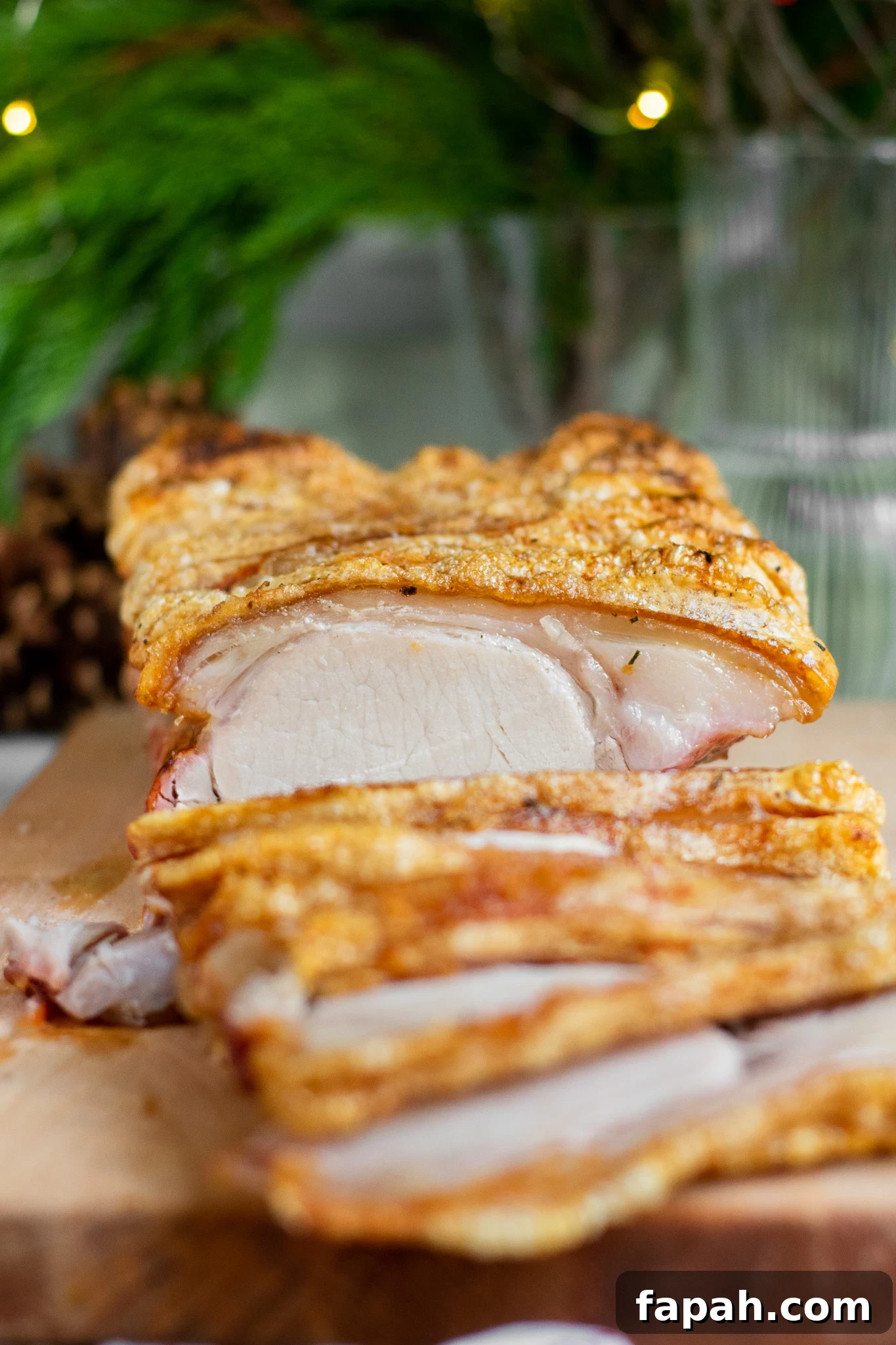
The key to an authentic flæskesteg is a roast with the rind still attached — that rind becomes the crackling everyone loves. The method is simple: season the roast with flaky salt, pepper, and tuck bay leaves and rosemary between the rind slices. Roast the pork in a roasting pan with about 2 cups of water in the bottom to keep the meat moist. For a 2.75 kg (approximately 6 lb) roast, roast for roughly 2–2.5 hours total, removing the fresh herbs after the first hour to prevent burning. If the rind hasn’t puffed and crisped by the time the internal temperature reaches at least 145°F (63°C), finish the roast briefly under a broiler to achieve a crackling crust. Let the roast rest before slicing and serve with gravy, potatoes, and braised red cabbage.
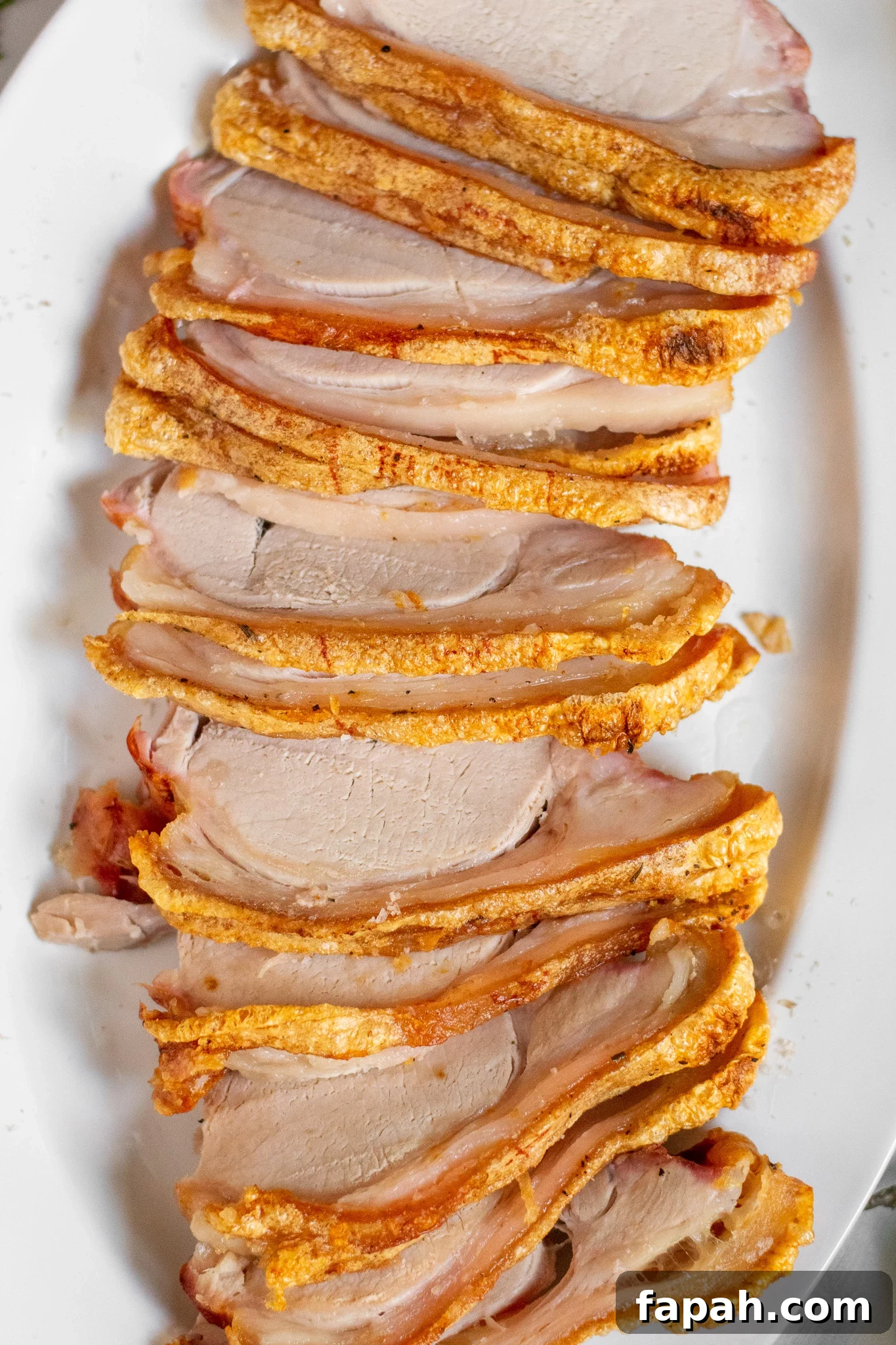
Flæskesteg (Danish Roast Pork)
Pin Recipe
IMPORTANT NOTE:
We develop our recipes using a digital scale and metric measurements (grams and milliliters) and test them in a convection (fan) oven. Cup measurements may be less precise.
Ingredients
- 2.75 (6 lbs) kg pork loin with the rind on (ask your butcher for a rind-on cut if needed)
- Flaky salt
- Pepper to taste
- Fresh bay leaves (or dried)
- Fresh rosemary sprigs (optional)
- 2 cups water (for the roasting pan)
Instructions
-
Preheat the oven to 325°F (160°C) on a convection roast setting if available.
-
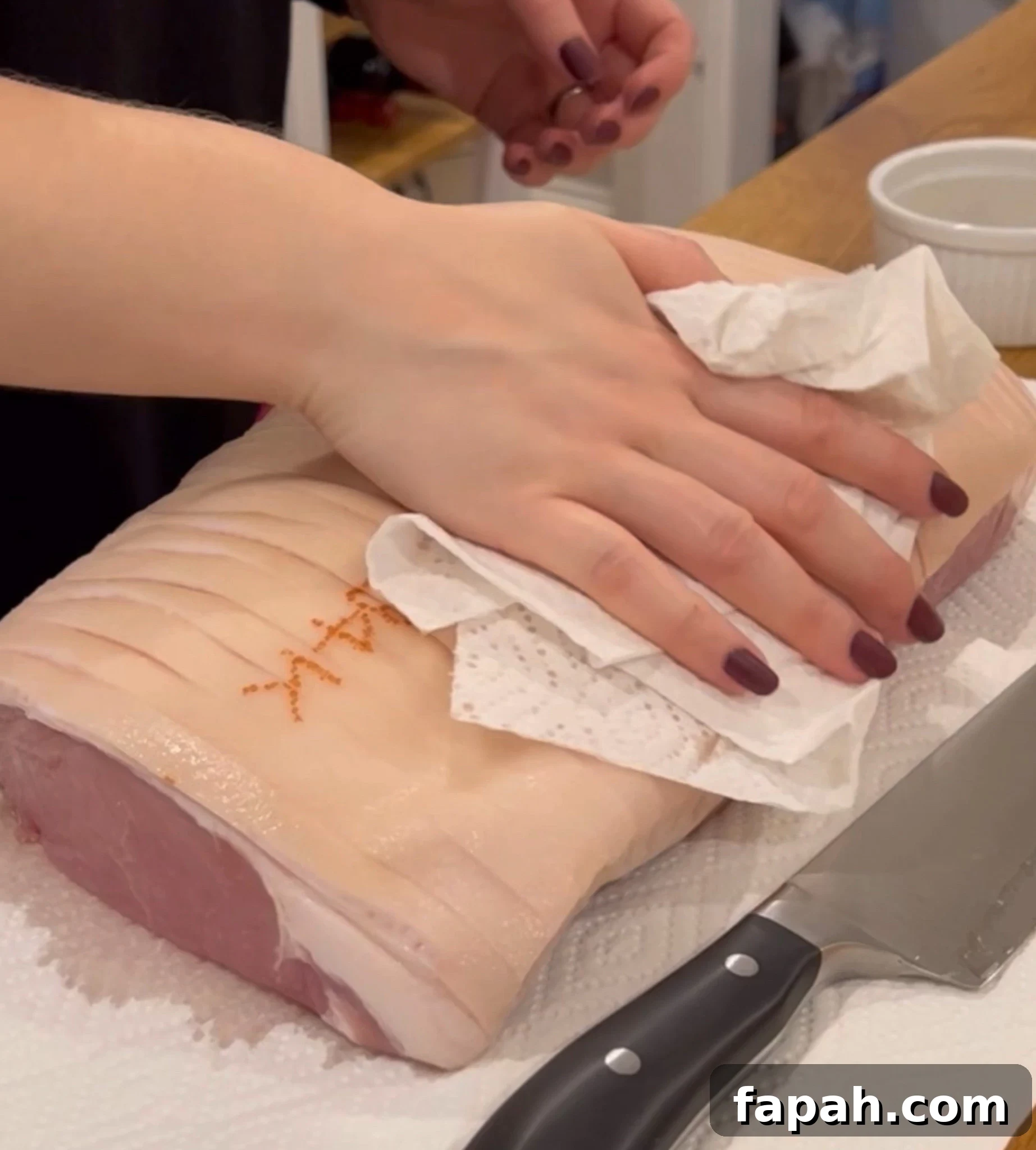
Pat the pork loin completely dry after removing it from packaging.

-
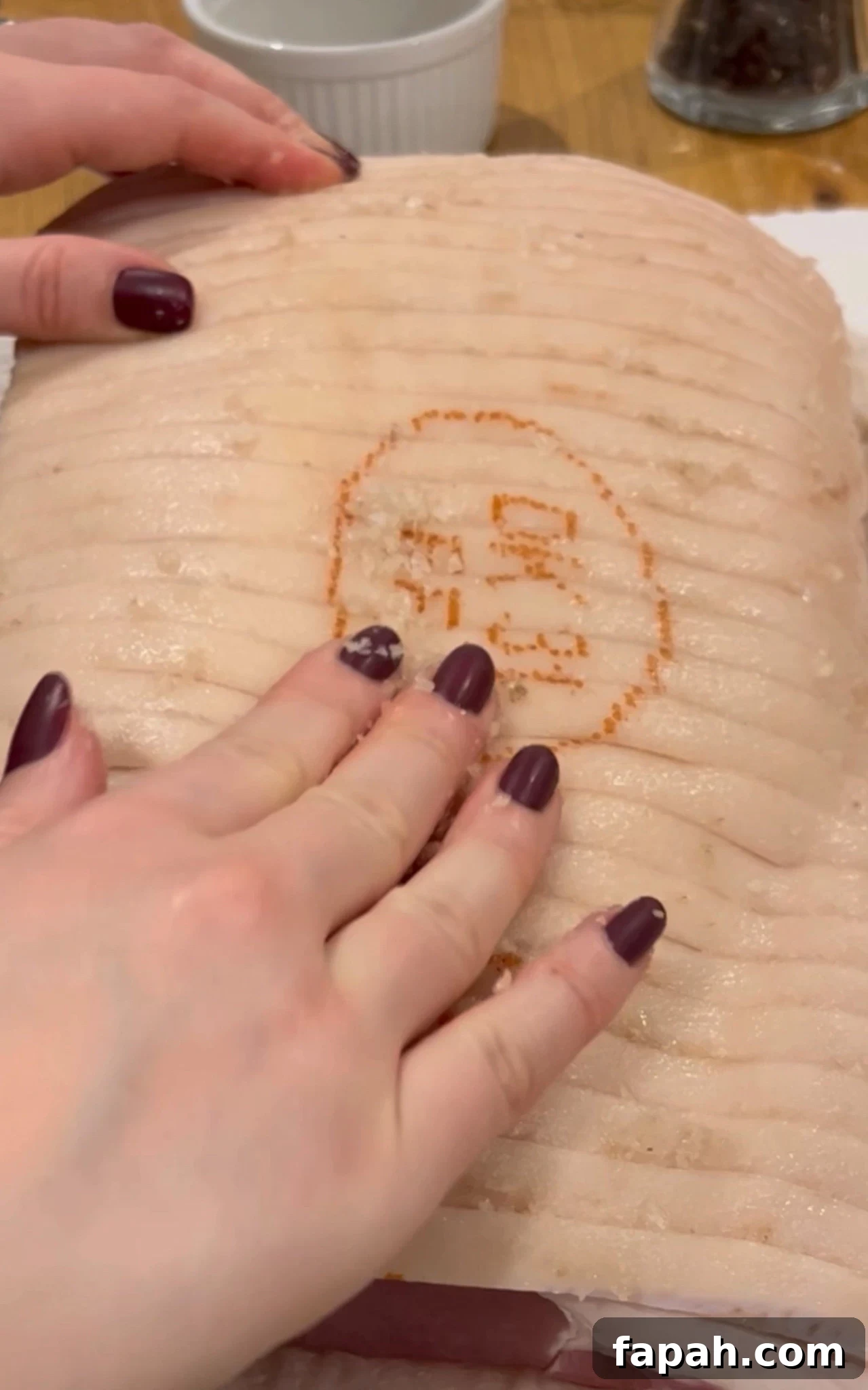
If the rind is pre-scored, rub flaky salt into the cuts. If not, carefully score the rind into about 1 cm slices, cutting through the fat but not the meat.
-
Season the entire roast with salt and pepper.
-
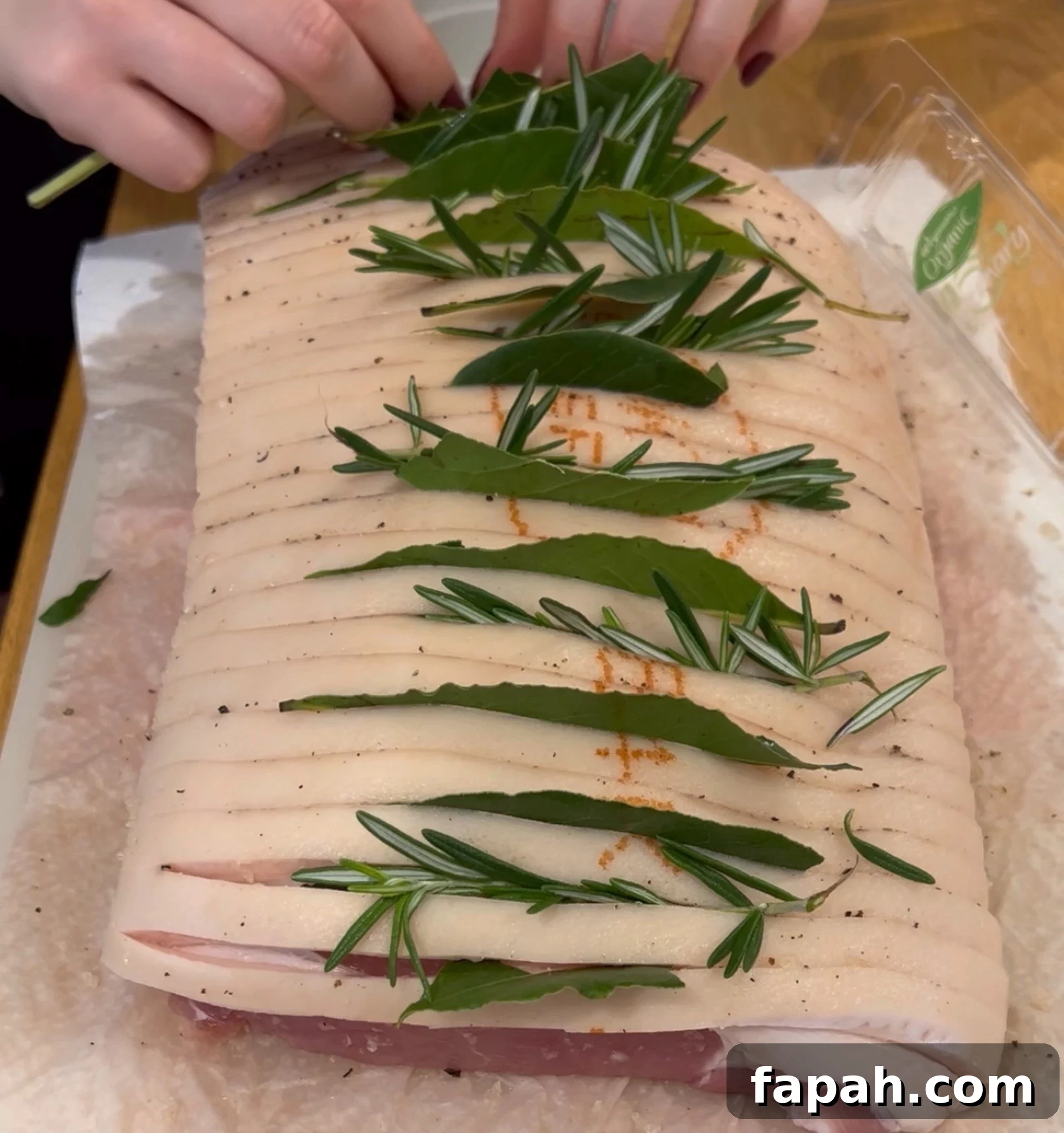
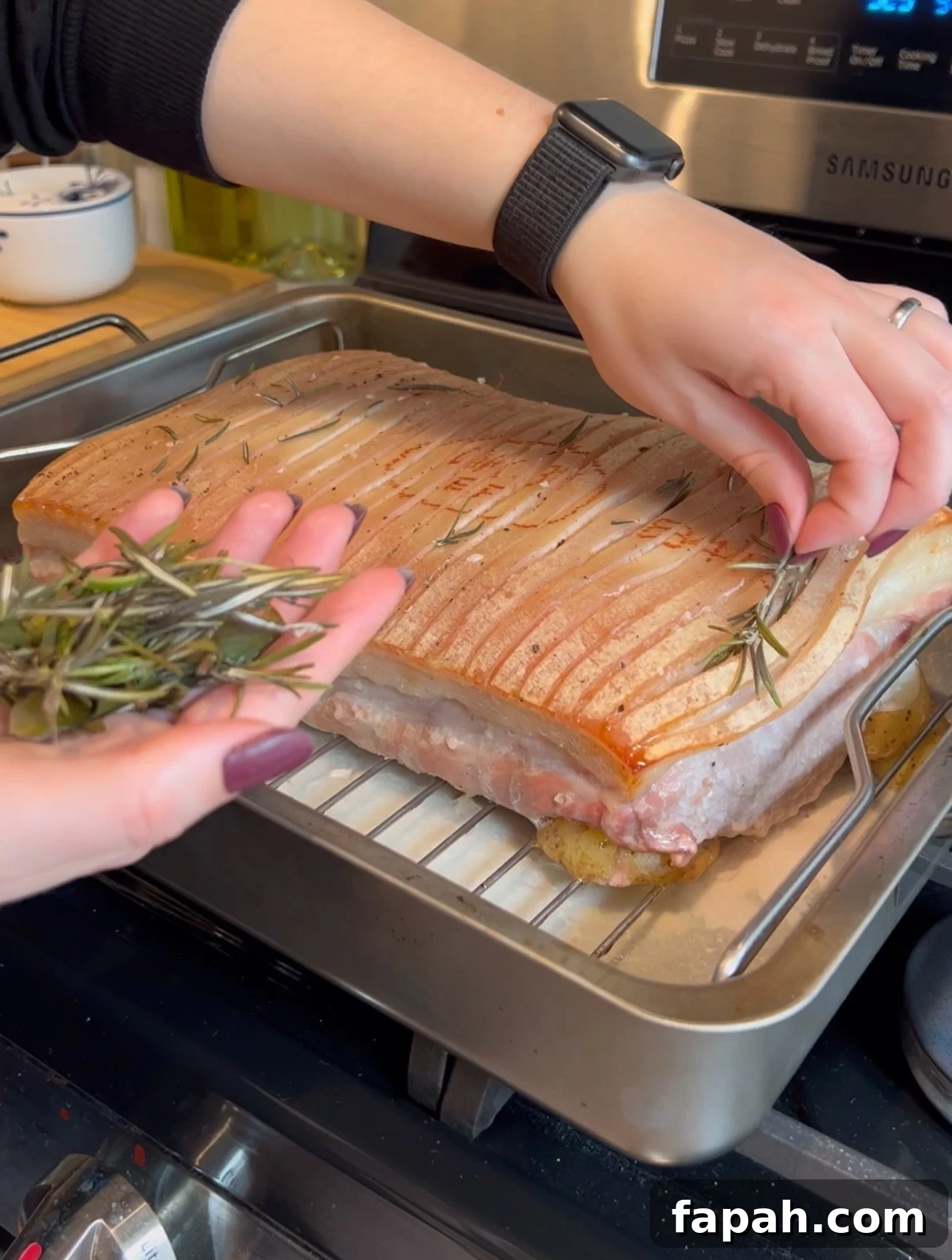
Tuck bay leaves and optional rosemary sprigs between the rind slices.
-
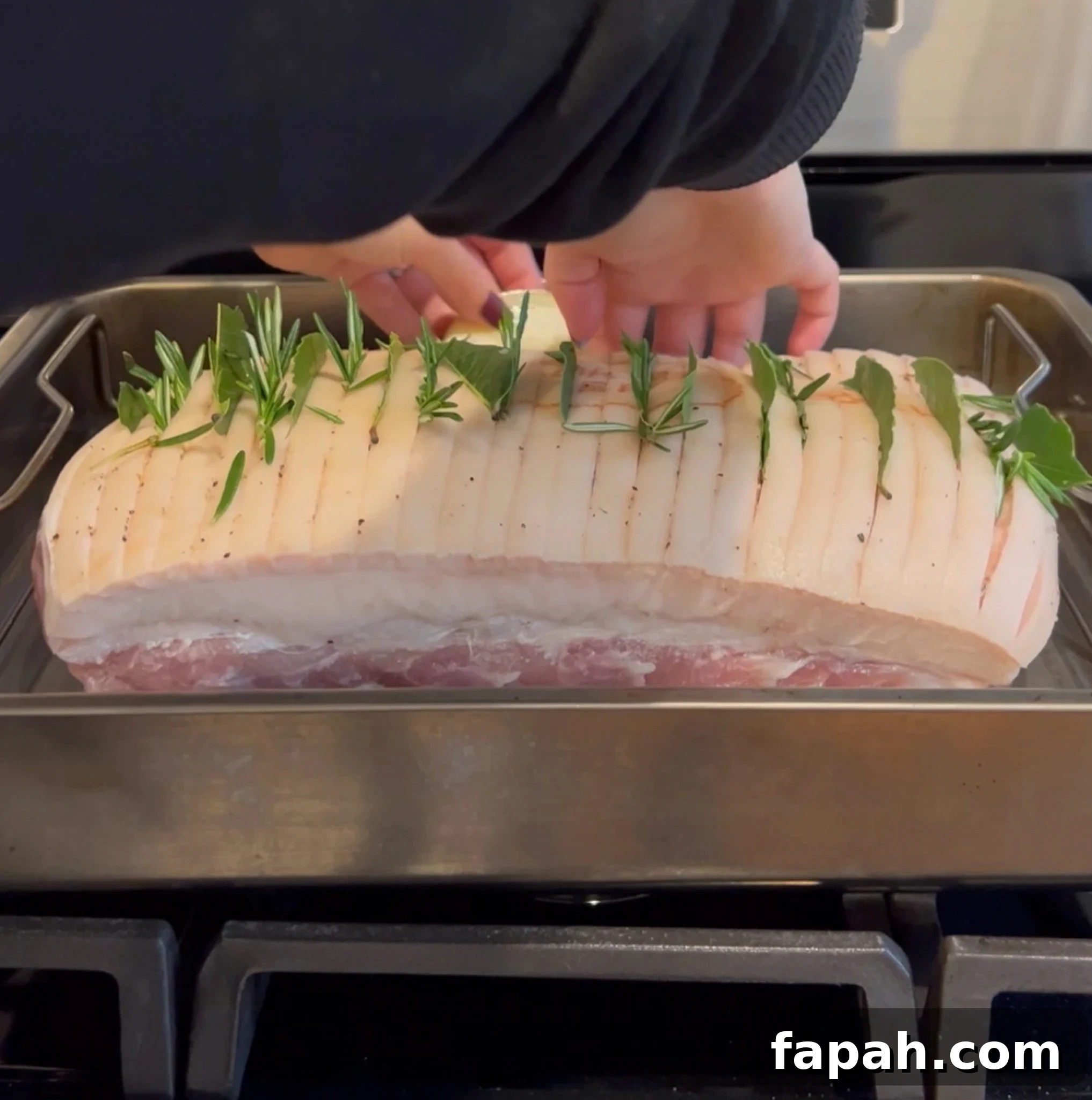
Place the roast on an elevated rack in a roasting dish and pour 2 cups of water into the pan. If you don’t have a rack, skip the water to avoid steaming the rind.
-
Make sure the roast sits level. If one end is lower, prop it with slices of potato so the rind cooks evenly.
-
Roast for about one hour, then remove the bay leaves and rosemary so they don’t burn. Optionally baste the roast once.
-
Continue roasting for another hour to an hour and a half for a 2.75 kg roast (roughly 20–25 minutes per pound). Use a thermometer and aim for at least 145°F (63°C) internal temperature. If it hasn’t reached that, roast in 15-minute increments until done.
-
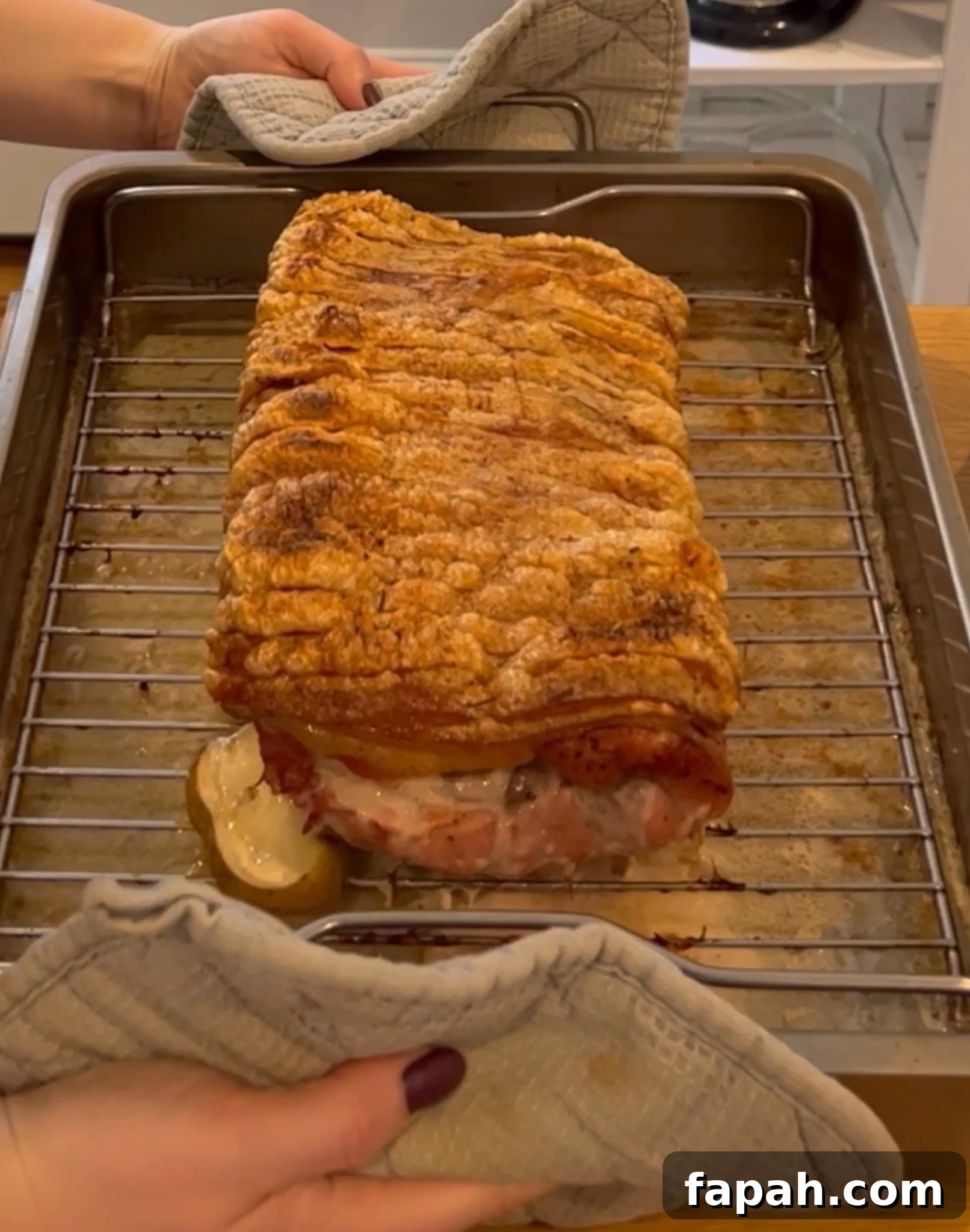
If the rind hasn’t puffed, finish under a broiler for about 5 minutes, watching carefully so it crisps without burning.
-
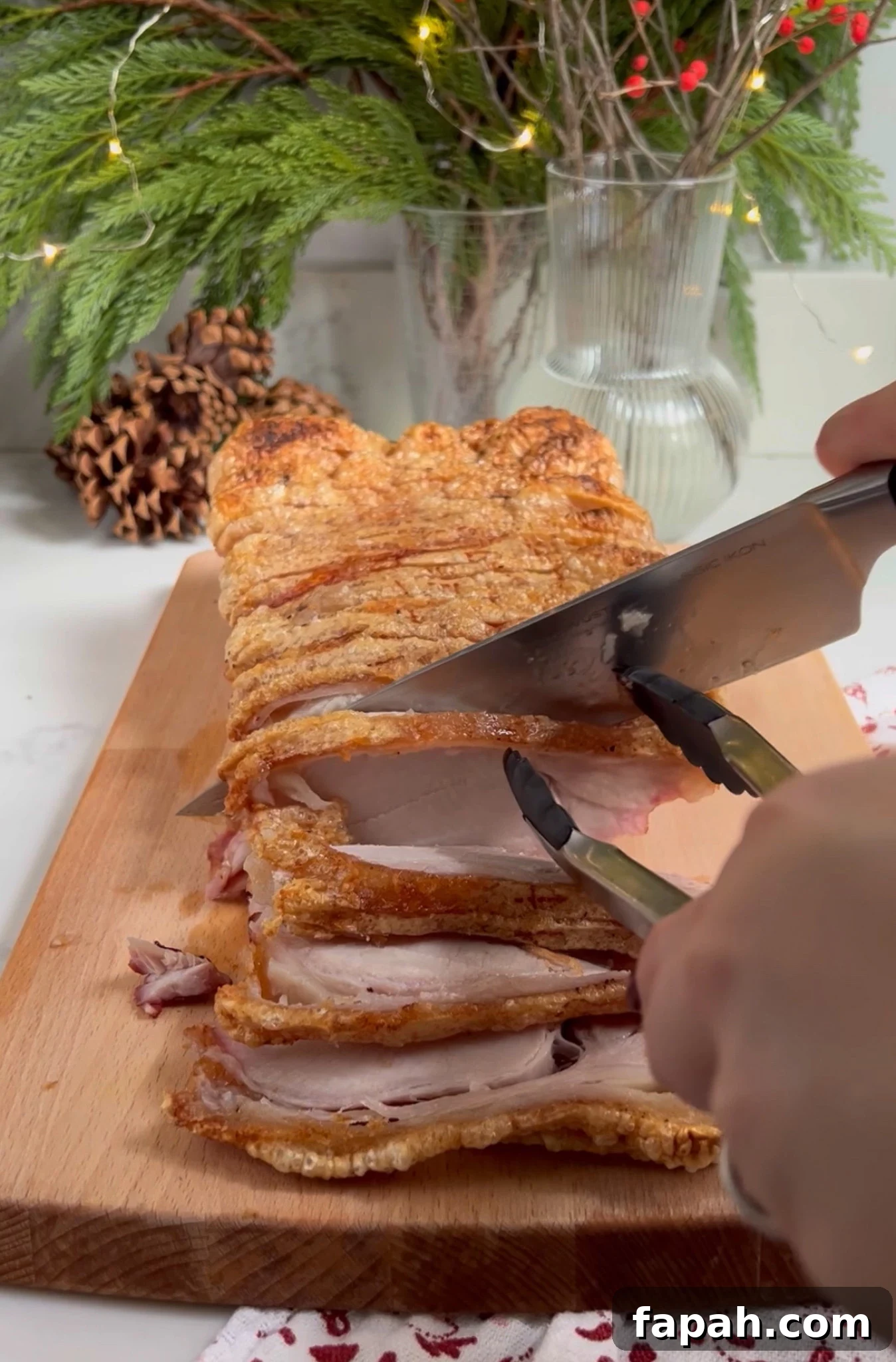
Remove the roast from the oven and let it rest at least 10 minutes. Slice following the rind cuts and serve with gravy, potatoes, and braised red cabbage.