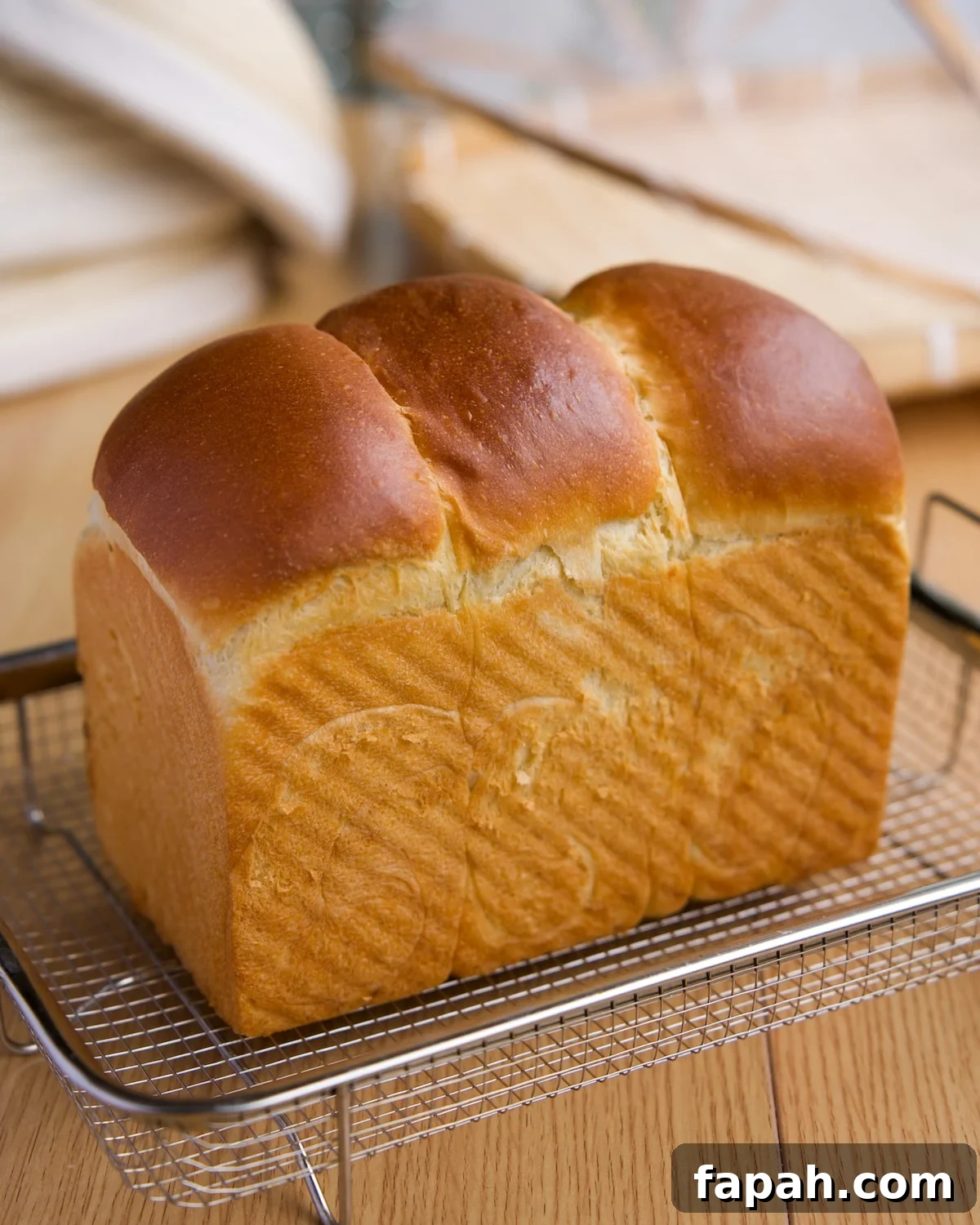
This Sourdough Milk Bread is irresistibly soft and fluffy. It’s made with a sweet stiff starter (instead of commercial yeast), which keeps sourness low, improves texture, and adds depth of flavor. This loaf is especially good for sandwiches and toasting.
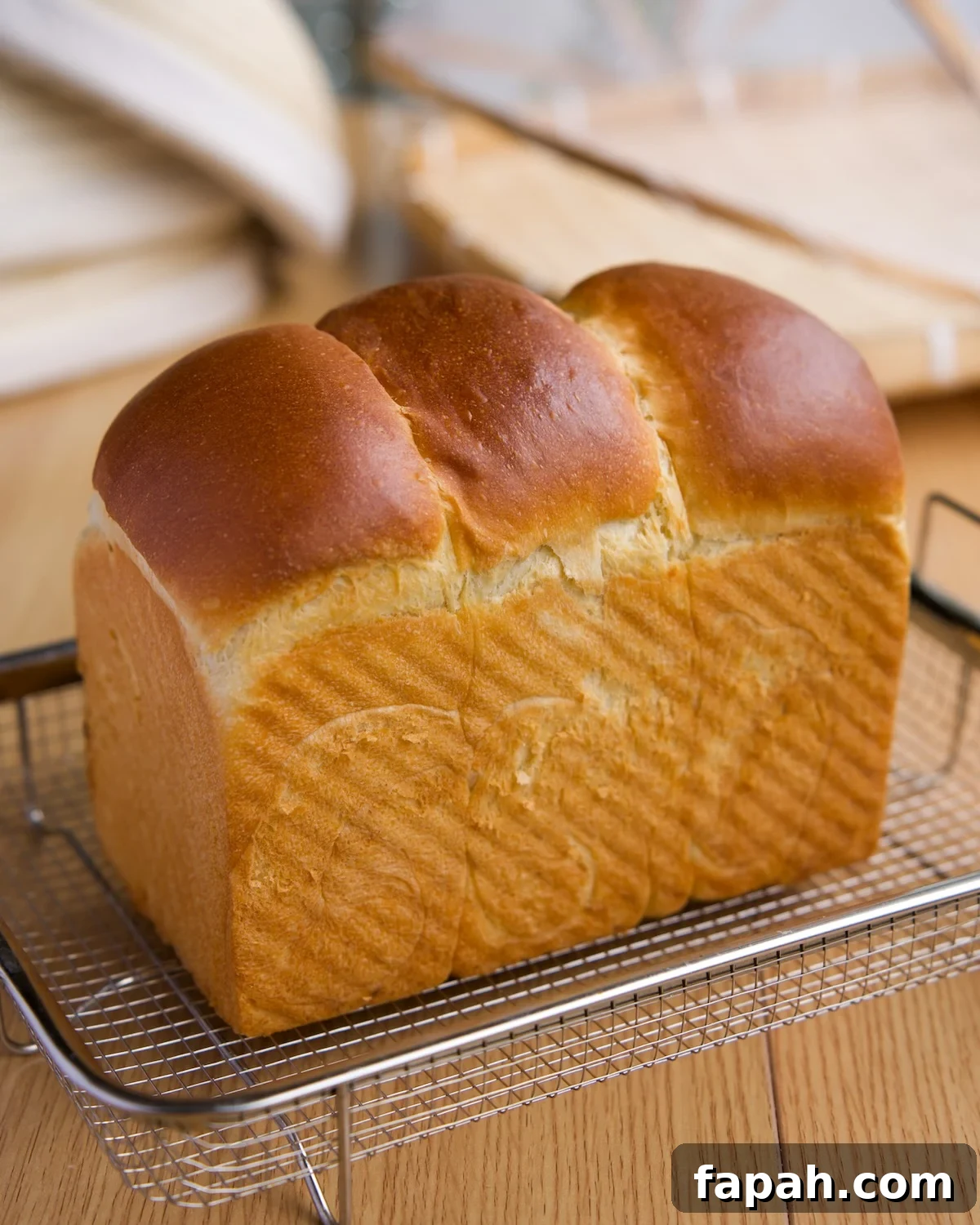
Today I’m sharing how to make milk bread using your sourdough starter. I started studying sourdough years ago to bake breads my family loves, and along the way I learned how to adapt starter techniques to enriched breads. This recipe is the result: a soft, enriched milk bread with virtually no tang.
Milk bread is one of my favorite breads. Its subtle sweetness, pillowy crumb, and delicate chew make it versatile — delicious plain, toasted with butter and jam, or as a base for sandwiches. The texture is tender yet structured, and the flavor is gently sweet rather than sour.
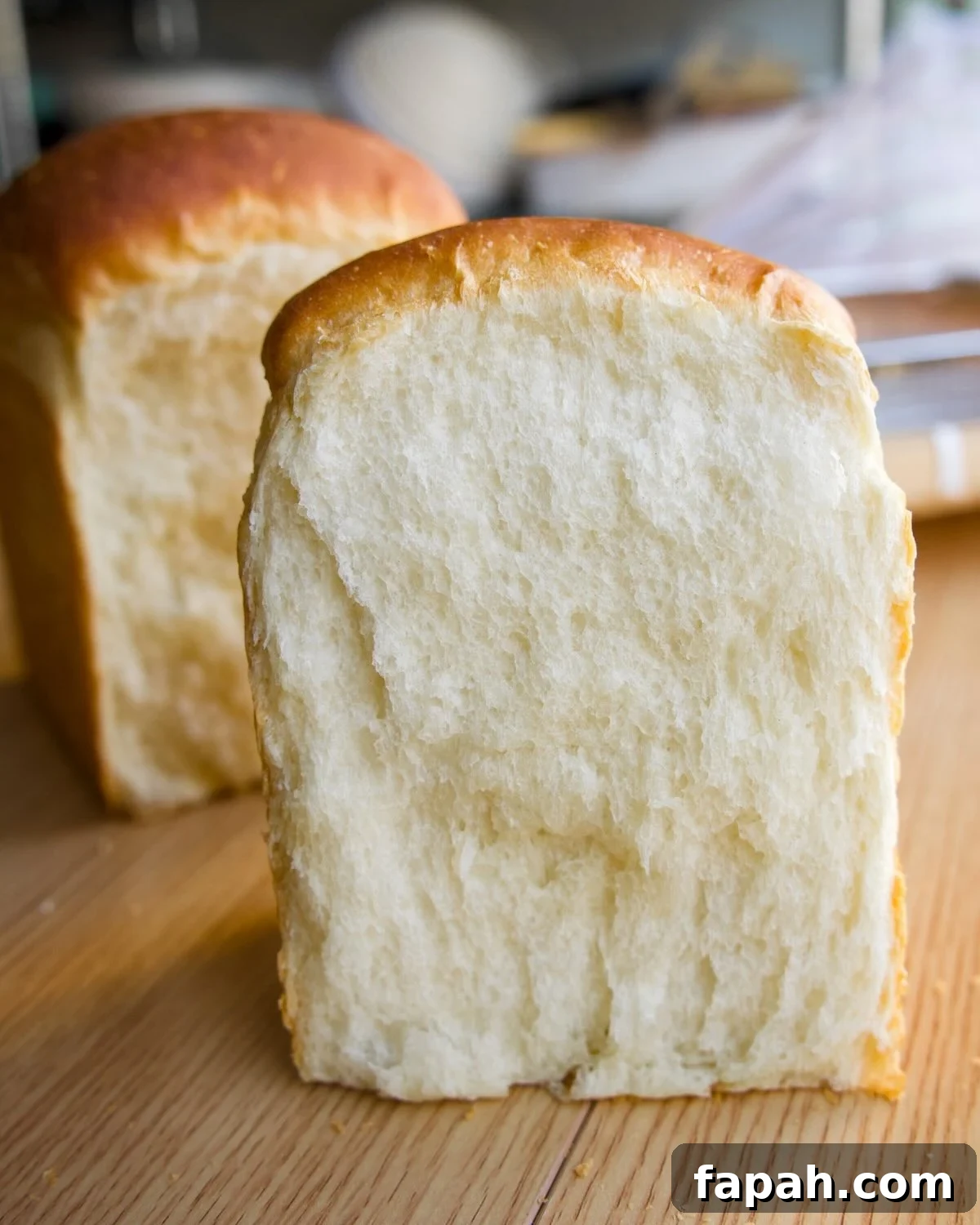
What is Milk Bread?
Milk bread is an enriched, soft loaf prized for its pillowy texture, fine crumb, and gentle sweetness. Often associated with Asian-style loaves (for example, Japanese shokupan), milk bread uses enrichment and a technique called tangzhong — a cooked roux of milk and flour — to lock in moisture and keep slices soft for longer.
The dough includes milk, sugar, butter, and sometimes milk powder and egg, yielding a tender, slightly sweet loaf that browns beautifully and stays soft longer than standard breads.
Why You’ll Love This Recipe
- Soft, pillowy texture with a delicate, melt-in-your-mouth chew.
- Lightly sweet, milky flavor that complements both sweet and savory toppings.
- Tender, shreddable crumb that pulls apart easily — ideal for toast or sandwiches.
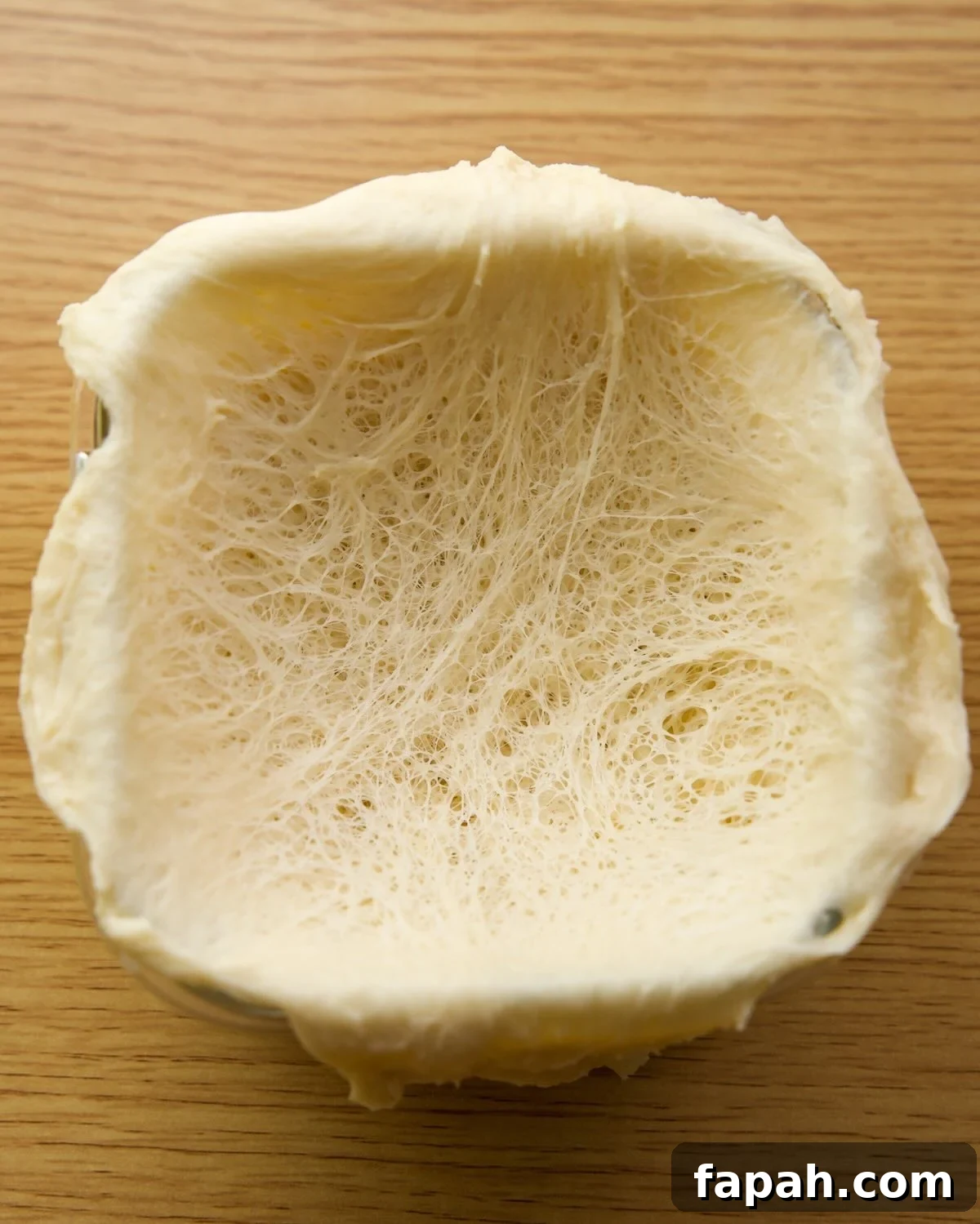
Sweet stiff sourdough starter at its peak, stretched to show an elastic gluten network.
Why Use Sourdough Starter for Milk Bread?
You may wonder why use a starter for a bread that should not be sour. The goal here is experimentation: to harness the flavor and keeping properties of a starter while avoiding tang. Using a sweet, stiff starter and controlling fermentation temperature helps emphasize yeast activity over bacterial acidity, resulting in a soft, mildly sweet loaf.
Key benefits of the approach:
- Warmer fermentation favors yeast growth over souring bacteria.
- Added sugar feeds yeast and reduces tanginess.
- Stiff, lower-hydration starter strengthens the dough and supports a pillowy crumb.
Beyond loaf quality, baking with a starter improves timing and fermentation skills, and enriched sourdough loaves often retain freshness longer than yeast-only versions.
Ingredients You’ll Need
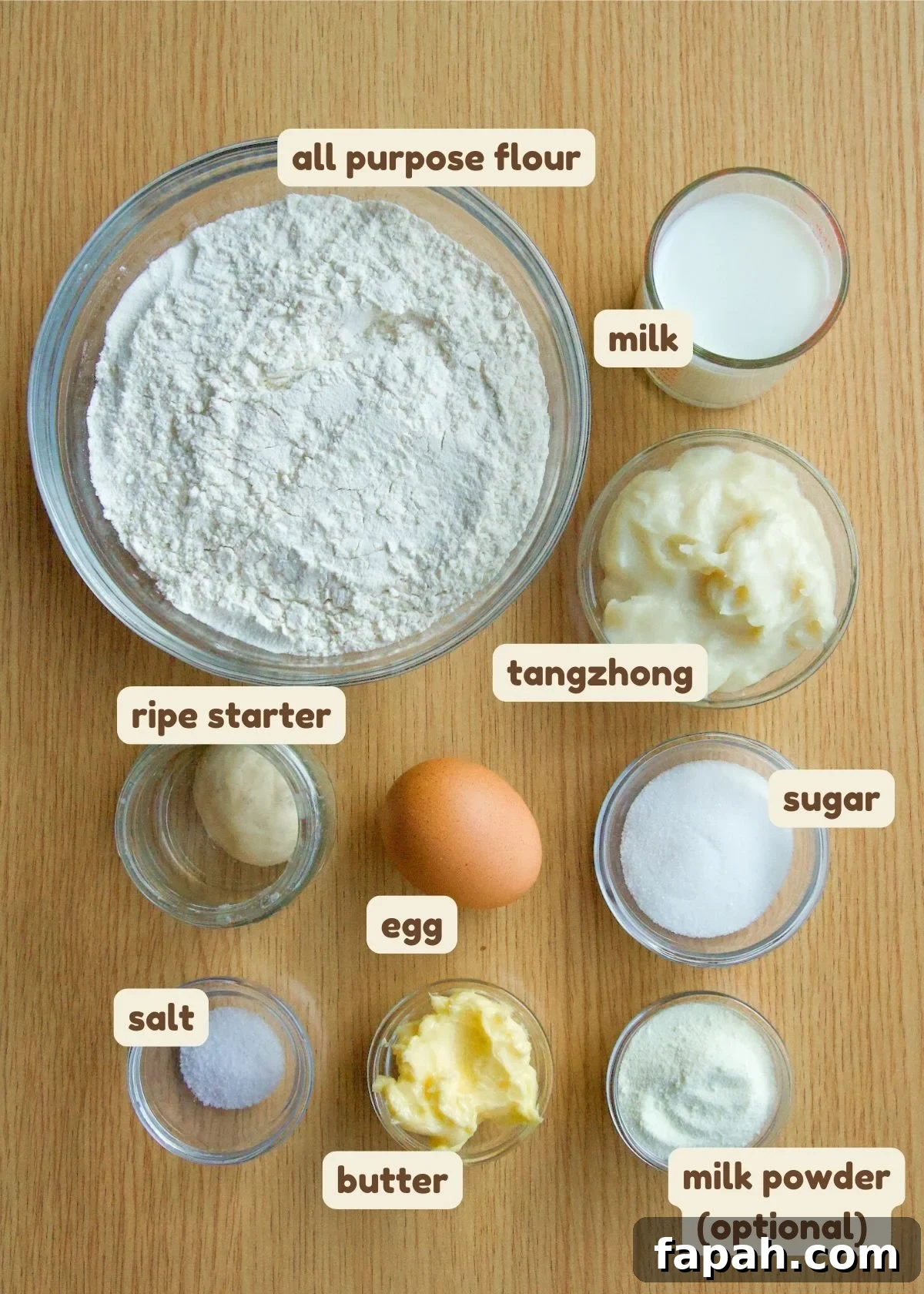
- Flour – a strong all-purpose or bread flour works best (about 11–12% protein) to give structure to the enriched dough.
- Tangzhong – cooked milk and flour roux to retain moisture and create a soft crumb.
- Milk – 2% or whole milk at room temperature.
- Sourdough starter – a healthy sweet stiff starter is ideal; a 100% hydration starter can also work if it’s active and not overly acidic.
- Egg – adds richness, color, and tenderness.
- Sugar – for sweetness, browning, and yeast food.
- Butter – provides richness and a soft crumb.
- Salt – balances flavor and strengthens gluten.
- Milk powder (optional) – boosts richness and crust color.
How to Make It
Below are step-by-step instructions; quantities and full recipe details are provided in the recipe card later in this article.
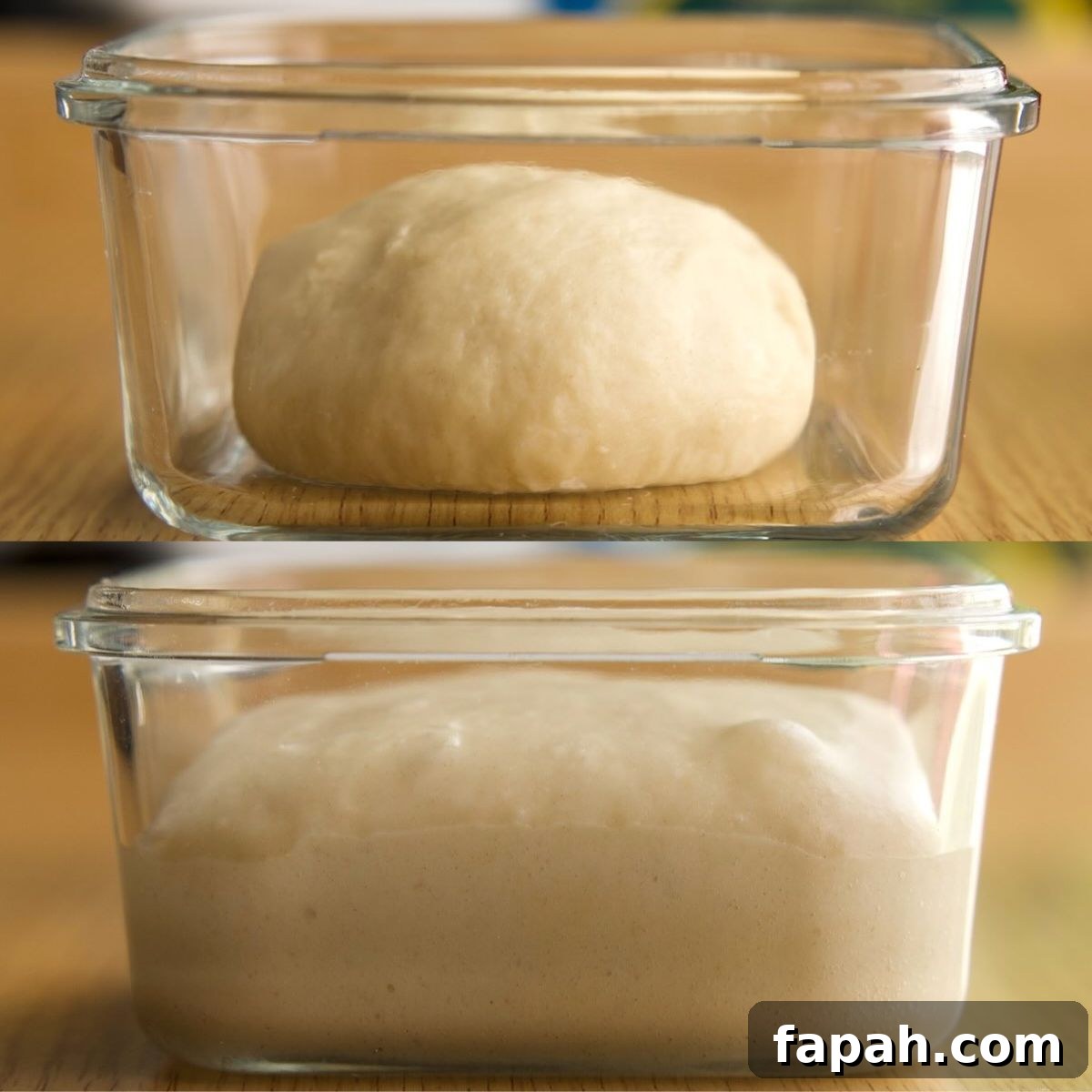
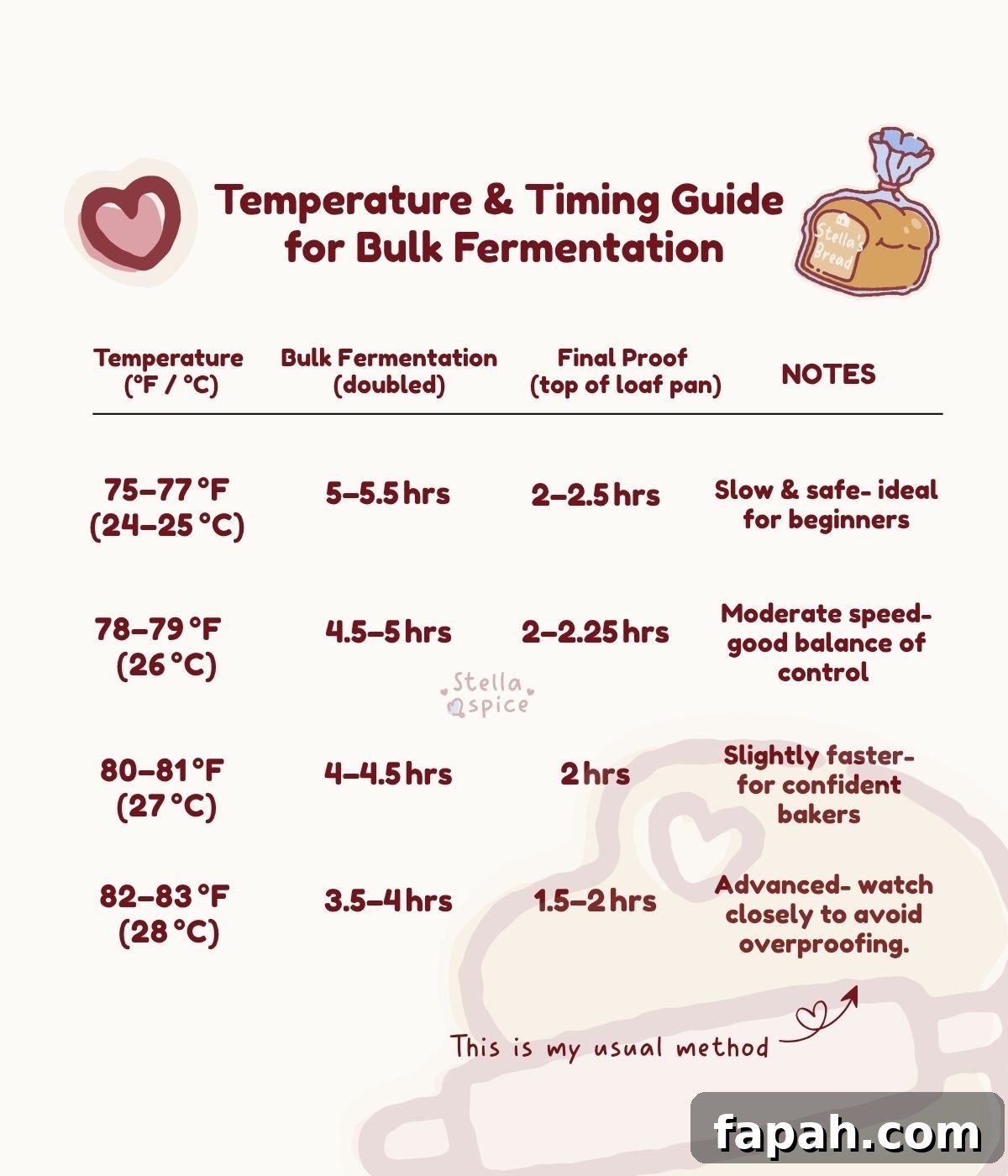
- Make the sweet stiff starter: combine ripe starter, flour, sugar, and warm water. Knead briefly and ferment in a warm spot (78–85°F / 26–29°C) until peaked and doubled, about 5–6 hours.
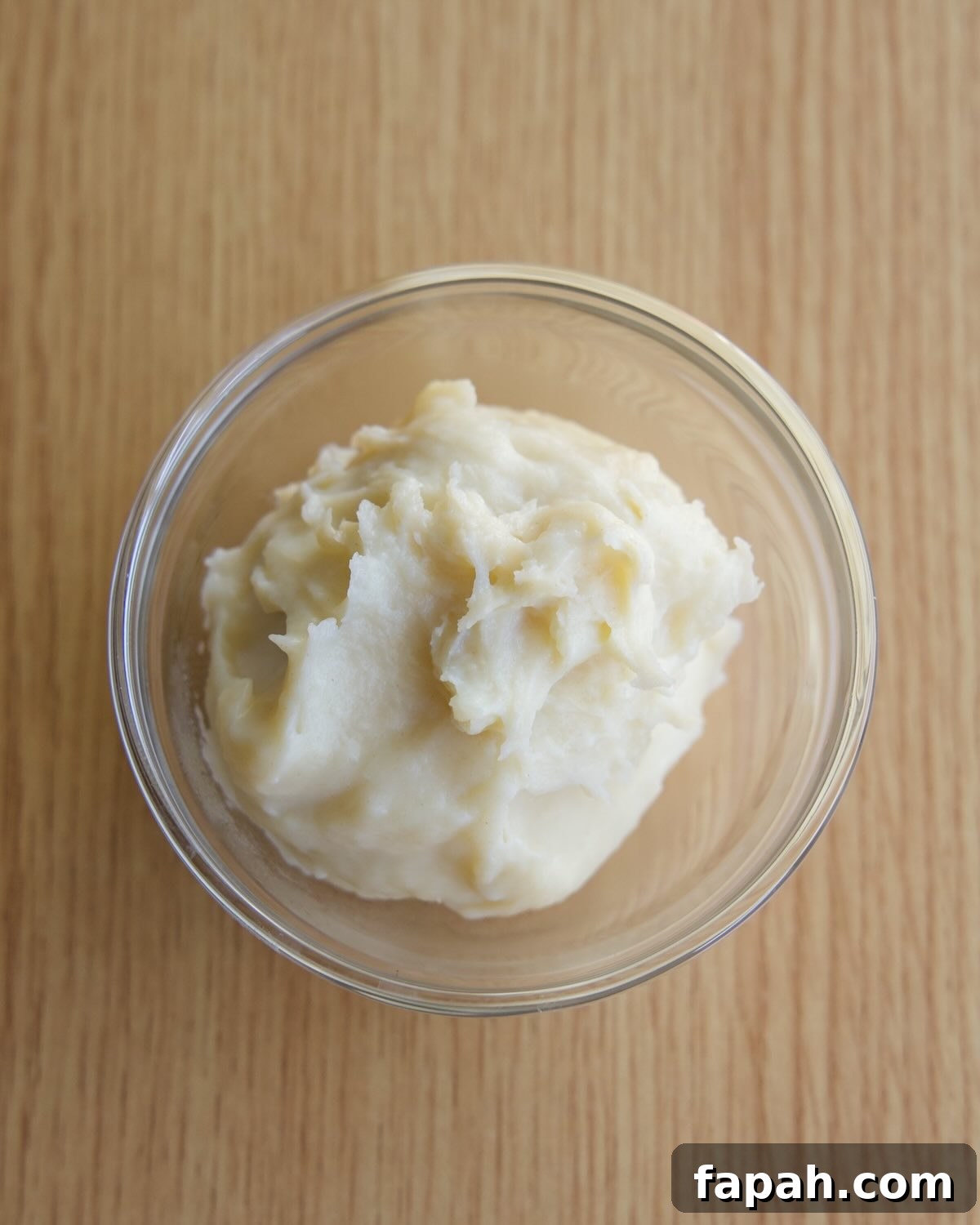
- Make the tangzhong: whisk milk and flour over medium-low heat until it thickens to a smooth, custard-like paste (3–4 minutes). Let it cool slightly.
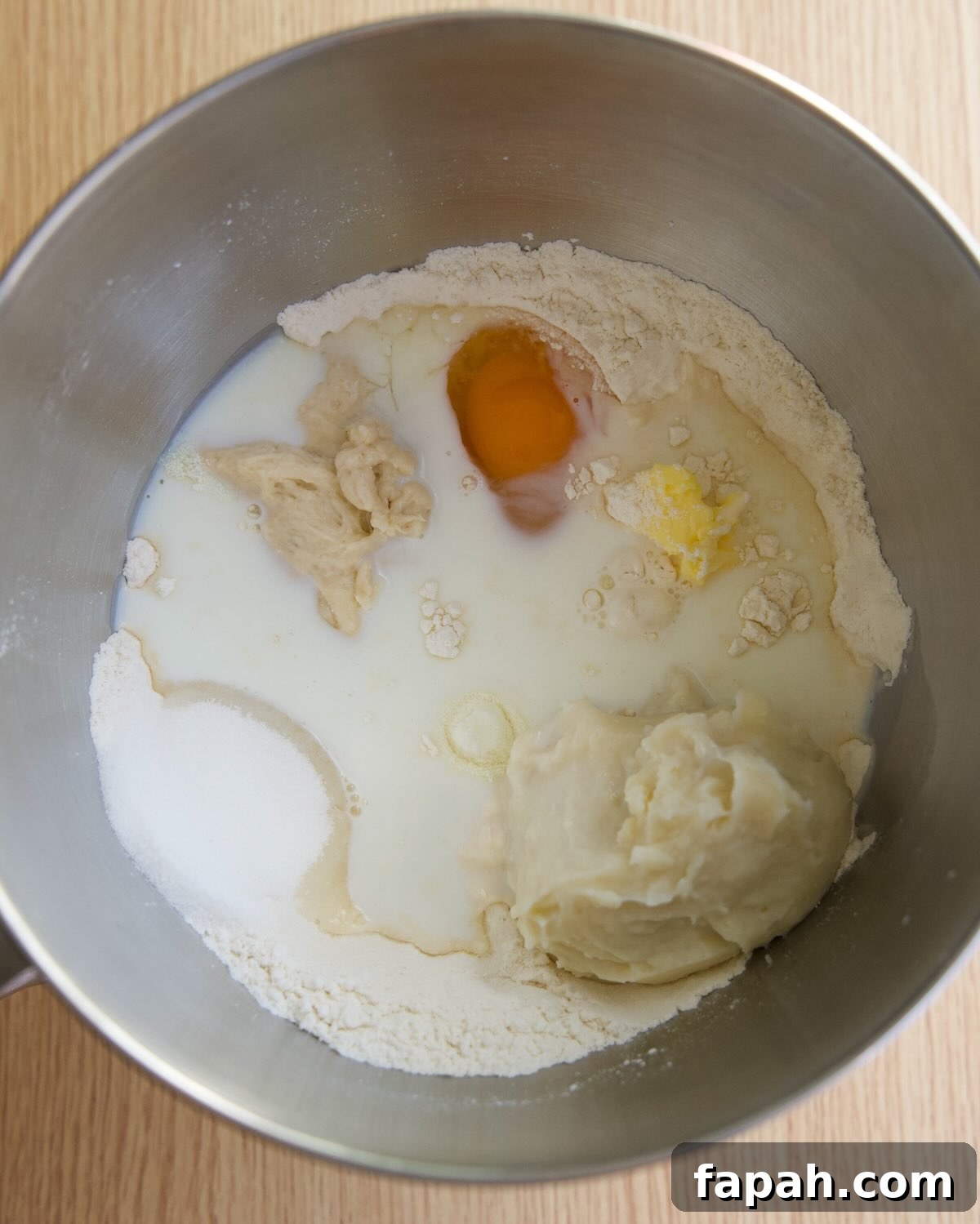
- In a stand mixer fitted with the dough hook, combine flour, sweet stiff starter, tangzhong, egg, sugar, softened butter, salt, milk, and optional milk powder.
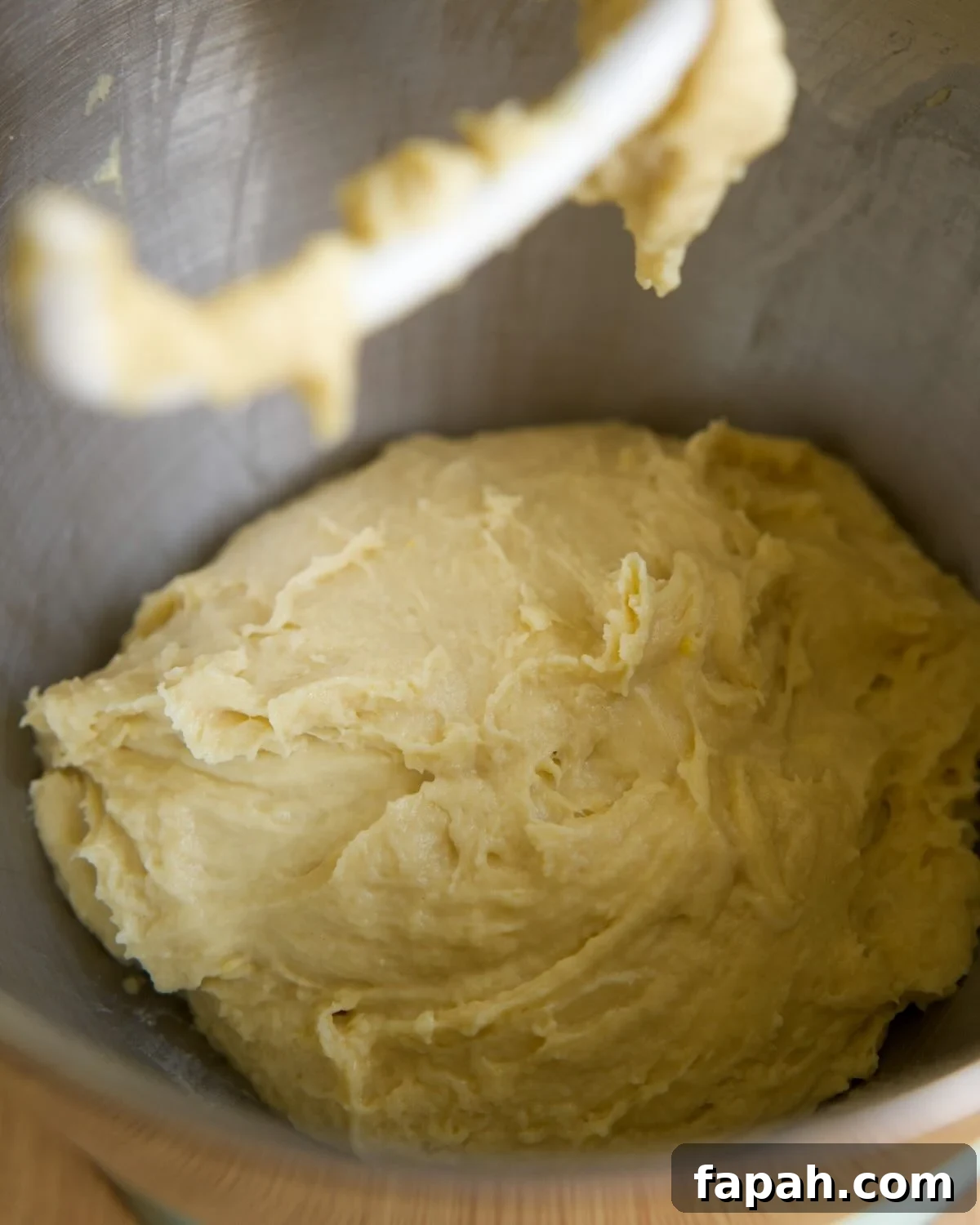
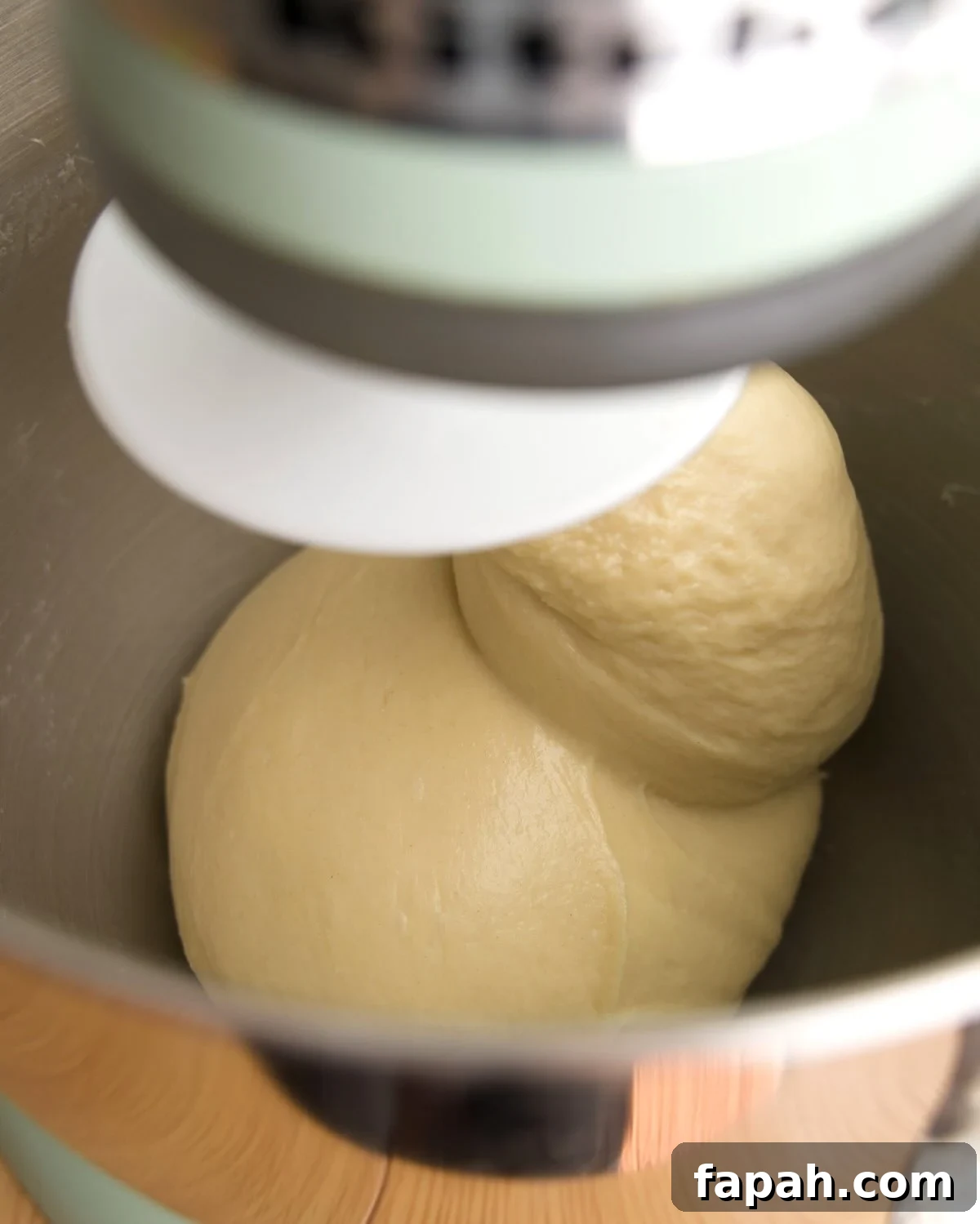
- Mix on low speed for 1–2 minutes to combine, then scrape the bowl. Increase speed to medium for several minutes, then reduce and knead until the dough forms a smooth ball and pulls away from the bowl.
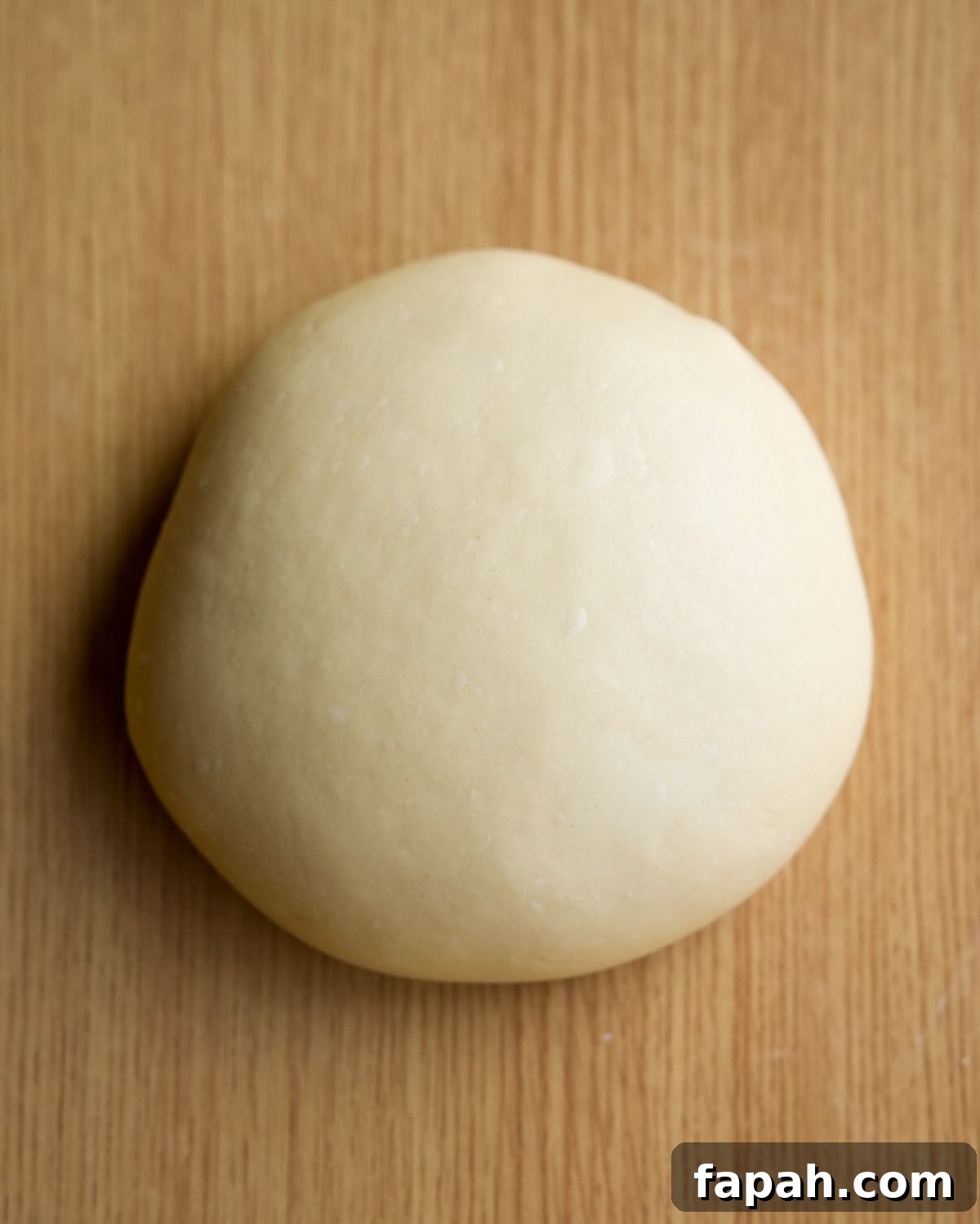
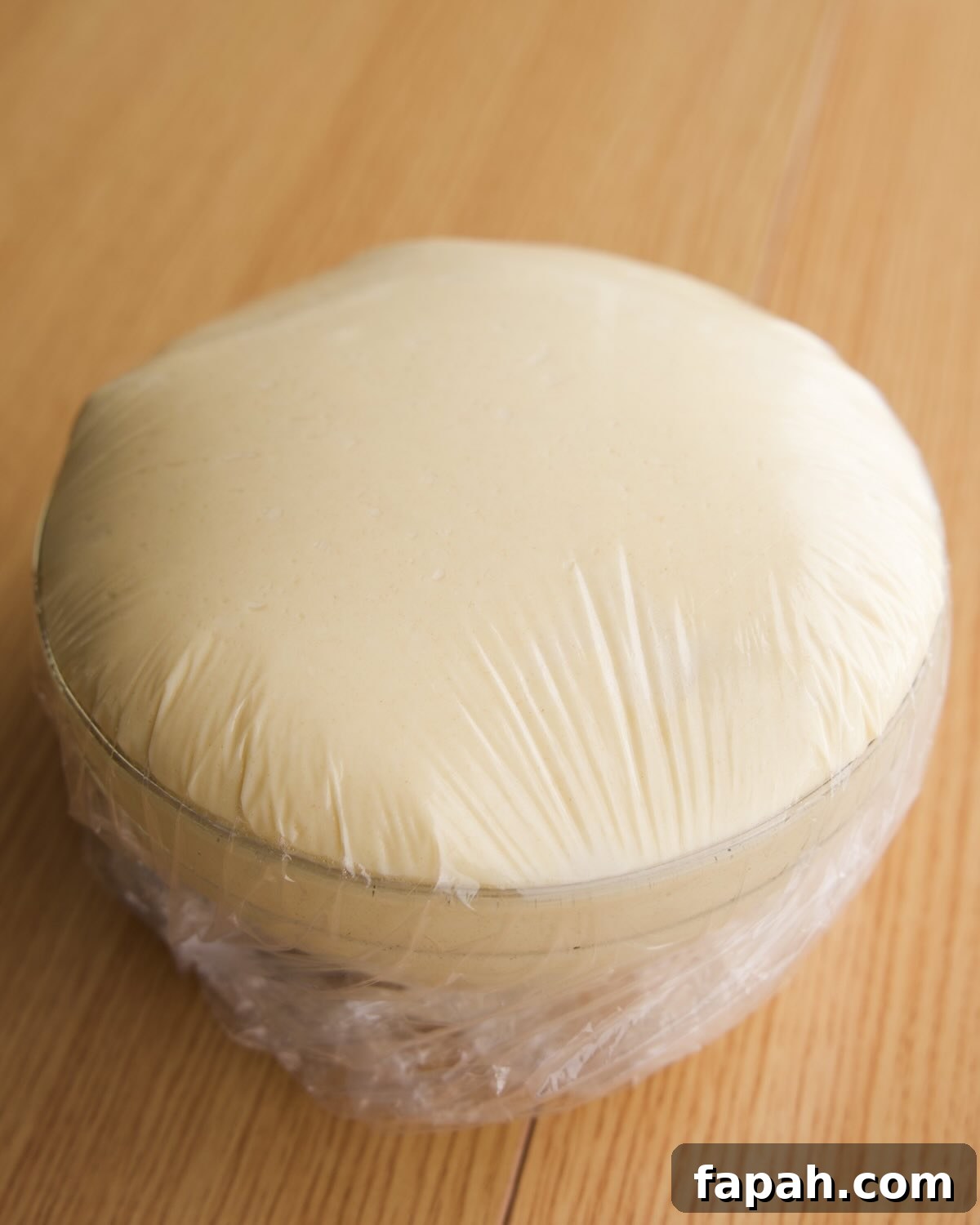
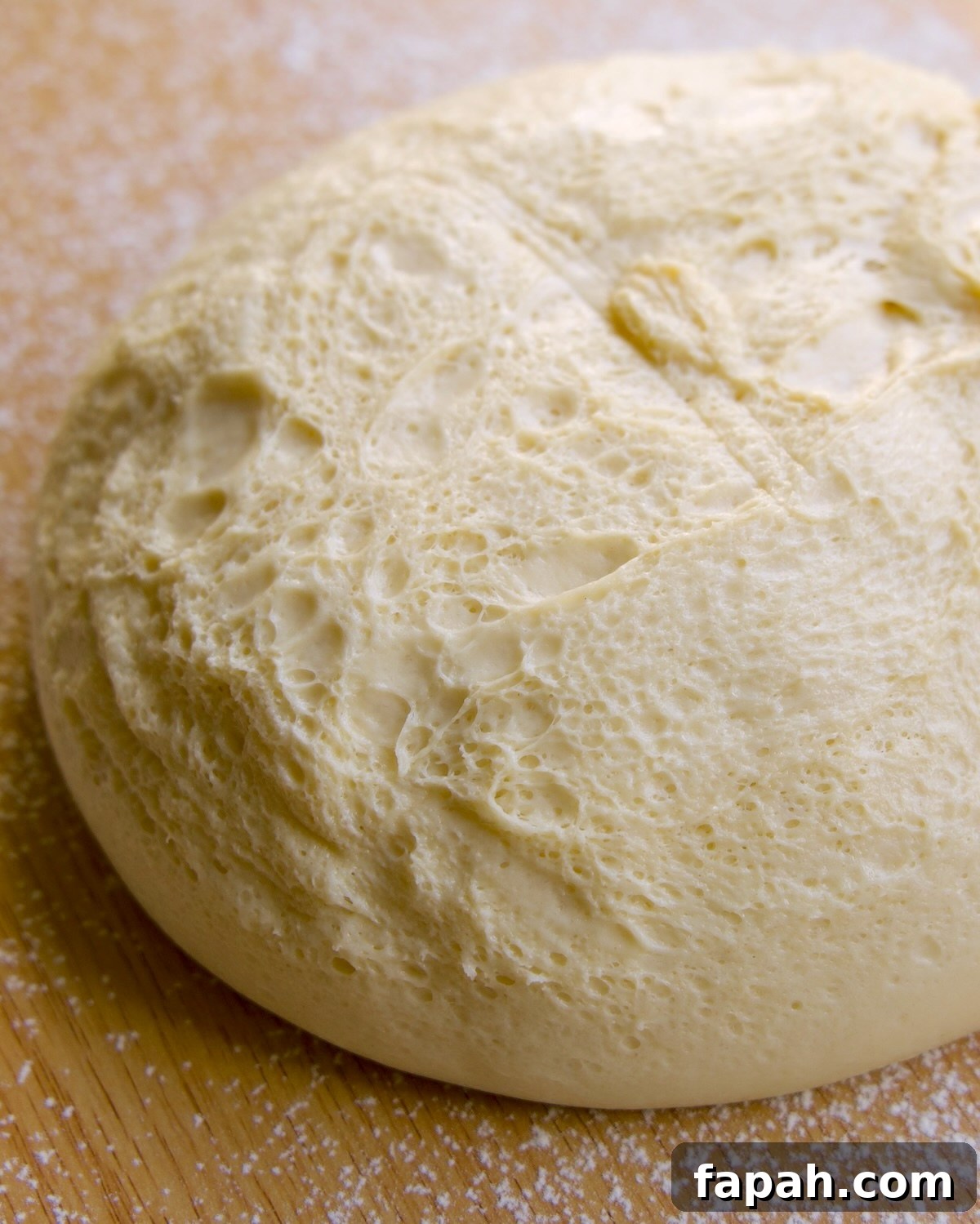
- Turn dough onto a lightly wet surface and perform a few slap-and-folds. Shape into a smooth, taut ball, then place in a lightly greased bowl to proof until doubled (3½–6 hours depending on temperature and starter).
- Turn the fermented dough onto a lightly floured surface and divide into 2 or 3 equal pieces. Preshape into balls and rest 20–30 minutes.
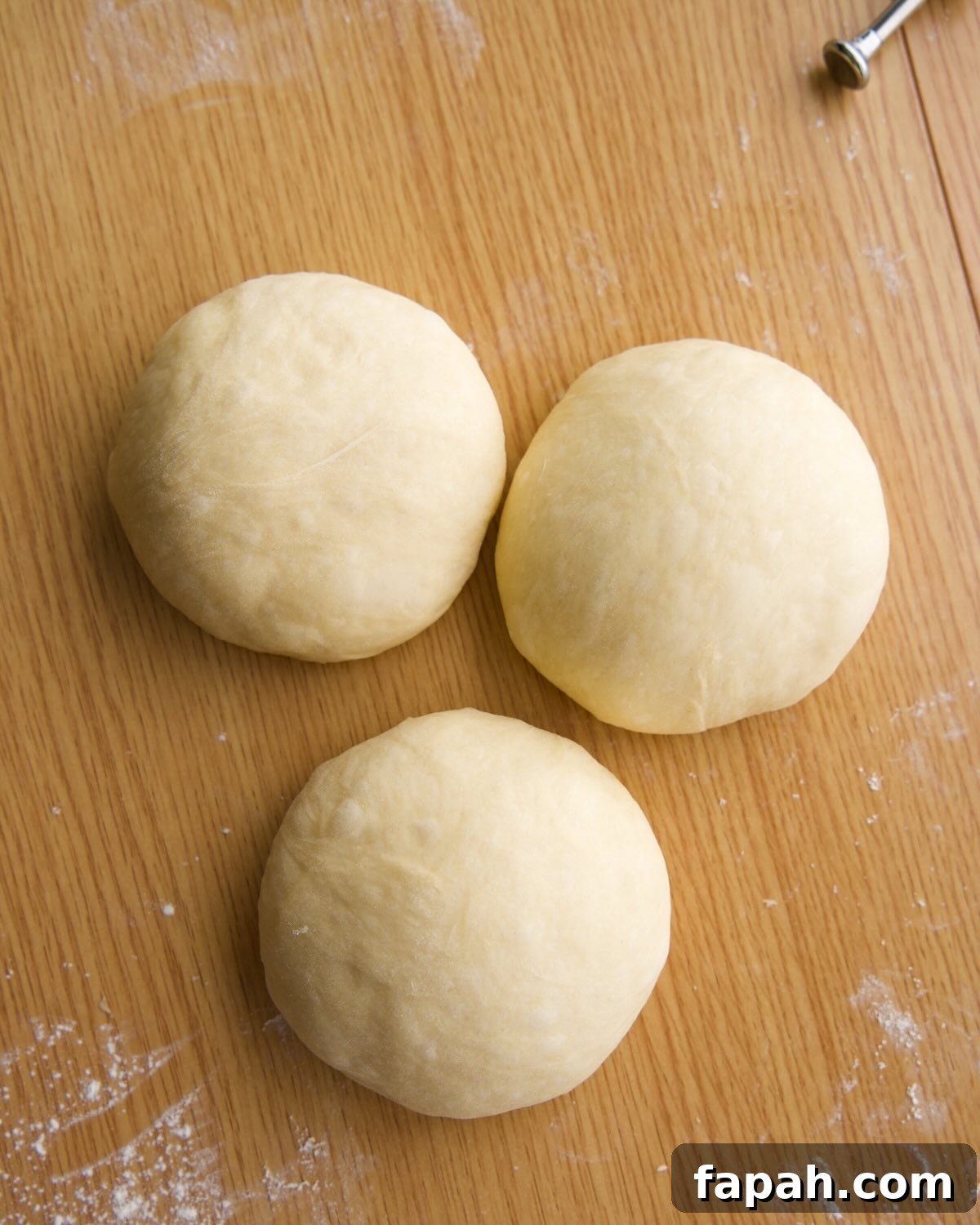
- Lightly flour the work surface and roll each piece to about 1/3 inch thick. Fold top and bottom edges to the center, flatten slightly, then roll into a log and pinch the seam to seal.
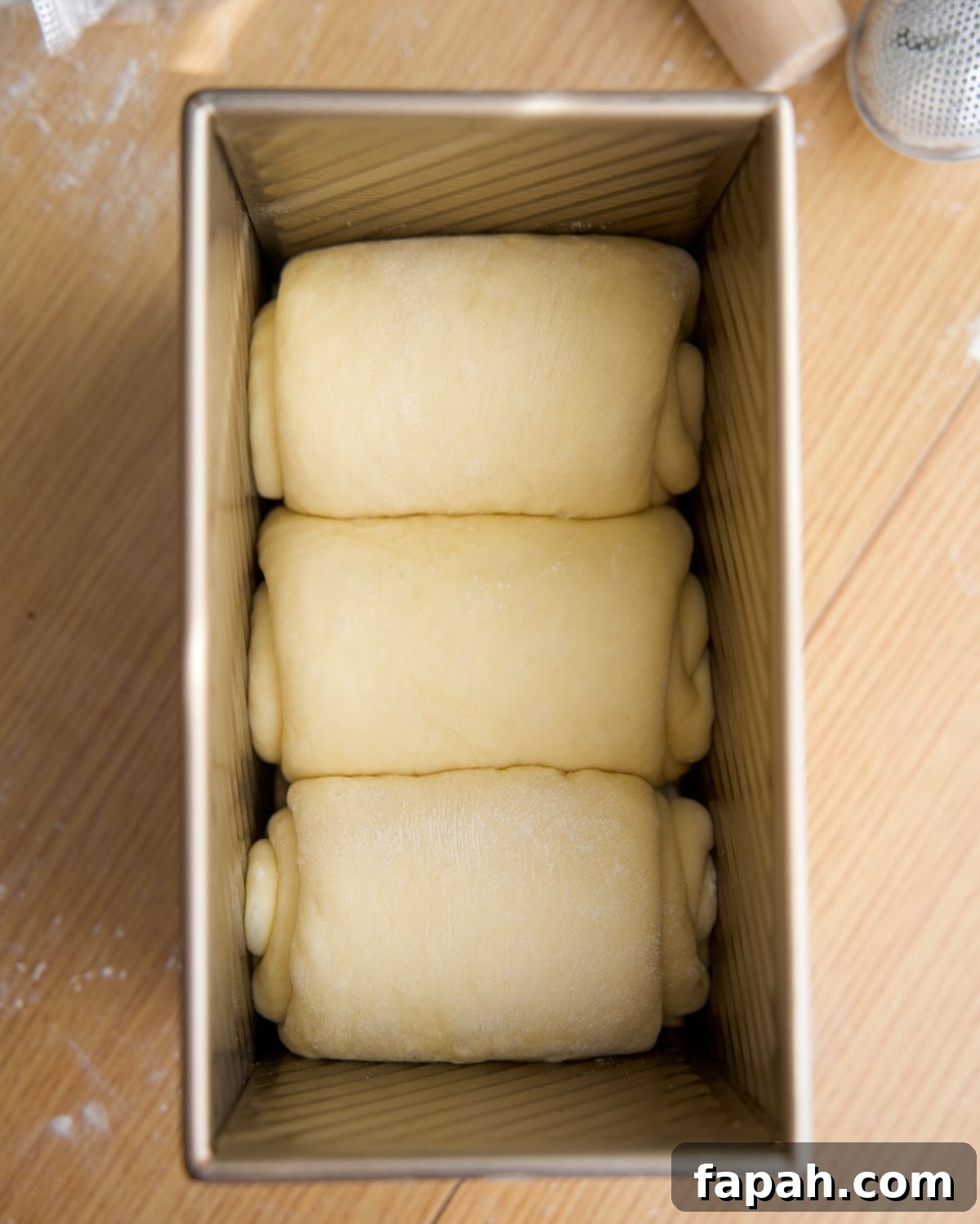
- Place the rolls into a well-greased 1 lb loaf pan, tucking edges to fit neatly.
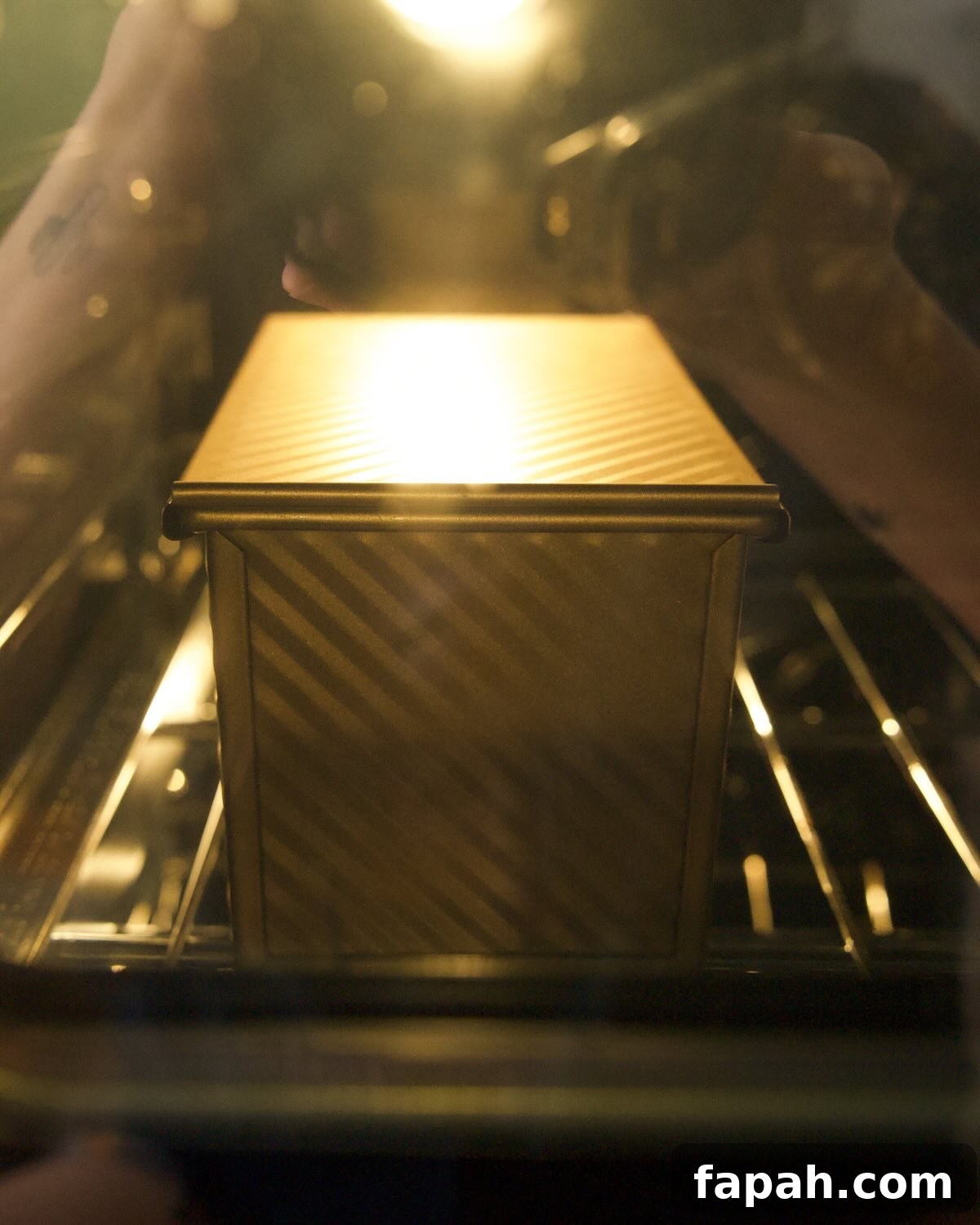
- Cover and proof in a warm spot until the dough nearly reaches the top of the pan (about 1½–2 hours). Preheat the oven to 350°F (175°C) about 15 minutes before baking.
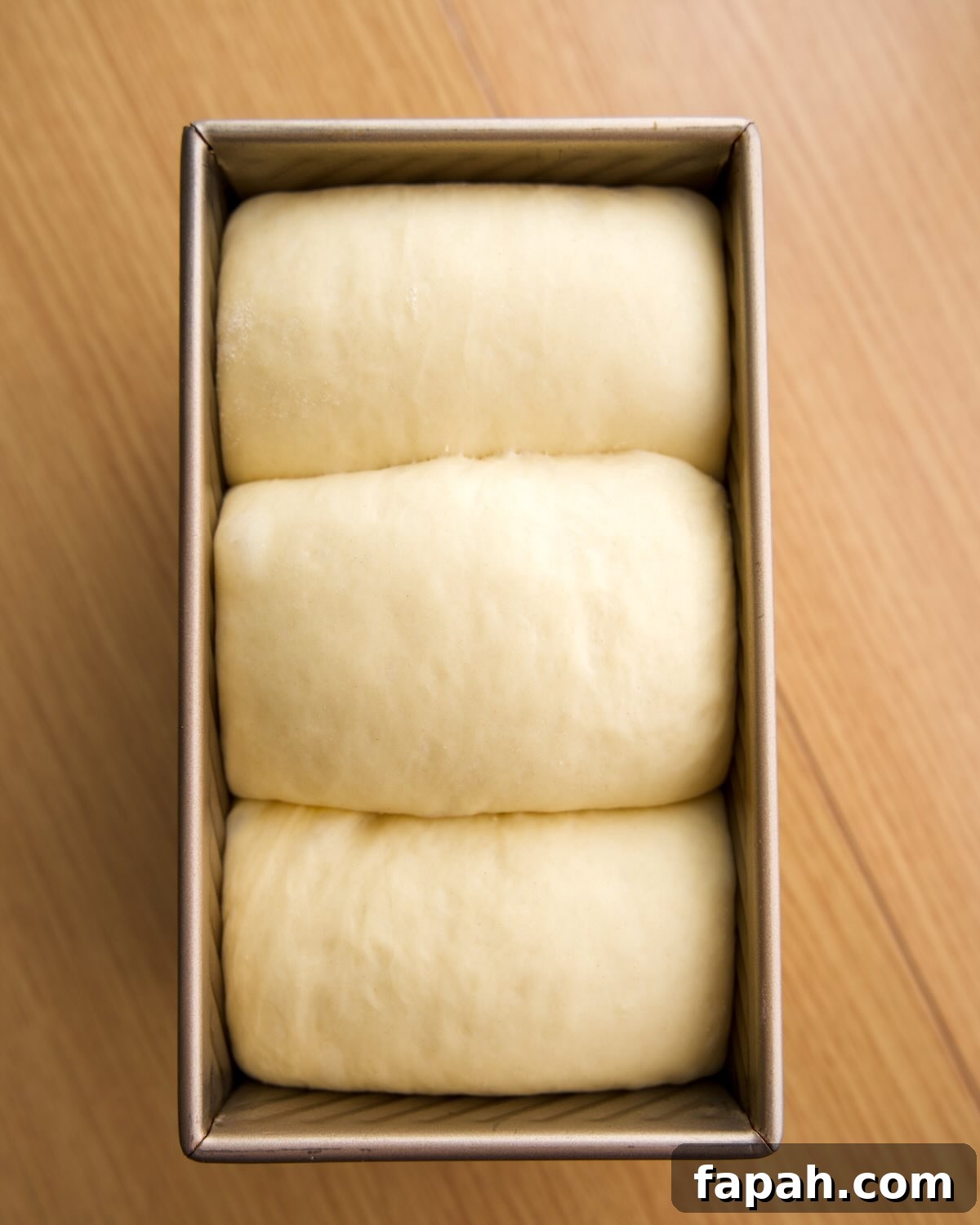
- Lightly brush the tops with milk, taking care not to let it drip down the sides where it can cause sticking.
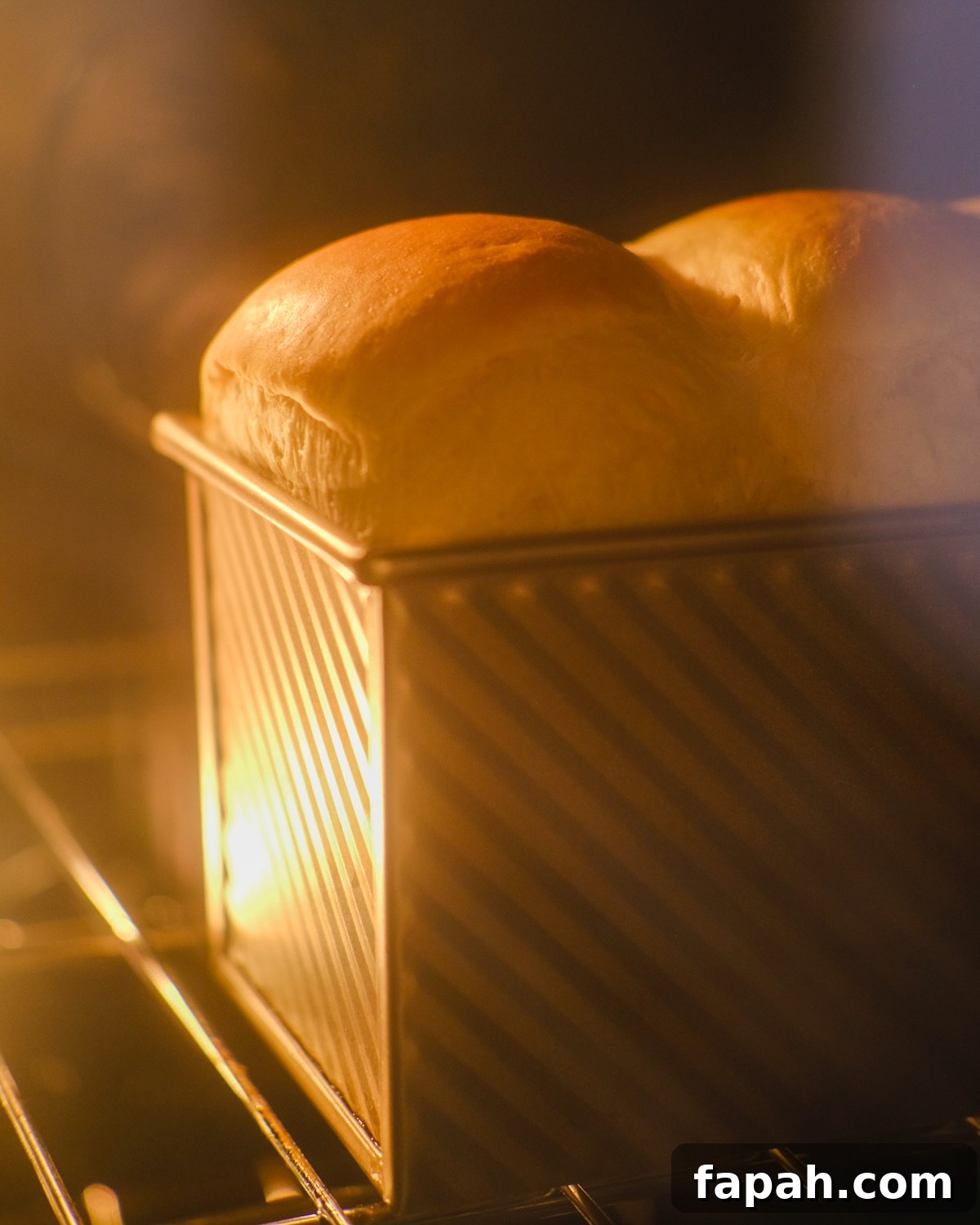
- Bake for 28–30 minutes until the crust is golden brown and the loaf sounds hollow when tapped.
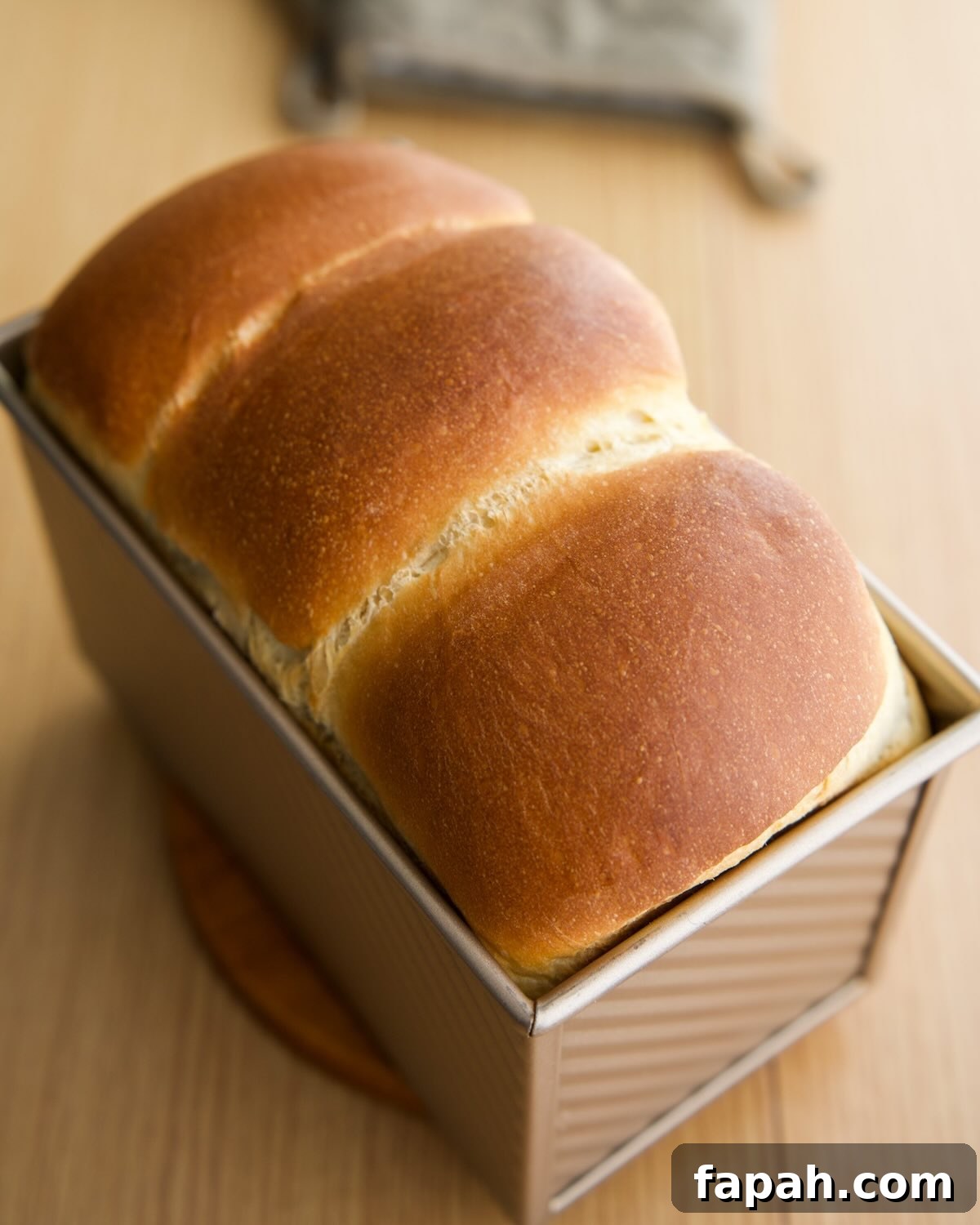
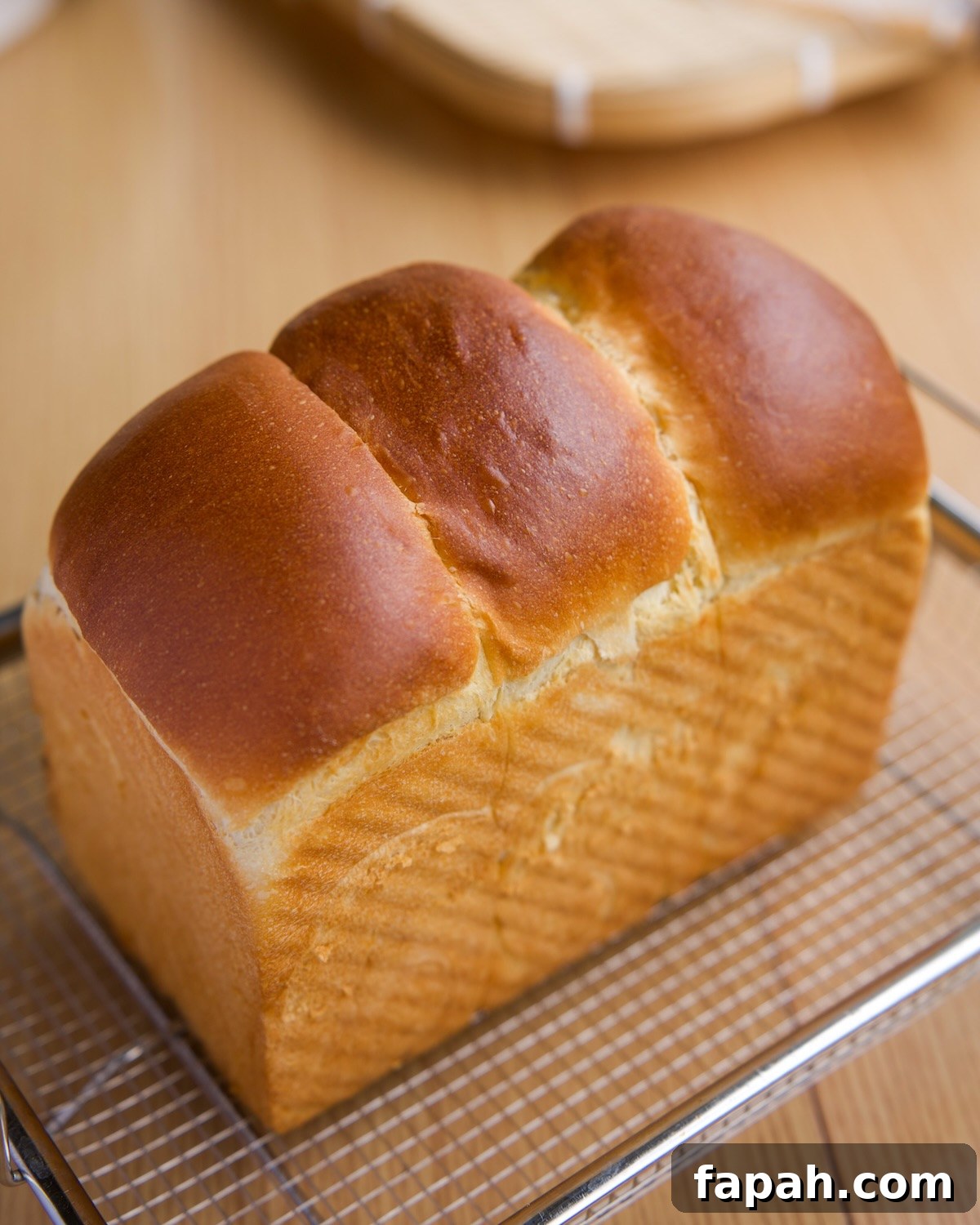
- Let the bread rest in the pan for 10 minutes so the sides set and release easily, then remove and cool completely on a wire rack before slicing.
Recipe Tips
Adjust your starter to your schedule: You can refrigerate the sweet stiff starter at about 75% rise to fit baking plans; bring it back to peak before use.
Bring ingredients to room temperature: Remove milk, egg, and butter from the fridge ahead of time for even mixing and fermentation.
Use warm tangzhong to help dough temperature: If milk or egg are cool, using slightly warm tangzhong helps the dough reach a favorable fermentation temperature — avoid piping-hot tangzhong to protect starter activity.
Let the loaf rest before removing: Allow the pan to sit for about 10 minutes after baking so the sides set; a gentle scraper can help if loaf sticks to the pan.
Create a warm proofing environment: If your kitchen is cool, proof in an oven with the light on, by a warm appliance, or near a cup of hot water in a closed space. Visual cues for doubling are more reliable than strict timing for enriched doughs.
Storing
Enriched milk bread is best fresh but stores well when handled correctly.
- Room temperature: Once fully cooled, store the whole loaf in a large resealable bag or airtight container. It will stay soft for 2–3 days.
- Refrigeration: If you need to keep it longer, refrigerate after 2–3 days. Refrigeration can extend life by several days but may slightly dry the crumb. Toasting revives texture.
Pro tip: Keeping the loaf whole retains moisture; slice only what you need.
Serving Suggestions
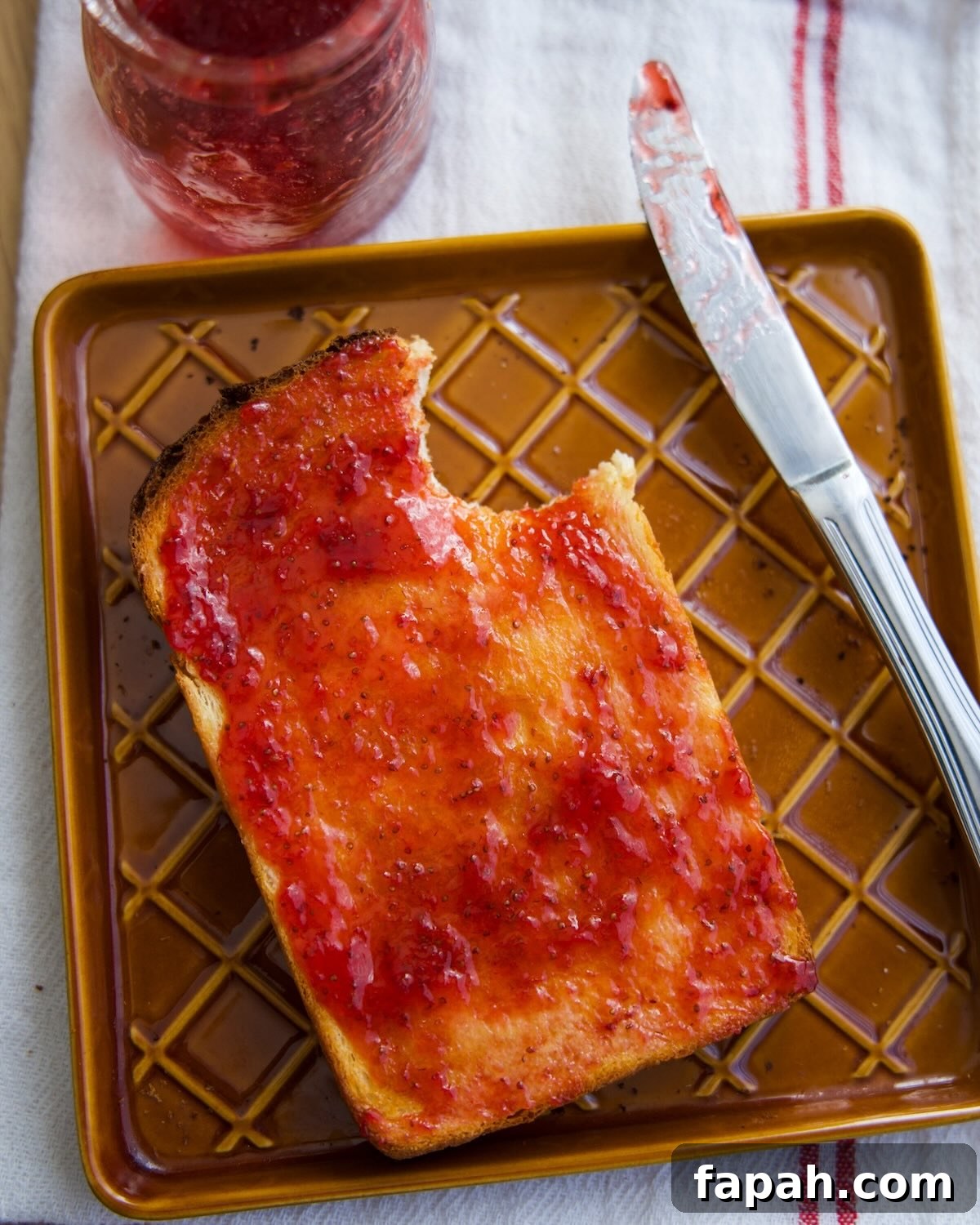
Milk bread is versatile. My favorite is toasted with salted butter and homemade jam. It also makes excellent sandwiches, French toast, and bread pudding. Shape smaller portions to create dinner rolls or sliders.
- French toast: Its soft texture soaks up custard nicely — consider using slightly stale slices for best results.
- Bread pudding: The tender crumb makes a rich, comforting dessert and is a great use for leftover or stale bread.
- Sandwiches: From simple PB&J to savory egg or ham sandwiches, this loaf performs beautifully.
Frequently Asked Questions
Yes. This recipe was developed with a stiff starter, but a liquid starter will work if it is active and has been fed regularly. Hydration differences are small in the final dough and performance should be similar.
Enriched doughs rise more slowly because butter, milk, and sugar slow fermentation. Ensure your starter is active and proof the dough in a warm environment. If there is no rise at all, check starter health and activity.
No. With a sweet stiff starter and proper temperature control, the bread should be soft, lightly sweet, and not sour.
You can omit it, but expect a slightly less moist and less tender loaf. Tangzhong helps retain moisture and improves shelf life.
Milk bread dough is naturally soft and somewhat sticky due to milk and fat. If overly sticky, continue kneading to develop gluten. Avoid adding too much extra flour, which can make the loaf dense; instead, wet your hands lightly to handle the dough.
Yes. Without a mixer, use the slap-and-fold method and expect longer kneading time (about 15–20 minutes) to develop gluten. Give the dough short rests as needed.
Try these next
Dessert
Korean Sweet Pancakes (Hotteok)

Dessert
Churros
Dessert
Orejas (Palmiers)
Mexican
Birote Salado (Mexican Sourdough Bread)
If you tried this Sourdough Milk Bread recipe or any other recipe here, please leave a star rating and share how it went in the comments.
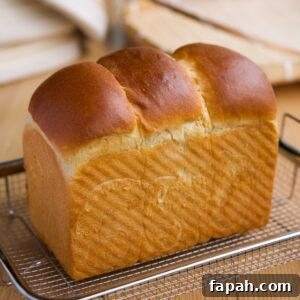
Soft & Fluffy Sourdough Milk Bread
Equipment
- Stand mixer (optional, you can knead by hand)
- Bench scraper
- 1 lb loaf pan or Pullman pan
Ingredients
Sweet Stiff Starter
- 15 g ripe starter
- 15 g sugar
- 80 g strong all-purpose or bread flour
- 40 g warm water
Tangzhong (roux)
- 25 g strong all-purpose or bread flour
- 120 g milk
Final Dough
- All of the sweet stiff starter
- All of the tangzhong
- 300 g strong all-purpose or bread flour
- 125 g milk (2% or whole), room temperature
- 30 g softened butter
- 30 g sugar
- 1 tsp kosher salt
- 1 egg, room temperature
- 10 g milk powder (optional)
Instructions
Make the sweet stiff starter
- Combine starter, flour, sugar, and warm water in a small bowl. Knead 2–3 minutes until mixed, then cover and ferment at 78–85°F (26–29°C) until domed and doubled, about 6 hours.
Make the tangzhong
- Whisk milk and flour in a small saucepan over medium-low heat until it thickens into a smooth paste. Cool slightly.
Combine final dough
- In a mixer with dough hook, combine flour, sweet stiff starter, tangzhong, egg, sugar, softened butter, salt, milk, and optional milk powder. Mix on low 1–2 minutes, scrape bowl, then mix medium speed to develop gluten. Knead until dough forms a smooth ball and pulls from the bowl.
- Turn dough onto a lightly wet surface, perform slap-and-folds, shape into a smooth ball, and place in a lightly greased bowl to ferment until doubled (3½–6 hours depending on conditions).
Divide & shape
- Divide dough into 2 or 3 pieces. Preshape into balls and rest 20–30 minutes. Roll each to about 1/3″ thick, fold edges to center, flatten, then roll into logs and seal seams. Place in a greased 1 lb loaf pan.
Final proof & bake
- Proof in a warm spot until the dough nearly reaches the top of the pan. Preheat oven to 350°F (175°C) about 15 minutes before baking.
- Brush tops lightly with milk and bake 28–30 minutes until golden brown. Let rest in the pan 10 minutes, then remove and cool completely on a wire rack before slicing.
Notes
Use a strong all-purpose or bread flour for best structure. Keep the starter warm to favor yeast activity and reduce acidity. Enriched doughs are soft and may feel sticky during handling — resist adding too much flour. Cool completely before slicing to avoid a gummy crumb.
Nutrition (approx.)
Serving: 1 loaf — Calories: 2136 kcal; Carbohydrates: 372 g; Protein: 59 g; Fat: 43 g. Use these numbers as an approximation.
Additional Info
Author: Stella Navarro-Kim
Course: Dessert, Main Course, Snack — Cuisine: Asian
Keyword: milk bread, shokupan, sourdough