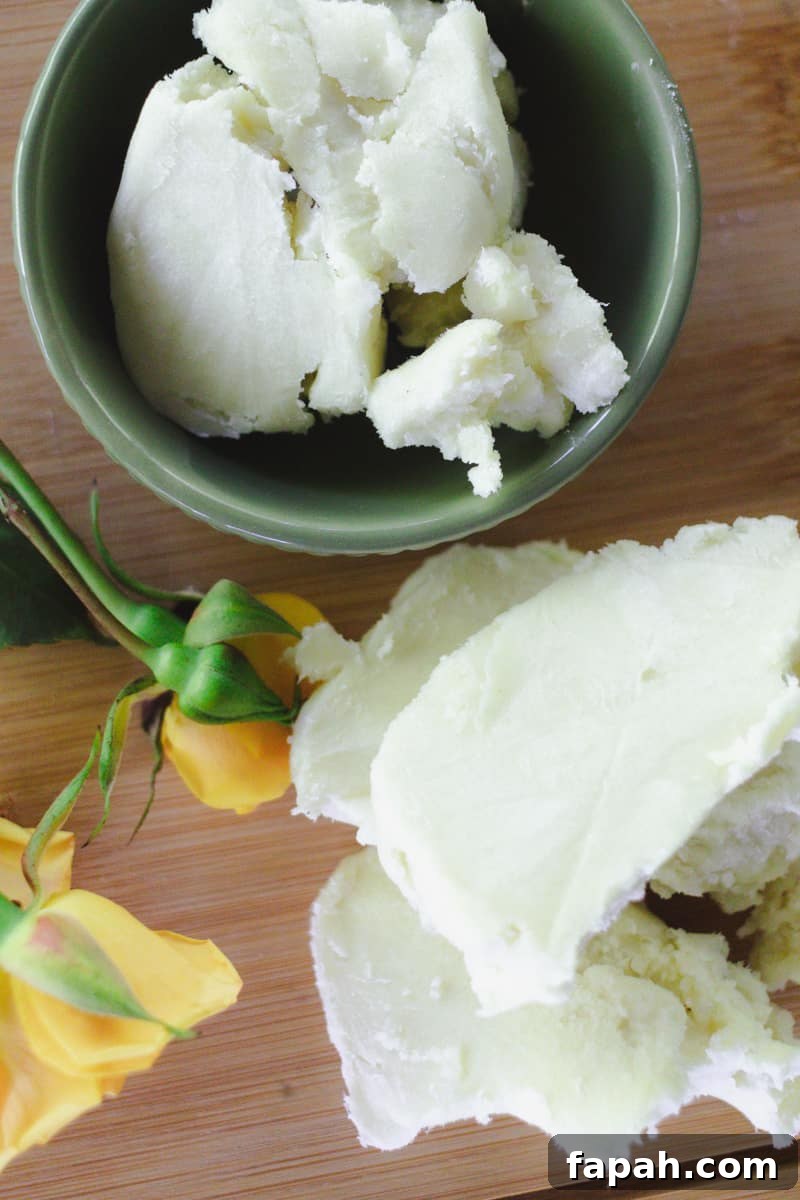
Join the conversation: mango butter vs. shea butter. Both are excellent natural ingredients with distinct strengths — this guide will help you decide which suits your needs.
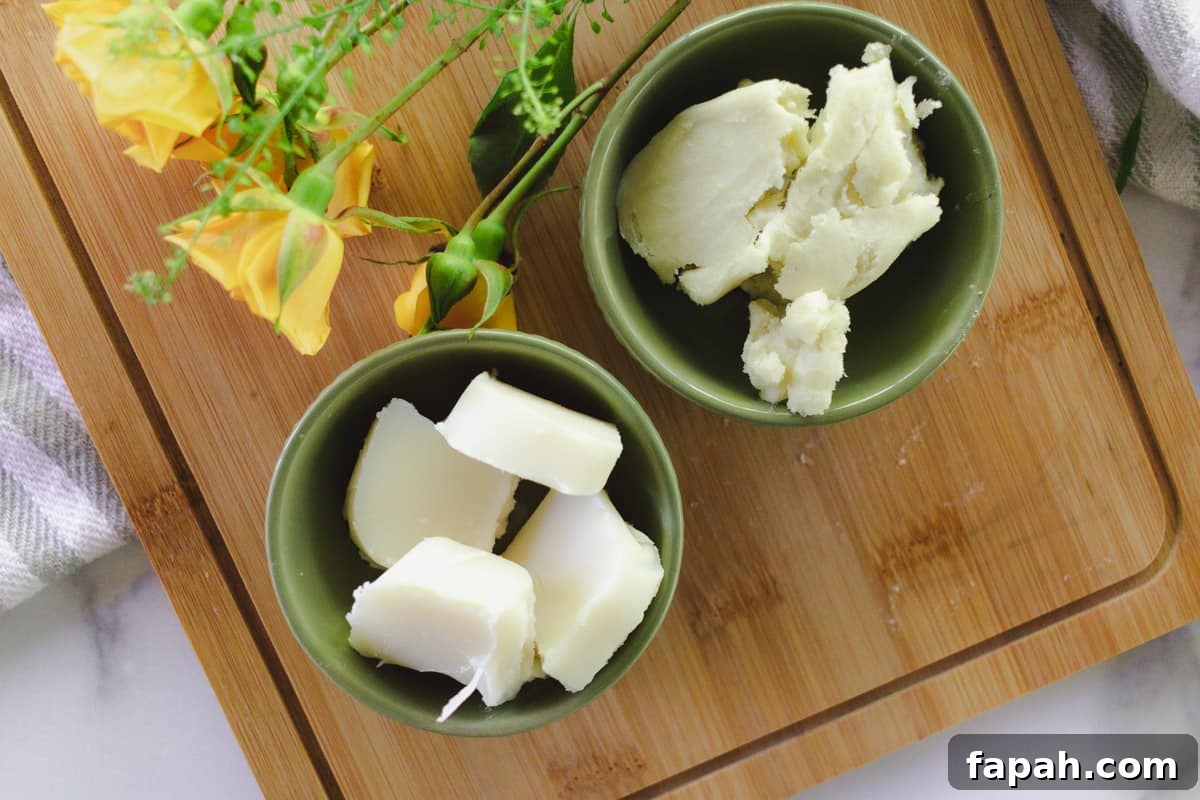
I’d like to give a simple answer, but the choice between mango butter and shea butter depends on many factors: intended use, skin or hair type, personal preference, budget, and availability.
Below is a clear, balanced overview to help you decide which butter is best for you.
Origin
Mango butter
Mango butter is extracted from the seed of the mango fruit. The seed is dried and pressed to obtain the natural fat, which is then processed into mango butter. It is produced in several regions, primarily in Africa and Asia, for commercial use.
Shea butter
Shea butter comes from the seeds of the shea tree, native to Africa. It has been used for centuries in traditional African cultures for moisturizing, protecting and enhancing skin and hair.
Texture and feel
Greasiness
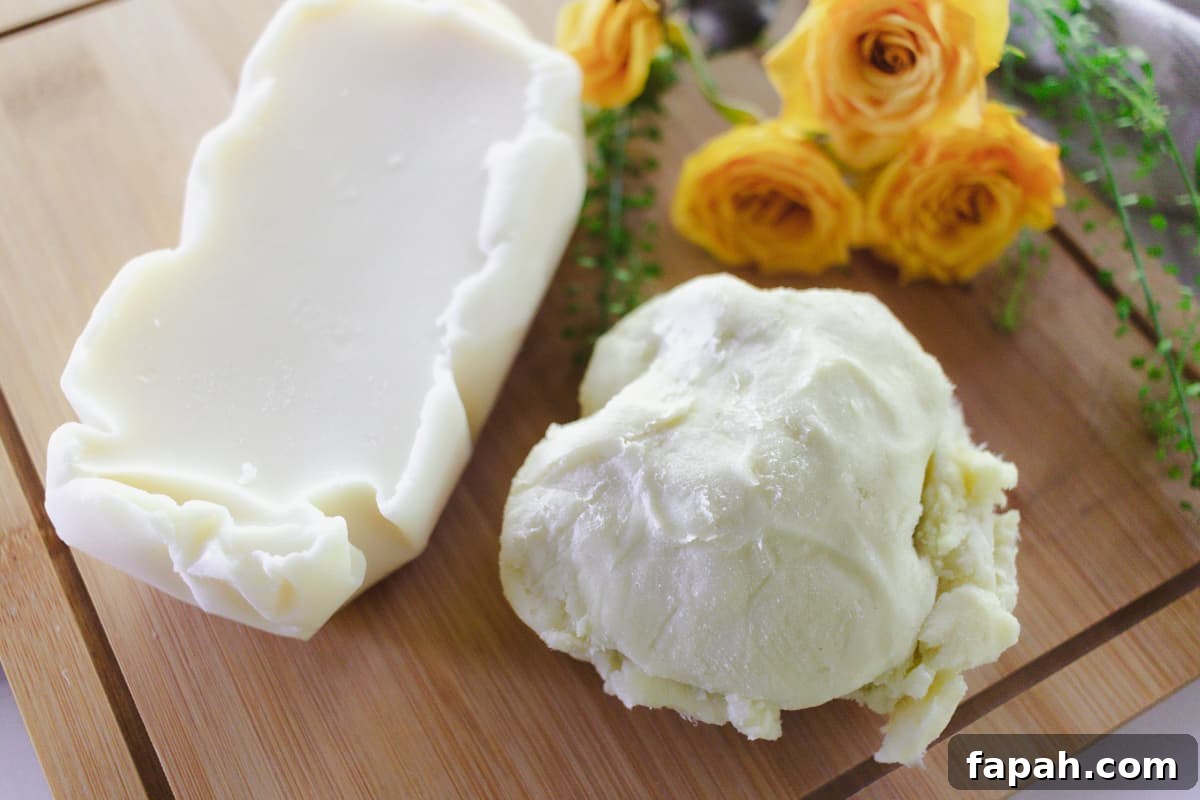
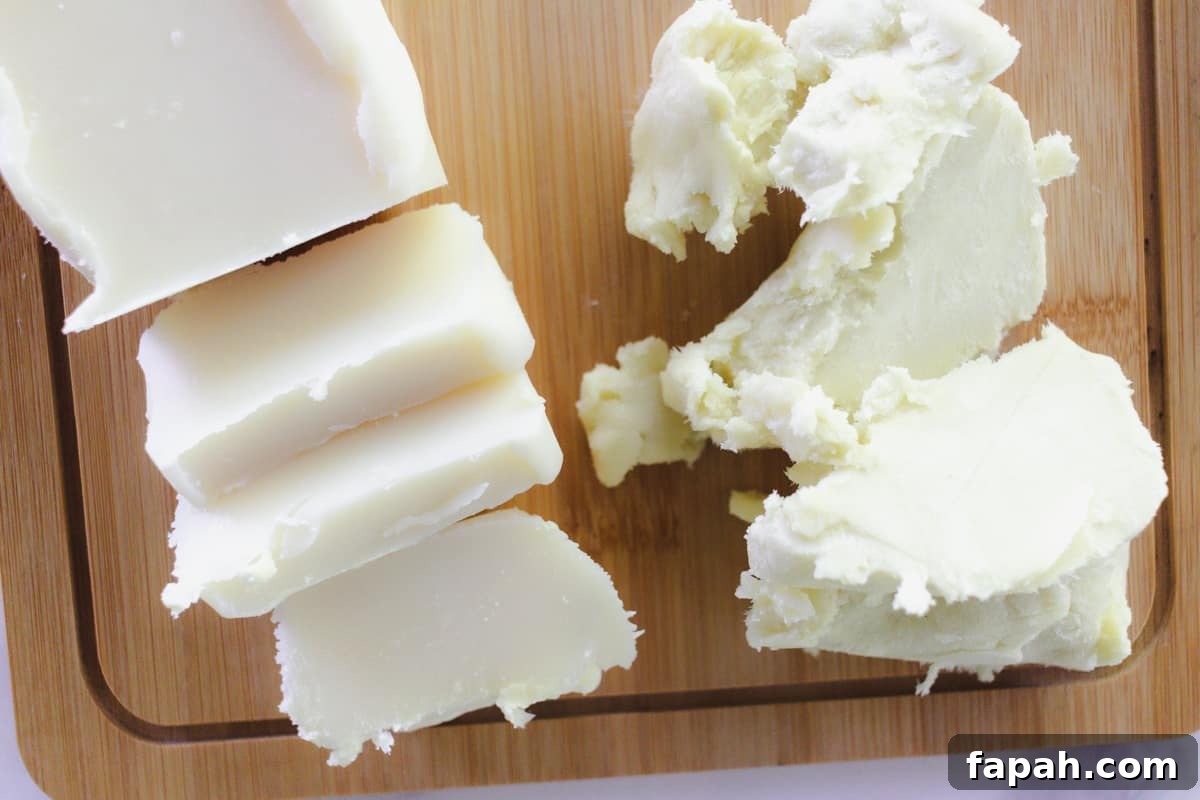
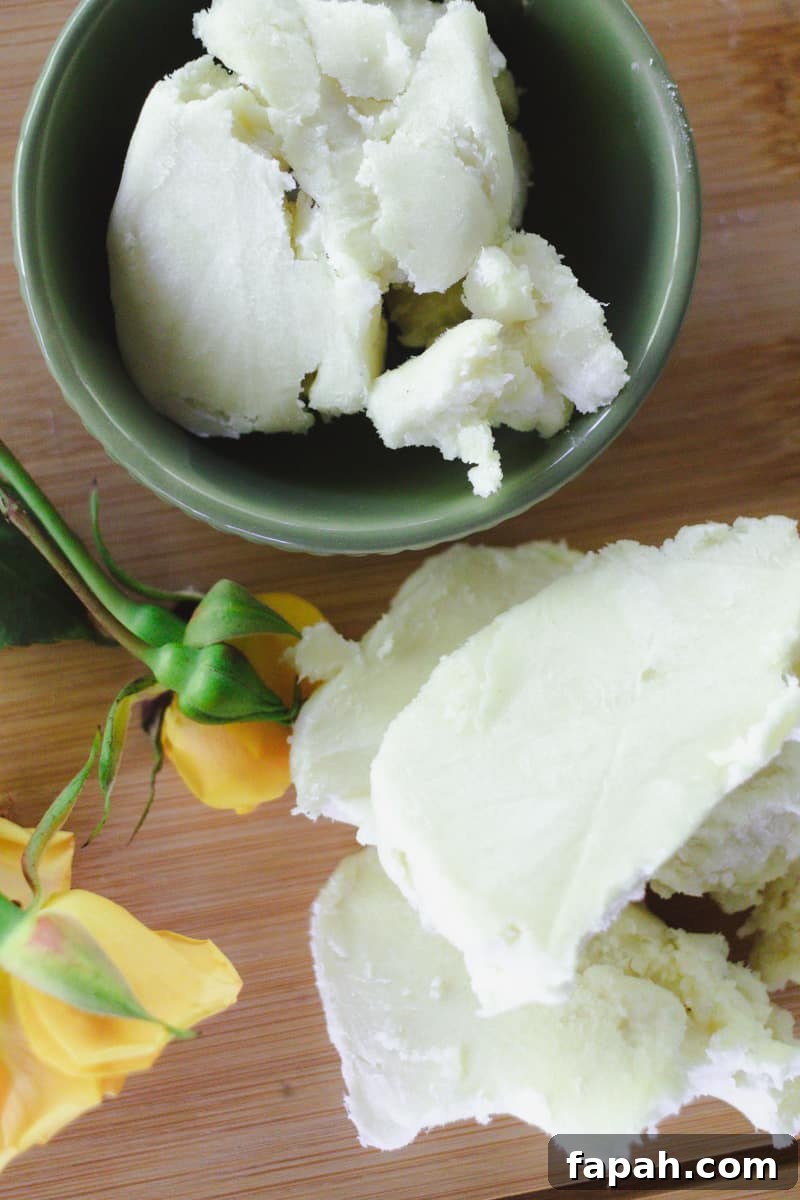
Both are true butters and provide significant moisturization. However, mango butter typically contains slightly less fat by weight than shea, so it often feels lighter and less greasy on the skin. Shea butter can feel richer and heavier, which some people prefer for very dry or mature skin but others find too occlusive.
Absorption
Mango butter generally absorbs more quickly into the skin because of its lighter fat content. Shea butter is slower to melt and may sit on the surface longer before fully absorbing. If you have oily or combination skin, mango butter may feel more comfortable; for deeply dry or aging skin, shea’s slower absorption and richer texture can be beneficial.
Benefits for skin
Shea butter
Shea butter is intensely moisturizing and helps improve skin elasticity. It’s well suited for dehydrated, dry, or aging skin and contains anti-inflammatory compounds that can assist with healing sunburn, irritation, and minor skin damage.
Mango butter
Mango butter offers effective moisturization with a lighter feel. It also has anti-inflammatory properties and is less likely to clog pores, making it a good option for skin that needs moisture without heaviness.
Benefits for hair
Shea butter
Shea butter provides deep conditioning, helps smooth frizz and dry ends, and improves manageability. It also supports scalp hydration, which can reduce flaking and improve overall hair health.
Mango butter
Mango butter helps hair retain moisture and softens strands for several days. It’s often used in detangling and styling products because it tames frizz and helps keep hair in place without feeling heavy.
Scent
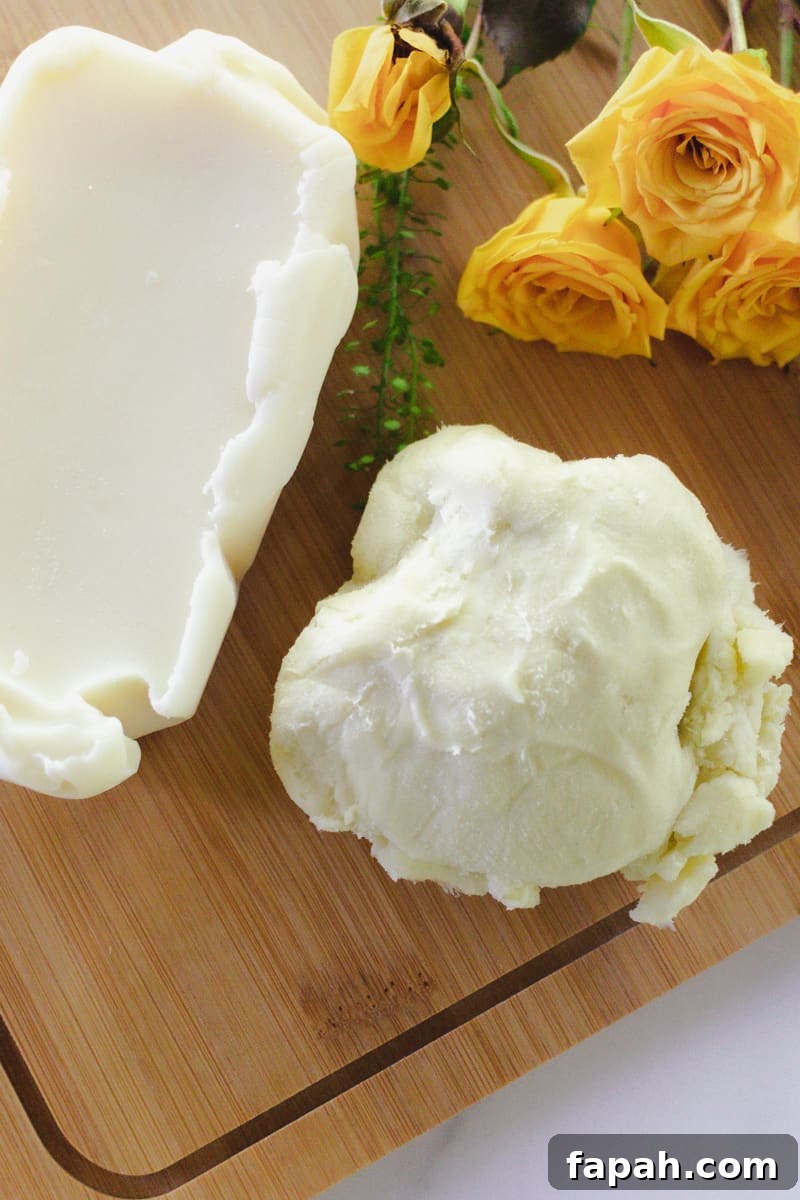
Scent can vary based on processing, storage and whether fragrances are added. Pure, unrefined shea butter often has a mild, nutty aroma. Mango butter is typically very faint in scent and can sometimes be described as slightly sweet, but overall it’s largely neutral.
Shelf life and storage
When stored in a sealed container away from direct sunlight, both shea butter and mango butter can last up to about two years. Proper storage helps preserve aroma and prevent drying or rancidity.
Availability and cost
Shea butter
Shea butter is widely available and commonly used in cosmetics and DIY skincare. Prices vary by quality and whether it is refined or unrefined, but unrefined shea is generally affordable and easy to source.
Mango butter
Mango butter can be less common than shea and is often slightly more expensive due to a more involved production process. Availability varies by region and supplier, so shopping around can yield better prices.
Common uses
Both butters are versatile: they’re used in skincare, hair care, lip balms, body butters, and even some candle or soap recipes. Mango butter is prized for lighter, fast-absorbing body butters and styling products; shea butter is favored for rich creams, balms, and deep conditioners.
Key takeaways
Neither butter is universally “better.” Shea butter is richer and more emollient, ideal for very dry or mature skin and deep hair conditioning. Mango butter is lighter and absorbs faster, making it better suited for oily or combination skin and lightweight hair products.
Try both to see which you prefer for your skin and hair needs. Both are natural, effective ingredients and can be used alone or combined in DIY formulations for balanced results.
- Homemade stretch mark cream
- Natural shea butter lotion recipe
- How to make vegan lip balm