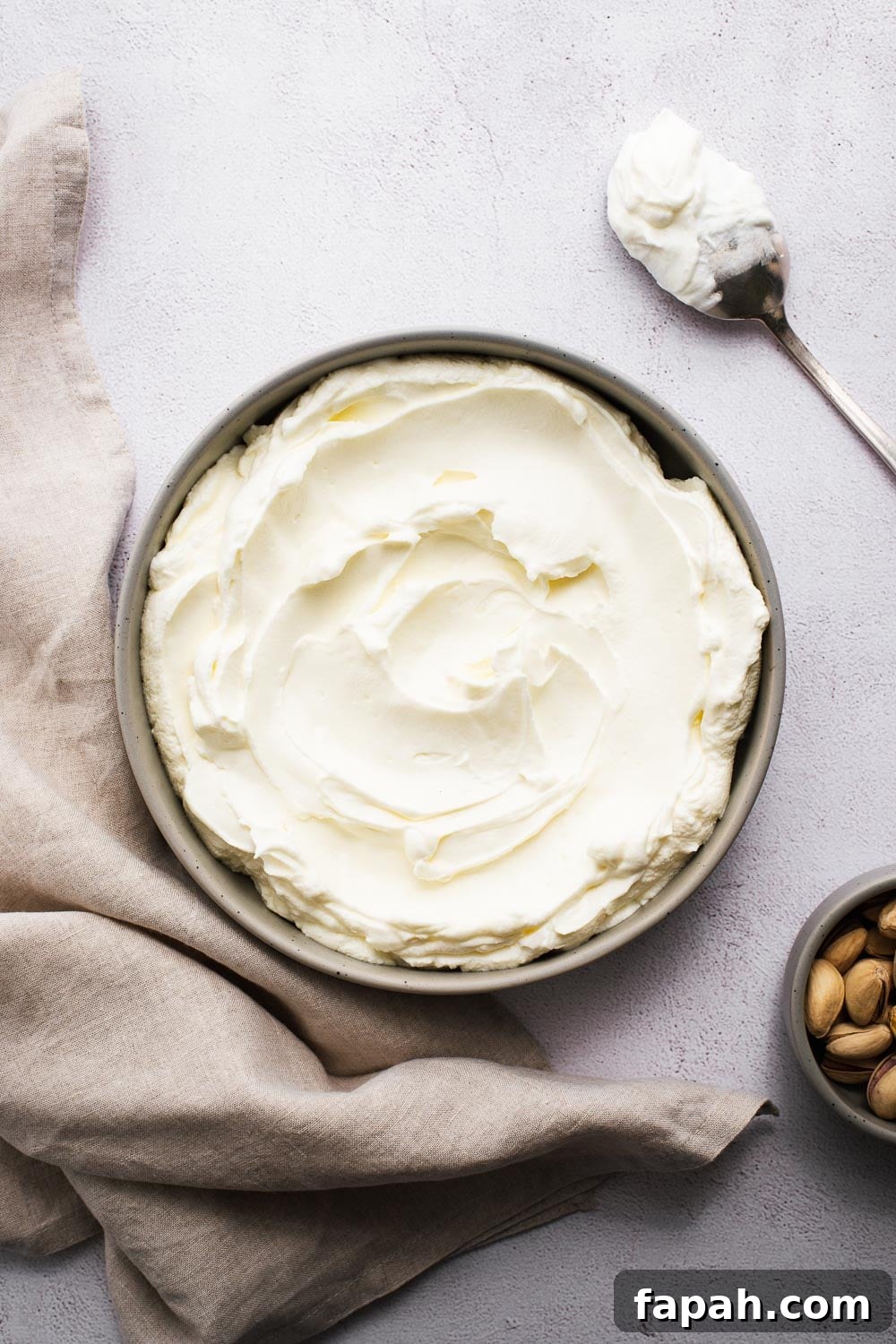
Calling how to make labneh a recipe might feel generous — it’s essentially two ingredients (yoghurt and salt), mixed, strained and stored. That’s it.
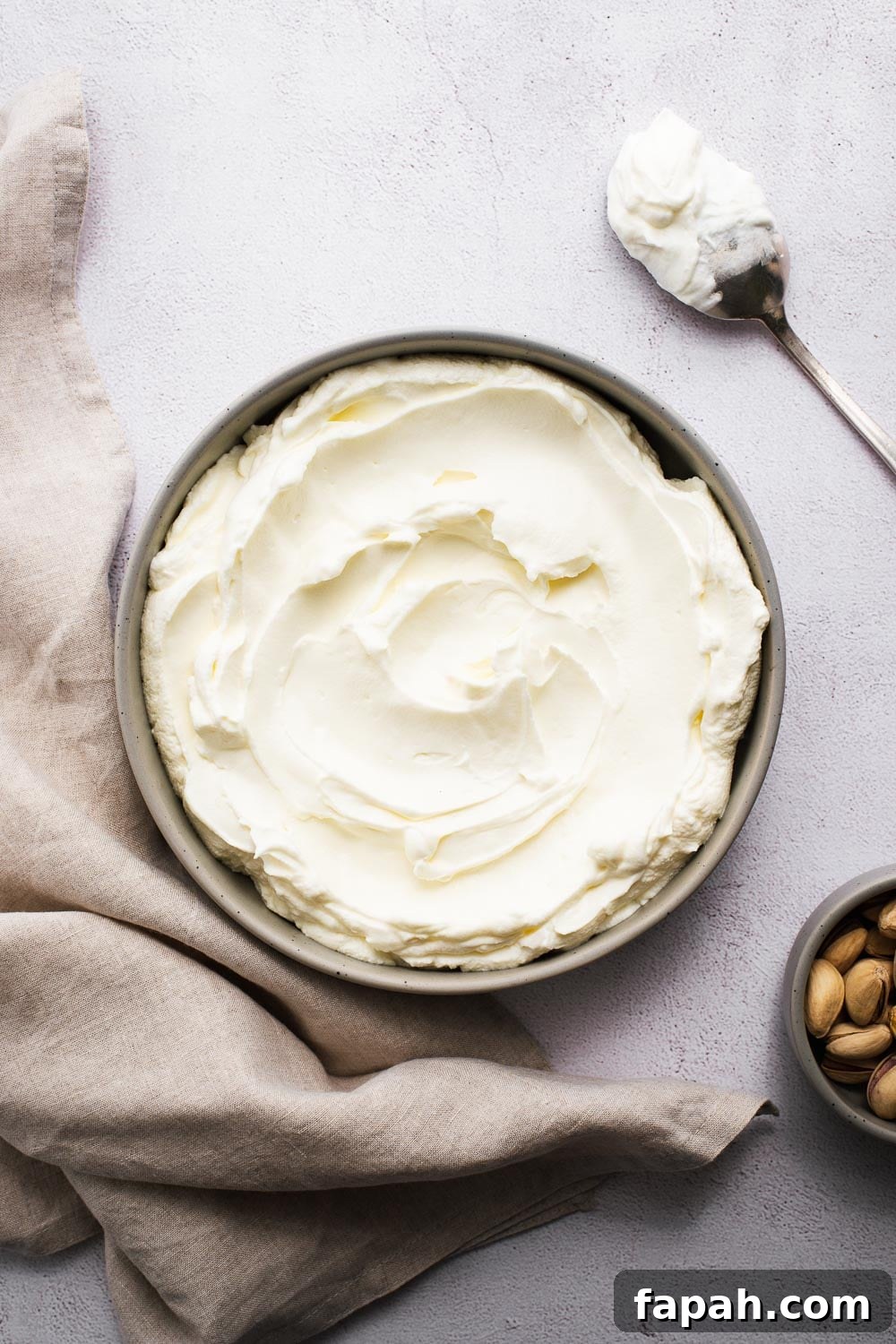
Finish it with a drizzle of extra virgin olive oil and a scatter of za’atar, sumac, chopped pistachios and flaked salt for a simple yet irresistible dip. Serve as part of a mezze board with toasted pita or flatbreads, or use it as a spread for toasts and sandwiches.
Below you’ll find clear, practical guidance on how to make labneh, which yoghurt works best, and simple serving ideas. Once you try homemade labneh, you’ll wonder why you didn’t make it sooner.
In this post
- What is labneh?
- Why you’ll love labneh
- Labneh ingredients
- How to make labneh
- Labneh serving suggestions
- Frequently asked questions
- Homemade labneh recipe
What is labneh?
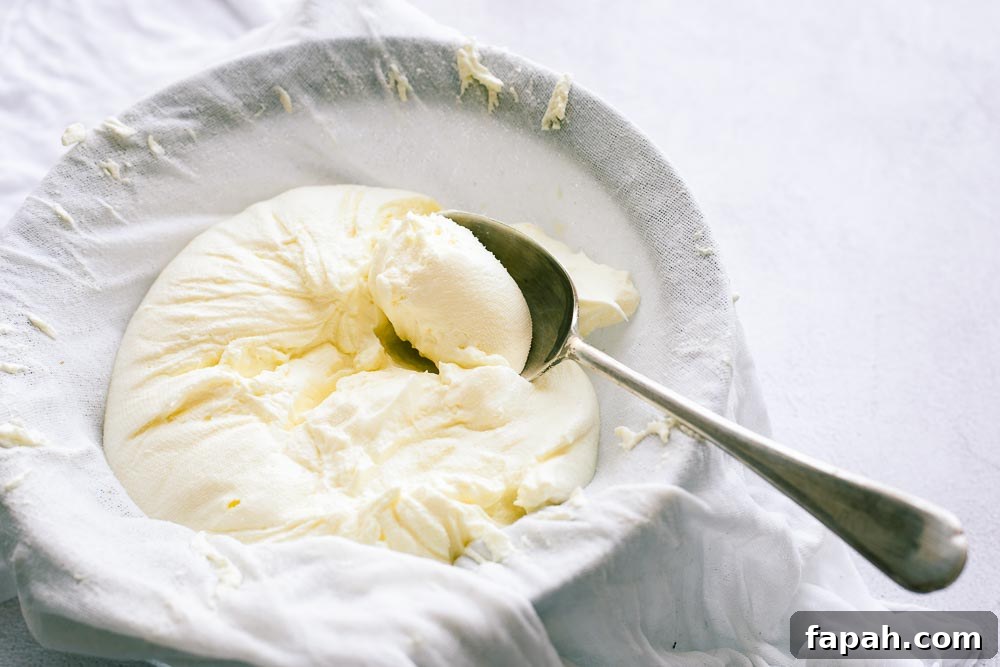
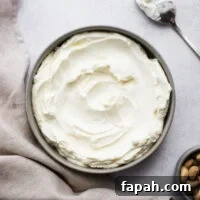
Labneh (also spelled labne, lebneh or lebni) is a creamy Middle Eastern cheese made by straining yoghurt. Removing the whey concentrates the solids, producing a spreadable cheese with a silky texture and a clean, tangy flavour.
Strain it longer for a thicker result. Traditionally made with whole-milk yoghurt, labneh also works well with Greek-style yoghurt or goat’s milk yoghurt if you prefer a tangier profile.
Strained yoghurt cheeses are commonly used across Mediterranean and Middle Eastern cuisines. Labneh is excellent spread on bread, used as a base for saucy vegetables, or included as part of a mezze platter.
Why you’ll love labneh
Labneh’s flavour and texture make it a favourite, and there are practical reasons to love it too:
- Versatile: Serve as a spread, dip, sauce or component in cooked dishes.
- Simple: Only yoghurt, salt and time are required.
- Easy to prepare: Mix, strain and store — no special technique needed.
- Keepable: Stored correctly it keeps well in the fridge, and olive oil can extend its shelf life.
Labneh ingredients
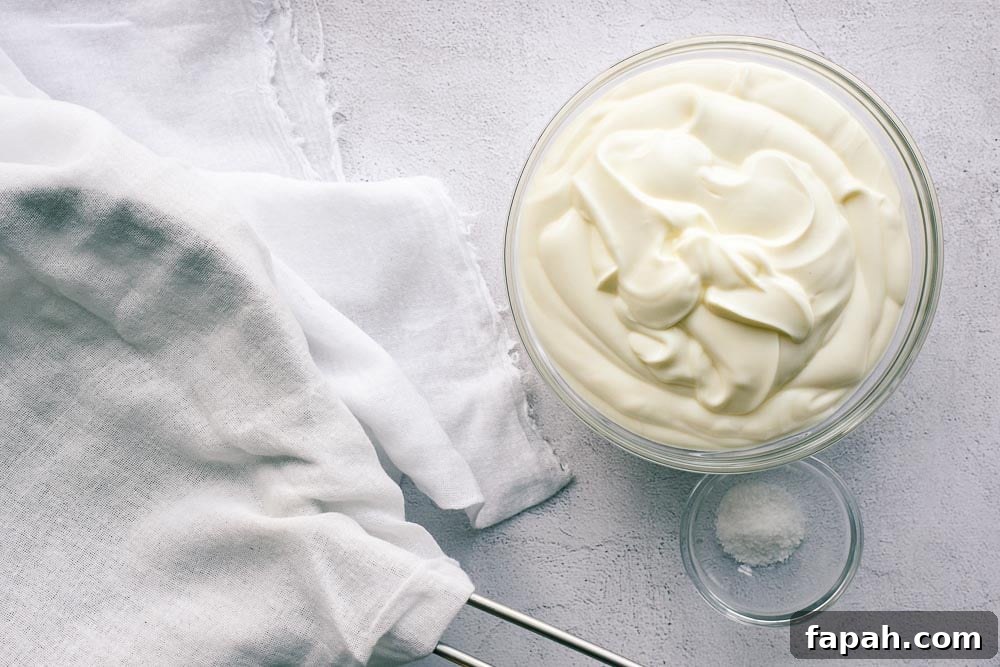
At its core, labneh needs just two ingredients; the rest are optional for storage and serving.
- Yoghurt: Use plain full-fat yoghurt for the creamiest labneh. Greek-style or double-cream yoghurts produce a richer result; goat’s milk yoghurt gives a tangier flavour.
- Salt: About 1 teaspoon of fine sea salt per kilogram of yoghurt is a good guideline.
- Extra virgin olive oil: Optional for storage and serving. A layer of oil helps preserve labneh and adds flavour when serving.
- To serve: Za’atar, sumac, pistachios, toasted pine nuts, fresh herbs, lemon zest, chopped olives or a drizzle of honey and tahini for a sweet option.
Which yoghurt works best for labneh?
Any full-fat plain yoghurt works well. Greek or double-thick yoghurts shorten the straining time and yield very creamy labneh. Avoid flavoured or fat-free varieties for best texture and taste.
From 1 kilogram (about 3½ cups) of very thick yoghurt you can expect roughly two cups of labneh, though yield varies with yoghurt type and how long you strain it.
How to make labneh
Making labneh is straightforward. You’ll need yoghurt, salt and a muslin (cheesecloth) or a clean tea towel. A fine-mesh strainer or sieve suspended over a bowl is convenient, but you can hang the yoghurt parcel if needed.
Step 1: Mix yoghurt and salt
Combine the yoghurt and salt in a bowl, stirring to distribute the salt evenly. Use approximately 1 teaspoon of salt per kilogram of yoghurt.
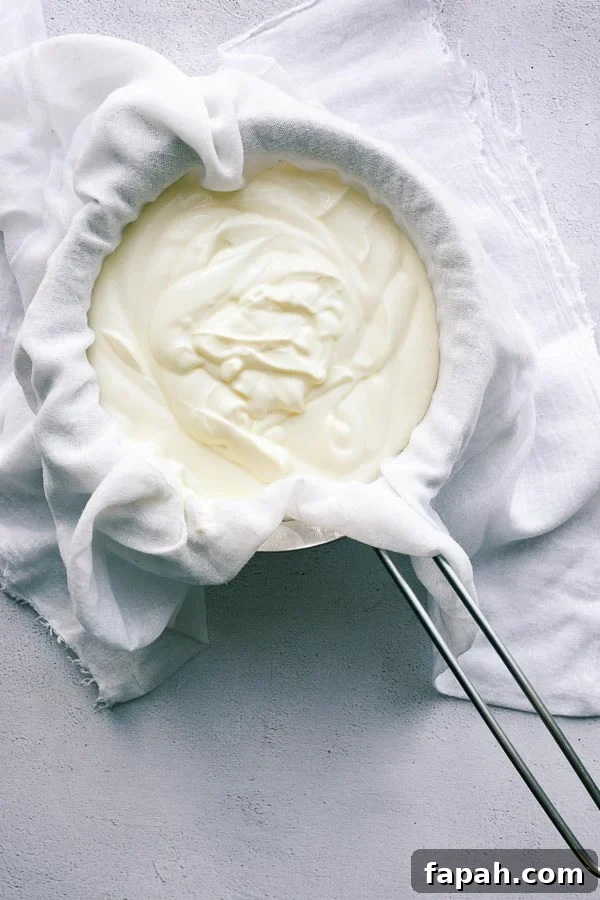
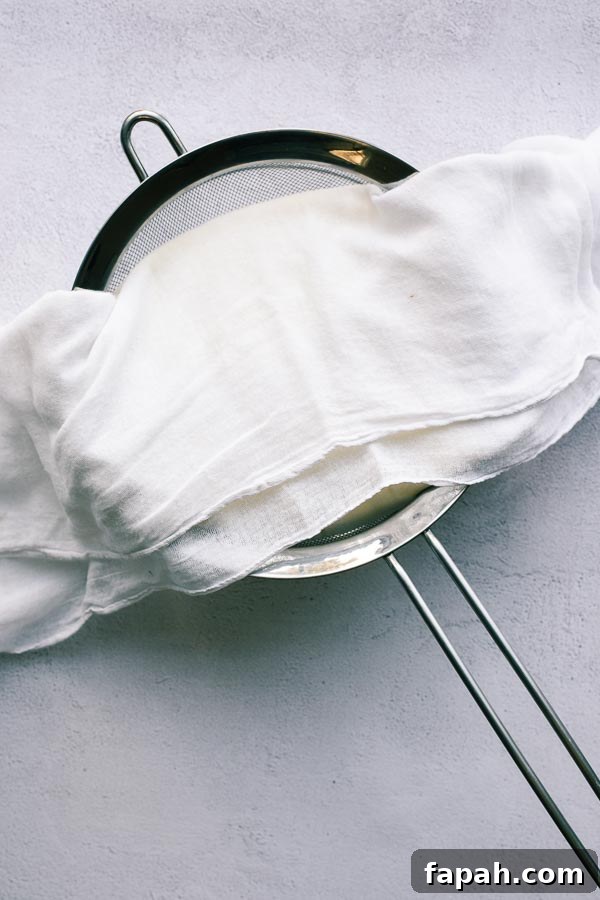
Step 2: Strain the yoghurt
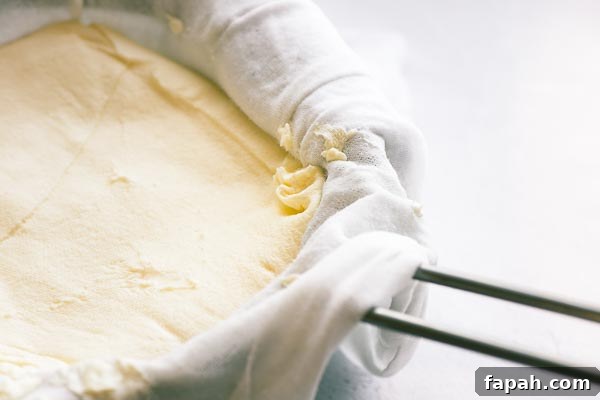
Line a sieve with muslin or a clean kitchen towel and set it over a large bowl. Spoon the salted yoghurt into the lined sieve and fold the cloth over the top or tie it closed so the yoghurt stays inside the fabric while whey drains through.
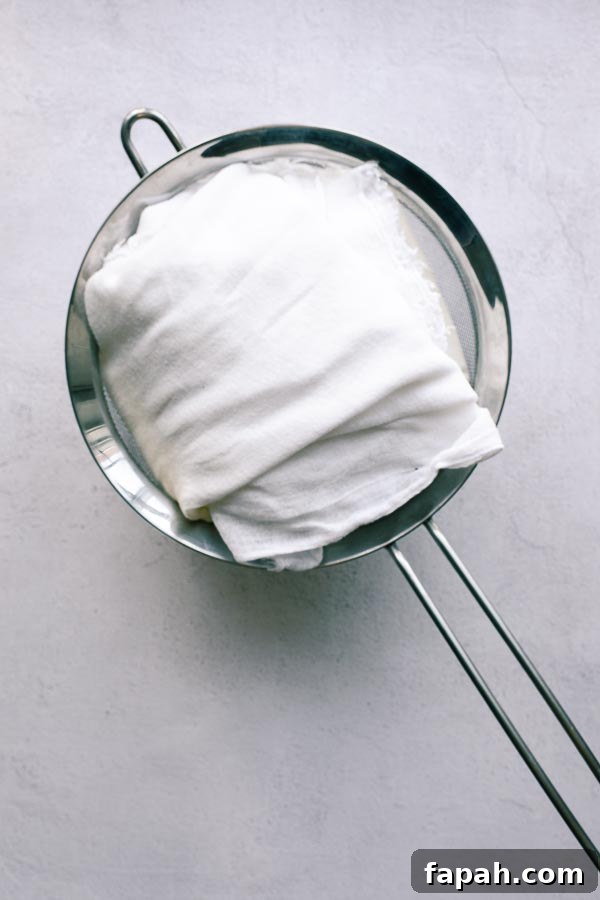
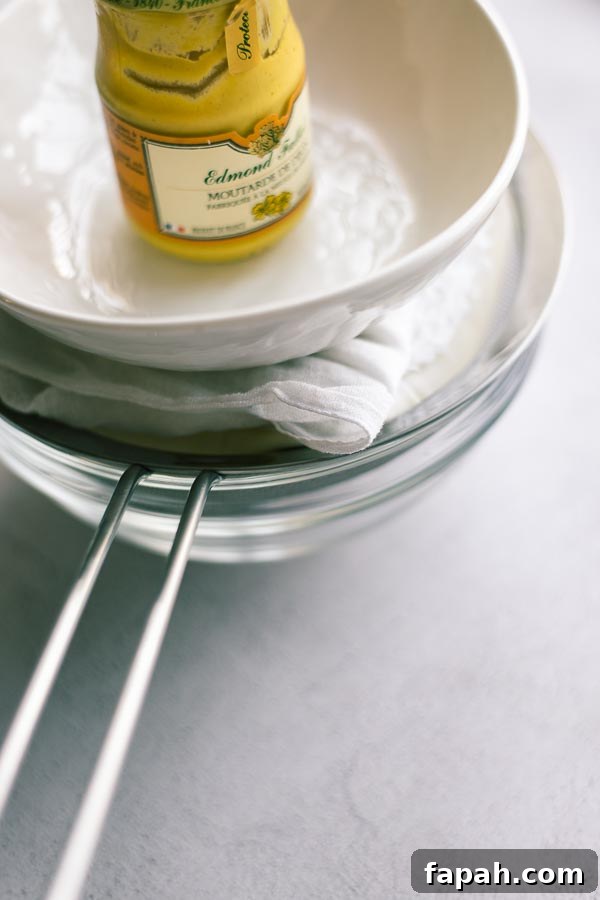
Step 3: Place a weight on top
Put a small weight on the covered yoghurt — a plate with a jar or can works well. The weight helps press whey out of the yoghurt for a creamier end result.
Step 4: Refrigerate
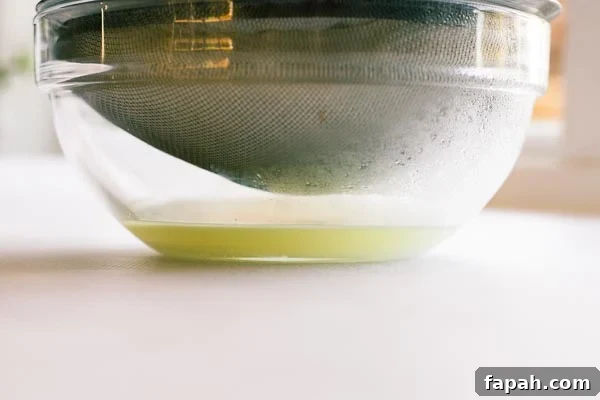
Place the setup in the refrigerator and leave to strain for 24 to 48 hours. You’ll notice yellowish whey collecting in the bowl and the yoghurt thickening into labneh. Shorter straining yields spreadable labneh; longer yields a firmer cheese.
Alternative straining method
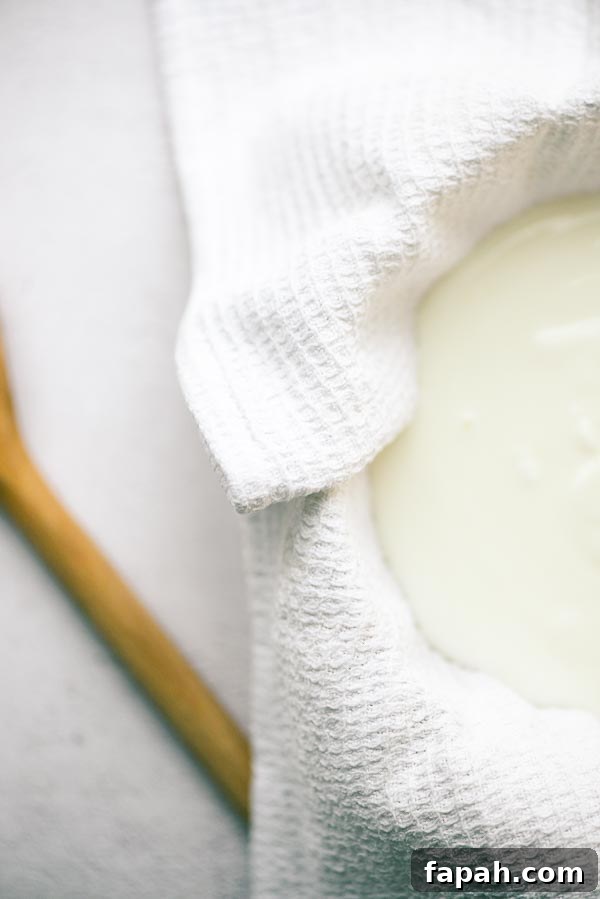
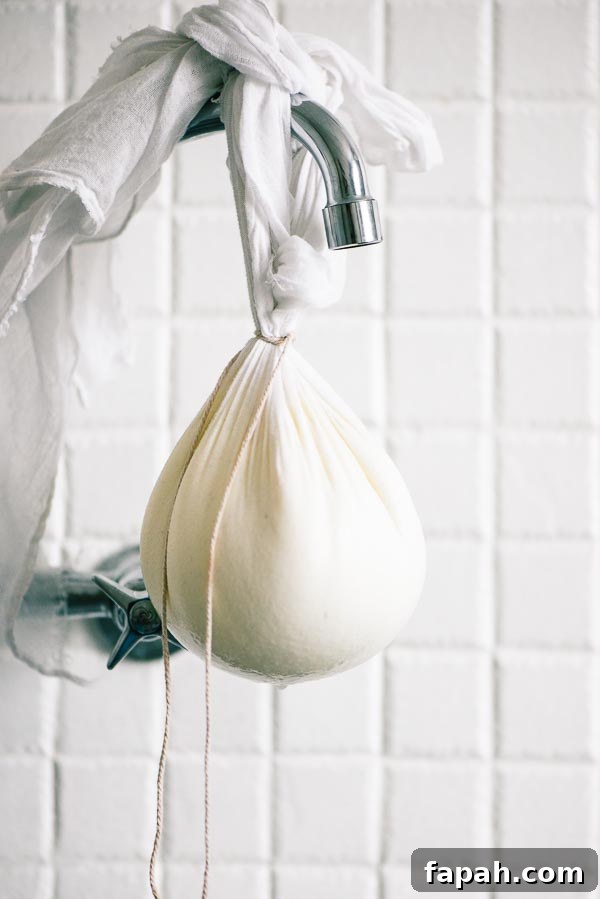
If you don’t have a sieve, tie the yoghurt-filled muslin into a bundle and hang it over a bowl, a wooden spoon or a tap. It still needs at least 24 hours to drain. In warm weather it’s best to refrigerate the hanging parcel.
How to strain yoghurt faster
The longest part is waiting, but these tips speed it up safely.
Tip 1: Gently squeeze
If you’re short on time, gently squeeze the muslin bundle to release whey, being careful not to force yoghurt through the cloth. Stop squeezing if you see white yoghurt appearing at the fabric surface.
Tip 2: Replace the cloth
When the muslin becomes saturated, swap it for a dry cloth and continue draining. A dry cloth will absorb more liquid and speed the process.
Use the leftover liquid whey to make flatbreads
Save the drained whey — it’s full of protein and flavor. Use it in smoothies, soups or as the liquid in quick flatbread recipes. Store whey in a sealed container in the fridge and use within a few days for best quality.
When substituting whey for yoghurt in no-yeast flatbreads, reduce the liquid proportion slightly because whey is thinner than yoghurt; the dough will be a touch stickier, so dust your work surface and rolling pin with extra flour.
How to store labneh
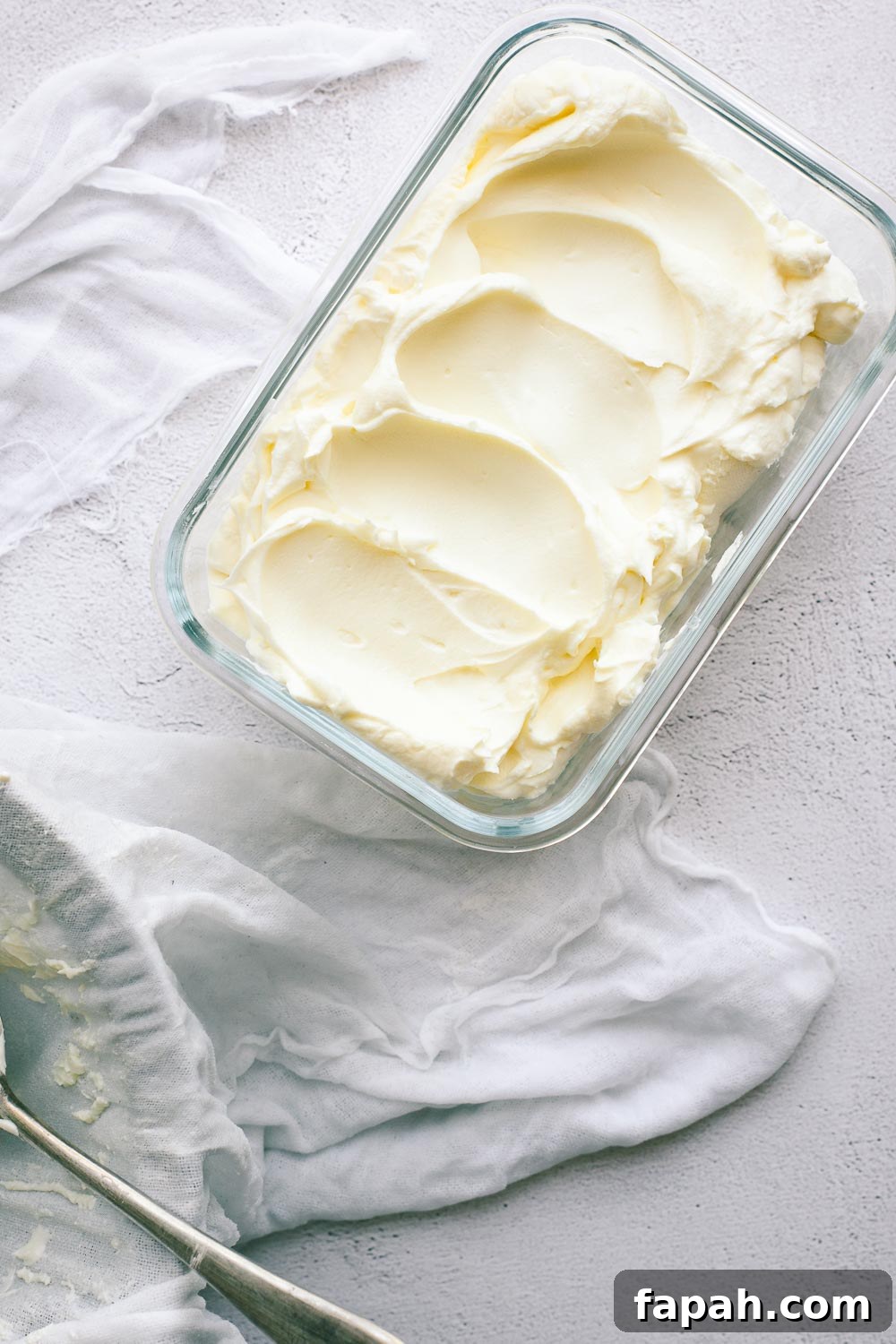
Store labneh in a clean, sealed jar in the fridge for about two weeks. For longer preservation, cover the labneh completely with extra virgin olive oil — this can extend shelf life up to a month. Olive oil will solidify when cold; bring the jar to room temperature before using the oil.
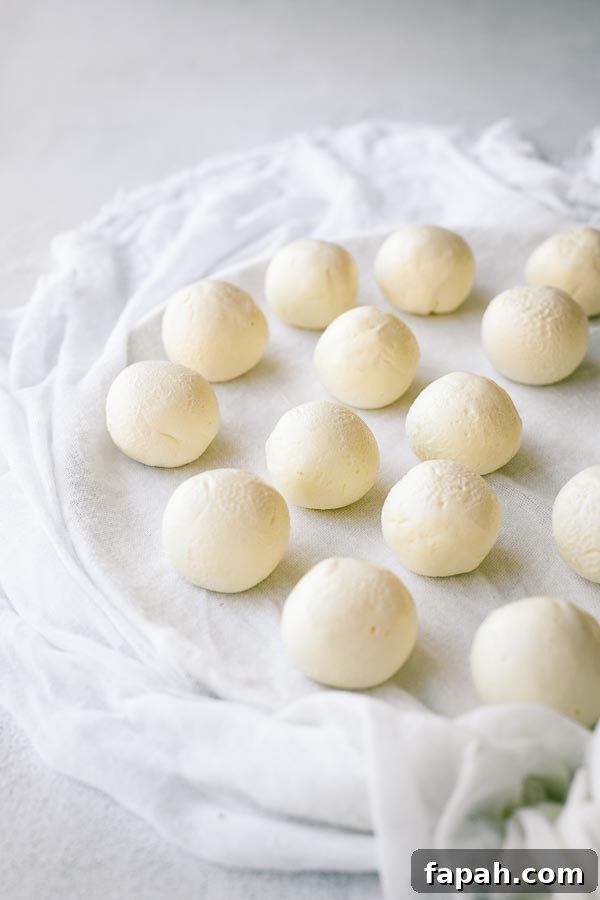
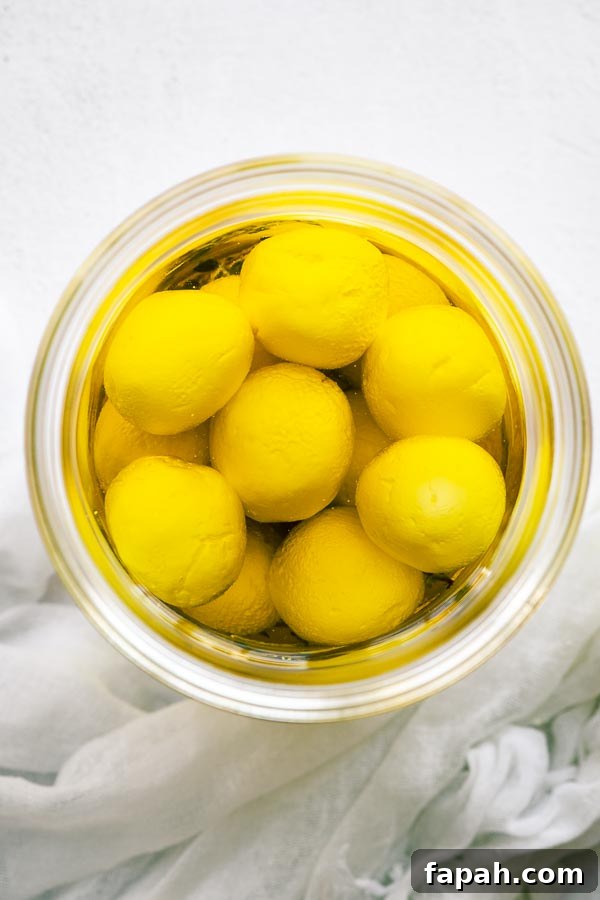
Another option is to roll chilled labneh into small balls and submerge them in olive oil; they will keep in the fridge for several weeks and make an attractive jarred condiment.
How to use labneh
Labneh is an adaptable ingredient — keep a jar in the fridge and reach for it often. Here are ideas to get you started:
- Spread: Use like cream cheese on bagels, toast or avocado toast. Sprinkle with za’atar or sumac for extra brightness.
- Dip: Serve with pita chips, toasted pita triangles or fresh vegetables. Top with olive oil and spices like za’atar or harissa.
- Mezze: Pair with hummus, baba ganoush, muhammara, marinated olives and warm pita for a classic spread.
- Sauce: Spoon under roasted vegetables or grilled meats as a cooling, creamy base that resists curdling better than plain yoghurt when warmed briefly.
Labneh with Za’atar
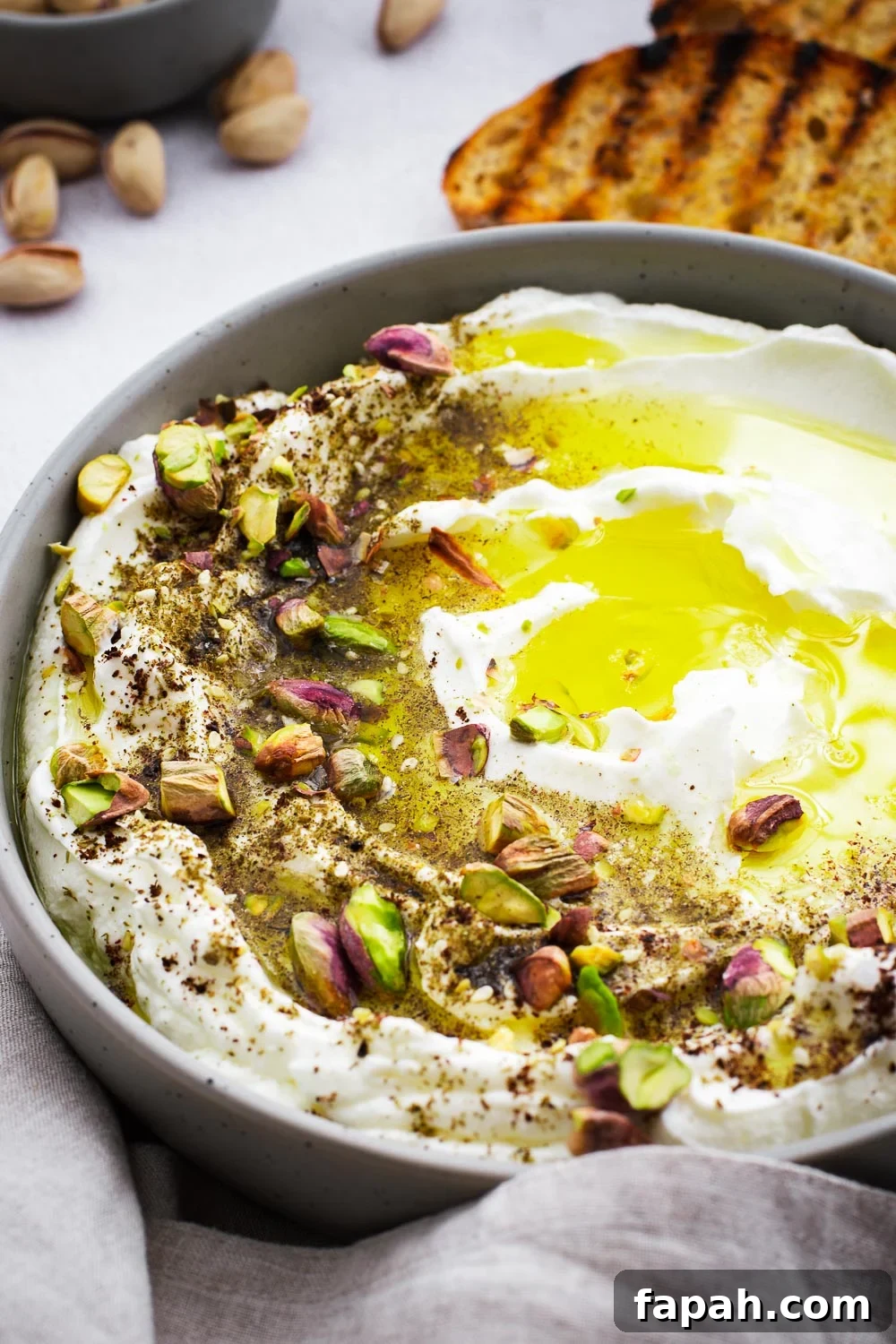
Spoon labneh into a shallow bowl and use the back of a spoon to create swirls and ridges. Drizzle with good-quality extra virgin olive oil, sprinkle a tablespoon of za’atar, a pinch of sumac and some flaked salt. Add toasted pine nuts or chopped pistachios if you like, and serve with warm flatbreads.
Other topping ideas
- Harissa: A spoonful of harissa mixed with olive oil makes a spicy, fragrant topping.
- Roasted tomatoes: Saucy roasted cherry tomatoes or a quick pan-cooked tomato sauce are excellent over labneh.
- Olive and herb mix: Chop stoned olives with garlic, parsley and toasted pine nuts; finish with a dusting of sumac.
- Lemon and herbs: Combine lemon juice and zest with olive oil and fresh herbs (mint, parsley, dill) for a bright dressing.
- Sweet: Top with figs, pistachios and a tahini-honey drizzle for a simple dessert.
Labneh is more than a dip or spread — it’s an easy, flavorful way to add creaminess to many dishes. Buy yoghurt in bulk and start experimenting.
Frequently asked questions
Yes. Labneh can substitute Greek yoghurt in many recipes. It’s thicker and often salted, so adjust seasoning and texture expectations accordingly.
Line a sieve with a clean kitchen towel or use a very fine mesh strainer. A large coffee filter can also be used for smaller quantities.
Thin paper towels usually saturate and stick; they’re not ideal. Thick cotton cloths like muslin or a clean tea towel work best.
A regular sieve alone won’t retain fine solids well. Use a lined sieve, a very fine mesh strainer or a coffee filter for best results.
Place the yoghurt in a muslin-lined strainer, tie it, and add weight. Gently squeeze the bundle and replace a saturated cloth with a dry one to speed up draining.
Middle Eastern recipes to serve with labneh
- Harissa roasted cauliflower: a spicy, indulgent vegetable main.
- Barley pilaf with rose harissa: a fragrant grain dish that pairs well with creamy yoghurt.
- Arabic salad: a bright chopped salad to balance rich dips.
- Kuku sabzi: an herb-packed Persian-style frittata.
- Crispy falafel: classic falafel served with pita and salads.
How to Make Labneh (Yoghurt Cheese)
Print
Pin
Equipment
-
Cheesecloth (muslin cloth)
-
Mesh strainer – or sieve
Ingredients
- 3½ cups natural yoghurt *
- 1 teaspoon salt
- extra virgin olive oil , only necessary for extended storage
To serve (optional)
- 1 tablespoon za’atar
- ½ teaspoon sumac
- 2 tablespoons pistachio nuts , roughly chopped
- flaked salt
Instructions
-
Mix the yoghurt and salt in a bowl.
-
Line a sieve with cheesecloth (muslin cloth) or a clean tea towel. Place it over a large mixing bowl and spoon the salted yoghurt into the cloth-lined sieve. Cover the yoghurt by folding over the muslin or tying the ends together with string.
-
Place a small weight on top of the covered yoghurt to encourage whey to drain.
-
Refrigerate and leave to strain for 24 to 48 hours. The longer it strains, the thicker the labneh.
-
Transfer the labneh to a clean, sealed jar. It will keep for about two weeks in the fridge. To preserve longer, cover with extra virgin olive oil.
-
To serve, spread labneh in a bowl, create ridges with a spoon, add toppings and enjoy with toasted pita or flatbreads.
Notes
- Use any full-fat natural yoghurt — Greek yoghurt works well. Choose goat’s milk for tang or cow’s milk for milder flavour.
- Plant-based yoghurts can make a vegan version of labneh.
- If you don’t have a fine mesh strainer, tie the muslin bundle and hang it to strain over a bowl or sink.
Yield: Approximately 2 cups
Try another homemade condiment
- How to make preserved lemons
- Shatta (Middle Eastern hot sauce)
- How to make black limes
- Homemade rose harissa paste
Find more condiment recipes in your favourite collection.