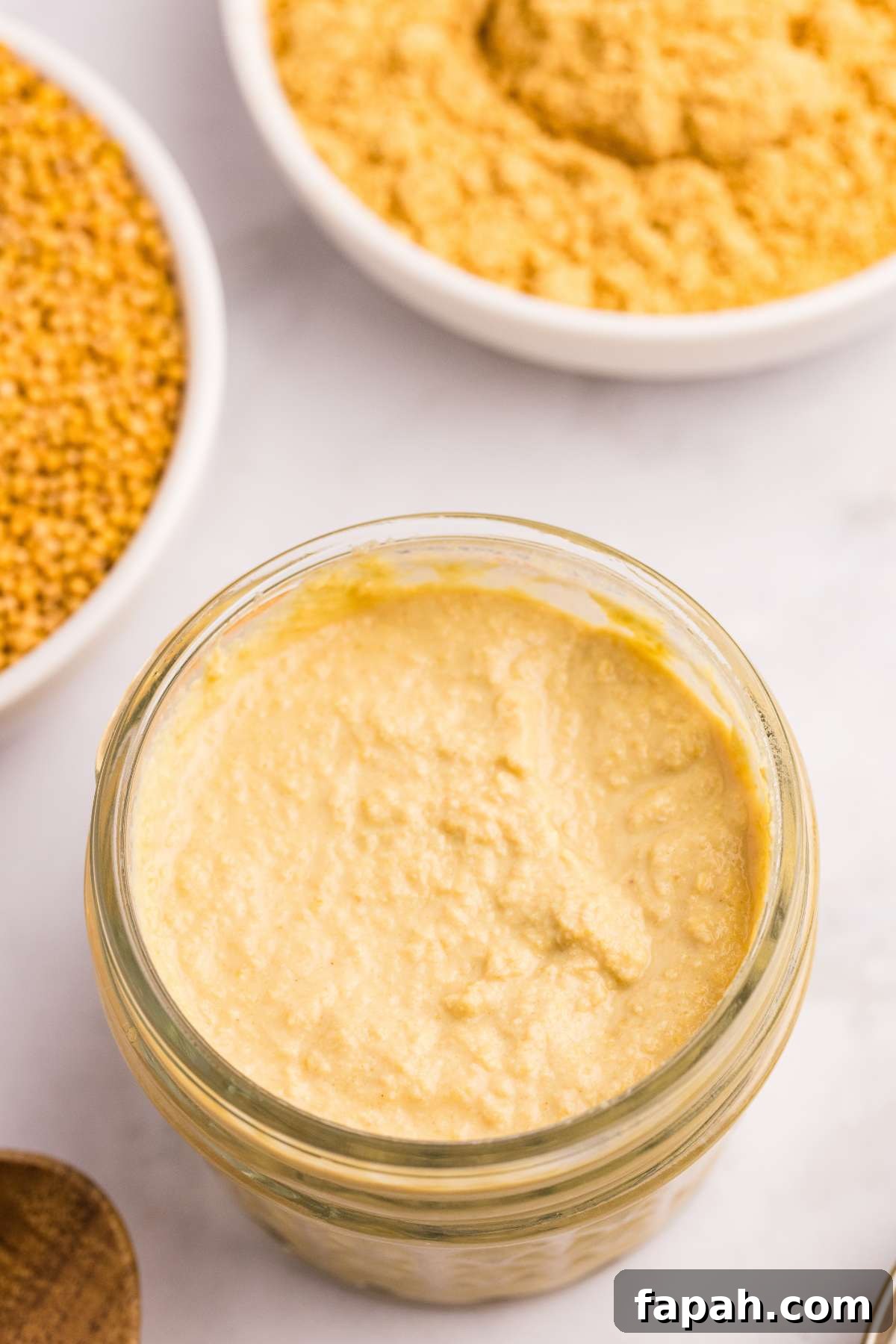
Once you try homemade Dijon mustard, store-bought jars will feel bland. This version is surprisingly easy: a few pantry staples, about 30 minutes of active work, and a 24-hour soak. The wine-and-herb-flavored base gives a depth that commercial mustards lack, and you can adjust thickness and heat to suit your taste.
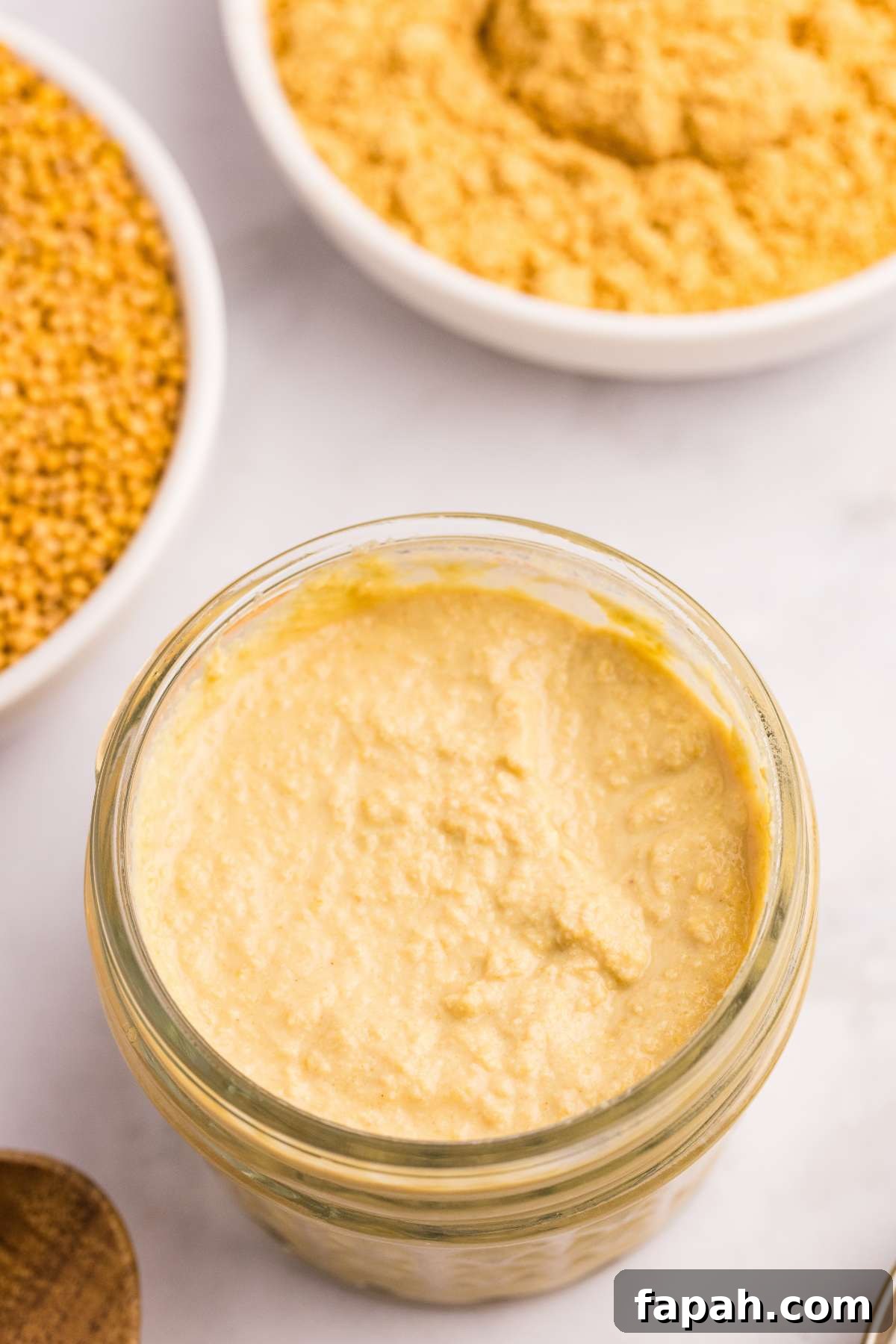
When you’re learning to can, jams and pickles often take the spotlight, but practical pantry staples like this mustard are incredibly useful and rewarding.
Table of Contents
- What You’ll Need
- Step by Step Dijon Mustard
- How to Use it up
- Questions and Troubleshooting
- Printable Recipe
What You’ll Need
You can use apple juice or grape juice instead of wine for a non-alcoholic version, but dry white wine gives a rounder flavor in my experience.
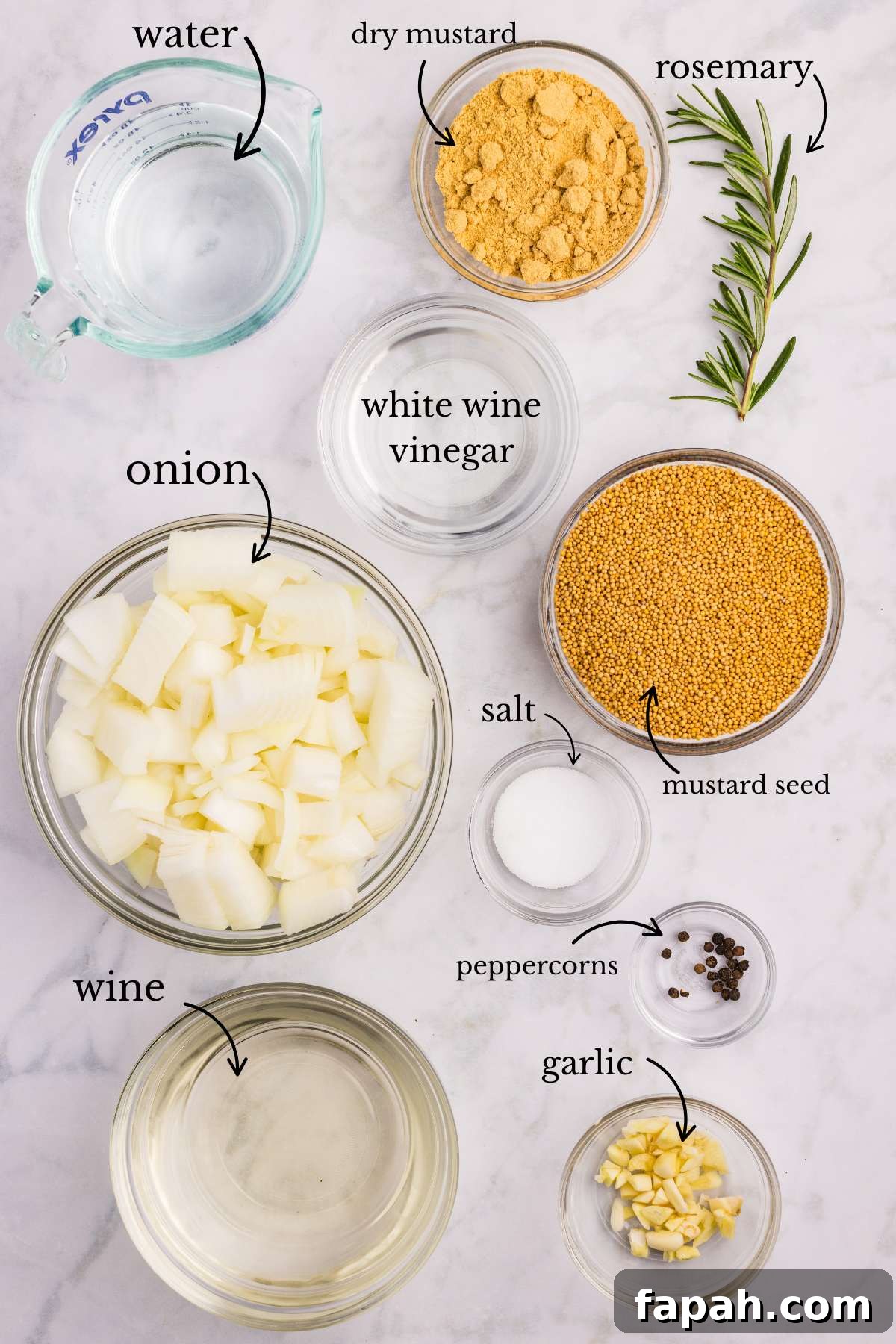
I usually double the batch since it takes the same time and the jars disappear fast. Just check that your canner fits the jars so you don’t need extra batches.
For the Flavor Base:
- 2 cups yellow onions, chopped (about 3 medium)
- 2 cups dry white wine – can substitute apple or grape juice
- 1 cup white wine vinegar – must be 5% acidity for canning
- 1 teaspoon salt
- 6 cloves garlic, chopped
- ¼ teaspoon whole black peppercorns
- 1 sprig fresh rosemary (or 2 tsp dried)
For the Mustard
- 1 cup whole mustard seeds – yellow, brown, or black (color varies)
- ⅓ cup mustard powder
- 1–3 cups water – start with 1 cup, add to reach desired consistency
Equipment
- Large pot for simmering the base
- Fine-mesh strainer
- High-speed blender (Vitamix or similar) for the smoothest texture; a regular blender gives a more rustic result
- 6 four-ounce mason jars with lids and rings
- Water bath canner or a deep pot that covers jars by 1 inch
- Jar lifter or tongs
- Large mixing bowl
Step by Step Dijon Mustard
Making the Flavor Base
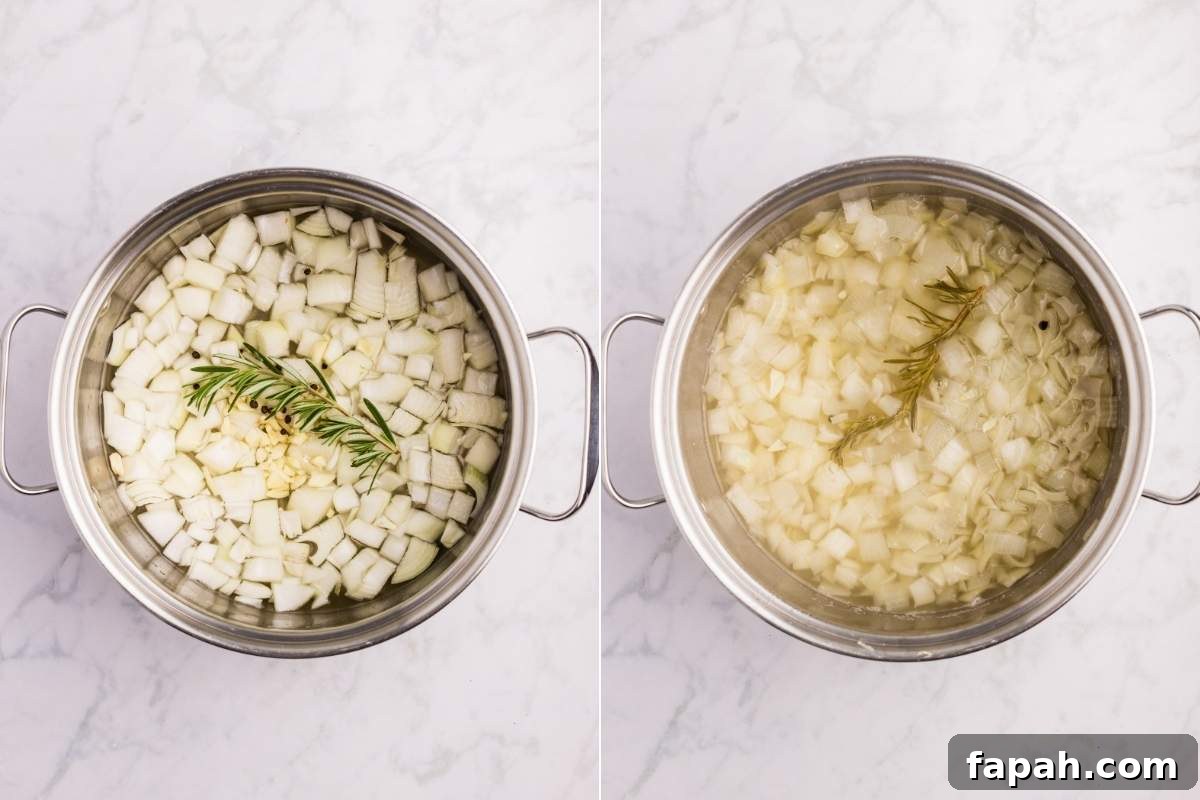
Combine the chopped onions, wine, vinegar, salt, garlic, peppercorns, and rosemary in a large pot. Bring to a boil over medium-high heat, then reduce to a simmer and cook 15–20 minutes until the onions are completely soft and translucent. The goal is to extract the onions’ sweetness into the liquid.
Straining Out the Solids
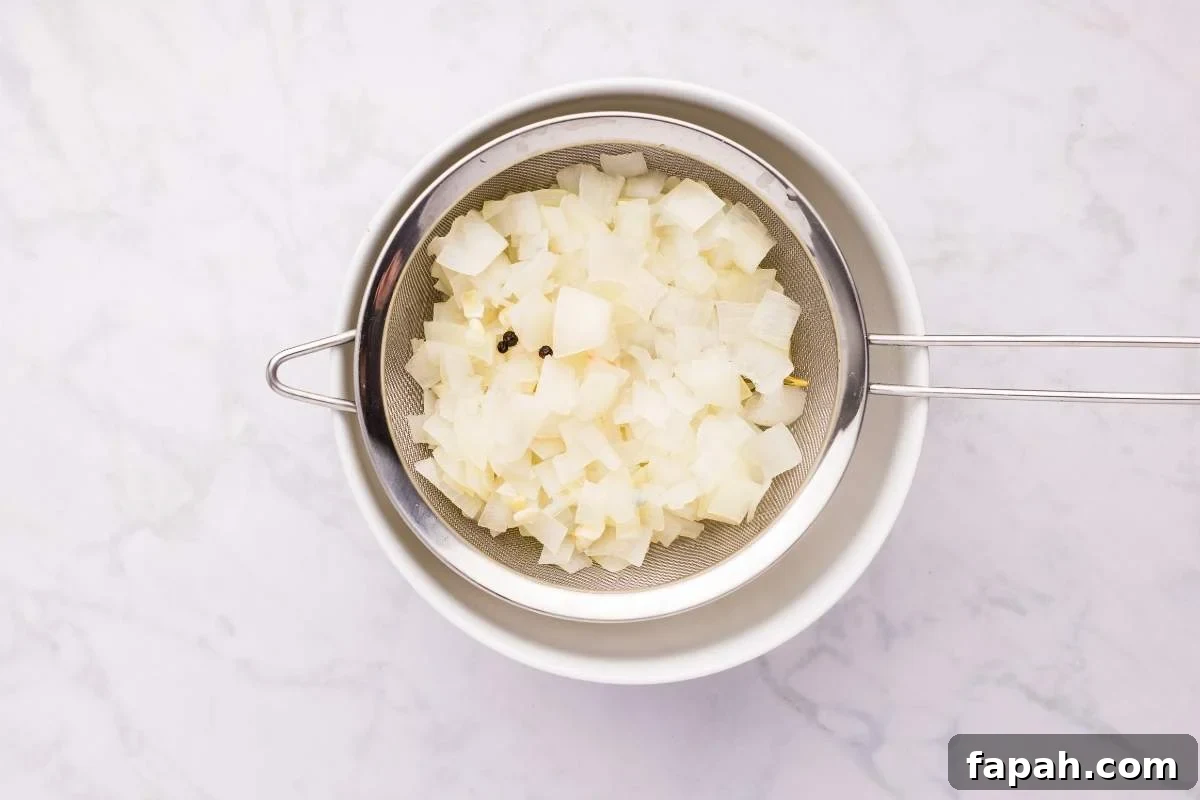
Strain the mixture through a fine-mesh strainer into a large bowl, pressing the solids with the back of a spoon to release all the liquid. Discard the solids. The strained golden liquid is your flavored mustard base.
The 24-Hour Soak (Don’t Skip This!)
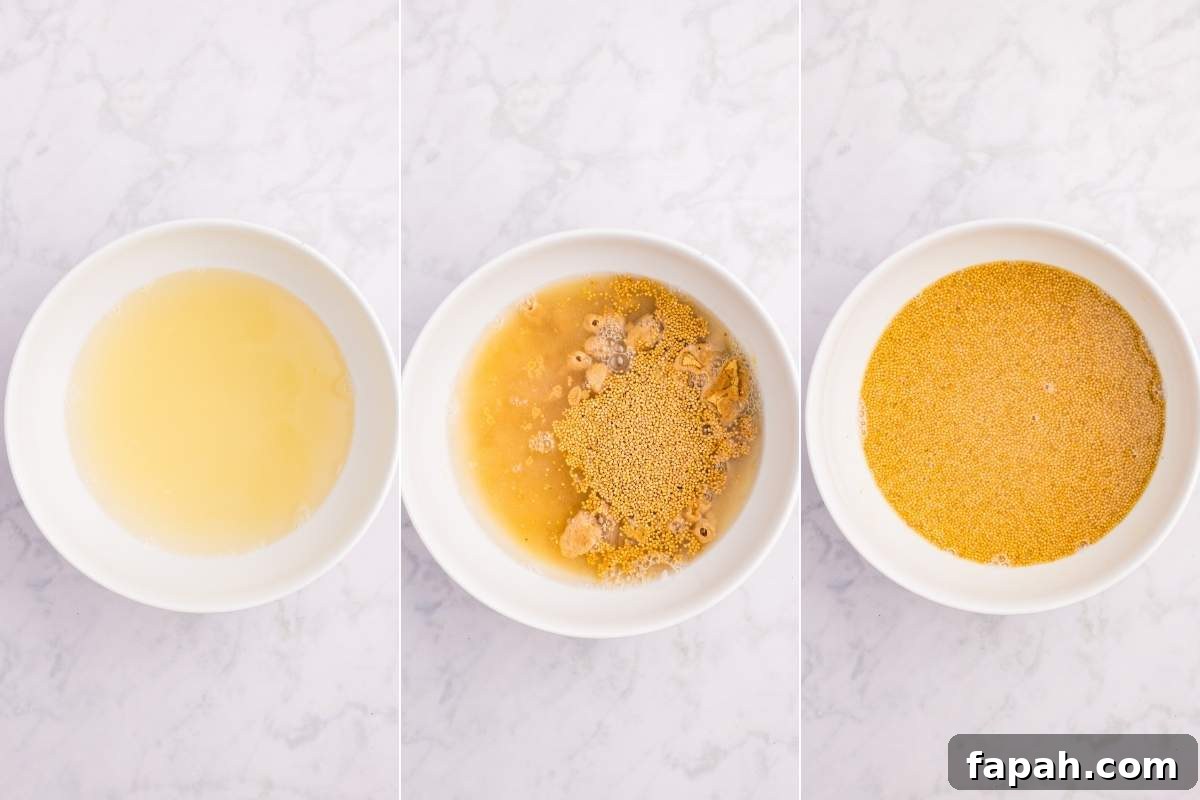
Stir the whole mustard seeds and mustard powder into the strained liquid. Cover and let the mixture sit for at least 24 hours (up to 48) so the seeds can absorb the flavors and soften. This resting time is essential for proper texture and depth of flavor.
Prep Your Jars (While You’re Waiting)
Wash jars with hot soapy water, then place them in your water bath canner with simmering water to keep them hot. Lids and rings should be cleaned and set aside; they do not need to be heated in the same way as the jars.
Blending Time
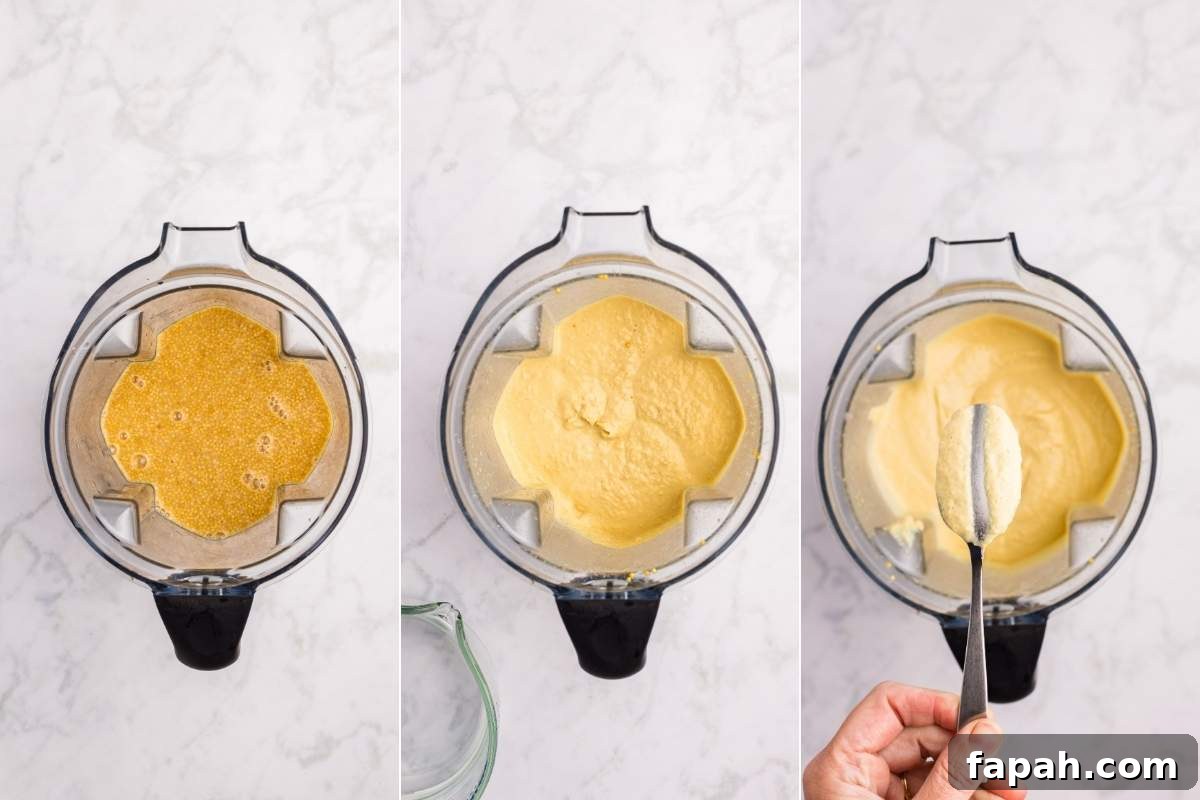
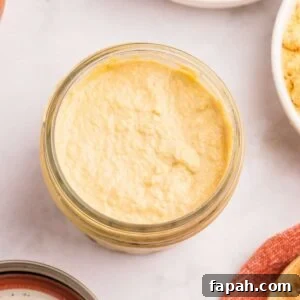
Transfer the soaked mixture to a high-speed blender. Start blending slowly and increase to medium. When it forms a paste, add 1 cup water and continue adding more water a little at a time until you reach your preferred consistency. I typically end up using about 2 cups total, but adjust to taste.
The Final Simmer
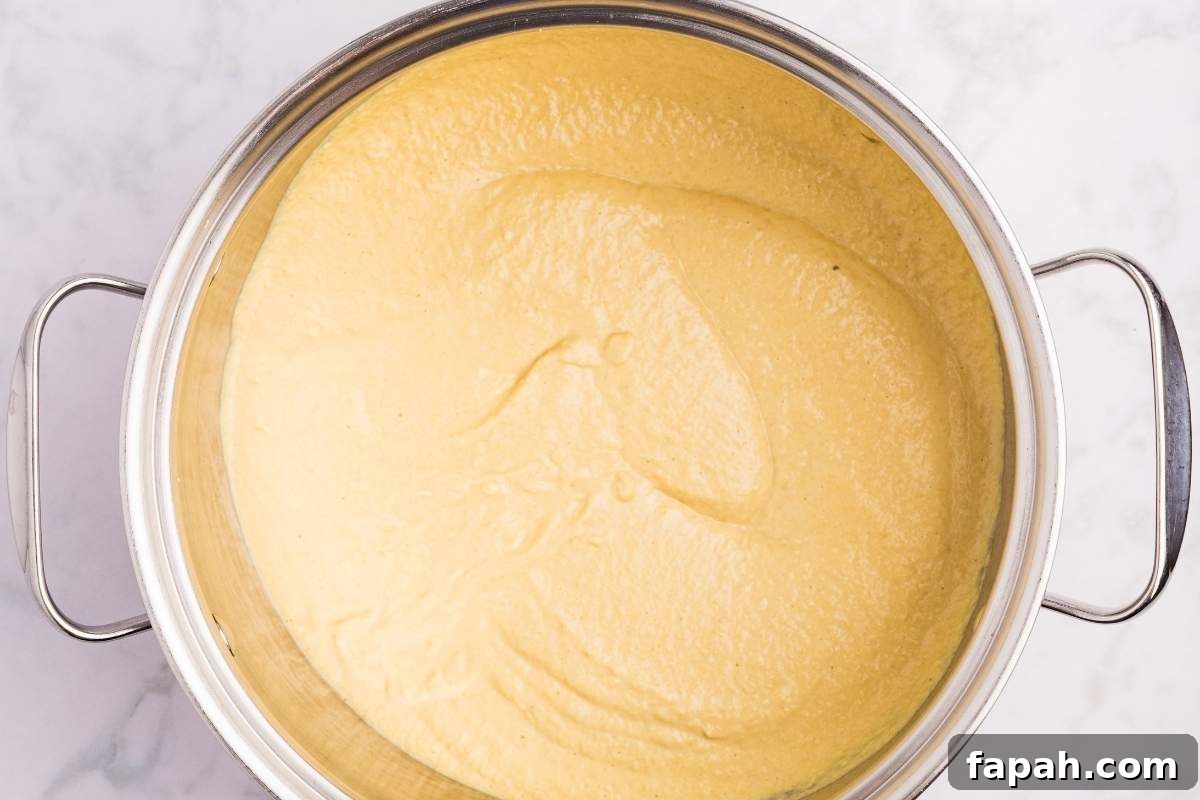
Pour the blended mustard into a saucepan and bring to a boil over medium heat, stirring constantly. Once bubbling, reduce the heat and simmer for 5 minutes to meld the flavors and thicken slightly.
Filling
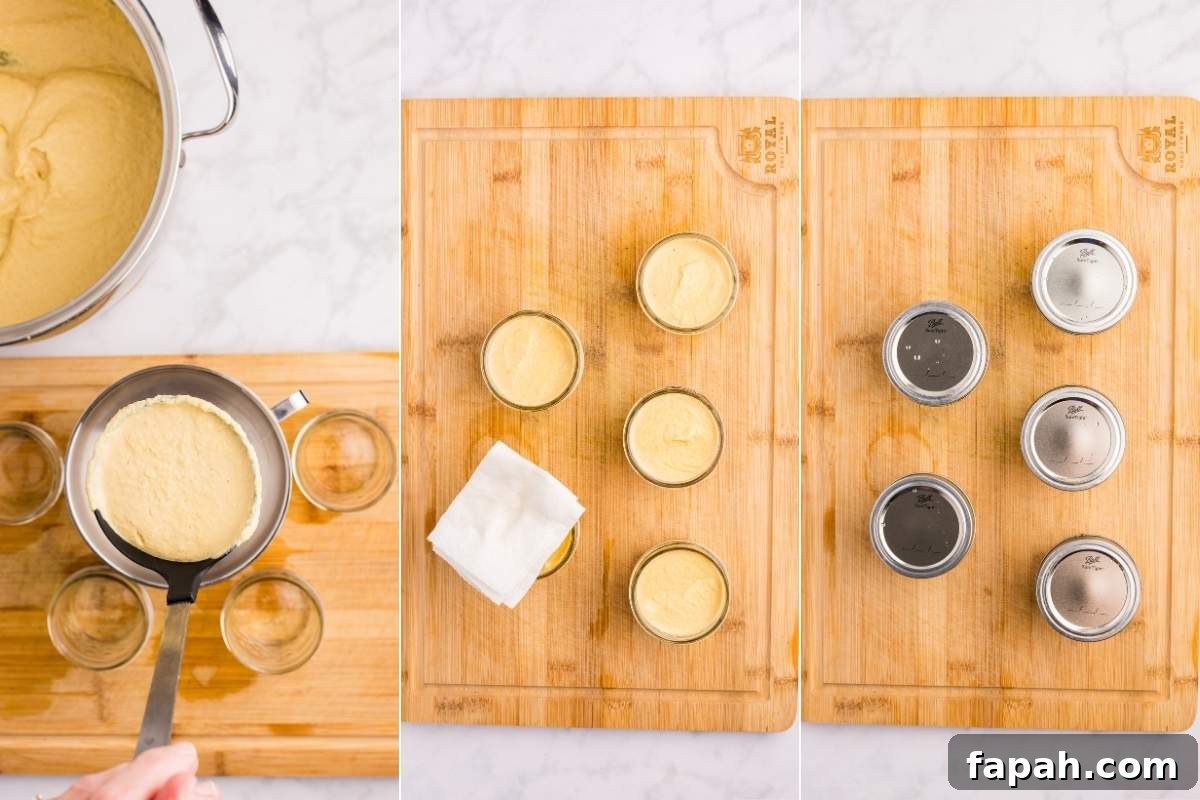
Ladle the hot mustard into the hot jars, leaving about ½ inch headspace. Remove air bubbles with a clean knife or spatula, wipe rims clean with a damp towel, and apply lids and rings fingertip-tight.
Processing
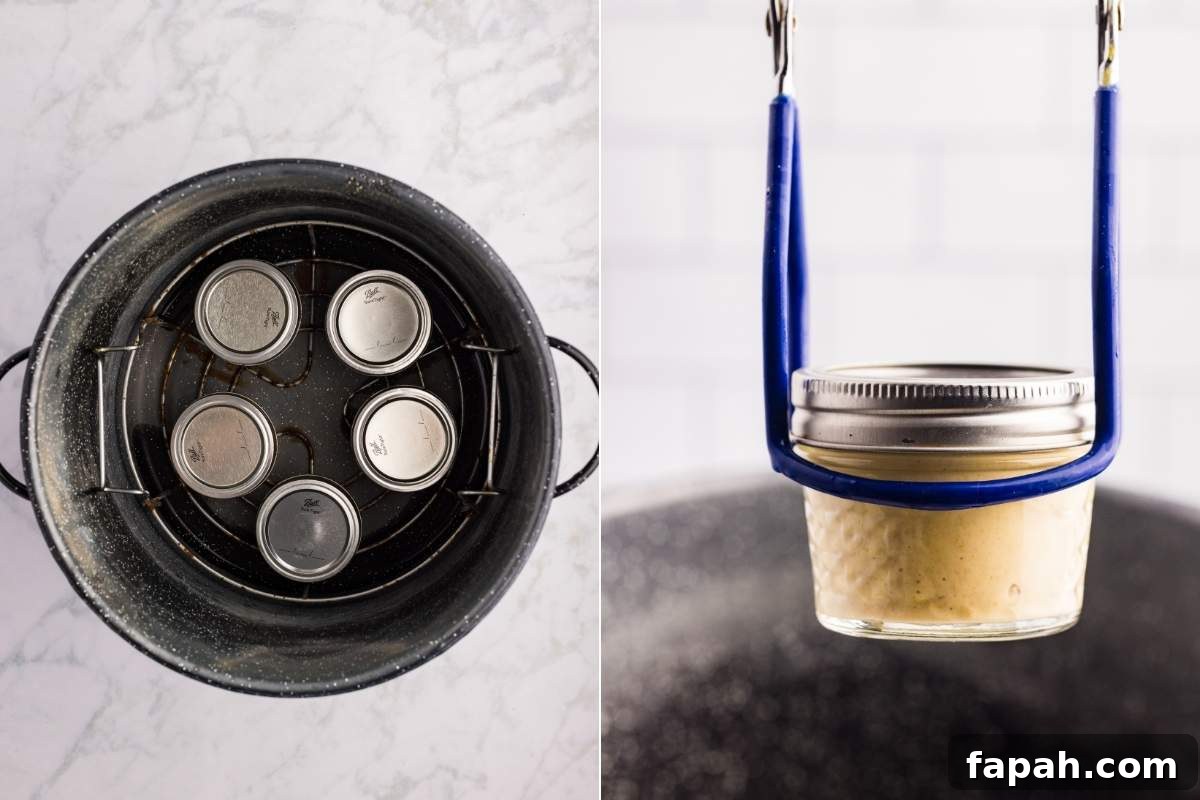
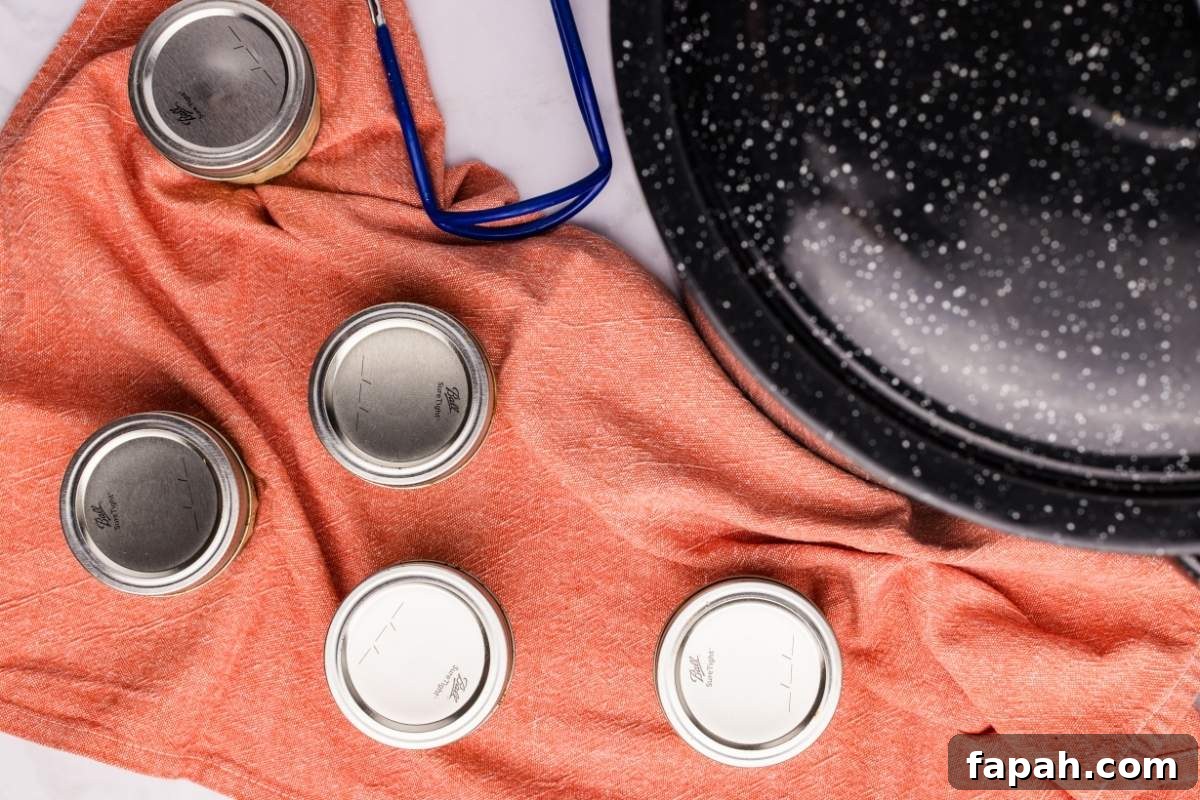
Place jars in the water bath canner with at least 1 inch of water covering the jar tops. Bring to a rolling boil and process for 10 minutes. After processing, turn off the heat and let jars sit in the canner for 5 minutes, then remove and let cool undisturbed overnight. You’ll hear the lids pop as they seal.
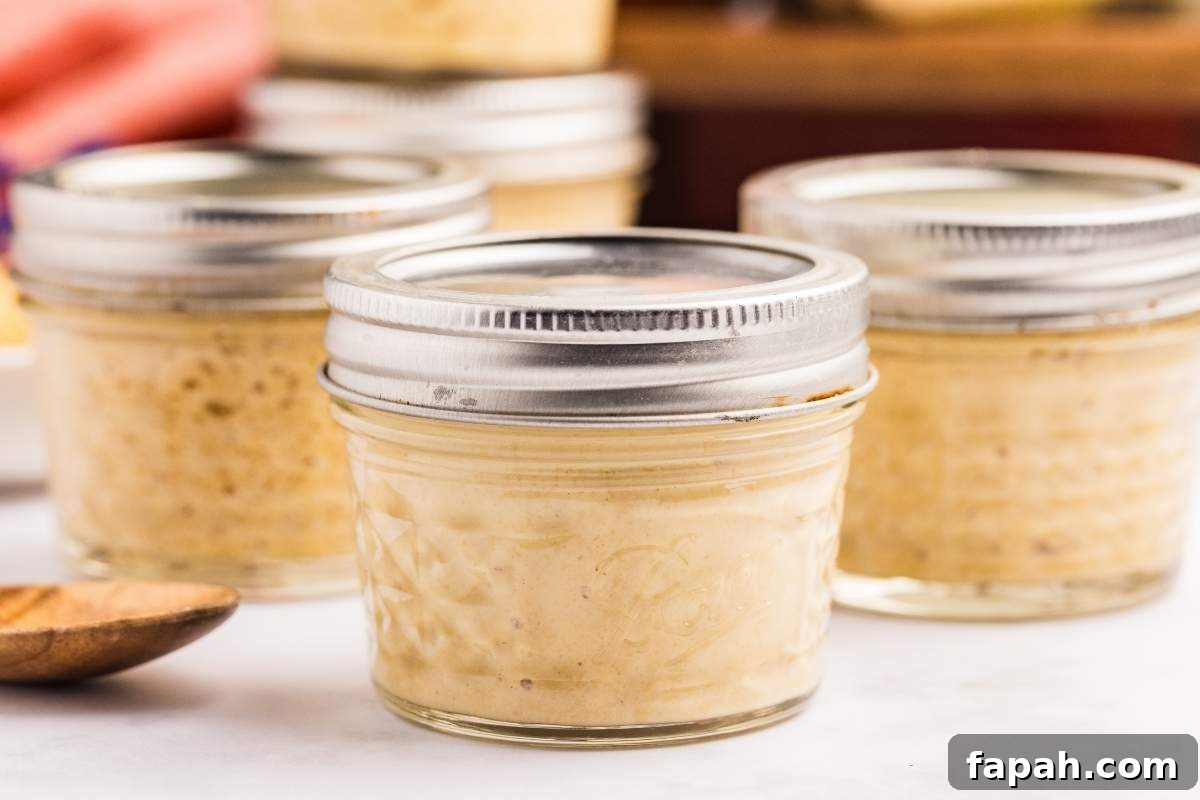
Store sealed jars in a cool, dark place for up to 18 months. Once opened, refrigerate and use within a year. The mustard usually improves in flavor after a few weeks of aging.
How to Use it up
This mustard is excellent on sandwiches and burgers, whisked into vinaigrettes and marinades, or brushed as a glaze for roasted meats. It also brightens potato salad, deviled eggs, and cheese boards. Packaged with crackers and a sweet jam, it makes a thoughtful homemade gift.
Questions and Troubleshooting
Yes. A regular blender works, but the texture will be more rustic and grainy. Some people prefer that mouthfeel.
Absolutely. Store in clean jars in the fridge and use within about 6 months. You’ll lose the long shelf life that canning provides but the flavor is the same.
If seeds are still very hard and the texture is gritty, extend the soak to 48 hours and ensure your vinegar is not overly strong. The seeds should soften and absorb the flavored liquid.
Printable Recipe
Homemade Dijon Mustard (Canning Recipe)
Equipment
- Large pot
- Fine mesh strainer
- High-speed blender
- Water bath canner
- 6 4-oz mason jars with lids and rings
Ingredients
- 2 cups yellow onions, chopped (about 3 medium)
- 2 cups dry white wine (or apple/grape juice)
- 1 cup white wine vinegar (5% acidity)
- 1 teaspoon salt
- 6 cloves garlic, chopped
- ¼ teaspoon whole black peppercorns
- 1 sprig fresh rosemary (or 2 tsp dried)
- 1 cup whole mustard seeds
- ⅓ cup mustard powder
- 1–3 cups water (for thinning)
Instructions
- Cook base. In a large pot, combine onions, wine, vinegar, salt, garlic, peppercorns, and rosemary. Bring to a boil, then simmer 15–20 minutes until onions are soft.
- Strain and add mustard seed and powder. Strain through a fine-mesh strainer into a bowl, pressing solids to extract liquid. Discard solids. Stir in mustard seeds and mustard powder. Cover and let stand 24–48 hours.
- Prep for canning. Wash jars and place them in a water bath canner with simmering water to keep hot. Clean lids and rings and set aside.
- Blend. Transfer the soaked mixture to a high-speed blender. Blend starting slow, then medium until a paste forms. Add 1 cup water, then add more slowly until desired consistency.
- Heat. Move the blended mustard to a saucepan, bring to a boil while stirring, then simmer 5 minutes.
- Fill jars. Ladle hot mustard into hot jars, leaving ½ inch headspace. Remove air bubbles, wipe rims, and apply lids and rings fingertip-tight.
- Process in canner. Process jars in a boiling water bath for 10 minutes. Let sit in the canner 5 minutes, then transfer to cool overnight until sealed.
Notes
Soaking time is crucial for proper texture and flavor development.
Use a high-speed blender for the smoothest consistency; a regular blender yields a grainier texture.
Start with 1 cup water when blending and add gradually until you reach the thickness you prefer.
This recipe doubles or triples easily. Store sealed jars up to 18 months; opened jars keep up to 1 year refrigerated.