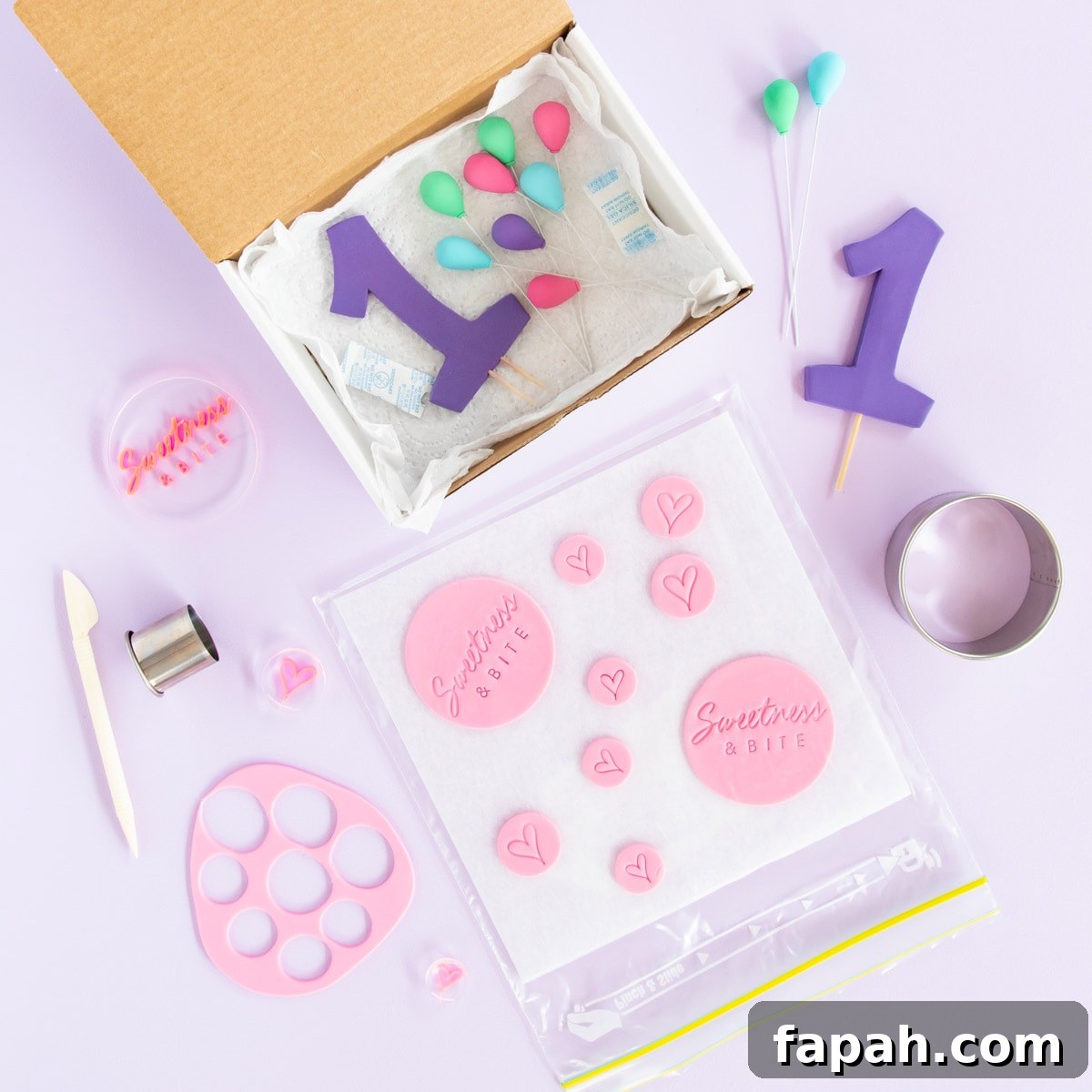
Learn how to store fondant decorations, whether you need to keep pieces soft while decorating or preserve dried fondant and gumpaste keepsakes.
Making fondant and gumpaste decorations or figurines ahead of time is a great way to prepare for a cake. You can make many decorations from a day to several months before you need them. The key is storing them correctly so they maintain their shape, texture and colour.
This guide explains how to keep fondant decorations soft while you work with them, how to store partially or fully dried pieces, and how to preserve keepsakes that you want to keep for a long time.
How to Store Fondant and Gumpaste Decorations
How to Keep Decorations Soft
If you need fondant pieces to stay soft and pliable for attaching to a cake, store them in a way that preserves moisture and prevents them from drying out or sticking together.
Typically these are flat cut-outs or shapes that need to conform to the cake’s surface when applied.
The process is straightforward:
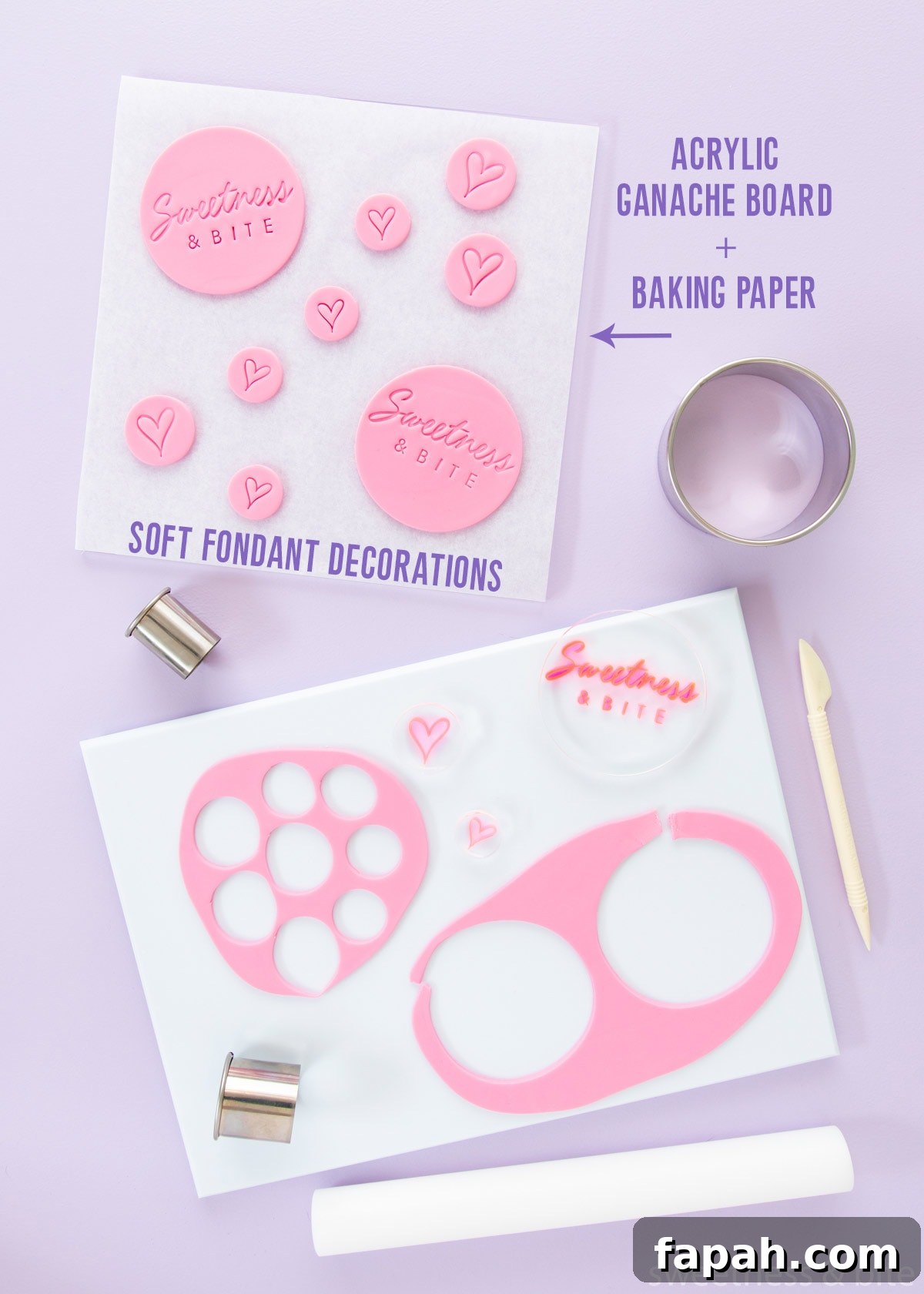
- Place non-stick baking paper on a flat surface such as a ganache board, plate, or a plastic lid.
- Arrange the fondant cut-outs on the paper in a single layer.
- Slide the board or plate into a large resealable (ziplock) bag and seal it. If the tops are slightly sticky and touch the bag, place another sheet of baking paper on top before sealing.
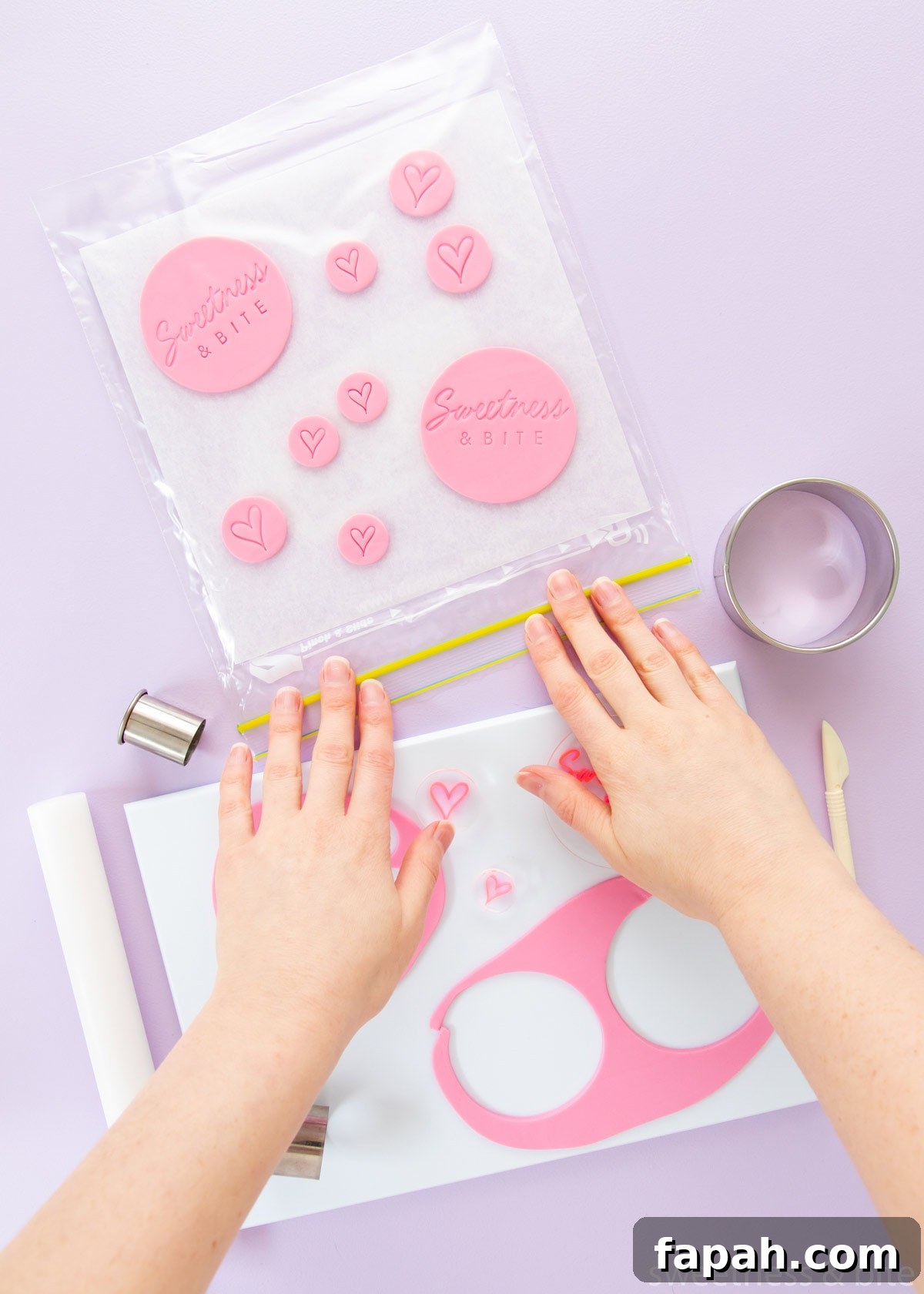
- Keep the bag at cool room temperature and out of direct sunlight.
Plain fondant cutouts will usually stay soft for at least a day or more. Gumpaste pieces and fondant mixed with tylose will begin to firm faster and may remain malleable only for a few hours.
When rolling fondant or gumpaste, avoid excess cornstarch or icing sugar as they draw out moisture. Use a little shortening on your hands or work surface to retain moisture. If the pieces need extra humidity, place a small damp paper towel inside the sealed bag without letting it touch the decorations; contact with water can dissolve the fondant.
An airtight container works too but can allow decorations to dry slightly more than a sealed bag because of trapped air. Plastic wrap is less effective than a sealed bag because it’s not fully airtight.
How to Store Dry Fondant and Gumpaste Decorations and Figurines
For partly or fully dried decorations—figurines, sugar flowers, cut-out toppers, or fondant cupcake discs—use storage methods that protect them from physical damage, moisture and light.
- Fondant figurines (with or without tylose)
- Gumpaste figurines
- Sugar flowers and leaves
- Cut-out toppers and numbers
- Fondant cupcake discs
For better durability, use gumpaste or add tylose to fondant so pieces dry straighter and stronger. There are four main considerations when storing dried decorations: physical protection, dryness, airflow and protection from direct sunlight to prevent fading.
Airtight containers are not ideal for pieces that aren’t fully dry, because trapped moisture can soften or dissolve them. Cardboard boxes are a better option: they provide protection while allowing airflow so decorations can fully dry and remain stable.
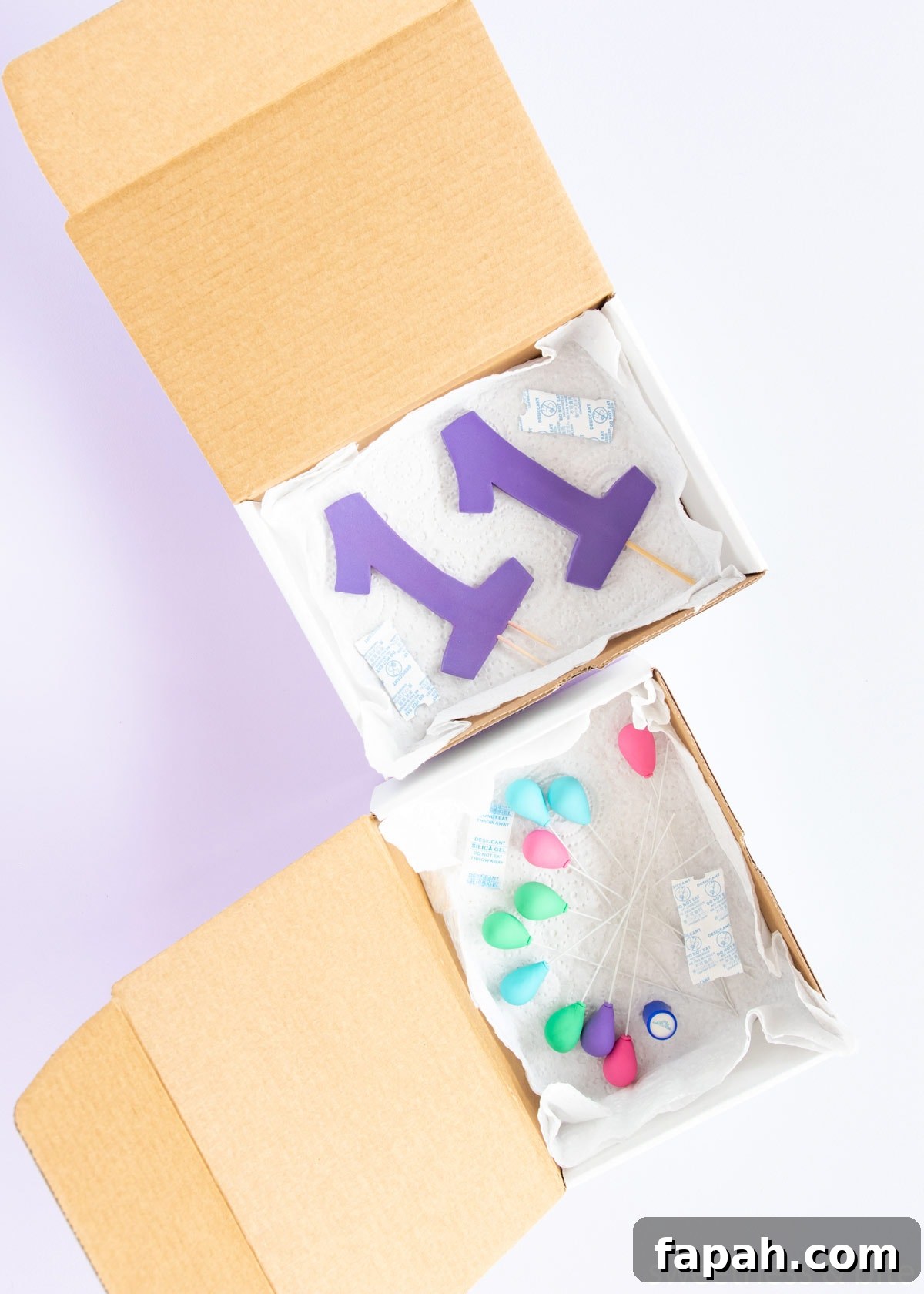
Storing Decorations In a Box
Cardboard boxes are ideal for long-term storage or for keeping backup decorations. They protect from knocks while allowing some airflow to prevent trapped moisture.
Choose small, sturdy boxes—kept clean—and line them with paper towels or baking paper. Use paper towels for already-dry pieces, and baking paper if pieces are still a little soft. For soft items, place them on a small board first so they’re easier to lift in and out of the box.
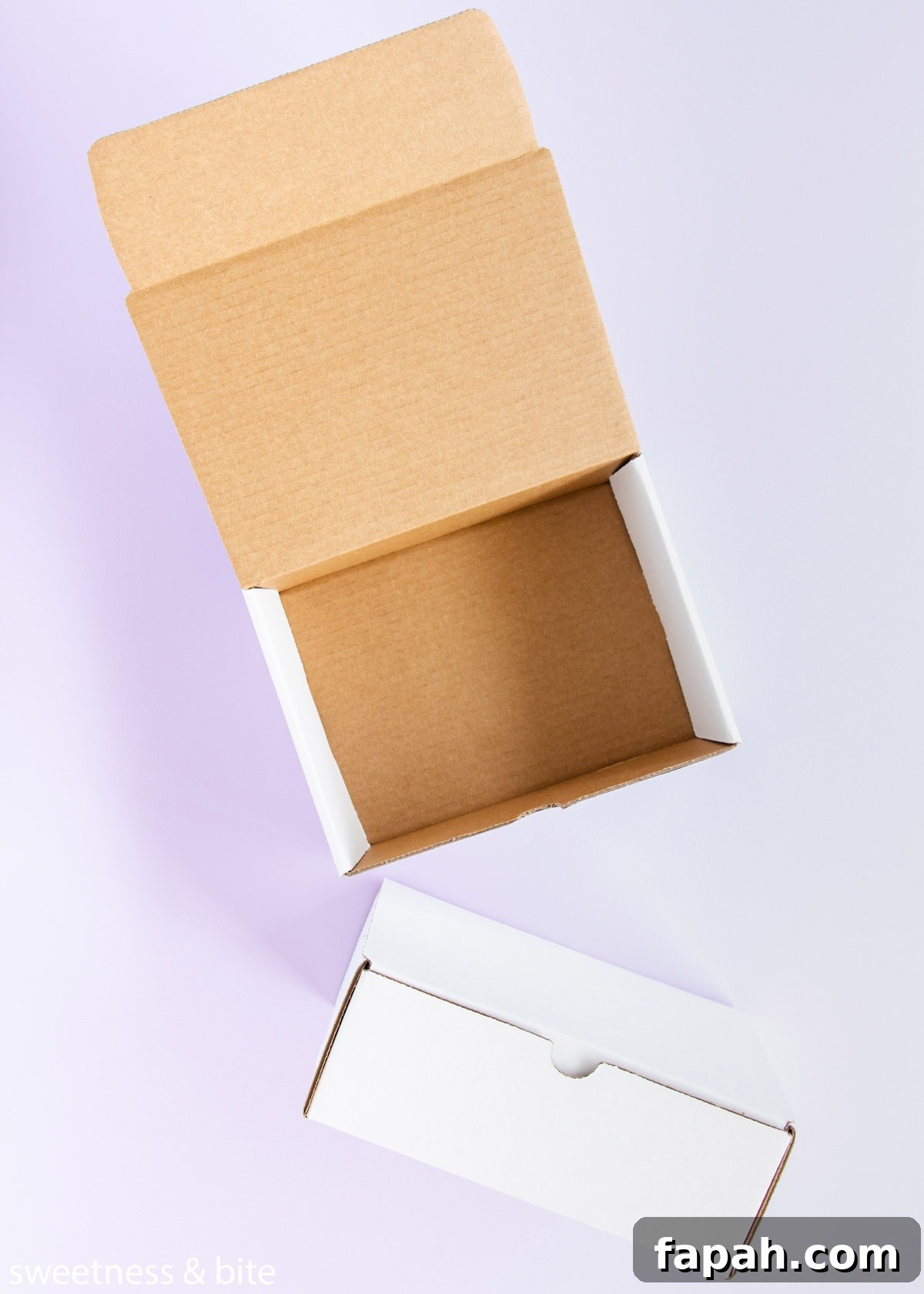
- Arrange decorations in the box with space between them. For fully dried figurines, scrunched paper towels make good cushioning. Keep partially dry pieces in a single layer to avoid breakage.
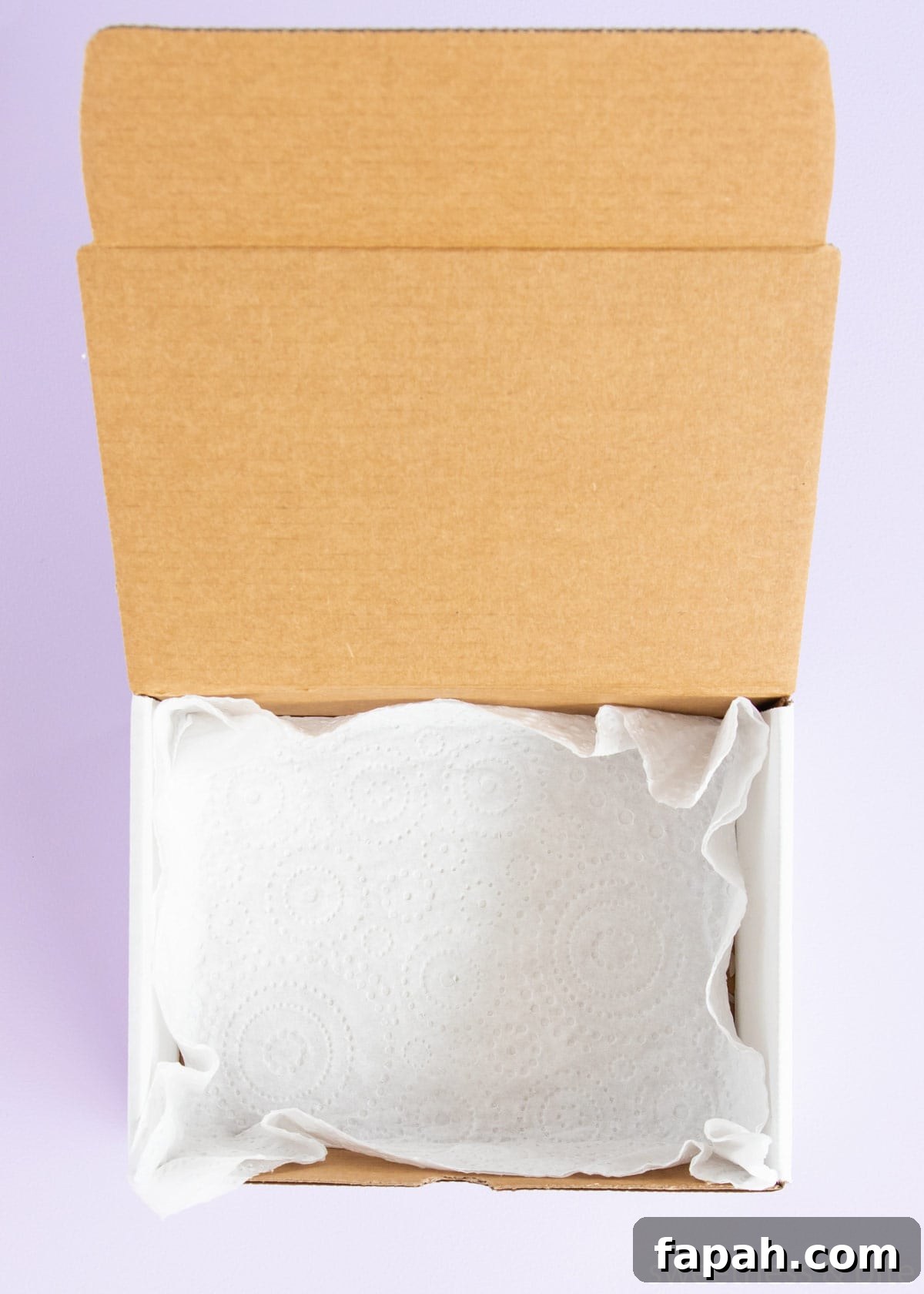
For flat toppers, once fully dry, you can stack them with sheets of baking paper between layers. For long-term storage, a thin layer of uncooked rice at the bottom of the box (covered by paper or baking paper) helps absorb moisture, similar to how rice is used to dry electronics.
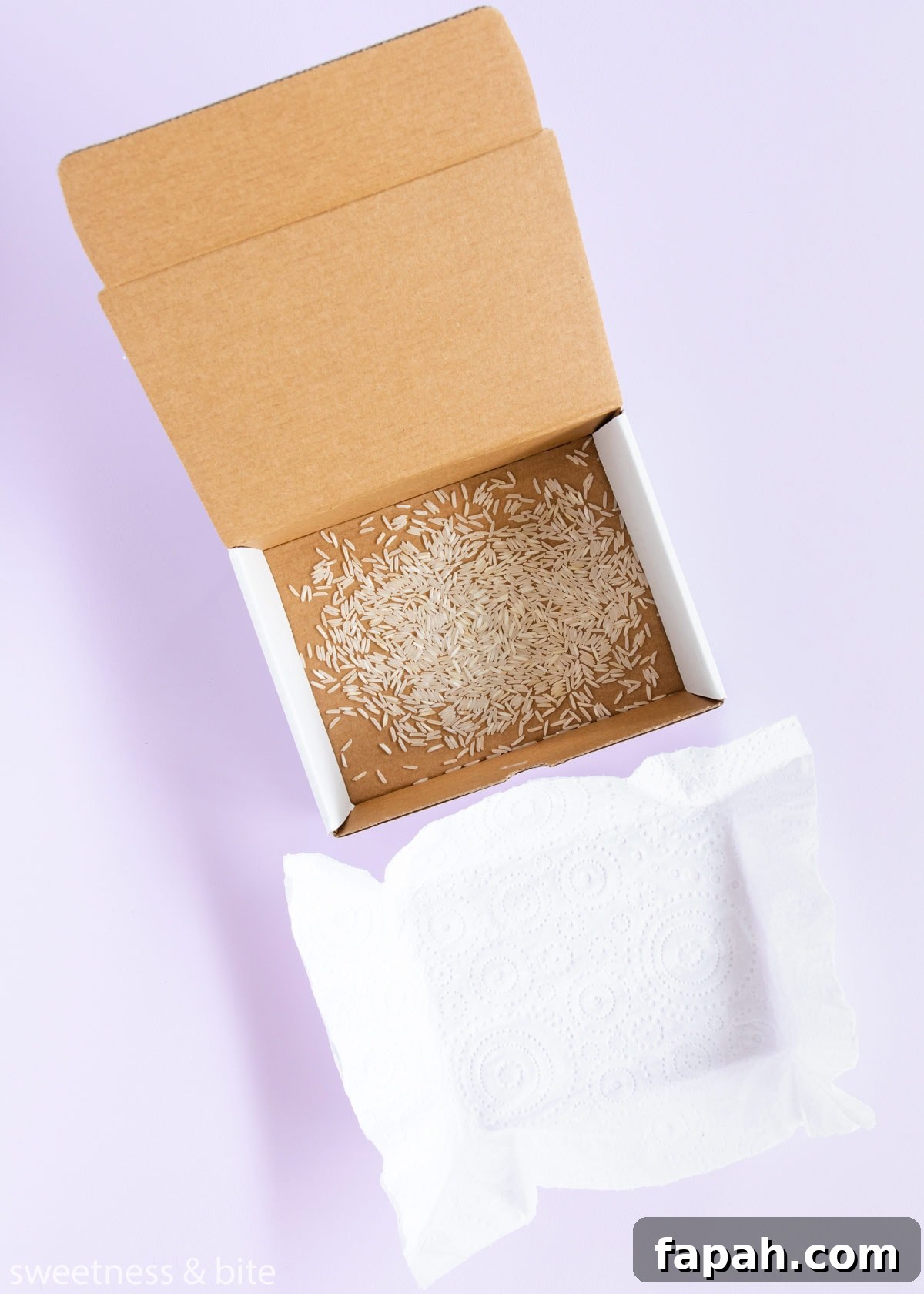
Foam pads used for sugar flowers are another good option for cushioning while allowing airflow. Silica gel packets are useful for keeping the environment dry—store food-safe packets separately from non-food-safe ones and use food-safe packets for decorations that may come into contact with food.
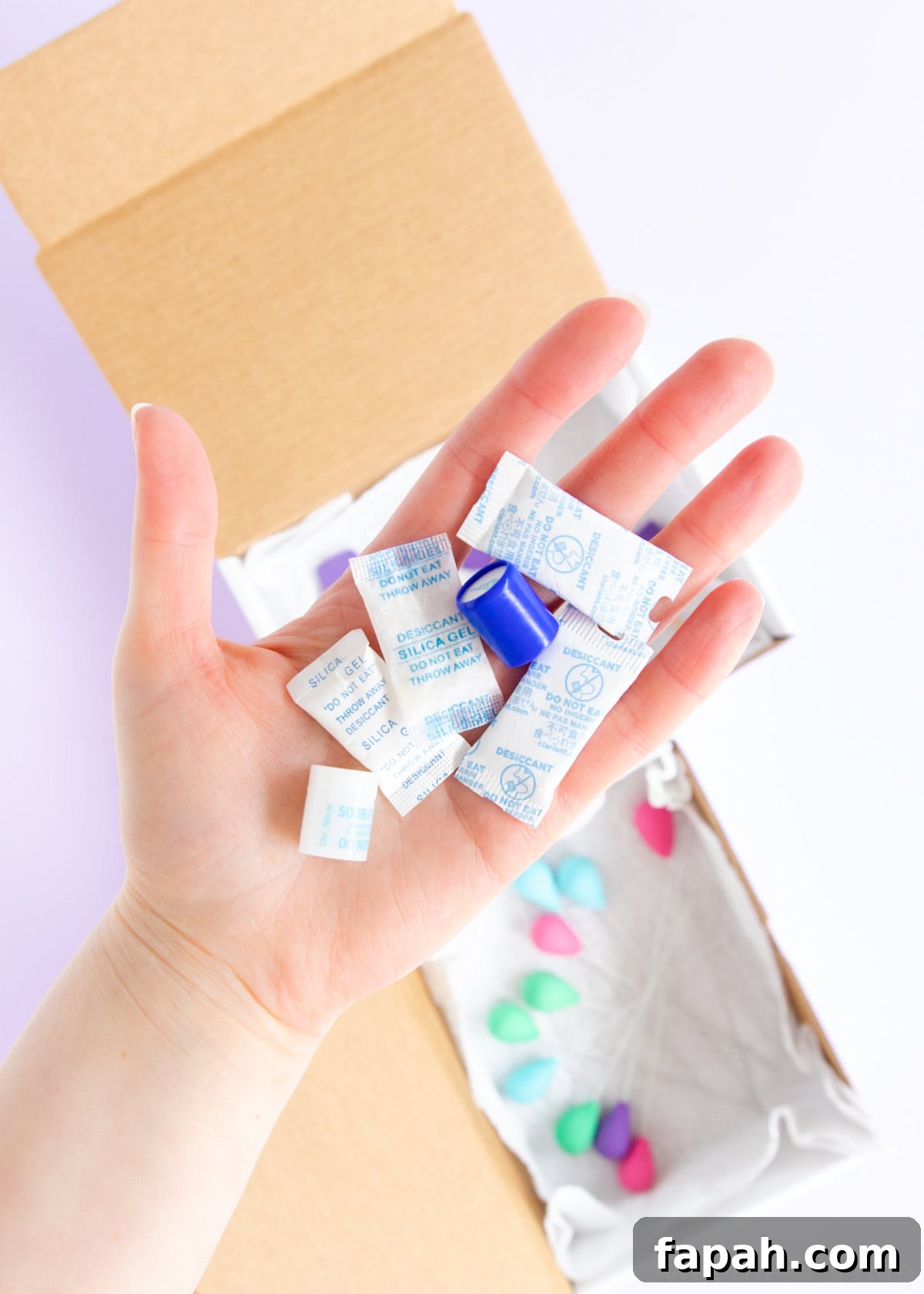
Keep boxed decorations in a cool, dark cupboard and label each box so you can find items without repeatedly opening them. Good labeling protects fragile pieces and helps you maintain organization.
How to Display Fondant and Gumpaste Decorations Safely
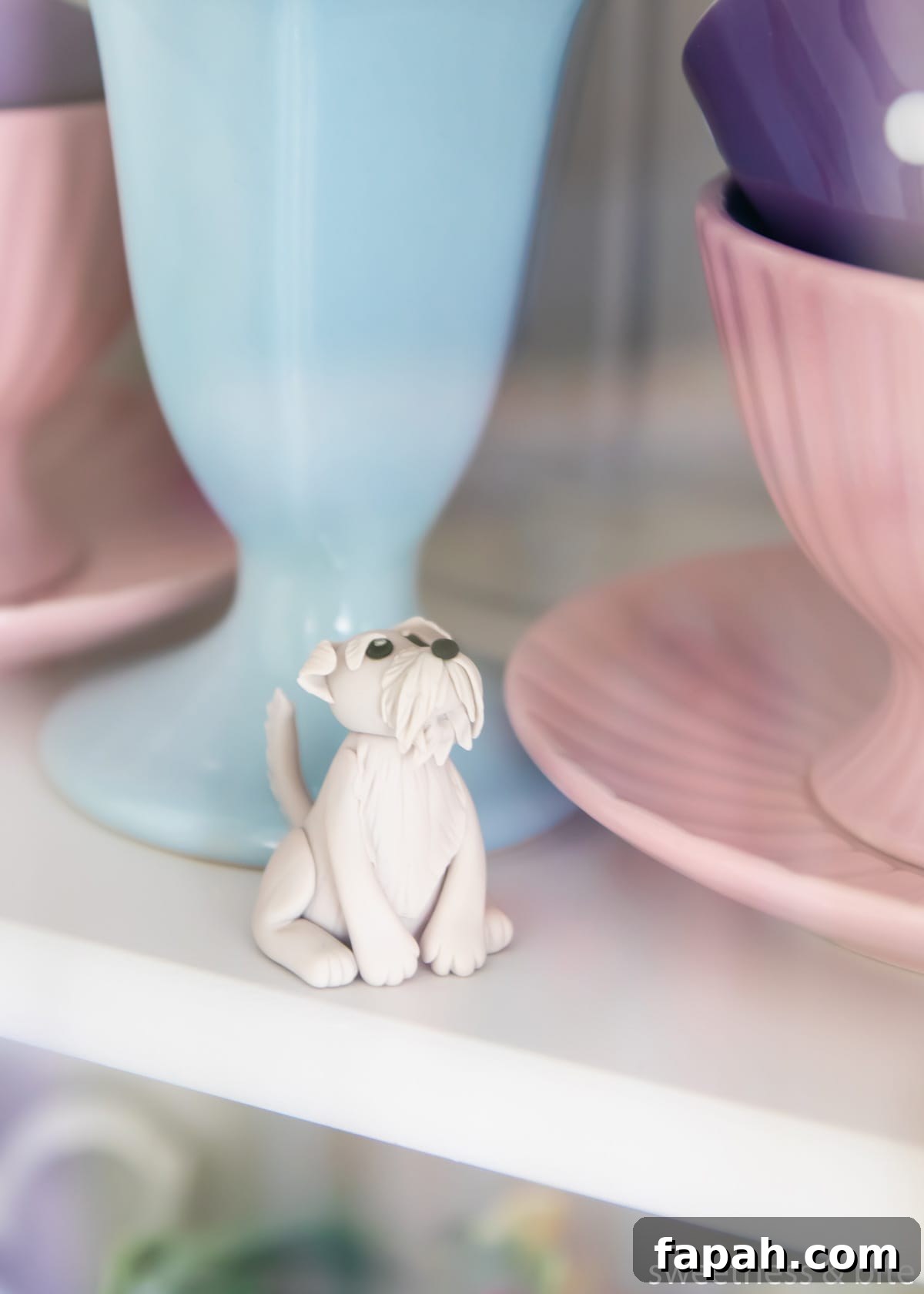
If you want to display decorations, protect them from curious hands, pets and dust. A glass-doored cabinet or a cake stand with a glass dome works well and keeps items out of direct sunlight. Displayed pieces should still be kept out of reach of children and animals.
Glaze Spray
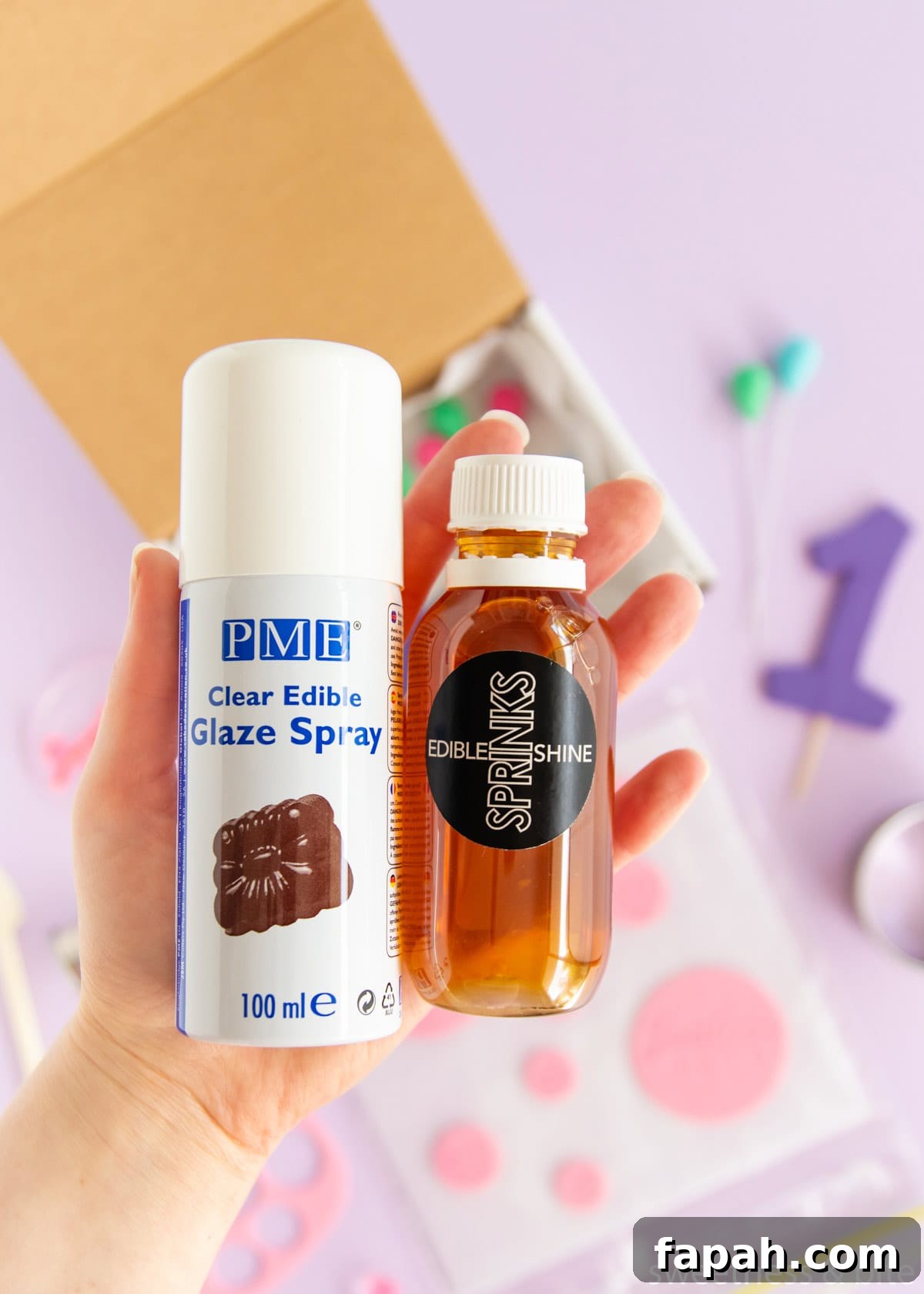
A confectioner’s glaze can extend the display life of decorations and add a glossy finish. Apply glaze only once pieces are fully dry; otherwise moisture will be trapped. Use several light coats with drying time between each application. Test the spray on a scrap piece first, and keep some high-proof alcohol on hand for cleanup since glaze is not water-soluble.
How Long Do Fondant Decorations Last / How Early Can You Make Them?
The lifespan depends on whether the decorations need to stay soft or are intended to be dry and sturdy. Soft fondant kept in a sealed bag will usually remain pliable for a day or two; brands and additives like tylose affect timing, so test your specific product if you need a longer window.
Dried decorations intended to be eaten are best made a week or two in advance. Fondant is mostly sugar and doesn’t spoil in the usual sense, but it will harden and lose its pleasant texture over time. Gumpaste or fondant with tylose dries much firmer and can become very hard after longer storage.
If decorations are for display or keepsakes and won’t be eaten, they can be made months ahead if stored properly in boxes away from heat and light. Proper care—drying fully, choosing the right storage materials, and keeping items labeled—will keep decorations looking good for a long time.
Other Cake and Cookie Tutorials You May Like…
Here are a few additional topics to explore when planning and preparing decorations:
- How to create a cake decorating timeline so you can plan baking, icing and decorating tasks.
- How to make edible glue using tylose/cmc or gum arabic, and alternative ways to make fondant stick to ganache or other surfaces.
- Techniques for painting on cookies, including freehand and tracing methods, and how to create watercolor cookie effects.