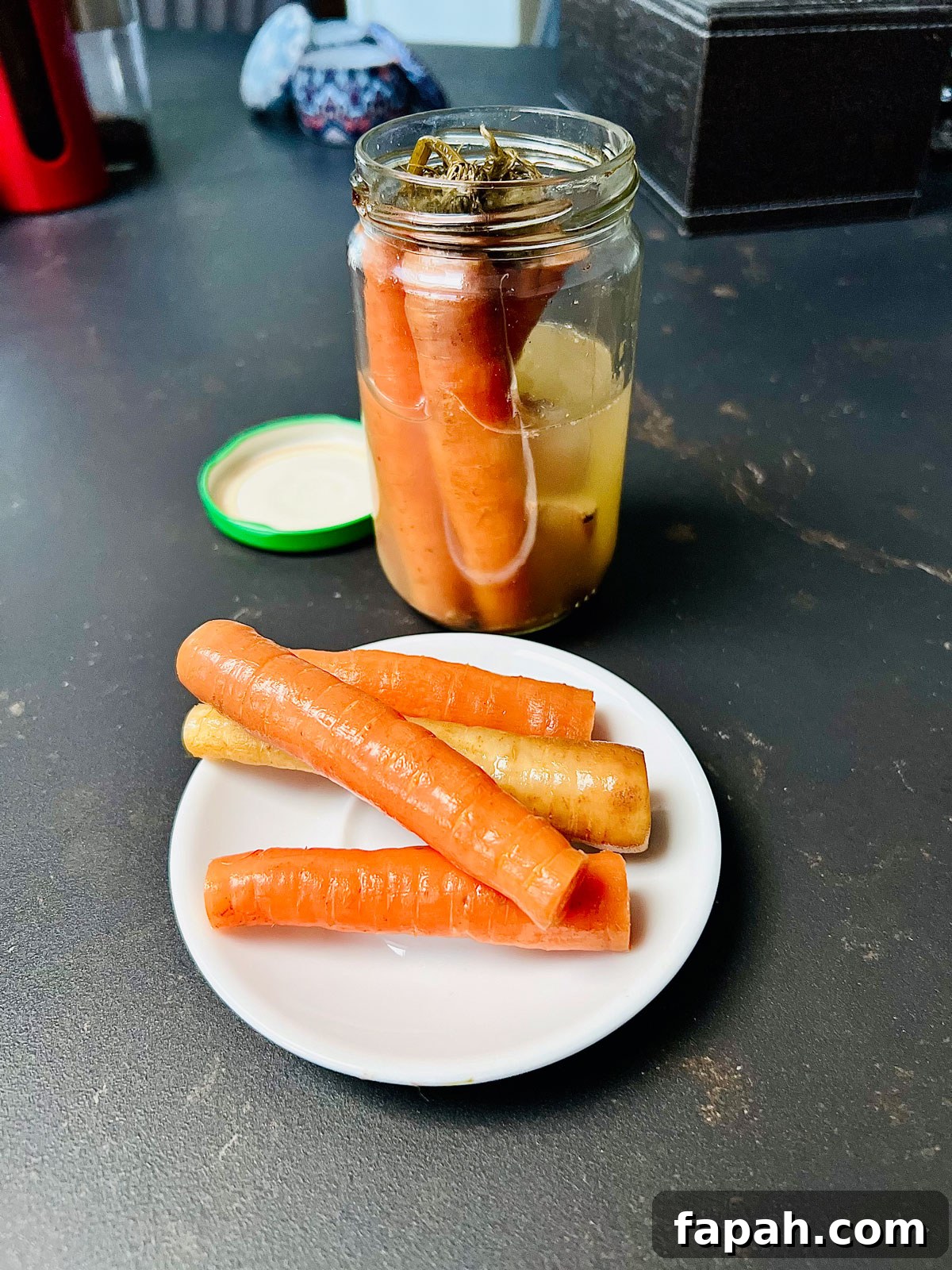
Unlock a world of bright flavors and health benefits with this simple guide to making quick pickled carrots without vinegar. These lacto-fermented carrots rely on natural fermentation rather than vinegar, producing crisp, tangy pickles rich in beneficial bacteria.
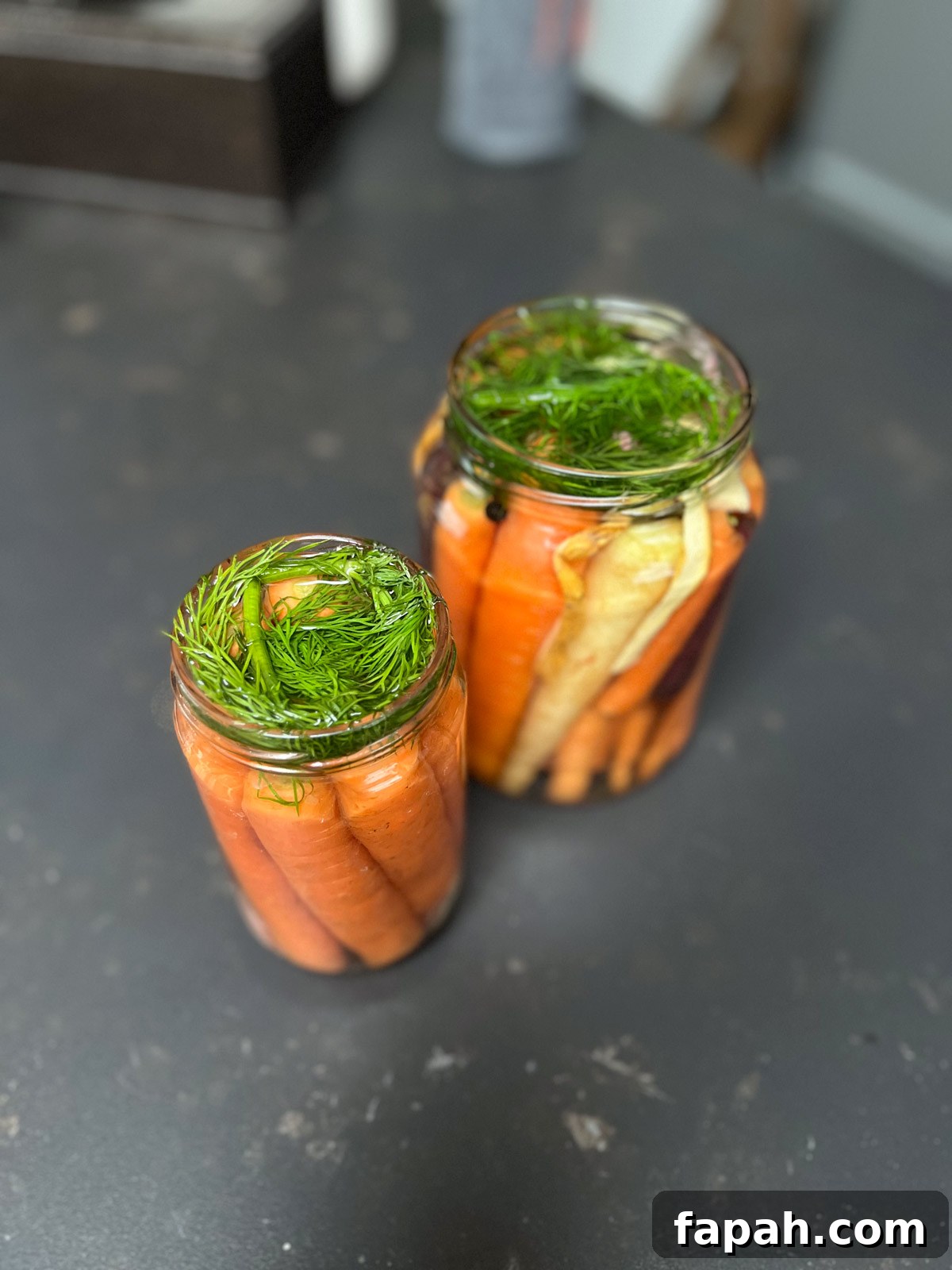
Fermented carrots follow an age-old preservation method: no vinegar, just salt, water, and time. The process preserves texture and builds complex flavor while adding probiotics that support gut health. This recipe is straightforward and fast to prepare at home.
I grew up with lacto-fermented foods—my mother pickled almost everything. She kept barrels of mixed vegetables and even whole watermelon in the cellar. Those memories of bringing up a jar of pickles to finish at the table still make me smile. Fermented carrots pair wonderfully with many dishes, from hearty stews to rice pilafs.
📖 History of pickling
Pickling is one of the oldest food preservation techniques, used for thousands of years across many cultures. Ancient civilizations preserved cucumbers and other vegetables to survive seasonal shortages and to add flavor. Over time, methods evolved—some cultures favored vinegar-based pickling, while others developed fermentation techniques that create sourness naturally.
- Ancient origins: Early records show pickling in Mesopotamia, Egypt and China, where preserving food extended supplies and diversified diets.
- Classical and medieval Europe: Greeks and Romans used pickling for vegetables and fish; later, vinegar became a common agent in Europe.
- Global variety: Around the world, pickling traditions differ: Korean kimchi, German sauerkraut, Indian pickled mangoes and Japanese gari each use local ingredients and methods.
Today pickled and fermented foods remain popular for their flavors, preservation, and nutritional benefits.
🥘 Ingredients
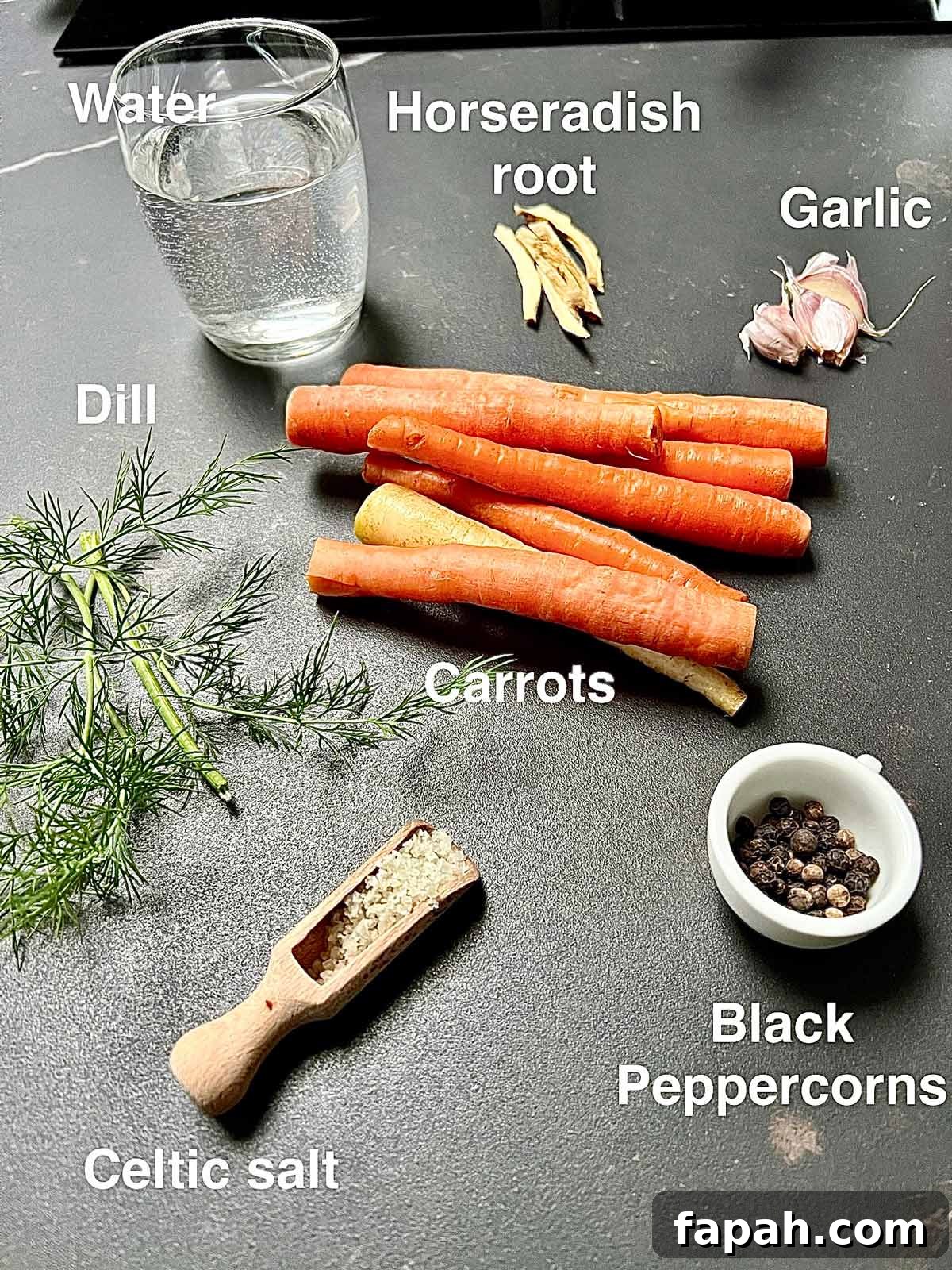
- Carrots
- Horseradish root
- Pickling or Celtic salt
- Black peppercorns
- Fresh dill
- Filtered or spring water
- Garlic
See the recipe card below for exact quantities and servings.
How to pickle carrots
These pickled carrots require just a few simple steps. The key is cleanliness, the right salt brine, and allowing enough time for fermentation.
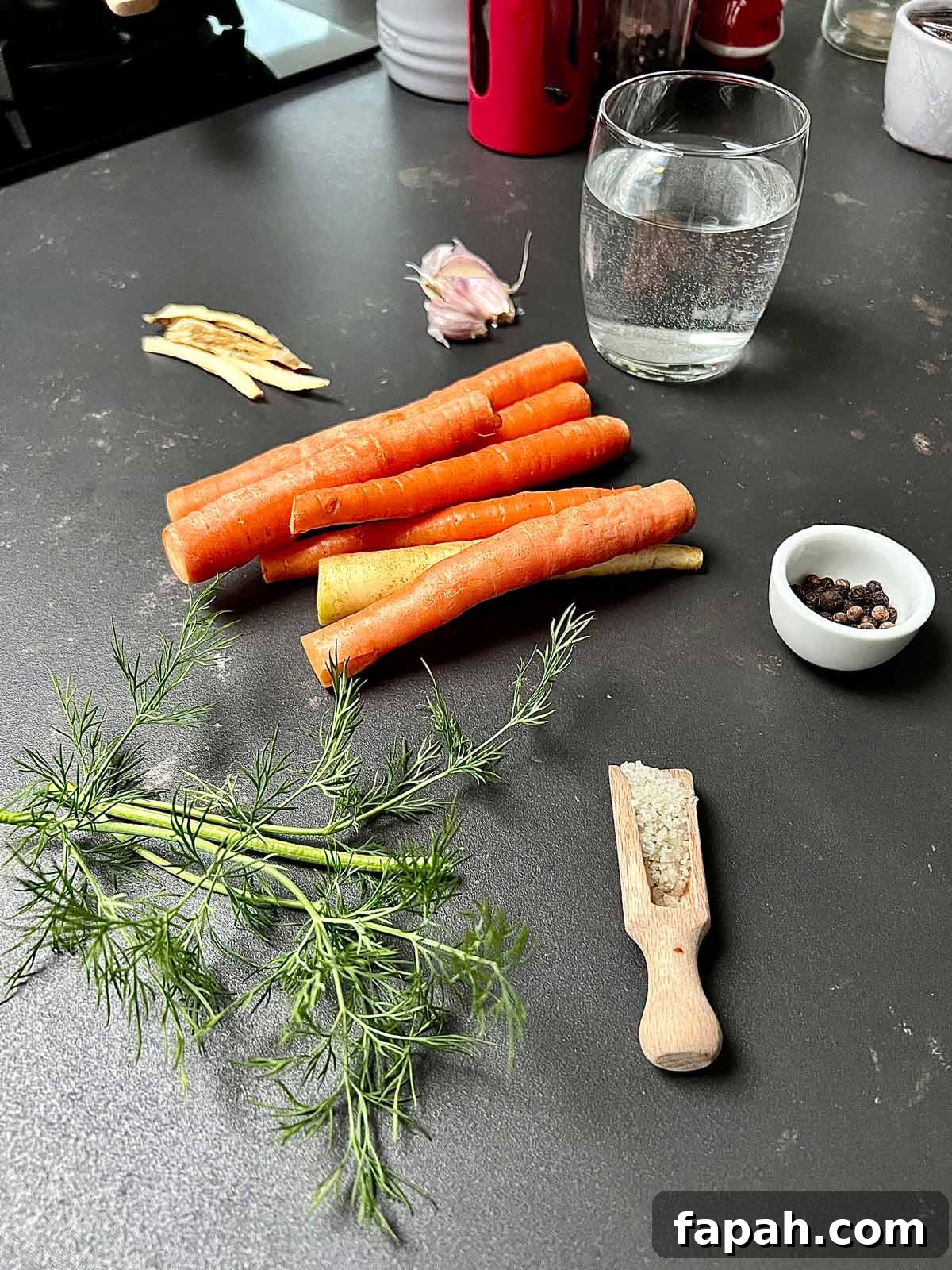
1. Gather and prep your ingredients: wash and peel the carrots, slice horseradish into strips, and prepare garlic and dill.
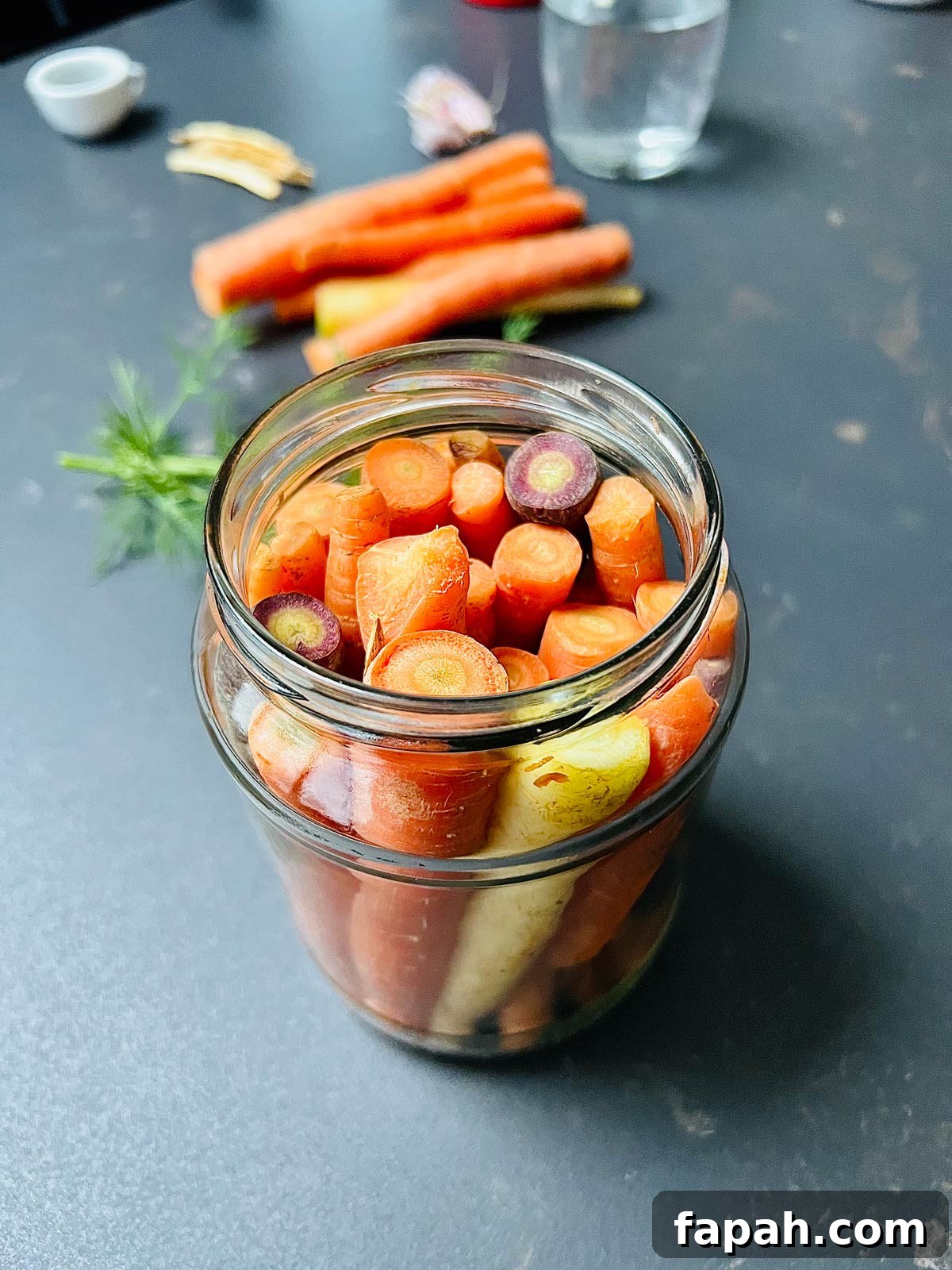
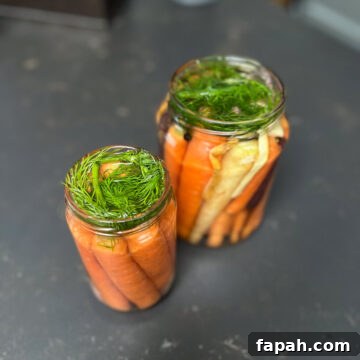
2. Pack carrots tightly in clean jars—sticks or short segments work best so they fit upright with a little headspace.
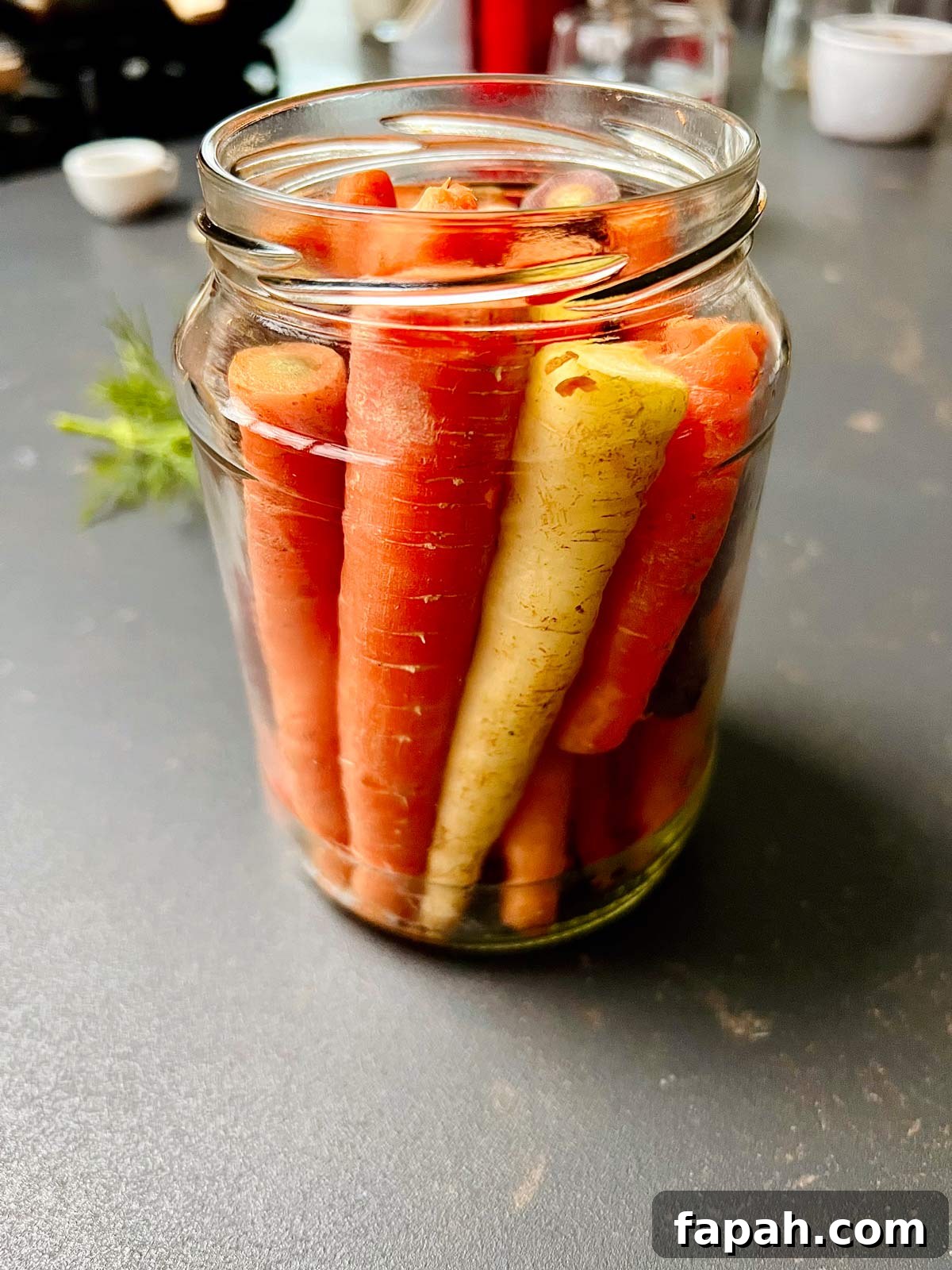
3. Tuck horseradish and peppercorns between the carrots, and add garlic and bay leaves if you like.
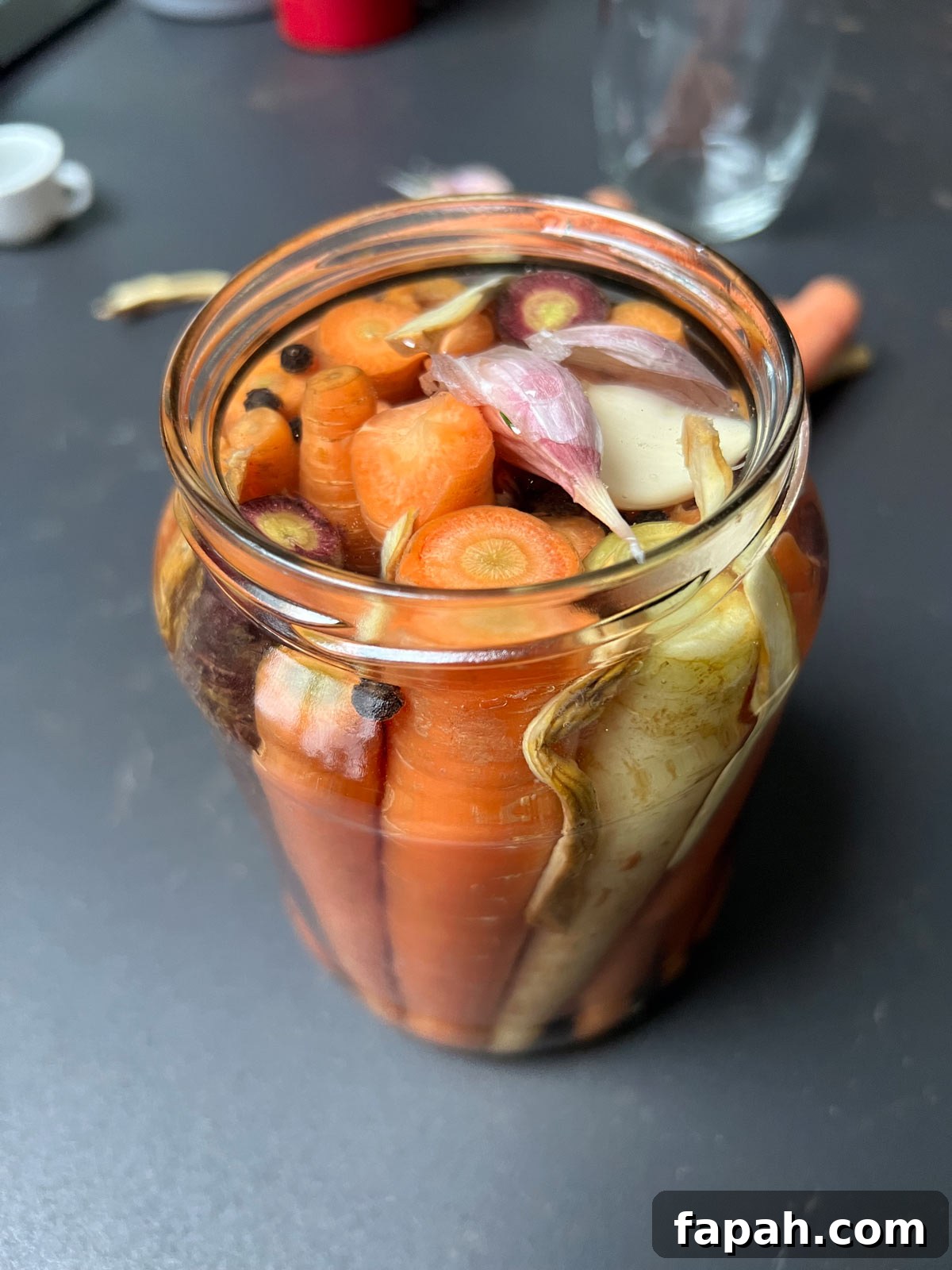
4. Mix salt into filtered water until dissolved, pour over the carrots so they are fully submerged, add dill on top, and leave a little headspace.
Hint
- Thoroughly clean carrots and jars before starting.
- Use non-chlorinated water whenever possible. Chlorine can inhibit fermentation; use filtered, spring, or rested tap water (left to sit 24 hours) to allow chlorine to dissipate.
Variations
Vinegar pickled carrots (quick version)
- Prepare carrots: Wash, peel and cut into sticks or julienne.
- Make brine: In a saucepan combine vinegar, water, salt and a touch of sugar if desired; bring to a boil to dissolve salt and sugar.
- Flavor: Add peppercorns, mustard seeds, red pepper flakes, or fresh dill.
- Pack jars: Fill sterilized jars with carrots and pour in hot brine to submerge.
- Seal and refrigerate: After cooling, seal jars tightly and refrigerate. These are best within six weeks.
How to serve pickled carrots
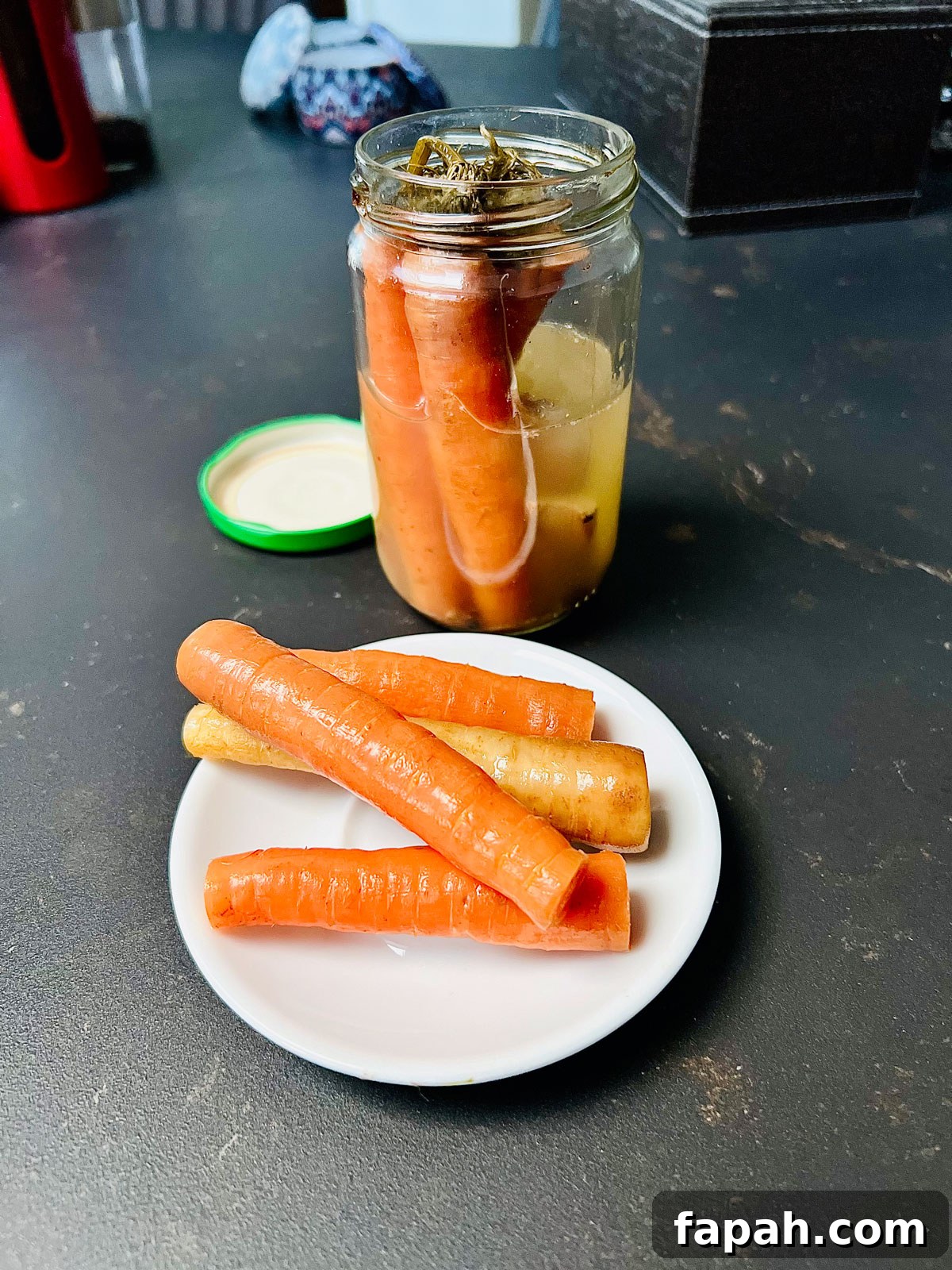
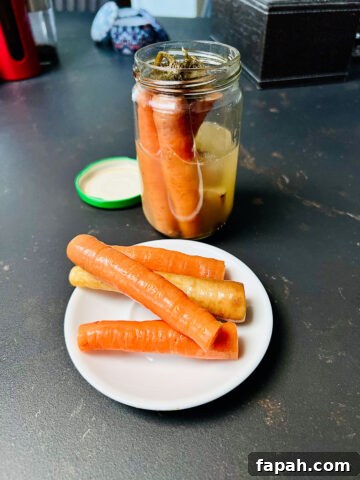
Fermented carrots are usually ready to eat after 4–7 days, with fuller flavor developing by 10–14 days. Enjoy them straight from the jar as a snack or condiment, chop them into grain salads, or add them to slaws. If adding to hot dishes, stir them in after cooking to preserve their crunch and probiotic benefits.
Storage
Store fermented carrots in the refrigerator once they reach the desired sourness. Properly sealed, they keep well for 4–6 weeks; flavor and texture continue to evolve over time.
Top tips
- Fermentation time – Taste after 4–7 days; longer fermentation results in a deeper sourness.
- Clean jars – Sterilize or wash jars thoroughly to avoid unwanted microbes.
- Carrot size – Cut carrots to fit jars with minimal headspace but leave room for gases.
- Distribution of spices – Divide peppercorns, seeds and aromatics evenly among jars for consistent flavor.
FAQs
Lacto-fermentation uses naturally occurring lactic acid bacteria to convert sugars into lactic acid. Salt and water create an environment that favors beneficial bacteria while suppressing harmful ones, producing a tangy, preserved vegetable full of probiotics.
Yes, when basic food-safety practices are followed: wash vegetables, use clean jars and utensils, and maintain proper salt levels and submersion in brine. These steps help ensure a safe fermentation.
Absolutely. Increase heat with crushed red pepper or add fresh ginger for warmth and complexity. Adjust spices to taste before fermenting.
In the refrigerator, fermented carrots will keep well for about 4–6 weeks. Always keep the carrots submerged in brine to maintain quality and crunch.
After about a week the carrots develop a pleasing tang and retain a satisfying crunch. They’re addictive—so be warned: you may find yourself finishing a jar quickly.
More preserve recipes
If you enjoy making preserves, consider trying other fermented or pickled recipes to expand your pantry.
-
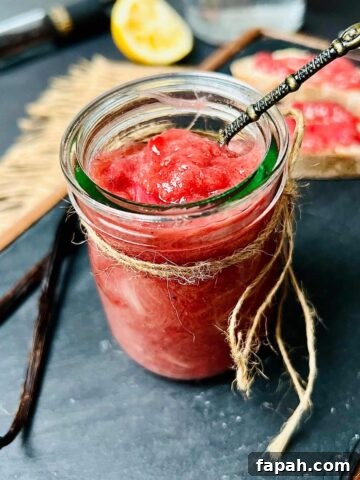
Rhubarb and Gin Jam
-
Quick pickled carrots (fermented)
-
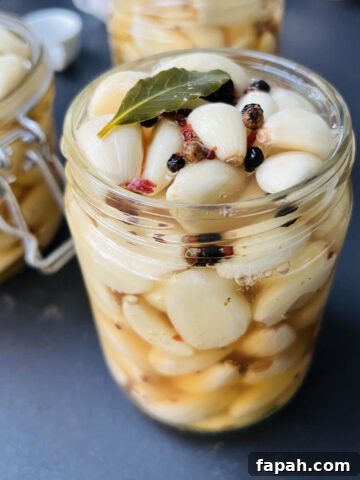
Pickled Garlic
-
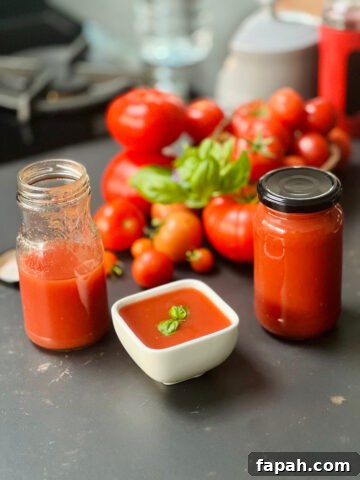
Passata Recipe
More pickled stuff
- Pickled Watermelon
- Raw Sauerkraut with Turmeric
- Homemade Horseradish and Roasted Beetroot Relish
A few more preserve recipes, sweet this time
- Quince Jam — aromatic and delicious
- Chilli, Ginger and Lemon Rind Jam — bold and tangy
Pairing
Pickled carrots complement many dishes. They work especially well with rich, savory mains and grain-based sides, offering a bright acidic contrast and crunchy texture.
-
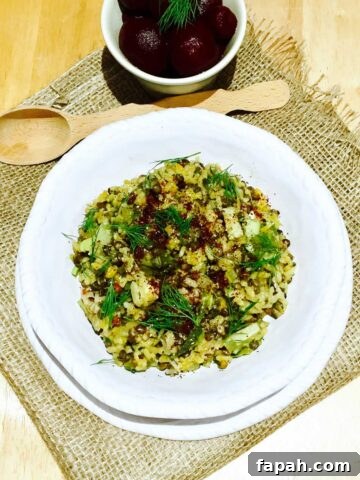
Truffle Mushroom Rice and Lentil Pilaf
-
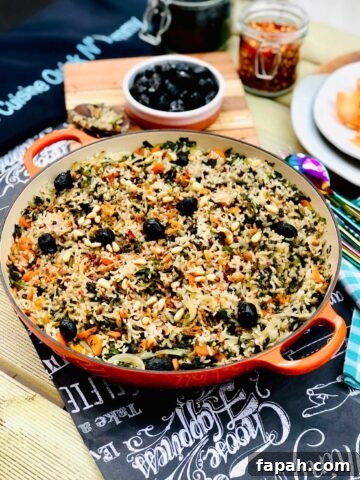
Pilau Rice With Wild Garlic
-
Smoked Pork Joint, Sausages and Butter Beans Stew
-
Smoked Meatloaf with Quail Eggs


If you try this recipe, please leave a rating and a review—feedback helps refine recipes and inspires others to try fermenting at home.
Quick pickled carrots
Print
Pin
Rate
Equipment
- 2 pint jars
- Pot
- Knife
Ingredients
- 2⅓ lb carrots
- 3-4 cloves garlic
- 2 teaspoons pickling saltkosher salt
- 10 small dill sprigsfresh or 1 tsp seeds
- 4 small horseradish stripsfresh root
- 3 cups waterspring or filtered
Instructions
-
Gather the ingredients.
-
Wash and peel the carrots, trimming ends and cutting them to fit the jars.
-
Dissolve the salt in the water to make the brine.
-
Pack carrots, peppercorns, garlic and horseradish into jars, leaving a little headspace.
-
Pour the brine over the carrots so they are fully submerged. Add dill on top and partially cover the jars to allow gases to escape.
-
Check jars daily, gently tilt to distribute brine and release gas, and reseal loosely. Taste after 4–5 days and refrigerate once desired sourness is reached.
Notes
Do not fully tighten lids during active fermentation; allow gases to escape until fermentation is complete (about 5–7 days).
Avoid chlorinated water; if necessary let tap water sit for 24 hours for chlorine to dissipate.
You may keep jars on the counter during active fermentation for up to two weeks, then refrigerate. Kids often love these as a snack.