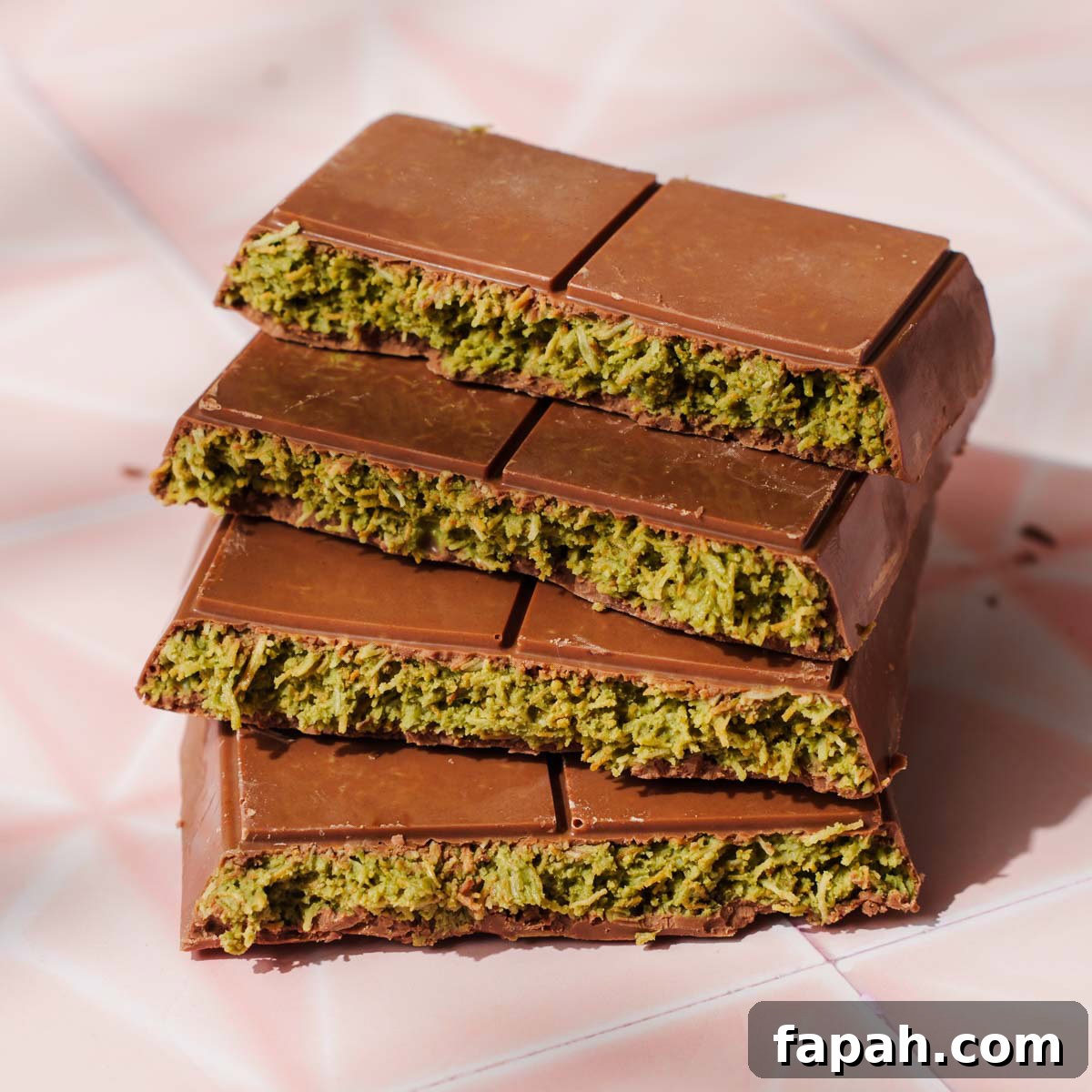
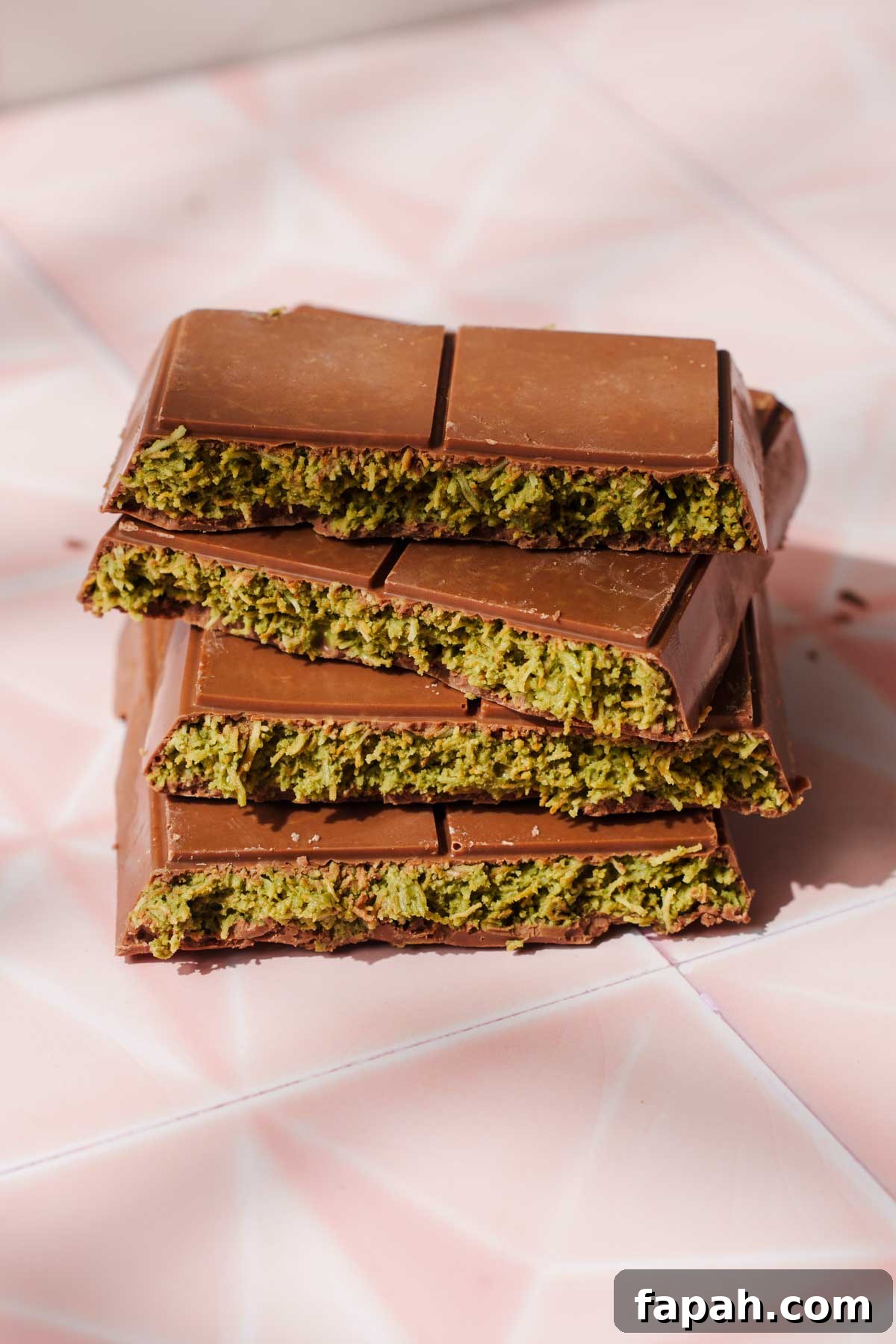
If you love pistachio-filled chocolate bars, this Dubai Chocolate Bar recipe is for you. This homemade version layers crisp kataifi (kunafa) pastry with creamy pistachio filling and a smooth milk chocolate shell. It’s an elegant yet simple treat that’s perfect for special occasions, edible gifts, or a decadent homemade dessert. No special equipment required — just follow the steps below for impressive results.
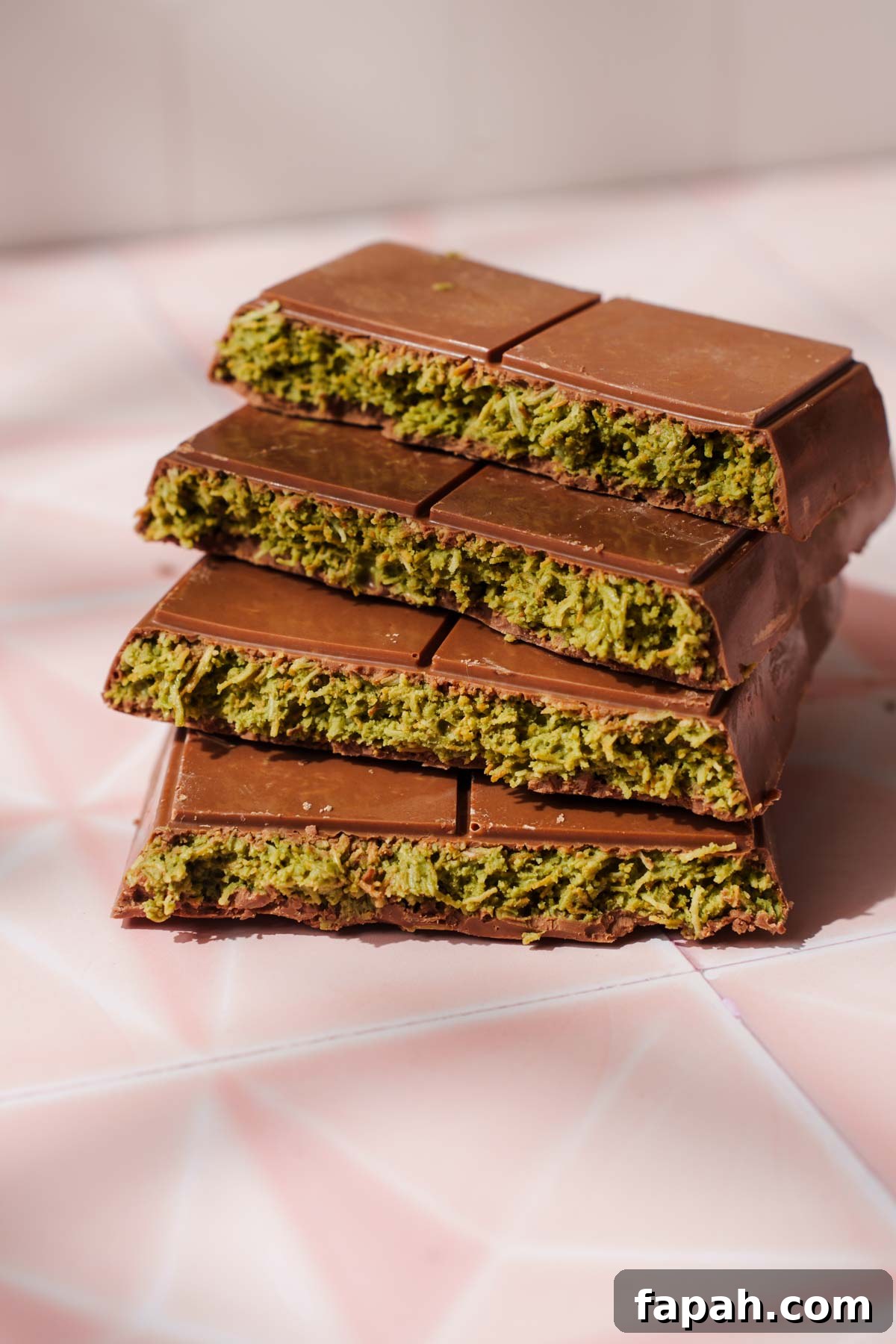
The Viral Dubai Chocolate Bar Everyone’s Talking About
This Dubai chocolate bar became popular on social media for good reason. The contrast between the crunchy kataifi and the silky pistachio filling inside a chocolate shell creates an addictive texture and flavor. Families love it, and it’s especially lovely on a Ramadan or Eid table as a sweet after Iftar or a thoughtful homemade gift.
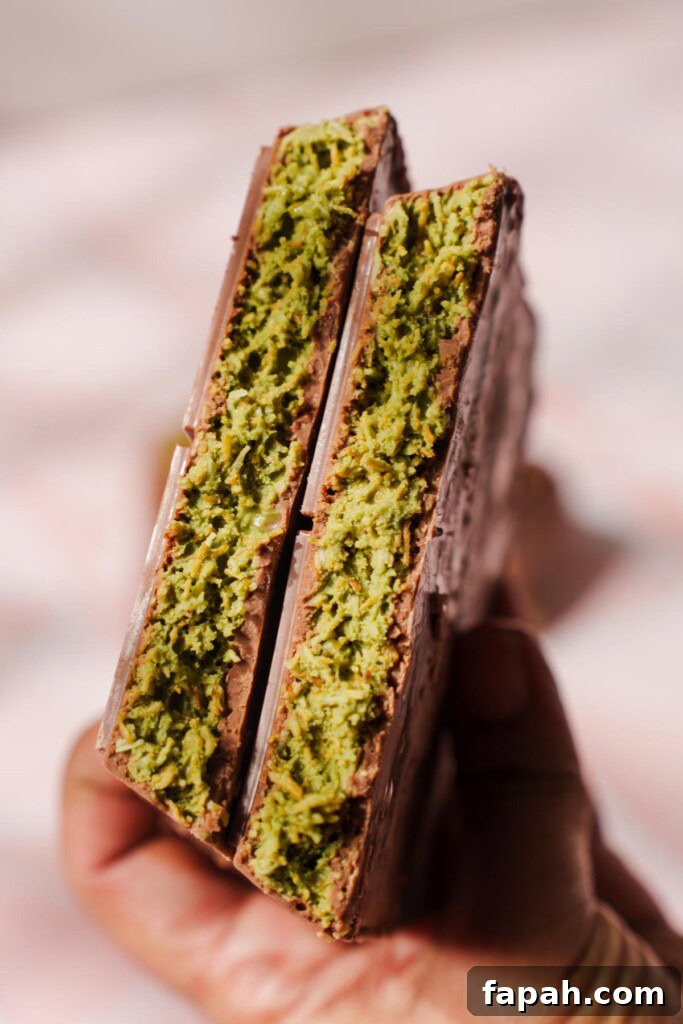
Kataifi (also called kunafa dough) is a shredded pastry that looks like fine vermicelli. It toasts to a pleasant crunch and provides the signature texture in the filling. Pistachio cream gives the center its rich, nutty character, and a touch of tahini or sesame paste can be mixed in for extra depth.
Testing Tips That Make a Difference
To match the viral versions, two adjustments matter most: don’t refrigerate the filled bars for long, and use deep chocolate molds. Refrigeration after adding the pistachio filling tends to harden the center and ruins the loose, chewy texture you want. A deeper mold (around 3/4–1 inch) allows a generous pistachio layer and gives that authentic look and bite.
Ingredients and Notes
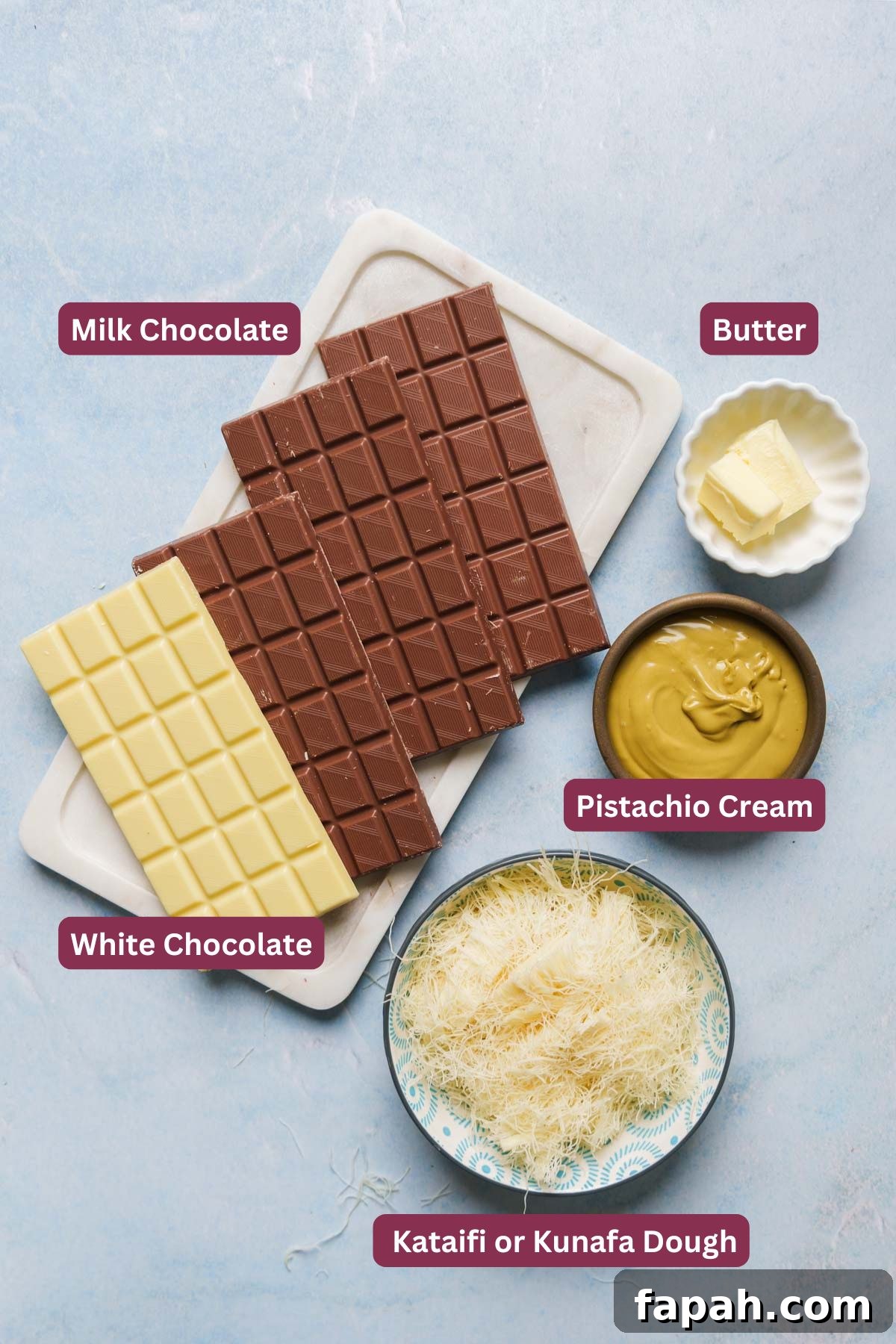
Scroll to the recipe card below for exact measurements and a printable version.
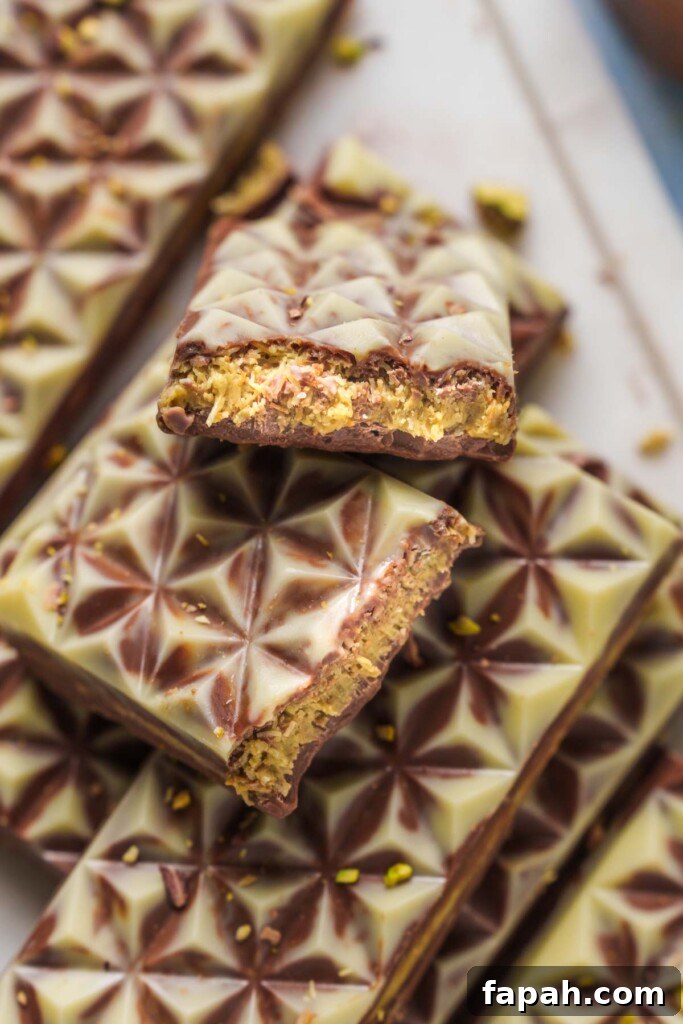
- Milk chocolate is my preferred choice for a smooth, sweet shell. Dark or bittersweet work too if you prefer a richer finish.
- White chocolate is optional for a two-tone effect.
- Kataifi (kunafa) dough provides the crisp texture. If you can’t find it, thin vermicelli-style wheat noodles can be used as a substitute.
- Pistachio cream makes the nutty, creamy filling.
- Tahini or another sesame paste is optional but adds a complementary nutty depth.
- Butter is used to brown and crisp the kataifi.
How to Make the Pistachio Chocolate Bar
Printable recipe details, timing, and serving information are available in the recipe card below.
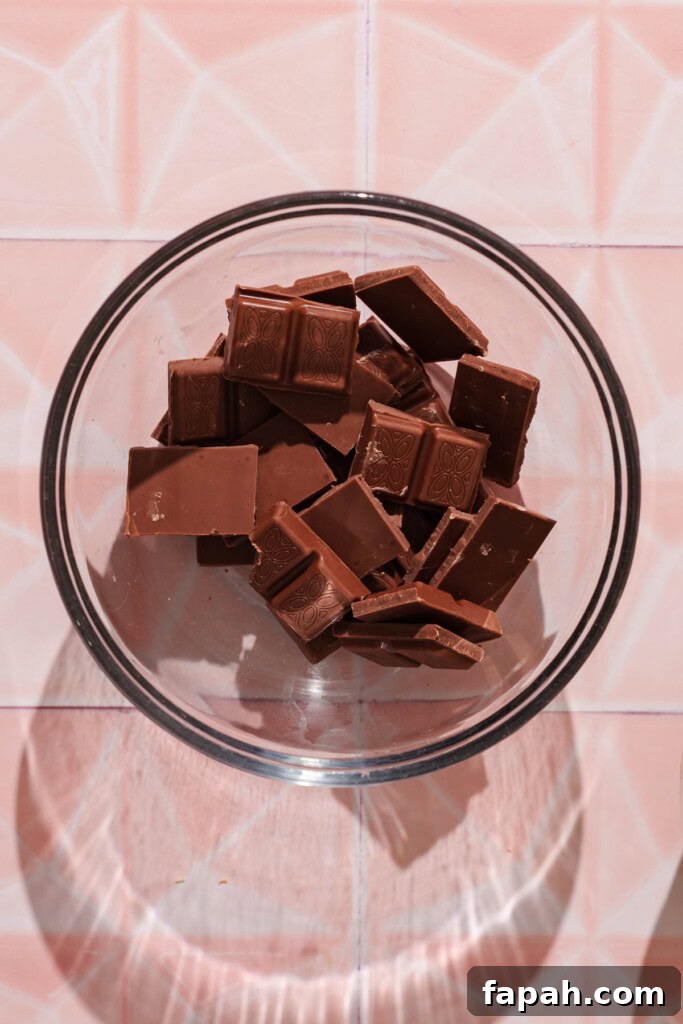
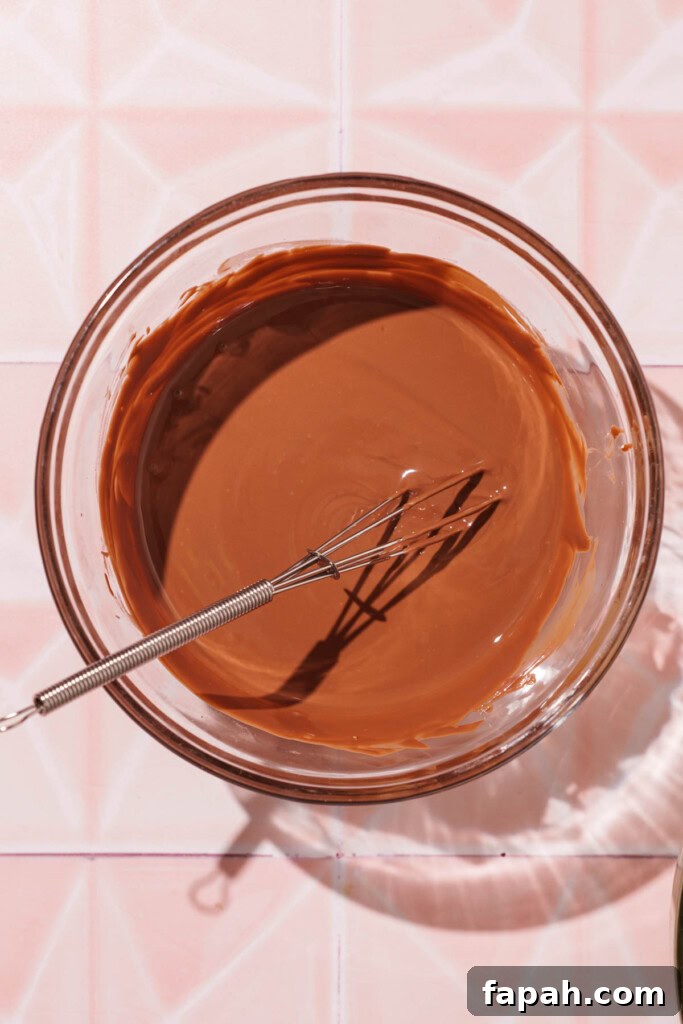
Step 1 — Melt the chocolate. Break the chocolate into pieces and melt using a double boiler or the microwave. If using a microwave, heat in 30-second intervals, stirring between bursts until smooth.
Step 2 — Make the chocolate shells. Pour a layer of melted chocolate into deep molds, tilt to coat the sides, and drain the excess. If you want a white-chocolate accent, drizzle or paint that on first. Let the chocolate set briefly (10–15 minutes) in the refrigerator.
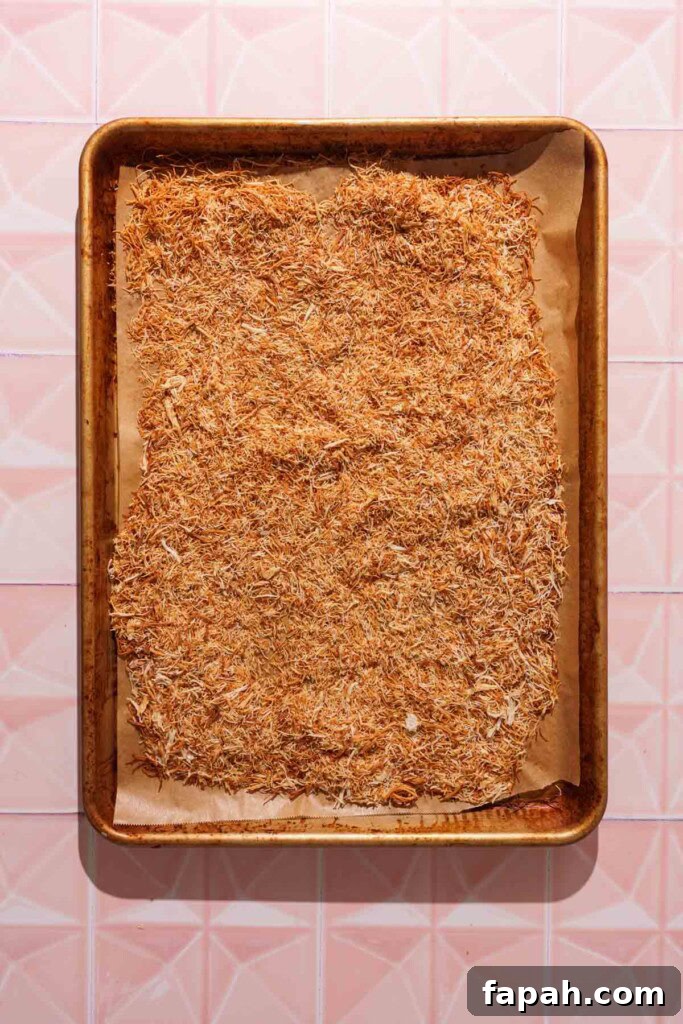
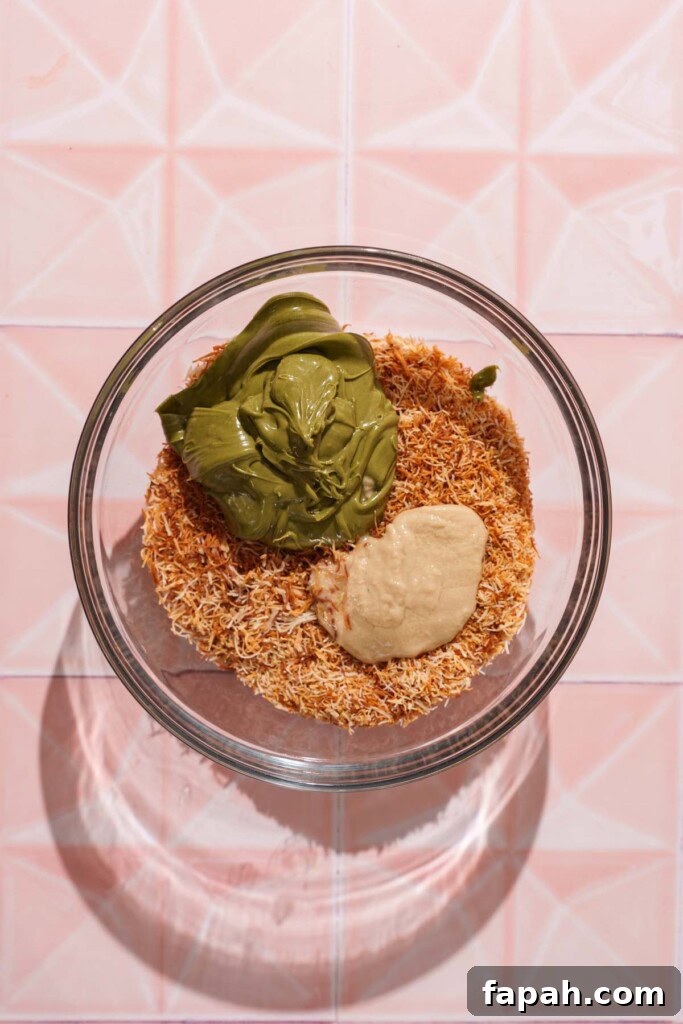
Step 3 — Toast the kataifi. Cut the kataifi into small pieces, toss with dotted butter on a baking sheet, and toast at 350°F (175°C) for about 20 minutes, stirring once halfway through, until golden and crisp. Alternatively, pan-toast in butter until golden.
Step 4 — Mix the filling. Combine the toasted kataifi with pistachio cream and a little tahini (if using) until you reach a spreadable paste. If your pistachio cream is firm, briefly warm it to make mixing easier.
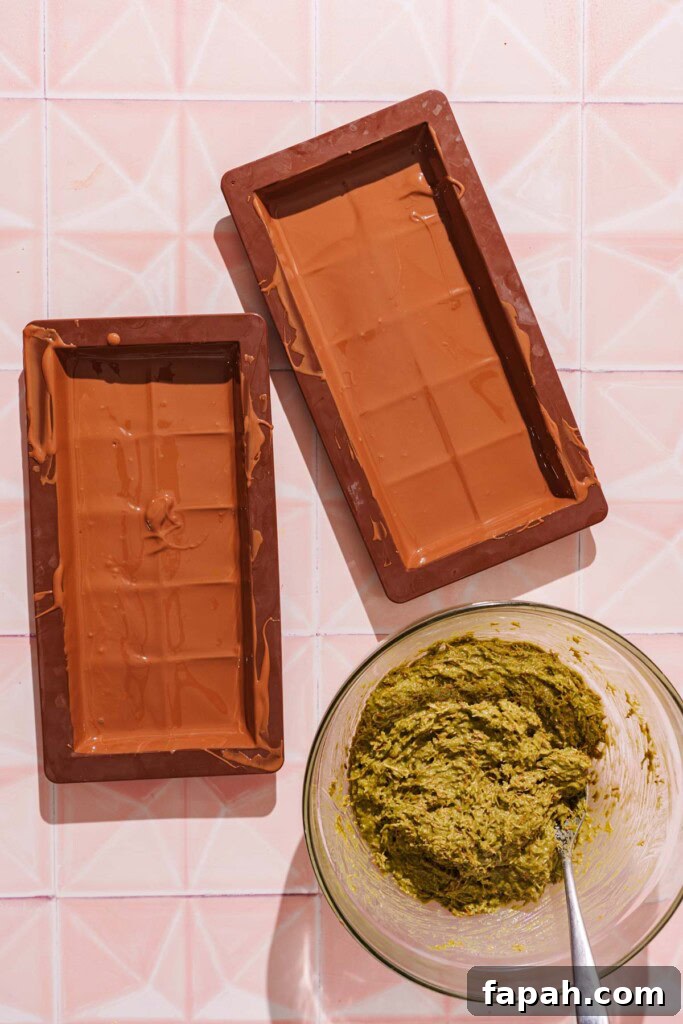
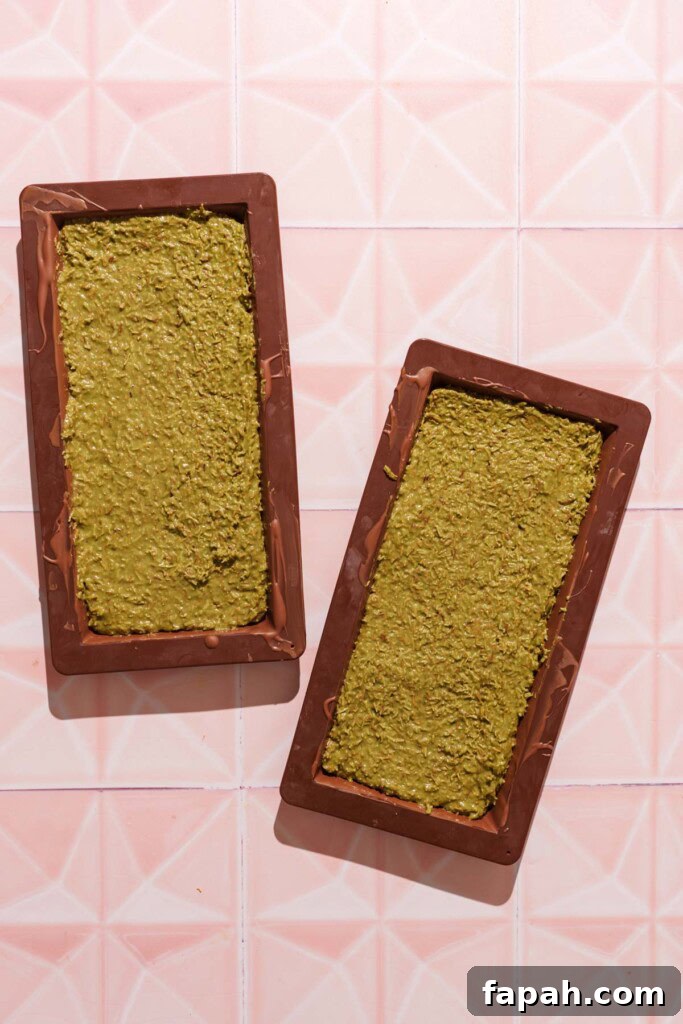
Step 5 — Fill and set. Spoon the pistachio mixture into the chilled chocolate shells, smoothing it evenly. Let the filled molds rest at room temperature for about 30 minutes to an hour so the filling remains soft.
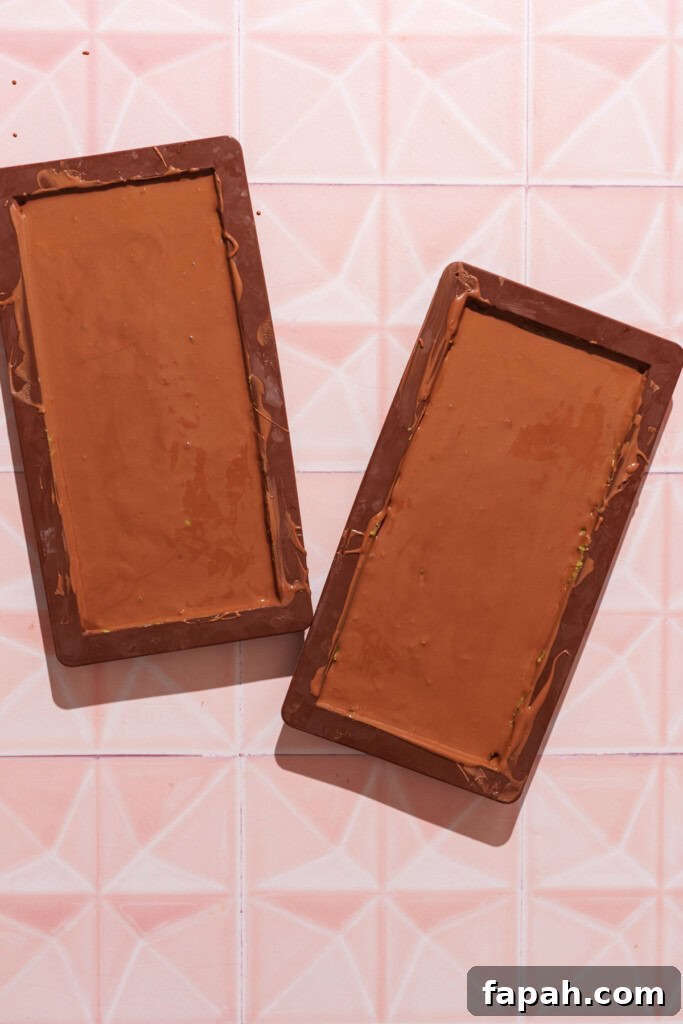
Step 6 — Seal the bars. Warm any remaining chocolate and pour it over the pistachio layer to seal each bar. Allow the bars to set at room temperature for several hours (12–24 hours for best texture). If you need to speed things up, refrigerate only briefly (10–15 minutes) but avoid prolonged chilling after filling.
Step 7 — Unmold and serve. Carefully remove the bars from the molds and enjoy. Use a dry knife for clean slices.
Tips for Perfect Dubai Chocolate Bars
- Use deep chocolate molds (about 3/4–1 inch) so you can fit a generous pistachio layer.
- Toast kataifi evenly for the best crunch; the oven method is hands-off and reliable.
- If your pistachio cream is firm, warm it briefly to make spreading easier.
- Avoid long refrigeration once the pistachio filling is added — keep the final set at room temperature to preserve a soft, chewy center.
Where to Buy Kataifi Noodles
You can usually find kataifi and pistachio cream at Middle Eastern grocery stores or specialty food shops. If kataifi is unavailable, thin vermicelli-style wheat noodles are a reasonable substitute and will still yield a pleasant crunchy texture.
Recipe
Dubai Chocolate Bar (Pistachio Chocolate Bar)
Equipment
- Deep chocolate molds
Ingredients
- 400 g milk chocolate (or four 100 g bars)
- 3 tbsp butter
- ½ pound kataifi (kunafa) dough
- ¾ cup pistachio cream
- 1 tbsp tahini (optional)
Instructions
- Melt the milk chocolate in a microwave-safe bowl in 30-second increments until smooth. Pour about half into deep chocolate molds, coat the sides, drain excess, and refrigerate 10–15 minutes until set.
- Cut the kataifi into small shards. Spread on a baking sheet, dot with butter, and toast at 350°F (175°C) for about 20 minutes, stirring halfway, until golden and crispy. Alternatively, pan-toast in butter until crisp.
- Transfer toasted kataifi to a bowl and mix with pistachio cream and tahini to form a paste. Warm the pistachio cream briefly if it’s too firm to combine easily.
- Spoon the pistachio mixture into the set chocolate shells, smoothing evenly. Let it rest at room temperature for about 30 minutes.
- Warm the remaining chocolate if needed and pour over the pistachio layer to seal. Leave at room temperature until set (several hours). If necessary, chill briefly (10–15 minutes) to speed setting, but avoid long refrigeration after filling.
- Carefully unmold the bars and enjoy. Store in an airtight container at room temperature for a couple of days; refrigerate only for longer storage.
Notes
- These bars keep well for a couple of days at room temperature in an airtight container. Use a dry knife to slice cleanly. If you need to store them longer, refrigeration is fine but expect the filling to firm up.