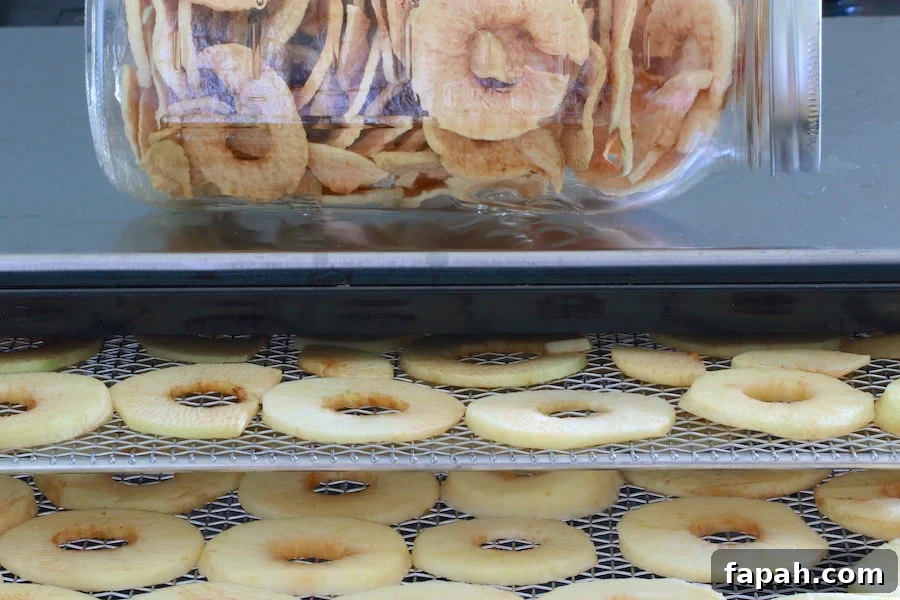
Dehydrating apples is a simple, effective way to preserve an abundant harvest. Dried apples make a healthy, portable snack that both kids and adults enjoy; in small pieces they can even be used as an occasional training treat for puppies.
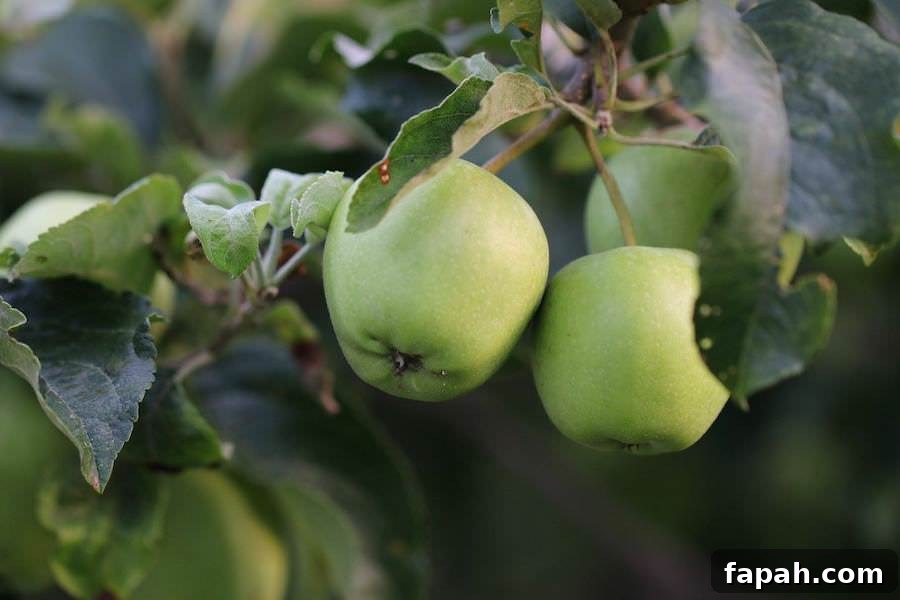
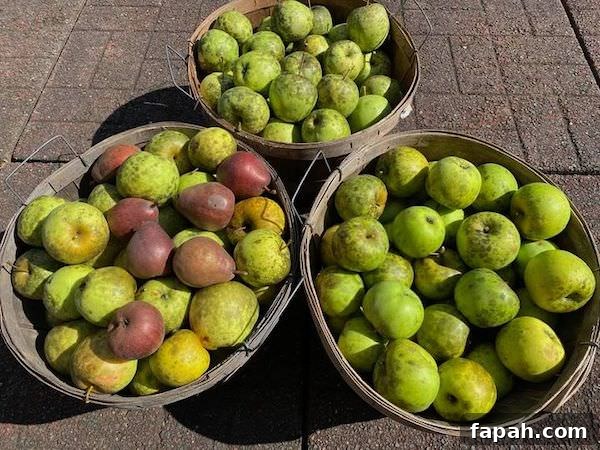
This year our apple trees produced heavily. I have several half-bushels picked and waiting to be preserved. My plan is to dehydrate enough to fill many half-gallon jars, can applesauce, freeze slices for pies, and cold-store any remaining fruit.
If you don’t grow your own, autumn is a great time to look for organic apples at farm stands. Neighbors with surplus fruit are often willing to sell or give apples away if they don’t have time to preserve them.
We grow six apple varieties. All of them dehydrate well, though softer, moister varieties like Delicious take longer to dry.
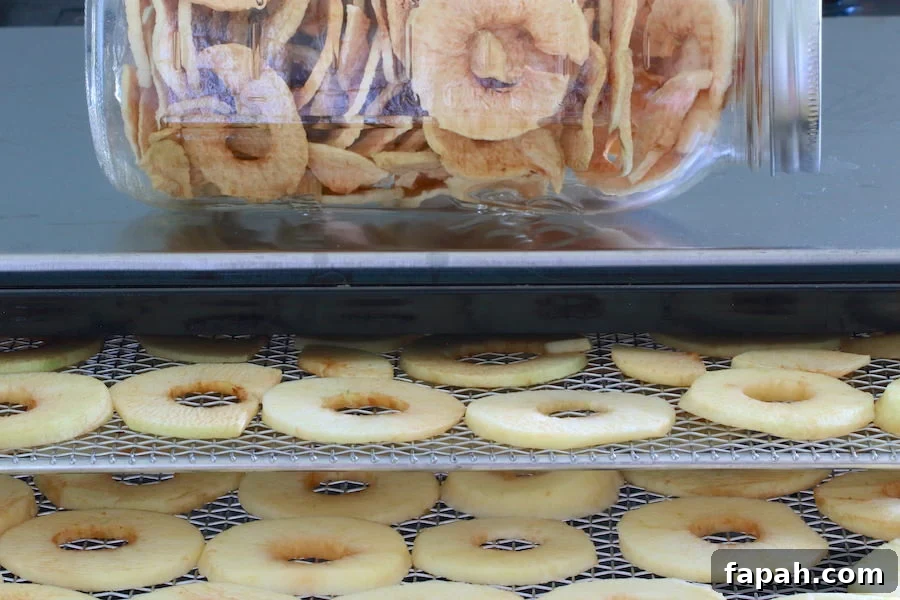
Dehydrating Apples | Easy Method
Over the years I’ve tried different approaches and now use a straightforward routine. I prefer to peel apples because the dried skins can be chewy and less pleasant. Slicing into rings helps achieve uniform thickness so they dry evenly. Some people dunk slices in a lemon or citric acid bath to prevent browning, but I skip that step — the slices dry nicely and look good without pretreatment.
Method Overview
- Wash, peel, core, and slice apples into rings about 1/4-inch thick
- Arrange slices in a single layer on dehydrator trays
- Dehydrate at 135ºF (57ºC)
- Check and rotate trays periodically for even drying
- Condition the dried fruit, then store in airtight jars
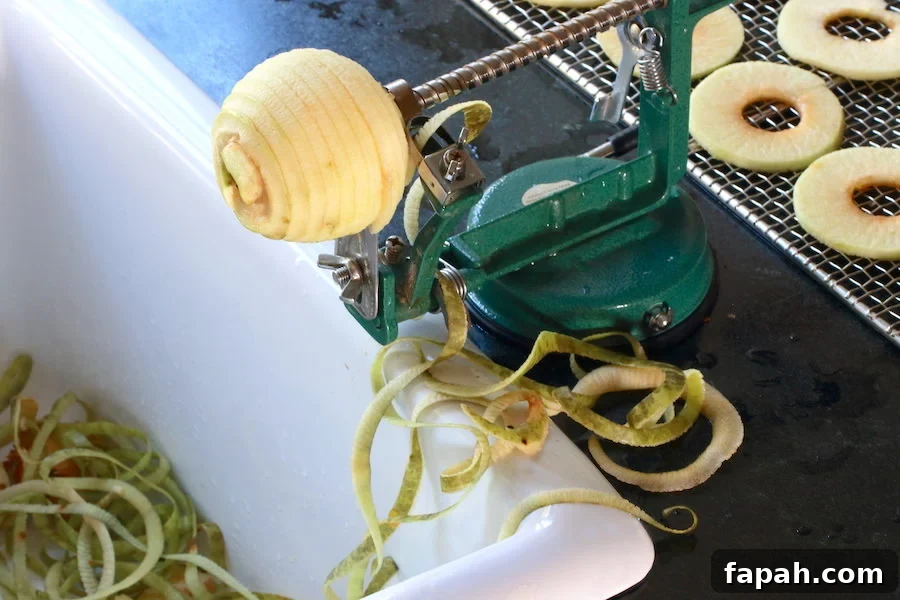
Apple peeler, corer, slicer gadgets
A 3-in-1 apple peeler/corer/slicer speeds the job when you have a lot of apples. I use a model with a suction cup base because it’s easier to secure than a clamp. These gadgets are great for quickly peeling and slicing, though sometimes the coring or slicing can be affected by an apple’s shape. If you process many apples, the tool is worth the investment.
How to prepare apples by hand
If you don’t have a 3-in-1 gadget, you can peel, core, and slice apples by hand using a peeler, corer, and a sharp knife. It takes a bit longer but works well.
Dehydrating Apples | Easy Method
Equipment
- dehydrator (or oven set to a very low temperature)
- tools to peel, core, and slice apples
Ingredients
- apples (8 to 10 apples will fill a half-gallon jar when dried)
- cinnamon powder, optional
Instructions
Preparing the apples
- Wash, peel, core, and slice apples into 1/4-inch-thick rings.
- Lay slices in a single layer on dehydrator trays. Sprinkle with cinnamon if desired.
Dehydrating
- Dehydrate at 135ºF until the rings are dry to the touch but still slightly pliable. They should not be sticky or so moist that they cling together.
- Allow slices to cool completely before placing them in jars with tight-fitting lids. Pack loosely at first.
Conditioning
- Over about a week, shake the jars daily and watch for condensation or slices sticking together. If moisture appears, return the apples to the dehydrator.
- After conditioning, you can pack jars more tightly. Store in a cool, dark, dry place.
Notes
- Use fully ripe apples. Drying does not improve the flavor of underripe or decayed fruit. Discard apples with rot, significant bruising, or mold.
- If you prefer crunchy apple chips, dry the slices longer until they become brittle.
Factors that affect dehydration time
For 1/4-inch-thick rings, expect roughly 8 to 10 hours of drying time, though actual times vary. Key factors include:
- dehydrator temperature
- ambient humidity
- whether the dehydrator has a circulating fan for even heat
- how often and where the dehydrator opens
- initial moisture content of the apples
- whether you stop when slices are leathery or continue until they are crisp
What does “conditioning” fruit mean?
Conditioning helps equalize any remaining moisture after drying and reduces the risk of mold. Place cooled dried fruit loosely in jars, shake them daily for about a week, and watch for condensation or clumping. If moisture appears, re-dry the fruit.
Why are my organic unsprayed apple skins blotchy?
Unsprayed, organic apple skins can develop benign surface blotches from fungal activity. Because of this and for texture reasons, I usually peel apples before dehydrating.
If you found this guide helpful, you may also enjoy a post about dehydrating grape and cherry tomatoes.