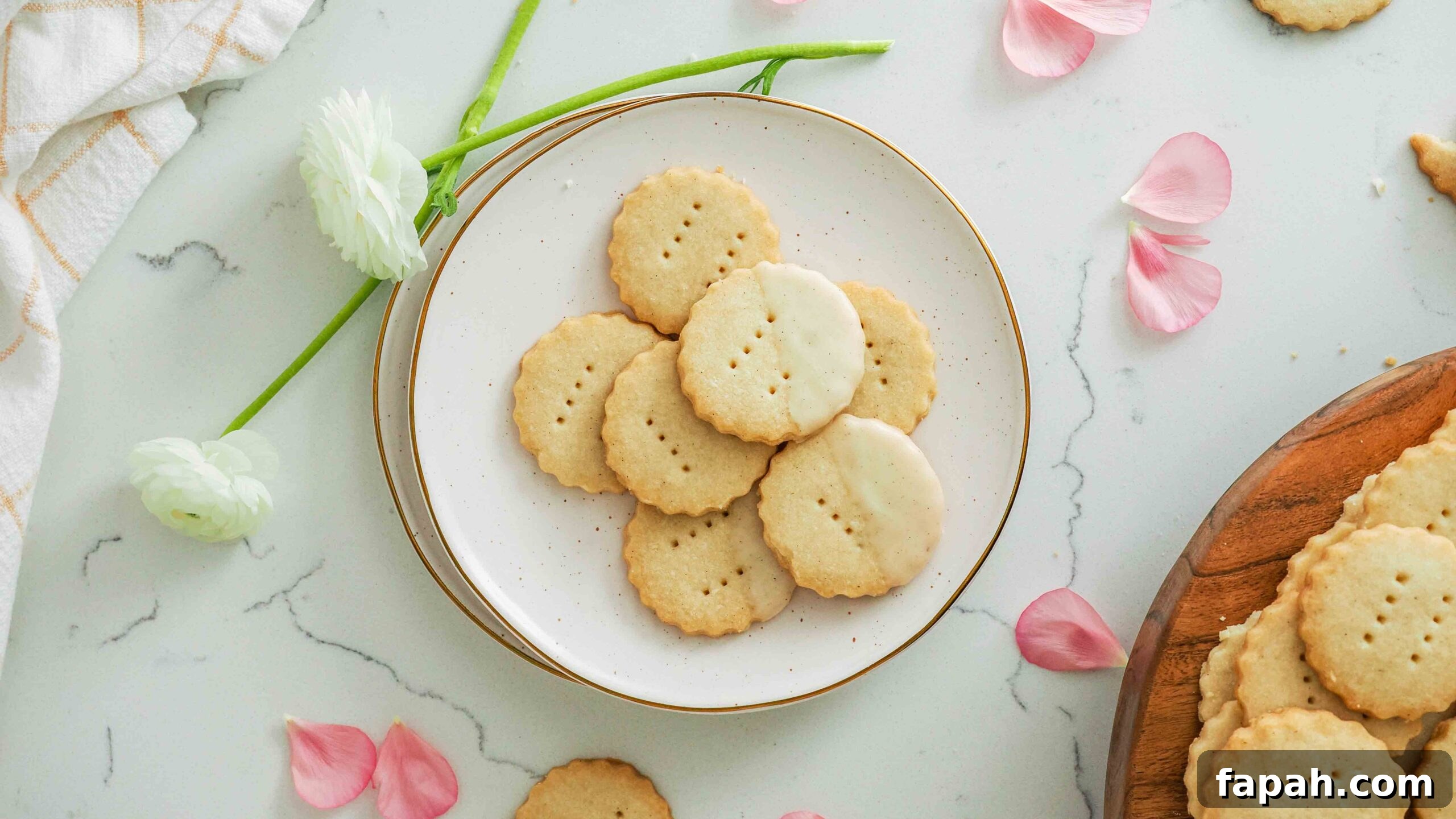
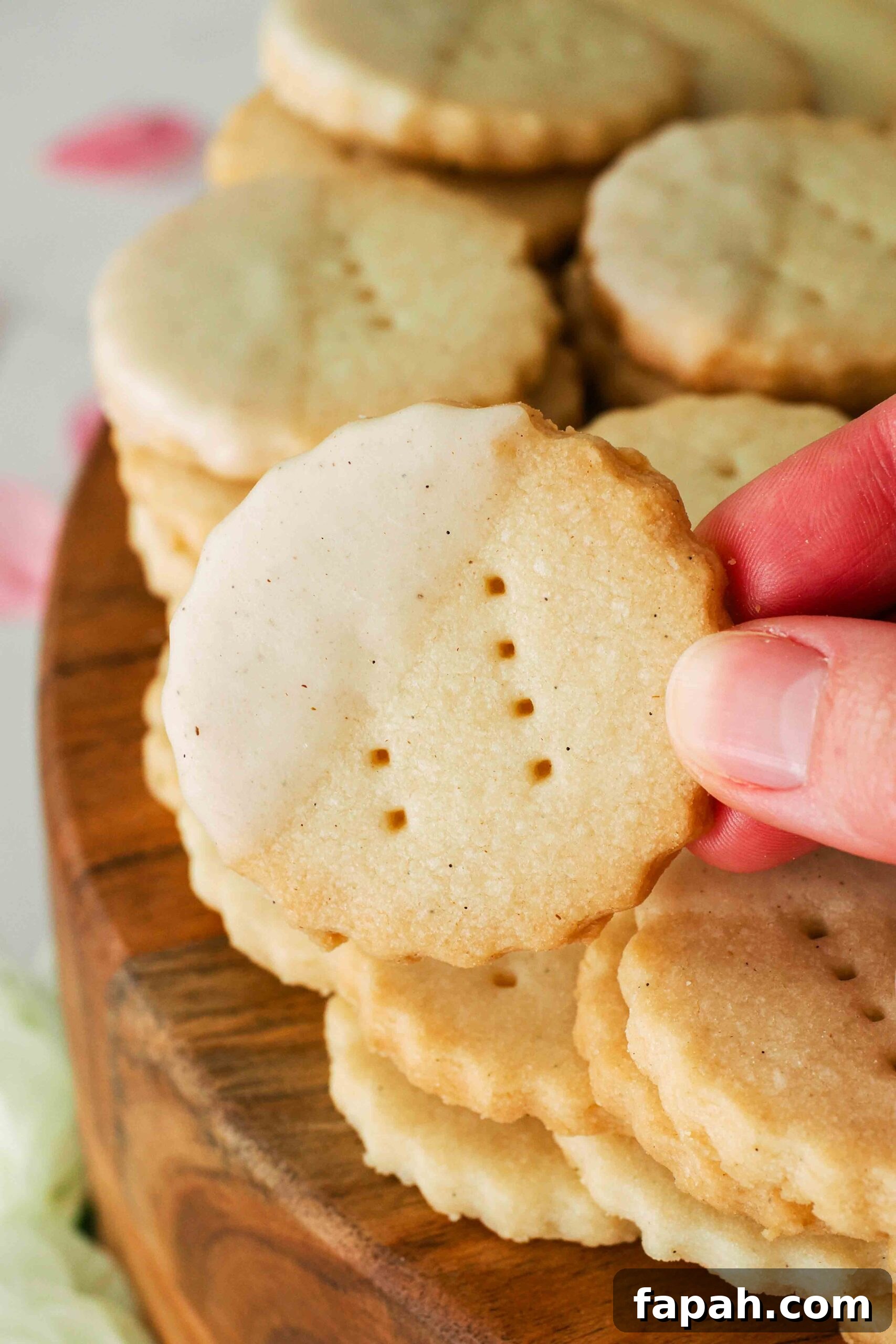
Vanilla elevates everything it touches, and these glazed vanilla shortbread cookies are no exception. Built on a classic 1-2-3 shortbread formula, they get a boost of flavor from vanilla and a pinch of salt from salted butter. Crisp at the edges and tender inside, these cookies are delicious as-is, but a quick vanilla glaze takes them over the top. Best of all, this recipe doesn’t require a long chill time.
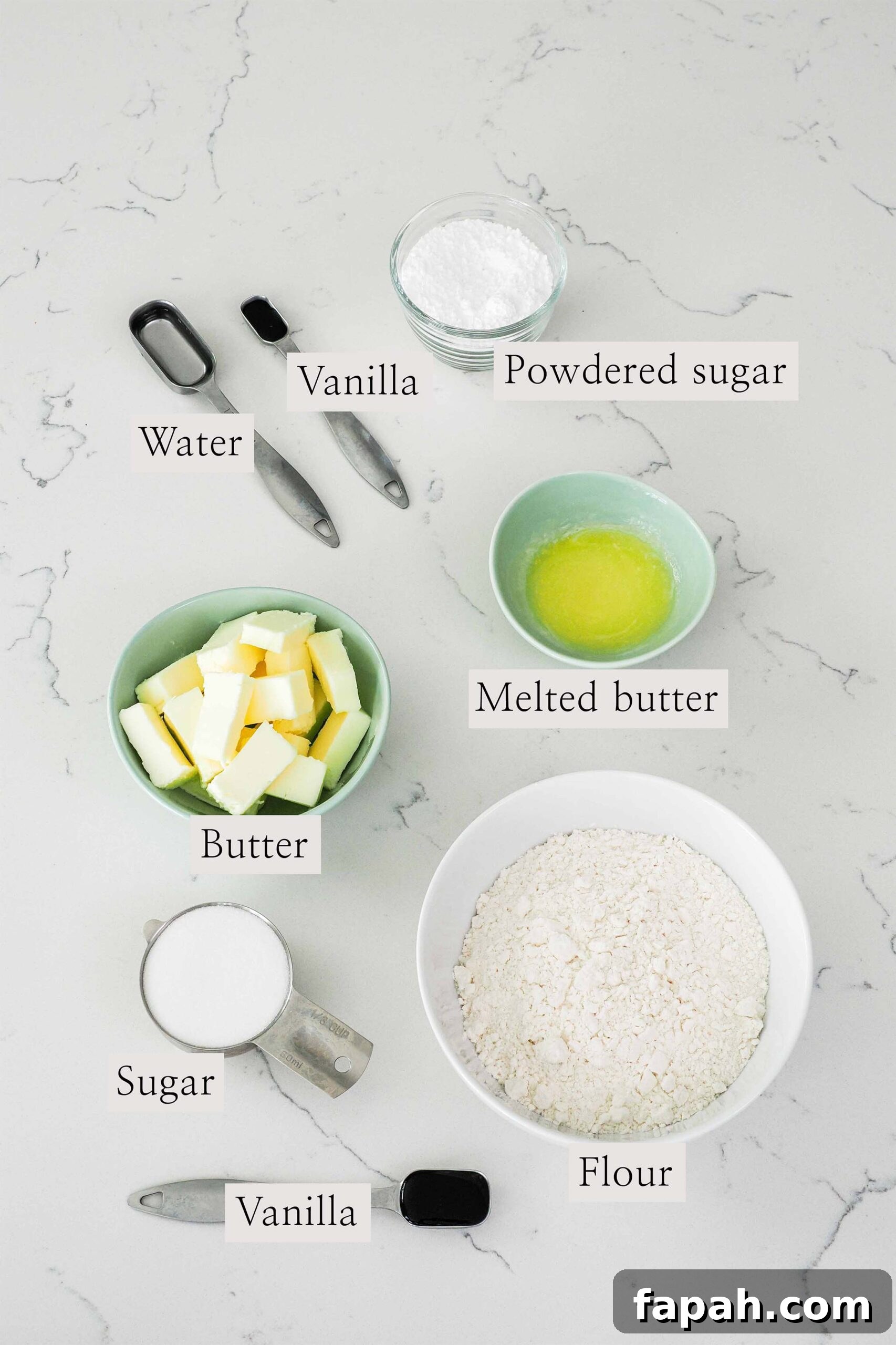
Ingredients for Vanilla Shortbread
This recipe follows the traditional 1-2-3 shortbread ratio—one part sugar, two parts butter, three parts flour—while adding vanilla and a bit of salt for balance. Optionally, a simple vanilla glaze brings out the buttery flavor even more. Below I describe each ingredient and possible substitutions so you can adapt the recipe if needed.
- Salted butter. Butter provides the tender, melt-in-your-mouth texture and crisp edges. Salted butter is convenient and flavorful; if you use unsalted butter, add about ¼ teaspoon salt to the dough and a pinch to the glaze. Vegan spreads may work, but results can vary.
- Granulated sugar. Sugar sweetens the cookies and contributes structure and moisture. You can substitute another granulated sweetener if desired.
- Vanilla bean paste. Vanilla bean paste adds visible specks and a deeper vanilla character. Good vanilla extract can be used 1:1 with excellent results.
- All-purpose flour. AP flour gives the right protein for a crisp, tender crumb. A 1:1 gluten-free flour may work, though I haven’t tested it extensively.
- Powdered sugar. For the optional glaze, powdered sugar dissolves smoothly and yields a glossy finish.
- Water. A little water thins the glaze so you can dip cookies, rather than spreading a thick frosting.
How to Make Vanilla Shortbread Dough
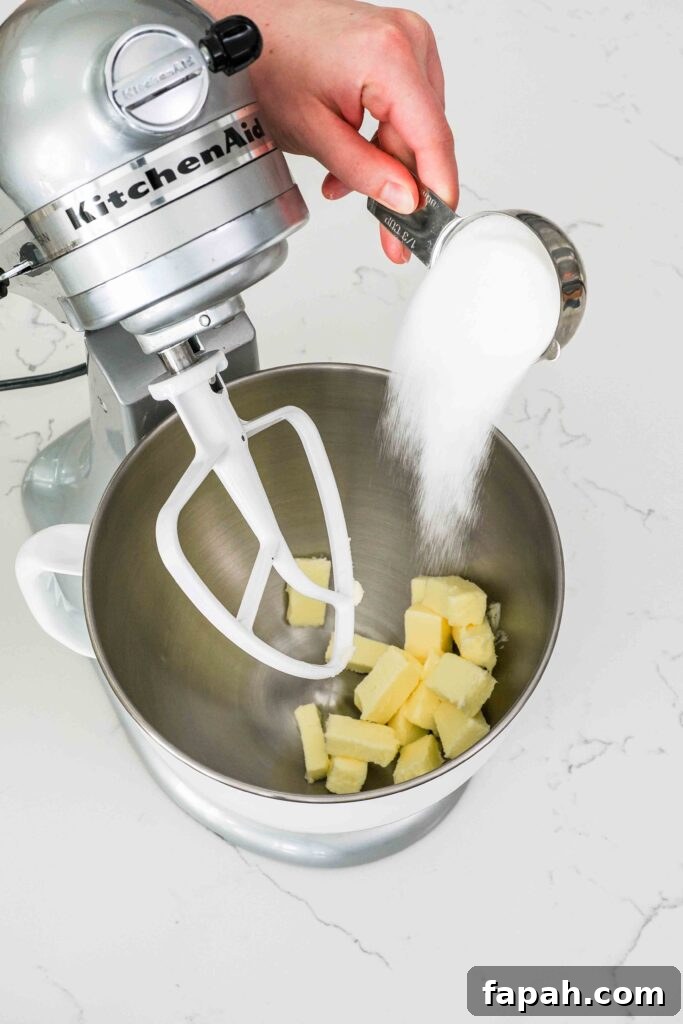
Room-temperature butter (about 68–72°F / 20–22°C) is ideal. If the butter is too cold it won’t cream properly; if too warm the dough becomes sticky. At the right temperature the butter creams easily and the dough rolls smoothly.
Cream the butter, granulated sugar, and vanilla on medium-high speed. Start with a dense, grainy mixture; after 5–7 minutes it should be much lighter in color and texture. Scrape the bowl once during creaming to ensure even mixing.
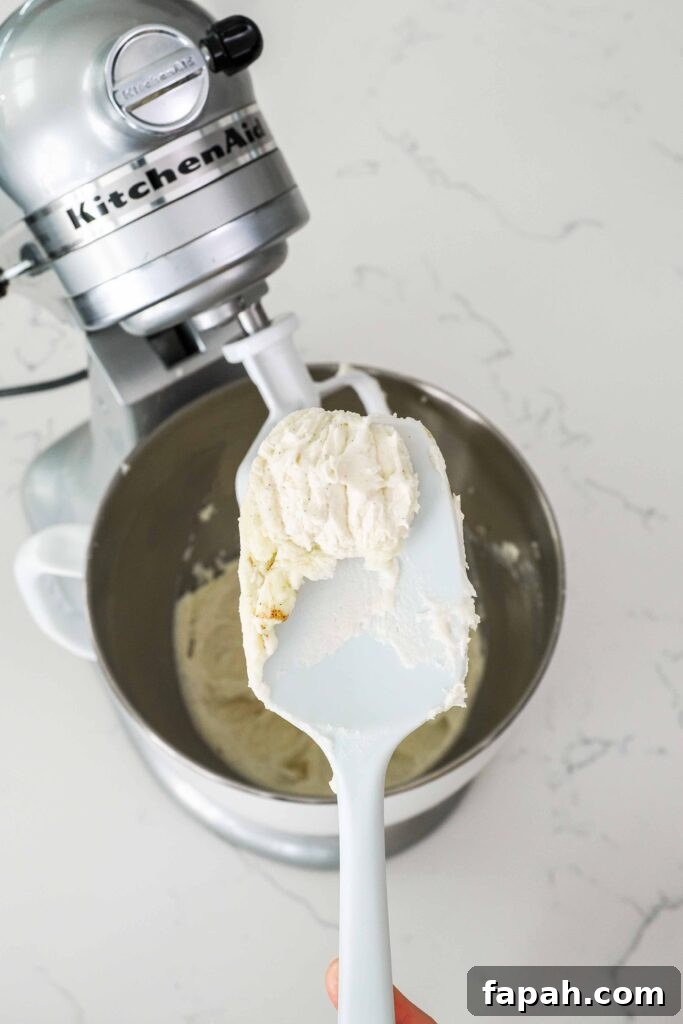
Once the butter mixture has lightened and roughly doubled, add the flour. Beat on low until the flour is incorporated and the dough turns crumbly, then raise the speed to medium-low and mix until the dough comes together into a soft, workable mass. Depending on your mixer, it may form a single ball or a few clumps around the beater.
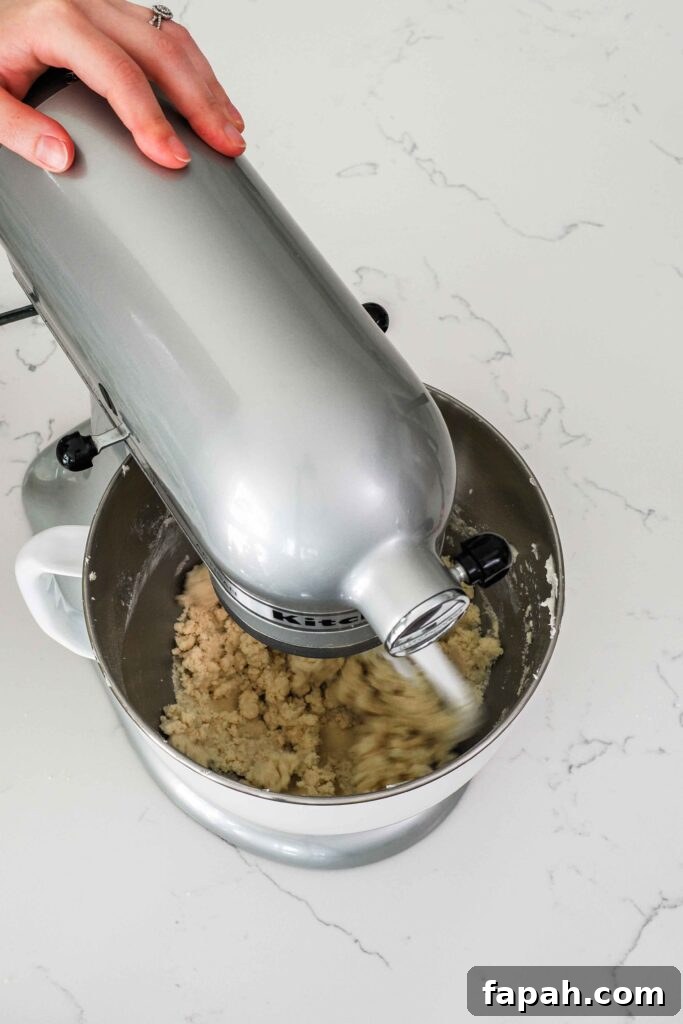
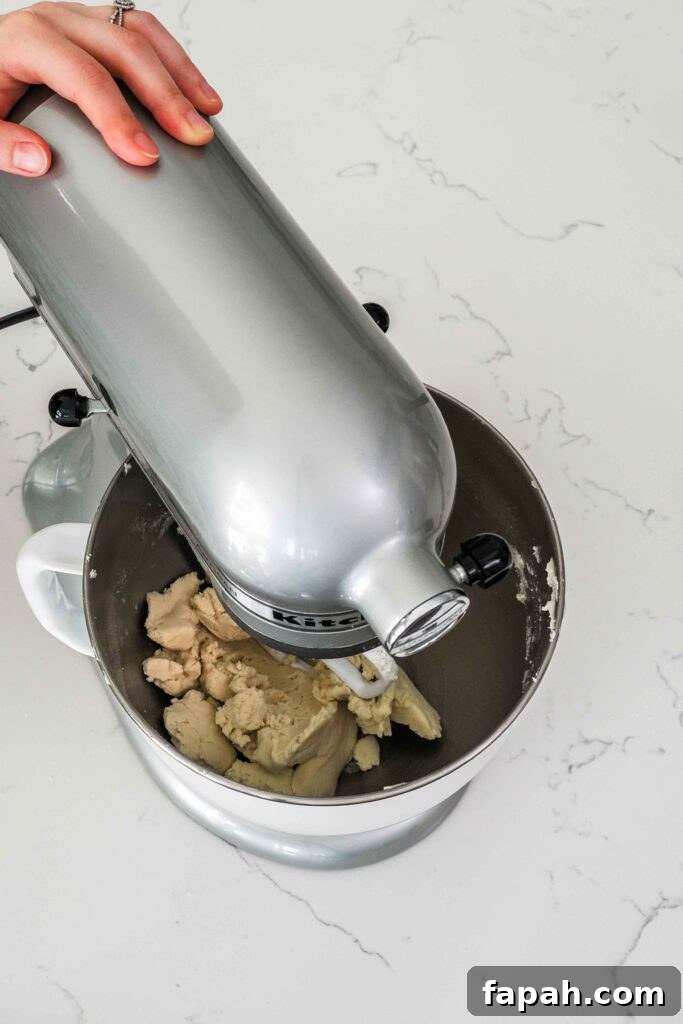
Tips for Rolling Out Shortbread Dough
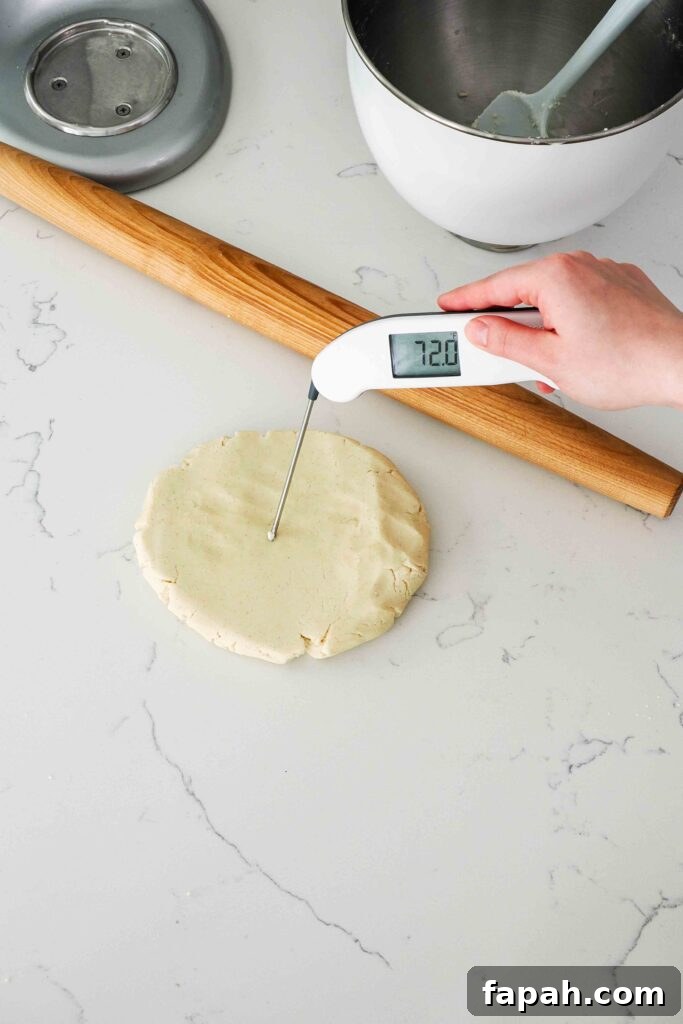
Check the dough temperature before rolling; around 72°F (21°C) is ideal. By feel, the dough should be slightly gritty but not sticky, leaving a thin, fatty film on your fingers. If the dough is warm and sticky, wrap it tightly and chill for 10–15 minutes.
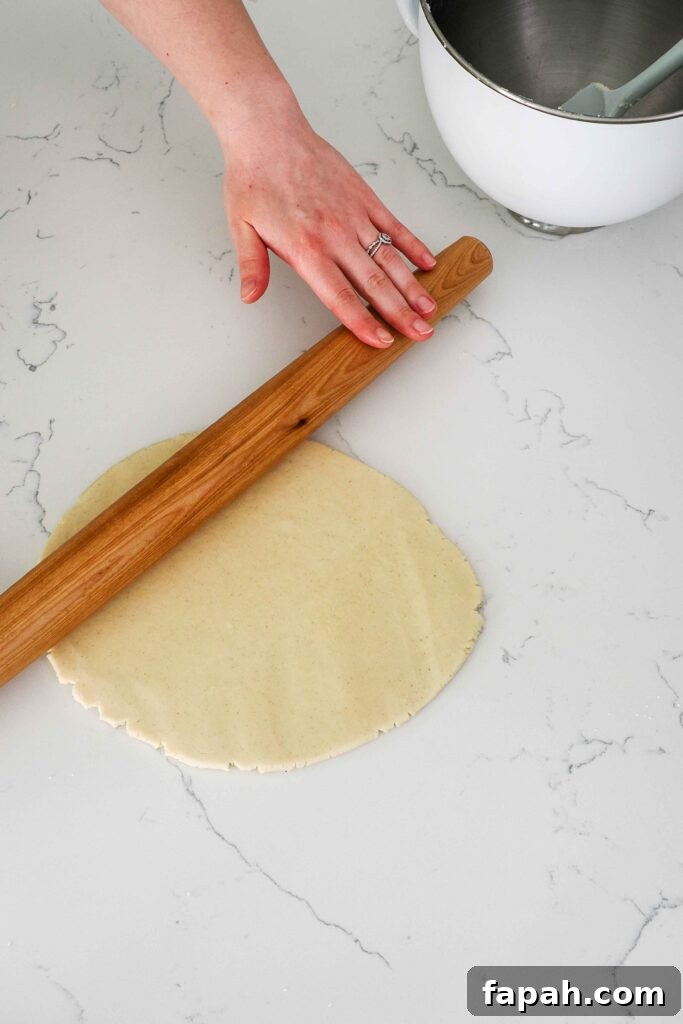
To roll smoothly, shape the dough into a ball, roll it gently to smooth seams, then flatten and roll to about ¼” (6 mm) thick. Thinner cookies bake faster and have crisper edges; thicker cookies will take longer in the oven.
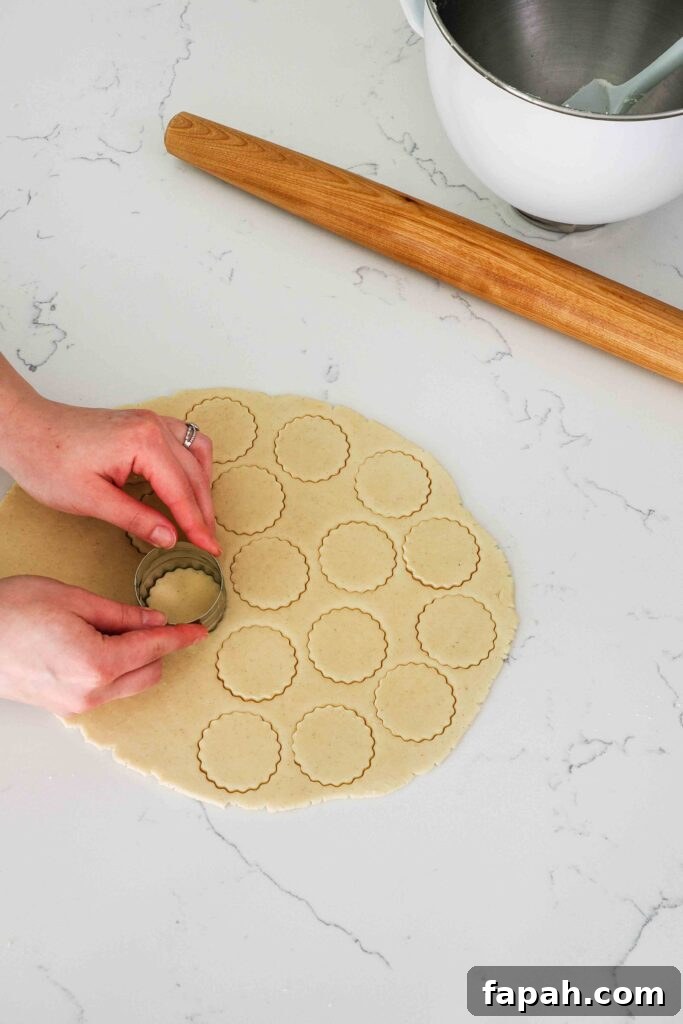
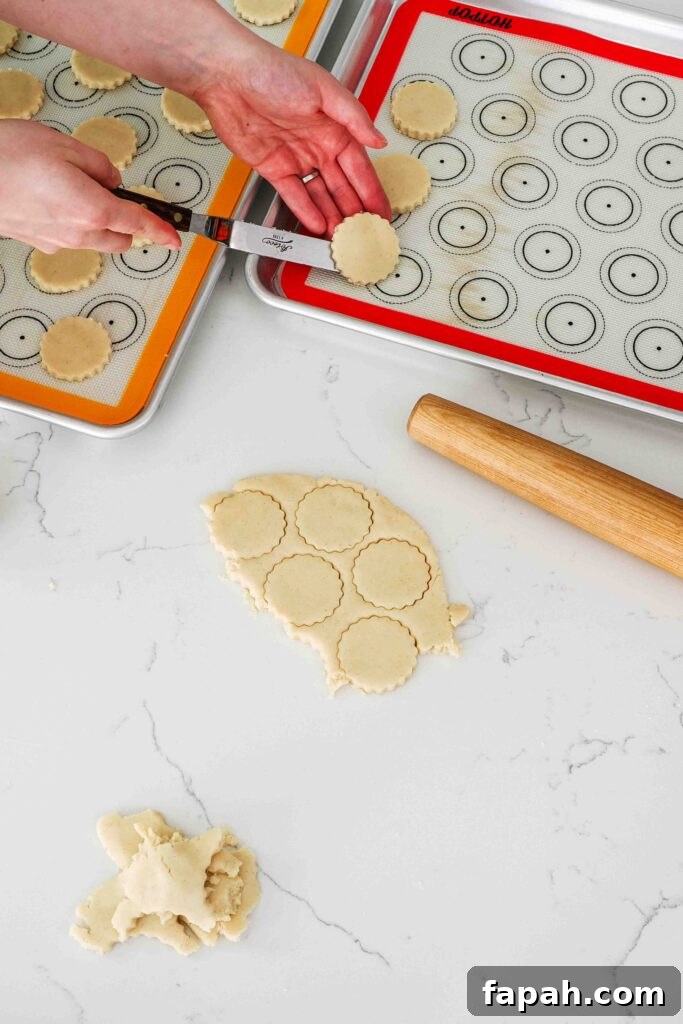
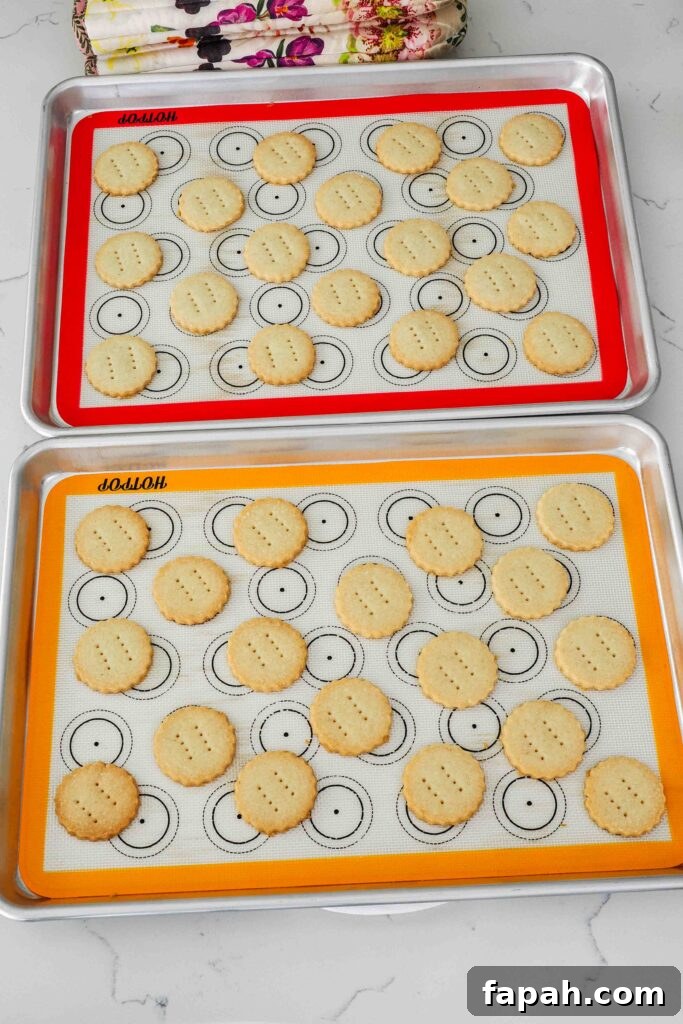
Use a fluted or round cutter to cut cookies, and lift them from the work surface with an offset spatula or bench scraper. Place cookies at least 1″ (3 cm) apart on lined baking sheets. I tested both parchment paper and silicone mats; silicone mats gave slightly more golden edges, though parchment works fine.
Gather scraps, reroll, and cut until all dough is used. You can bake the cookies immediately; I found little difference between baking from room temperature and baking chilled. For crisp, well-defined edges, chill the trays for up to 30 minutes (or longer if desired).
How to Bake Shortbread Cookies
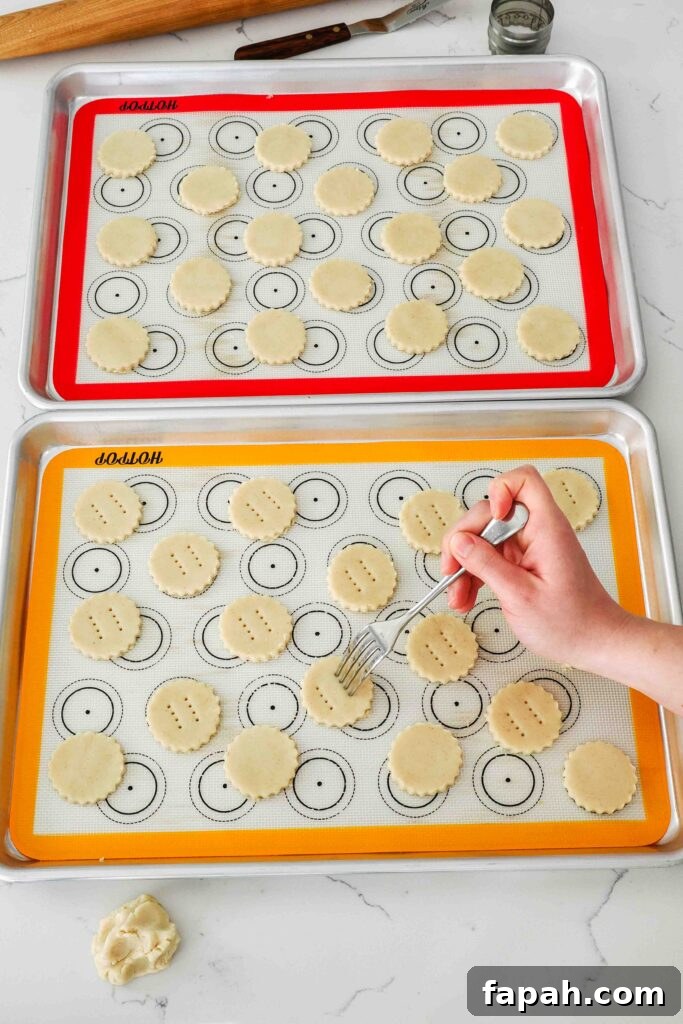
Docking (pricking) is traditional but optional for thin shortbread. I usually press two short fork lines into each cookie. Bake at 350°F (175°C) for about 12–15 minutes, until the edges and bottoms are a pale golden brown. Bake longer for a crisper cookie or slightly less for a softer bite. Darker baking sheets may reduce bake time by a minute or two; parchment may require an extra minute or so.
How to Glaze Shortbread Cookies
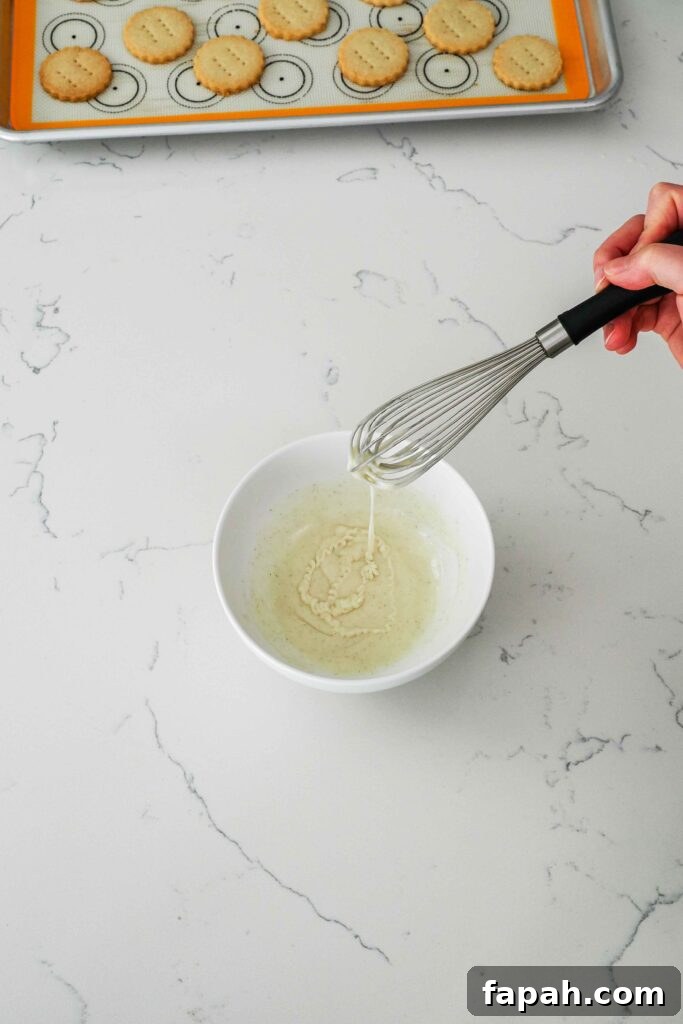
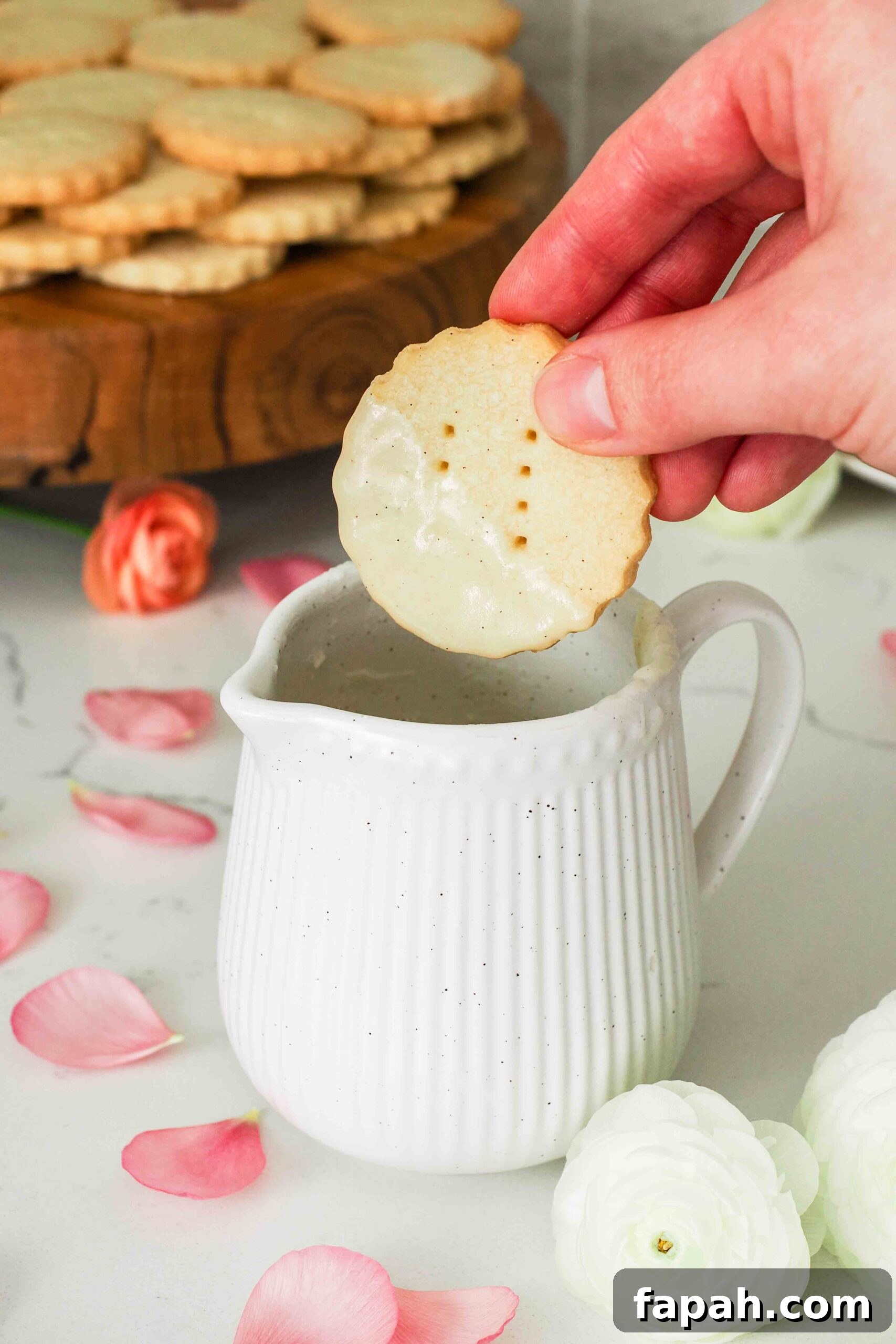
The glaze is optional but adds a sweet vanilla finish. Whisk together powdered sugar, melted butter, water, and vanilla until smooth. Thin with extra water, a few drops at a time, until the glaze reaches a coatable but drippy consistency. Dip cooled cookies into the glaze and let the excess drip off; wipe the rim of the bowl if needed to keep the edges neat.
Set glazed cookies on parchment or silicone to firm for about an hour, then store in an airtight container.
FAQs about Vanilla Shortbread
Yes. Vanilla extract is an excellent substitute. Paste gives speckles and a slightly more intense flavor, but extract works well in both the dough and the glaze.
Chilling can help if the dough is sticky or too warm, but very cold dough tends to crack. If needed, refrigerate 10–15 minutes to firm it up for easier rolling.
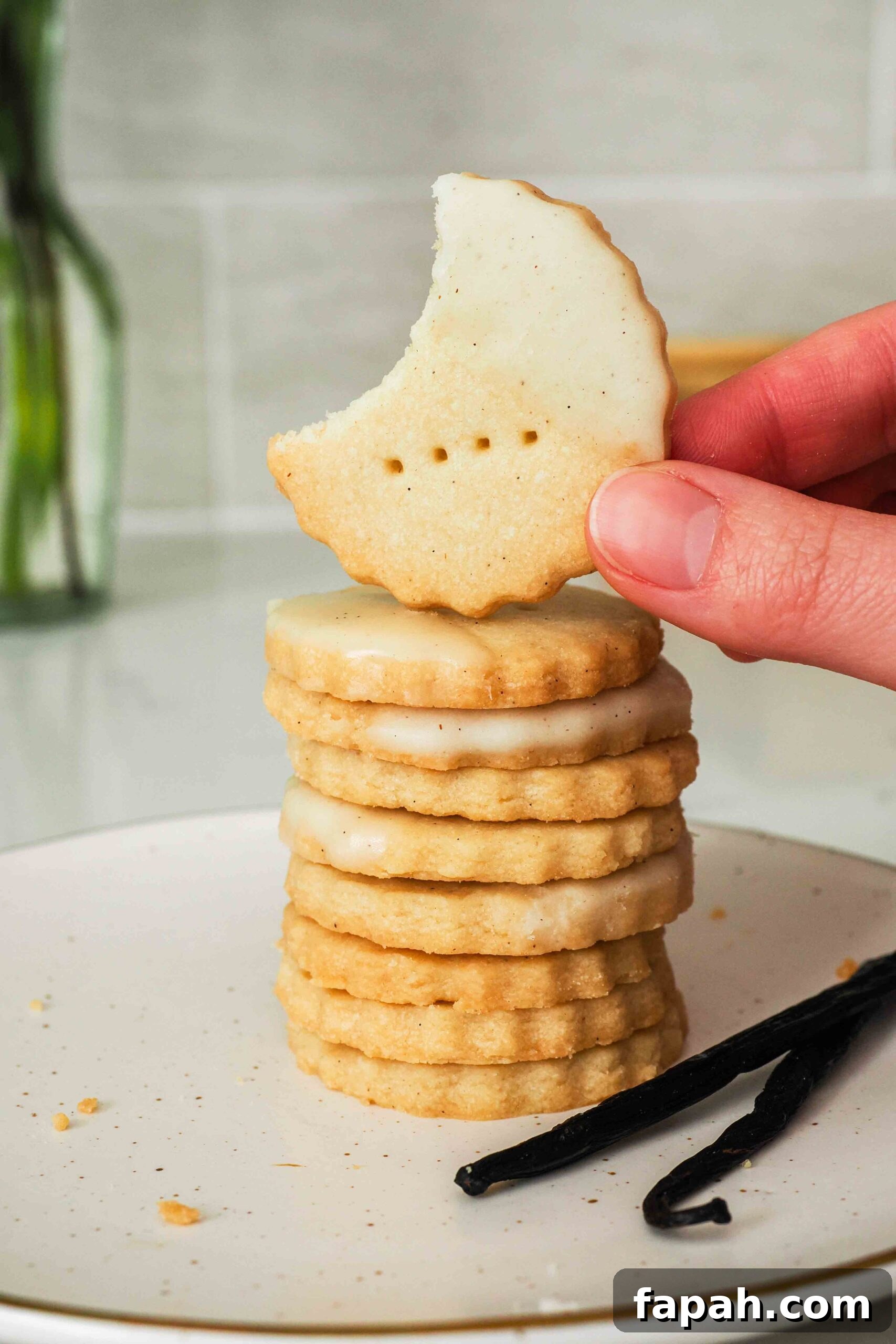
No. The cookies are lovely plain; glazing is purely optional for added sweetness and visual appeal.
Chilling trays briefly helps set the exterior and can produce sharper edges, but it isn’t required if the dough is near room temperature. If you want crisper, more defined shapes, chill the trays up to an hour.
Other Recipes You May Enjoy
This shortbread is part of a vanilla-focused collection. If you like these cookies, try other simple vanilla favorites such as vanilla bean cupcakes, French vanilla ice cream, vanilla macarons, or mini vanilla cheesecakes.
- Vanilla bean cupcakes
- French vanilla ice cream
- Vanilla macarons
- Mini vanilla cheesecakes
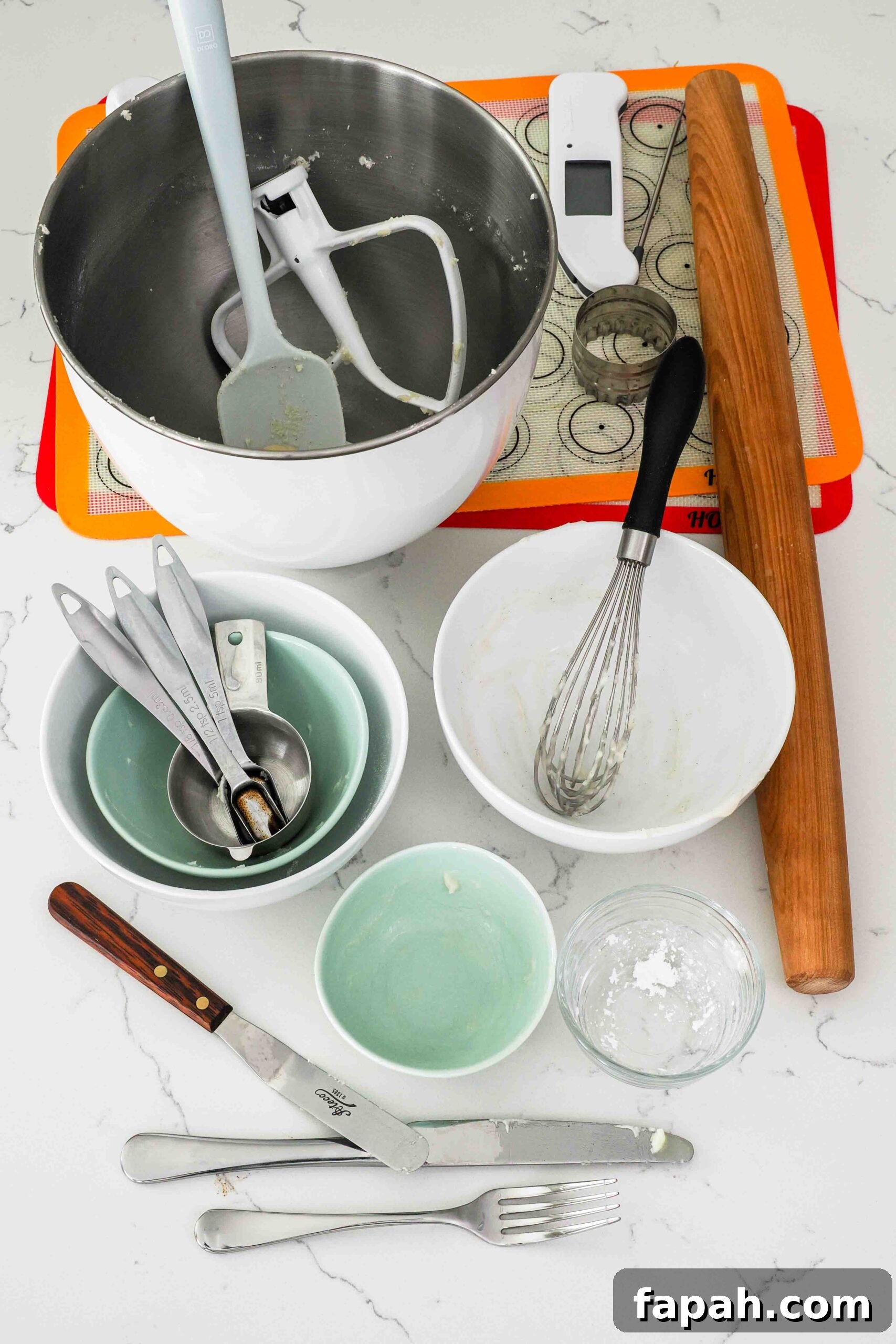
Dish Cleanup: Gonna Take a While
I rate cleanup on a scale of 1 to 5, where 1 is minimal and 5 is everything including the kitchen sink. With the glaze, this recipe rates a 4: you’ll use a mixing bowl, a few measuring cups, a rolling pin, a cutter, and a small bowl or cup for the glaze. The bowls wash easily with warm water, and skipping the glaze reduces the number of items to clean.
Vanilla Shortbread Recipe
Thanks for stopping by! If you make these shortbread cookies and enjoy them, please leave a review to share how they turned out.
Vanilla Shortbread Cookies
Ingredients
For the Vanilla Shortbread
- 11 Tablespoons (150 g) salted butter softened to 70°F (21°C)
- ⅓ cup (75 g) granulated sugar
- 1 teaspoon vanilla bean paste or vanilla extract
- 1 ⅔ cups cups (225 g) all-purpose flour spooned and leveled
For the Vanilla Glaze (Optional)
- ½ cup (50 g) powdered sugar
- 2 Tablespoons (28 g) salted butter melted
- 2 teaspoons water
- ½ teaspoon vanilla bean paste or vanilla extract
Instructions
To Make the Vanilla Shortbread:
-
Line two baking sheets with parchment or silicone mats. If baking immediately, preheat the oven to 350°F (175°C).
-
In a stand mixer fitted with the paddle or in a large bowl with a hand mixer, beat the softened butter, granulated sugar, and vanilla on medium-high for 5–7 minutes, until very pale, fluffy, and about doubled in volume.
-
Add the flour and beat on low until incorporated and the dough looks crumbly. Increase speed to medium-low and continue mixing 2–3 minutes, until the dough no longer sticks to the bowl and holds together.
-
Turn the dough out onto a work surface and form into a ball, pressing out large air pockets. If the dough feels sticky or warm, wrap and chill 10–15 minutes to firm it up.
-
Roll the dough to about ¼” (6 mm) thick. Cut 2″ (5 cm) cookies, lift with an offset spatula, and place at least 1″ (3 cm) apart on prepared sheets. Reroll scraps as needed.
-
Optionally dock each cookie with a fork. If you want crisper edges, chill the trays uncovered up to an hour before baking.
-
Bake 12–15 minutes, until the edges and bottoms are a light golden brown. Adjust time slightly for dark pans or parchment as needed. Cool on the baking sheet briefly, then transfer to a rack.
To Make the Vanilla Glaze (Optional):
-
Whisk powdered sugar, melted butter, water, and vanilla together in a small bowl until smooth. Adjust water to get a dip-friendly consistency.
-
Dip cooled cookies into the glaze, allow excess to drip, and set on parchment or silicone until firm. If the glaze thickens, warm for 5–10 seconds and stir to recombine.
Video
Notes
Store glazed or unglazed cookies in an airtight container for up to 5 days for best texture, though they will keep 1–2 weeks at room temperature. Freeze for up to 6 months for longer storage.
Recommended Supplies
- Round/fluted cookie cutters
- Silicone mats or parchment and baking sheets
- Offset spatula or bench scraper
Nutrition
I’d love to see your results: take a photo and tag the author on Instagram @floralapronblog or use the hashtag #floralapronbakes to share.