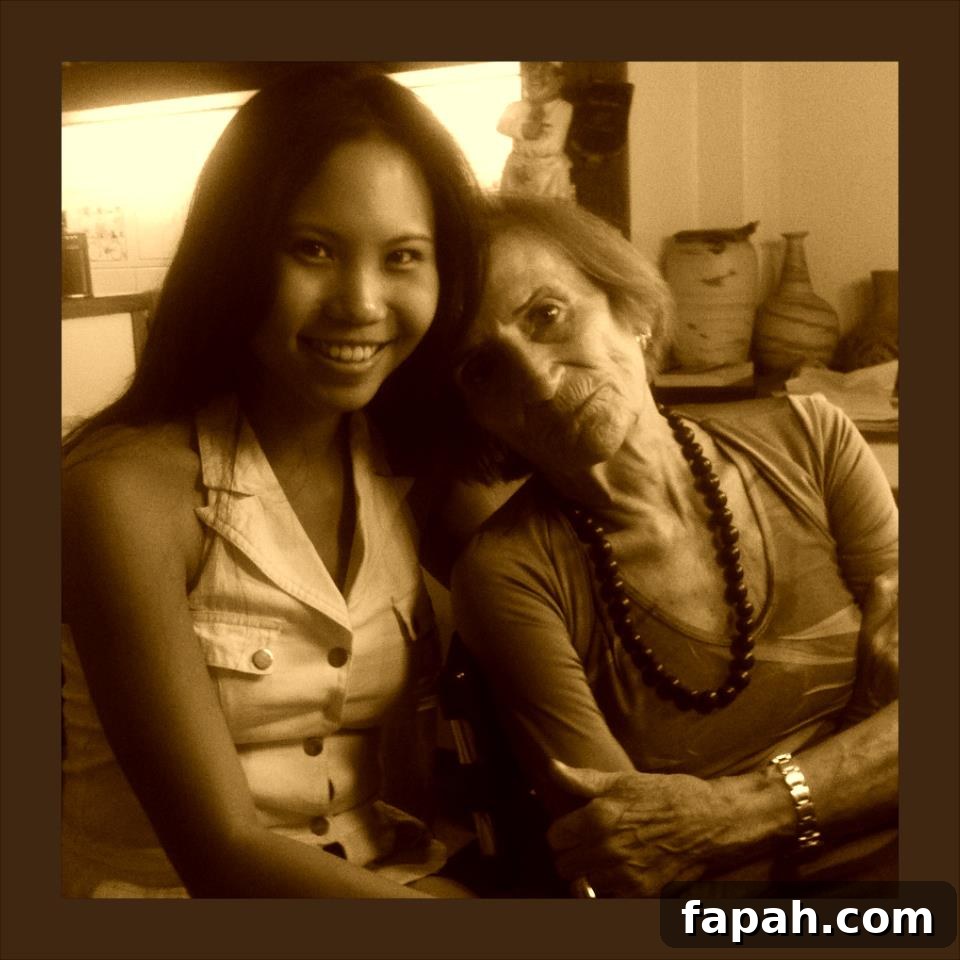
Sharing food is a way of sharing love for many people.
This feeling is especially true for the older generation, like my grandparents’ era.
I want to share a little about the woman who taught me so much about love in Argentina.
Her name is Trini. She is Juan’s grandmother — graceful and beautiful inside and out.
I’m writing about her because we visited her yesterday at the rehabilitation center, and the visit made me reflect on how life has changed for all of us over the past year. On February 1 of this year she fell, hit her head, and became immobilized. At 83 years old, recovery from such a serious injury is extremely difficult. Trini lost much of her ability to speak and to understand. Often we nod along to what she says, even when we don’t understand most of the words. That is one of the saddest parts, because she was always so communicative.
The last time we celebrated New Year’s with her, I felt how fortunate we were to have her with us. I miss those moments dearly.
Trini is one of the people I love most in Argentina.
It’s not only because she is Juan’s grandmother, but because she has always shown me so much affection since I first met her in April 2008. Even though I couldn’t speak Spanish at the time and our early conversations relied on hand gestures and expressions, we formed a connection I can’t fully explain.
When I returned to Singapore and Juan and I began a long-distance relationship, Trini would send me postcards every few months — sometimes monthly — and Juan would translate them. Her handwriting filled the cards, and she always signed off with “Besos, Te quiero mucho” — “Kisses, I love you a lot.” At eighty she even enrolled in English classes so she could communicate with me. Her determination and effort to bridge the distance were remarkable.
When I moved to Buenos Aires in April 2010, I had to rebuild my social life from scratch. During that period I spent many afternoons having tea with Trini in her small, cozy apartment. We chatted, laughed, and shared stories about life. By then my Spanish had improved, so our conversations needed fewer gestures, though expressive hand movements remain characteristic of Argentines.
When Valerie and Jasmine visited in September 2011, Trini welcomed them with so much food we thought we would burst. It was her way of showing love.
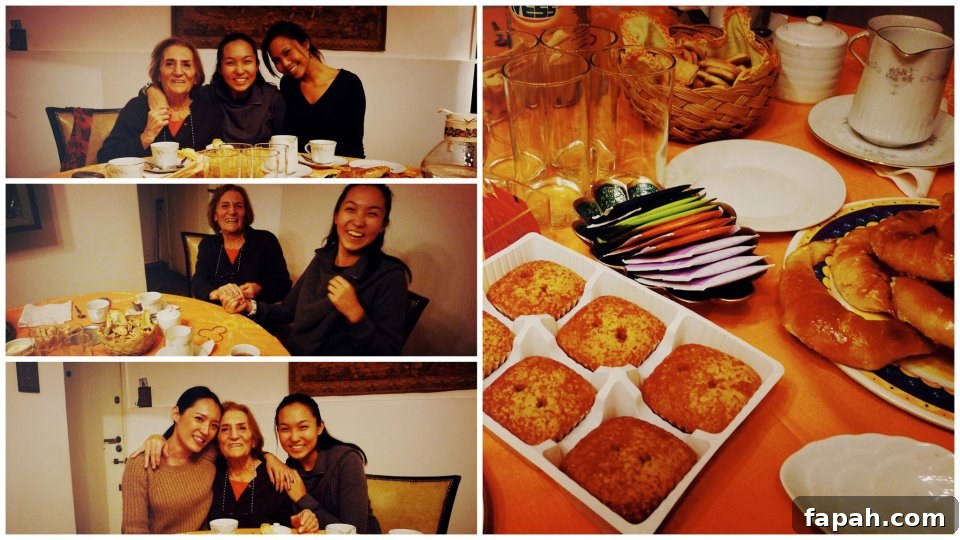
She told stories about the past, the way people lived, and offered gentle advice and honest observations. She always insisted we try her home-cooked food. Trini reminds me of my own grandmother, who expresses love through feeding us abundantly whenever we visit. That kind of love is conveyed in small, steady gestures, even if they don’t fully grasp the fast-changing, tech-driven world my generation lives in. Even now at the rehabilitation center, Trini tries to offer tea or a meal — a gesture that moves me deeply.
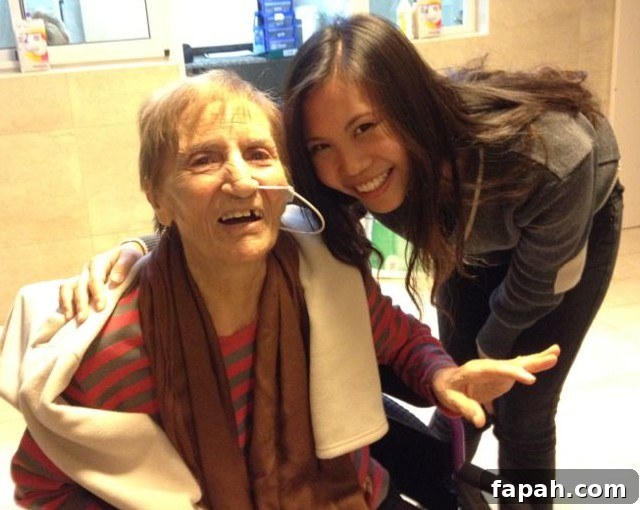
It’s remarkable to be close to someone who has lived through the Great Depression, World War II, the birth of the Internet, and Argentina’s economic ups and downs. Born in 1929, Trini has witnessed profound change across nearly a century. Her memory holds stories, lessons, observations and experiences that someone my age can barely imagine. It is heartbreaking that the fall has taken away much of her ability to communicate as she once did.
One of the first phrases Trini taught me during my 2008 visit to Buenos Aires was —
“La medida del amor, es amar sin medida”.
Which means —
“The measure of love is to love without measure.”
After a life that has seen war, hardship, change and loss, when someone like Trini tells you to keep loving the world, it feels like advice worth following.